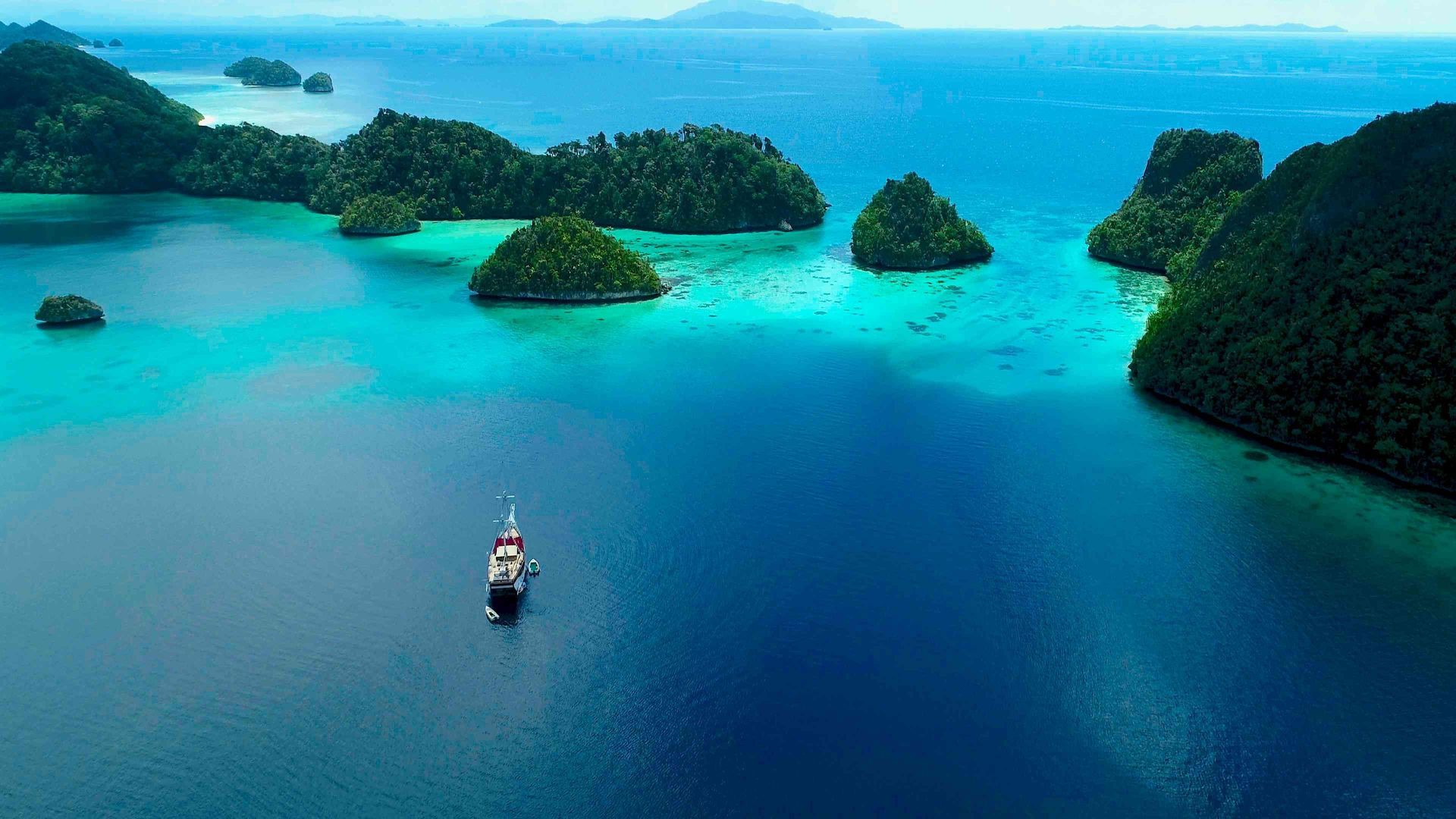
Alor sits at the far eastern edge of the Lesser Sunda Islands — remote, rarely crowded, and home to some of the most distinctive diving in Indonesia. Rhinopias scorpionfish, cold-water upwellings that bring hammerheads to the surface, dugongs in protected seagrass beds, and traditional Abui villages untouched by mass tourism. This is what diving looks like when a destination stays largely off the mainstream radar.
This guide covers everything you need to plan an Alor liveaboard trip: best season, getting there, what to expect underwater, and how it connects to broader Indonesia expedition routes. It's part of our complete Indonesia liveaboard guide — the central hub for all Indonesian diving destinations.
Quick Facts About Alor Diving
- Best season: March–October for optimal conditions; September–November for hammerhead season
- Coral species: 500+ species across the Sunda Banda Seascape⁷⁸
- Fish species: 2,100+ reef fish species across the Sunda Banda Seascape⁷⁸
- Water temperature: 25–30°C typical; thermoclines can drop significantly during cold upwellings
- Visibility: 25–30m+ in dry season; varies with thermoclines and upwelling conditions
- Dives per day: 3–4 on most itineraries
- Experience level: Advanced Open Water recommended; current experience essential
- Trip length: 7–14 days; often combined with Komodo, Flores, or Banda Sea crossings
- Cost range: $250–$600+/day depending on vessel category
- Gateway airport: Mali Airport (ARD), Kalabahi — via Kupang (KOE)
- Booking lead time: 6–12 months for peak season
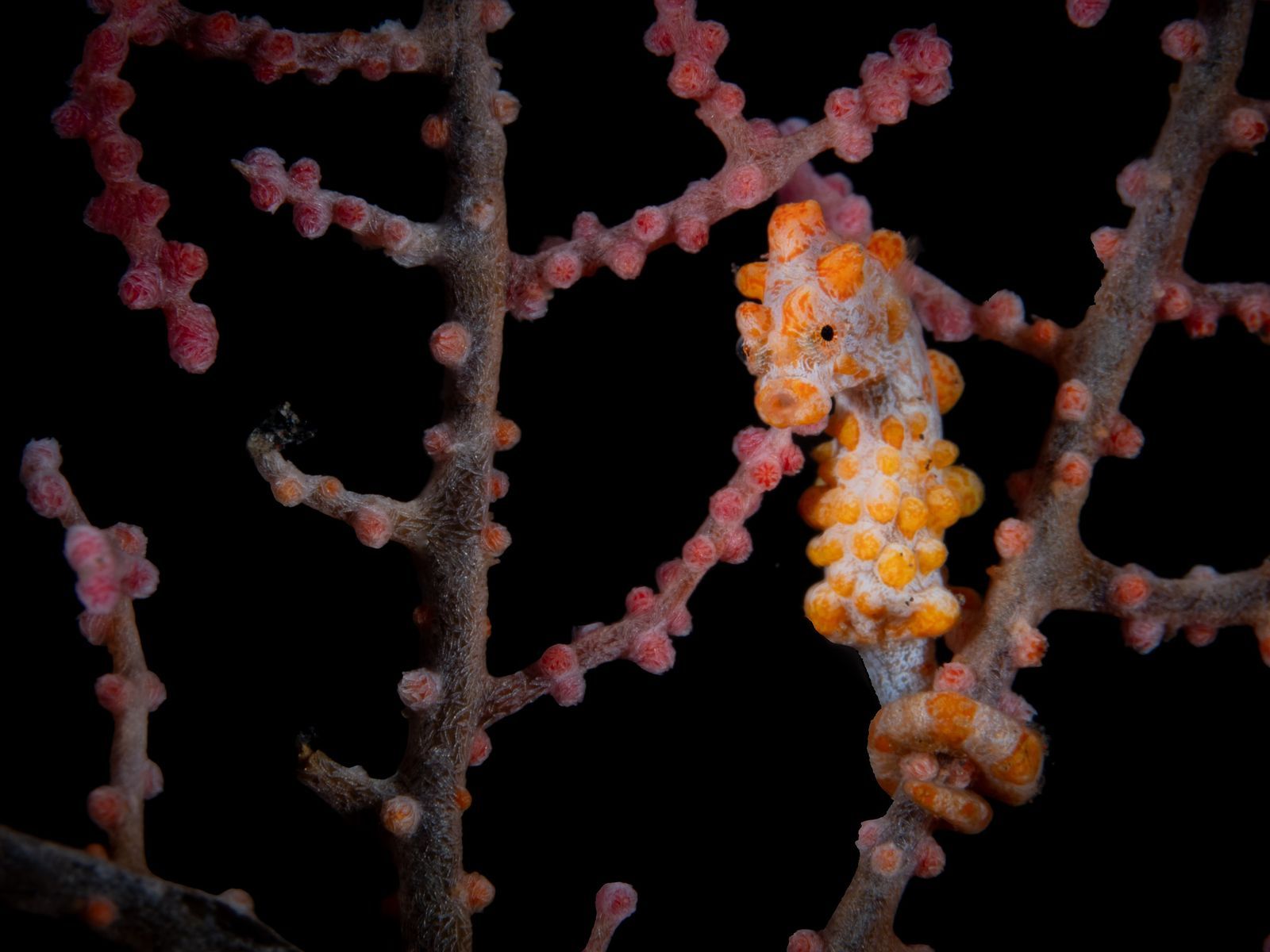
Rare Yellow Pigmy Seahorse sitting in a Coral Sea Fan - Liveaboard Indonesia - Picture by Leon Lemke
Quick Answers
When is the best time to dive Alor?
March to October is the main season — dry conditions, stable seas, and the strongest visibility. September and October are particularly good for combining optimal conditions with the start of hammerhead season. November brings cold upwellings that push hammerheads closer to the surface but can reduce visibility. December to February is the rainy season with rougher conditions and most operators don't run trips. For a full breakdown of Indonesia's seasonal patterns, see our Indonesia weather and diving seasons guide.
How much does an Alor liveaboard trip cost?
Vessels start around $250/day for more straightforward phinisi boats and run to $600+/day for luxury operators. Additional costs include marine park fees, domestic flights to Kupang and Alor, and crew tips. Alor is often dived as part of longer Ring of Fire or Komodo crossing itineraries, which affects total trip cost and duration. For a full tier breakdown, see our Indonesia liveaboard category guide.
Do I need Advanced certification for Alor diving?
Advanced Open Water is strongly recommended. Currents in the Pantar Strait can be strong and unpredictable — some sites experience significant current even at shallow depths. Drift diving experience and comfort with reef hooks are important here. Some operators accept Open Water divers on calmer sites, but check requirements before booking. If you're building experience toward Alor, Komodo is a good current-diving stepping stone.
How do I get to Alor?
Fly to Kupang (KOE) from Bali or Jakarta, then connect on Wings Air to Mali Airport (ARD) in Kalabahi — around 40 minutes. Plan to overnight in Kupang as the connection timing is tight and domestic schedules shift. Confirm your embarkation port with your operator before booking — some itineraries start in Maumere or Labuan Bajo, not Kalabahi.
What marine life will I see in Alor?
Rhinopias scorpionfish are the signature species — rarely seen elsewhere, reliably encountered in Alor's muck diving sites. Hammerheads visit during cold upwelling season (September–November). Dugongs are present in the Pantar Strait Marine Reserve year-round, with a resident population around Mali Bay. Seasonal sightings include mola mola, thresher sharks, and whale species during migration. For big animal diving across Indonesia, see our Indonesia big animal diving guide.
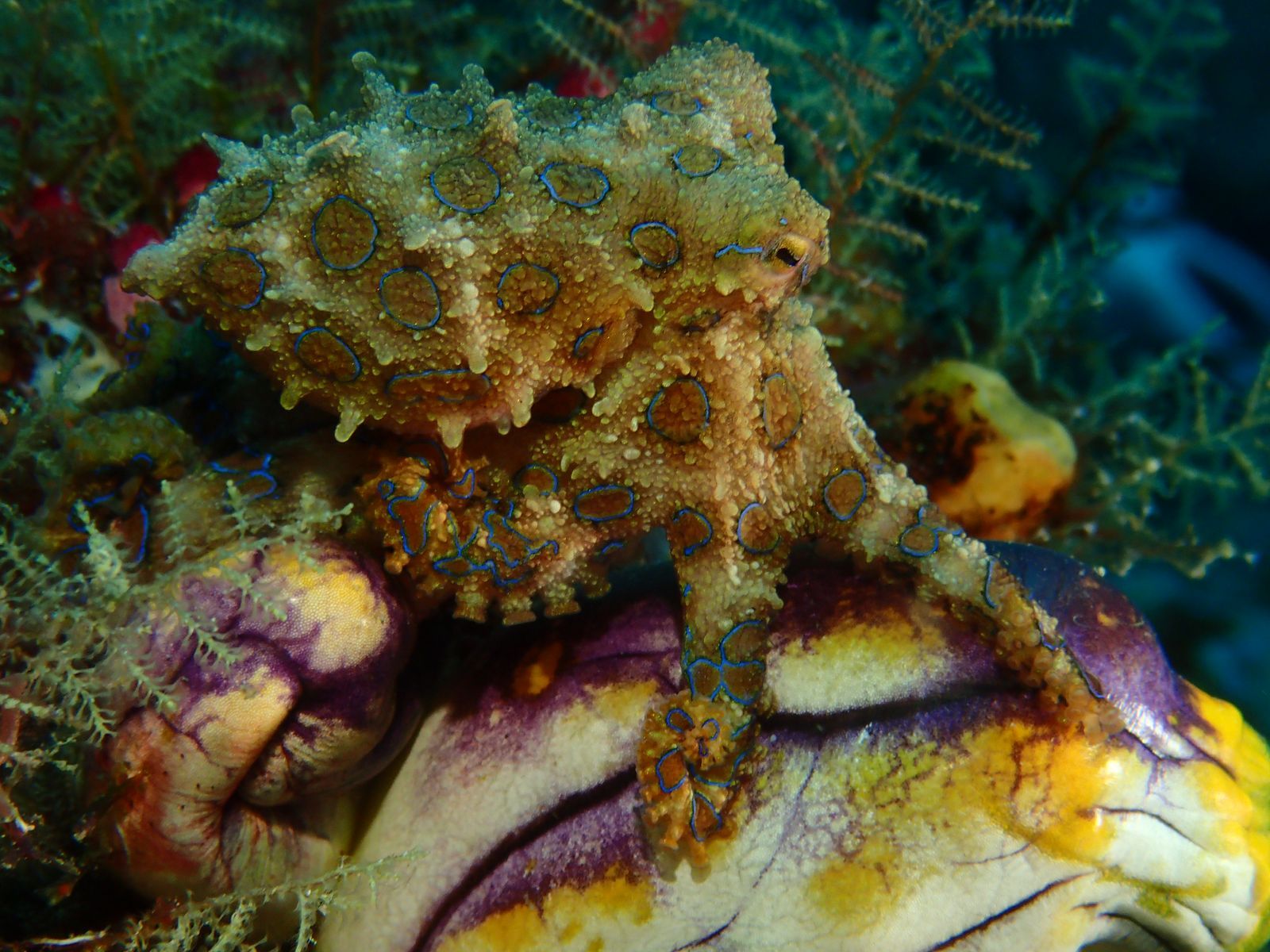
Blue-ringed octopus Hapalochlaena species Raja Ampat Indonesia macro diving liveaboard venomous marine life underwater photography - Picture by Tina Bogdanova
Why Choose Alor
The Alor Archipelago is made up of around 20 islands in East Nusa Tenggara — Alor Island is the largest, but the diving spans the whole group, especially through the Pantar Strait between Alor and Pantar islands.⁹ The cold upwellings the Strait channels create conditions unlike anywhere else in Indonesia. The same system that makes some dives genuinely challenging is responsible for the extraordinary marine life — rhinopias, hammerheads, mola mola, and a biodiversity density that sits within the Coral Triangle, the global epicentre of marine biodiversity,¹⁶ and the Sunda Banda Seascape, one of the most important marine conservation regions in Indonesia.⁷ ¹⁰
What sets Alor apart is the combination. World-class macro diving in Kalabahi Bay, pelagic encounters in the Strait, dugong sightings in protected seagrass beds, and traditional tribal communities with distinct languages and customs across the islands. Most liveaboard destinations offer one or two of these things. Alor offers all of them without the boat traffic of more established destinations.
Las comunidades locales han prevenido activamente las prácticas de pesca destructivas en gran parte del archipiélago — los métodos tradicionales son la norma, y los arrecifes lo reflejan. En 2015, este trabajo liderado por la comunidad ayudó a establecer la Reserva Marina del Estrecho de Pantar, que cubre 277.000 hectáreas.⁴
Alor encaja naturalmente dentro de los itinerarios que cruzan el Anillo de Fuego y el Mar de Banda, y también funciona como un destino independiente con sus propios viajes dedicados en barco de vida a bordo. Consulte nuestra guía del Mar de Banda y guía de tiburones martillo para el contexto más amplio de la expedición.
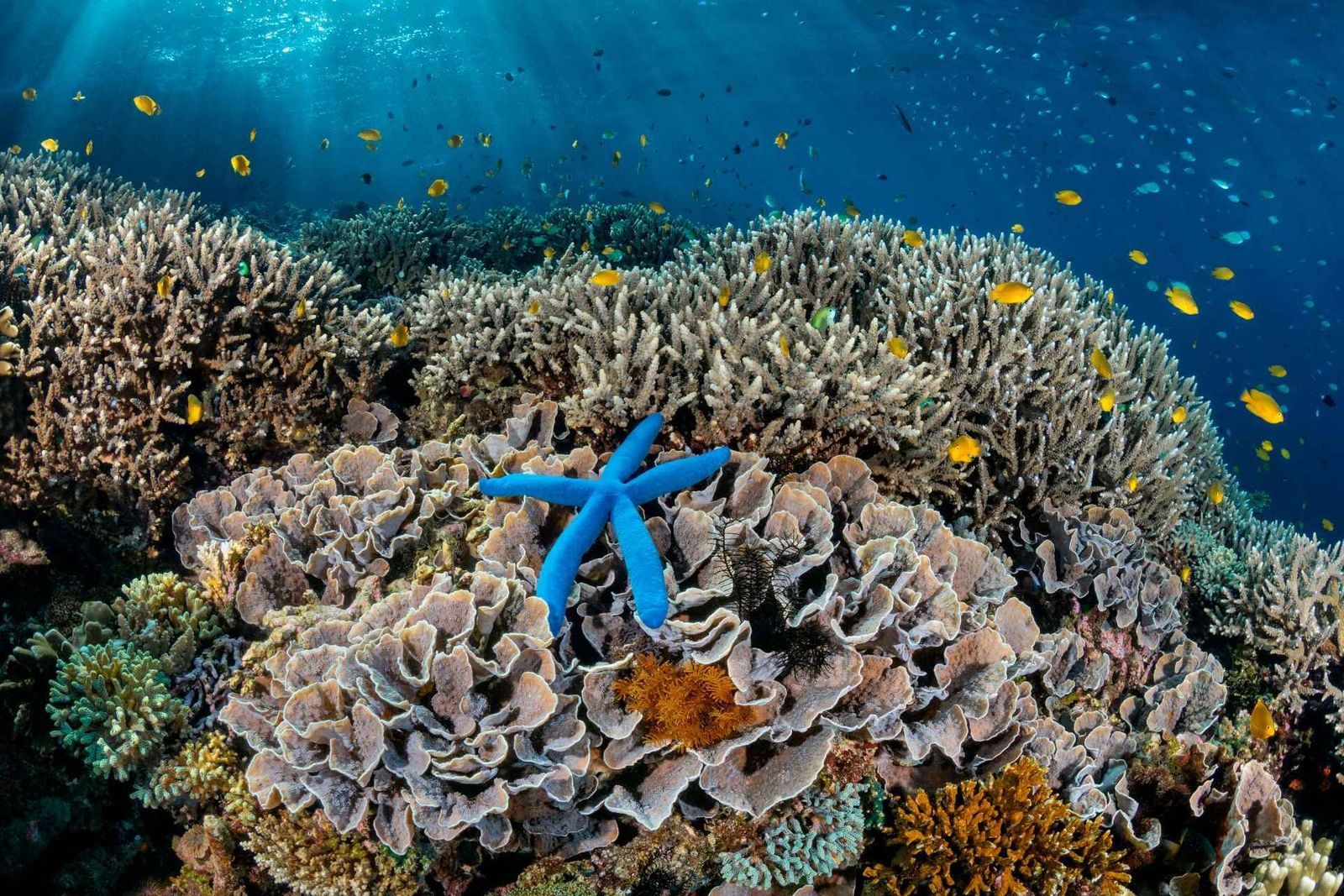
Diverse coral reef ecosystem with blue sea star and yellow fish in Indonesian waters, liveaboard diving - Picture by Majik Liveaboard
Mejor época para visitar Alor
De marzo a octubre es la temporada principal. Condiciones secas, visibilidad constante de 25–30 m o más, y condiciones de superficie estables en la mayor parte del archipiélago. Las temperaturas rondan los 25–30 °C en la superficie. Esta es la ventana alrededor de la cual la mayoría de los operadores basan sus itinerarios dedicados a Alor, y cuando el archipiélago es más accesible.
Septiembre y octubre se encuentran en una superposición productiva: buena visibilidad, actividad pelágica en aumento y el comienzo del ciclo de afloramiento frío. Noviembre trae afloramientos más fuertes alrededor de las lunas nuevas y llenas, acercando los tiburones martillo a aguas más someras. La visibilidad puede disminuir durante estos eventos de afloramiento, pero las mismas condiciones ricas en nutrientes son exactamente lo que atrae a los tiburones.
De diciembre a febrero es la temporada de monzones. La mayoría de los operadores no realizan viajes a Alor durante esta ventana. Las condiciones del mar se vuelven difíciles y la visibilidad disminuye significativamente. Planifique en torno a la temporada principal.
Alor aparece naturalmente en la migración estacional de los operadores de barcos de vida a bordo que se mueven entre Komodo y el Mar de Banda — muchos cruces del Anillo de Fuego pasan por aquí en octubre y noviembre mientras los barcos se reposicionan para la temporada oriental.
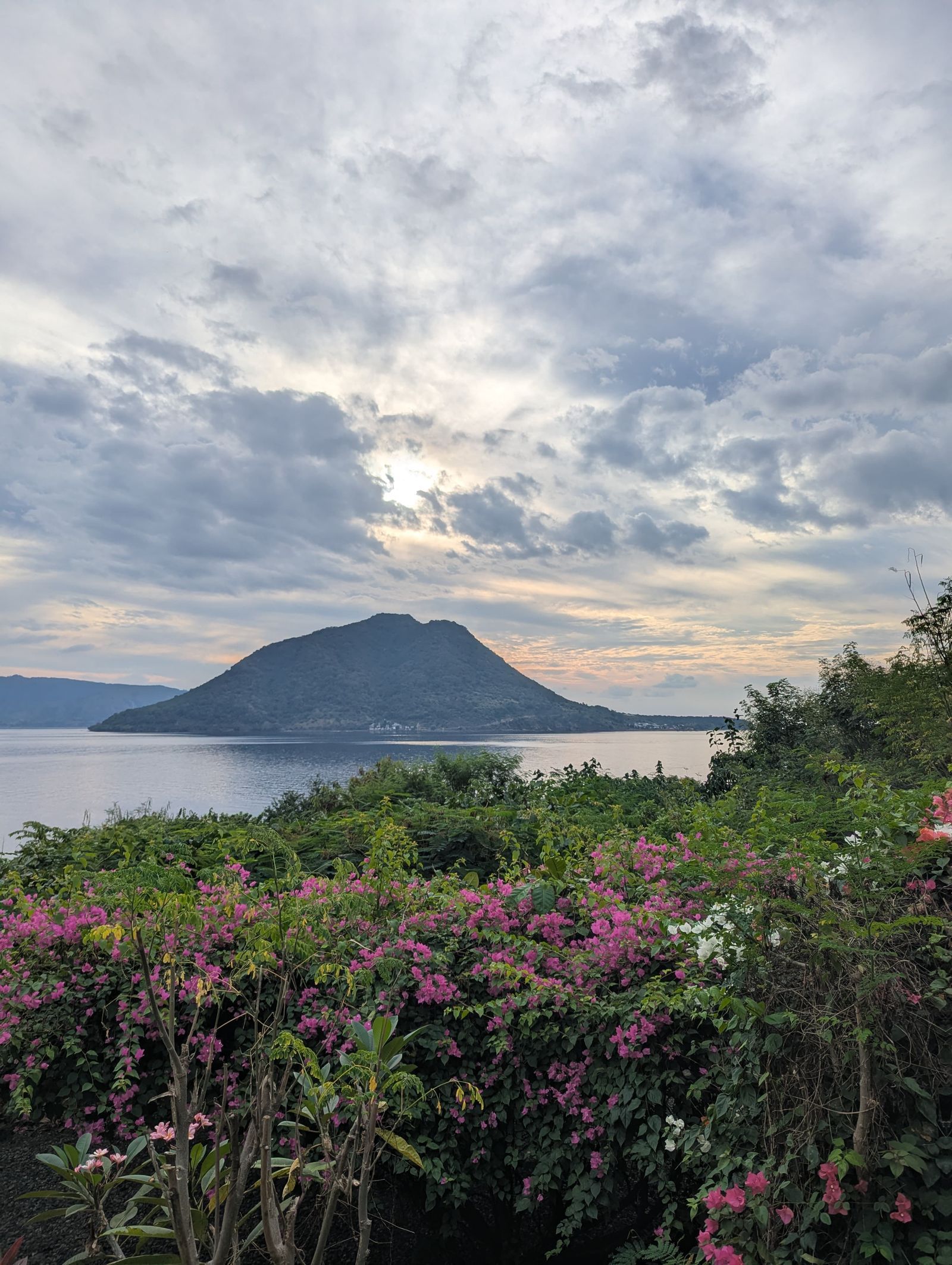
Alor Island sunset view with volcanic peaks and tropical waters - perfect for Indonesia liveaboard diving adventures - Picture by Tina Bogdanova
Cómo llegar
Fly to Kupang (KOE) from Bali or Jakarta — multiple daily flights, around 1.5 hours from Bali and around 3 hours from Jakarta. From Kupang, Wings Air operates daily flights to Mali Airport (ARD) in Kalabahi, taking around 40 minutes. The airport is around 20 minutes from Kalabahi harbour. Overnight in Kupang before connecting — domestic schedules shift and the connection is too tight to risk on travel day.
Alor liveaboard itineraries depart from or arrive in various ports depending on the route. Kalabahi is the typical base for dedicated Alor trips. Maumere (Flores) or Labuan Bajo are common starting points for boats coming from the west via Komodo. Some crossings continue east toward Ambon and the Banda Sea. Always confirm your exact embarkation and disembarkation ports before booking flights.
Flight logistics to Alor are complex — connections don't always align and Wings Air schedules can be unreliable. This is a route where having someone monitor your connections is worthwhile. Coralbound works with VIFA Holiday, the leading DMC for Indonesia's diving industry, who handle domestic flight monitoring and rebooking throughout your journey.
Alor also has world-class dive resorts — several on Pantar Island and along the northwest coast of Alor — for divers who want to combine a liveaboard crossing with land-based diving before or after. Reach out via WhatsApp if you want help building that combination.
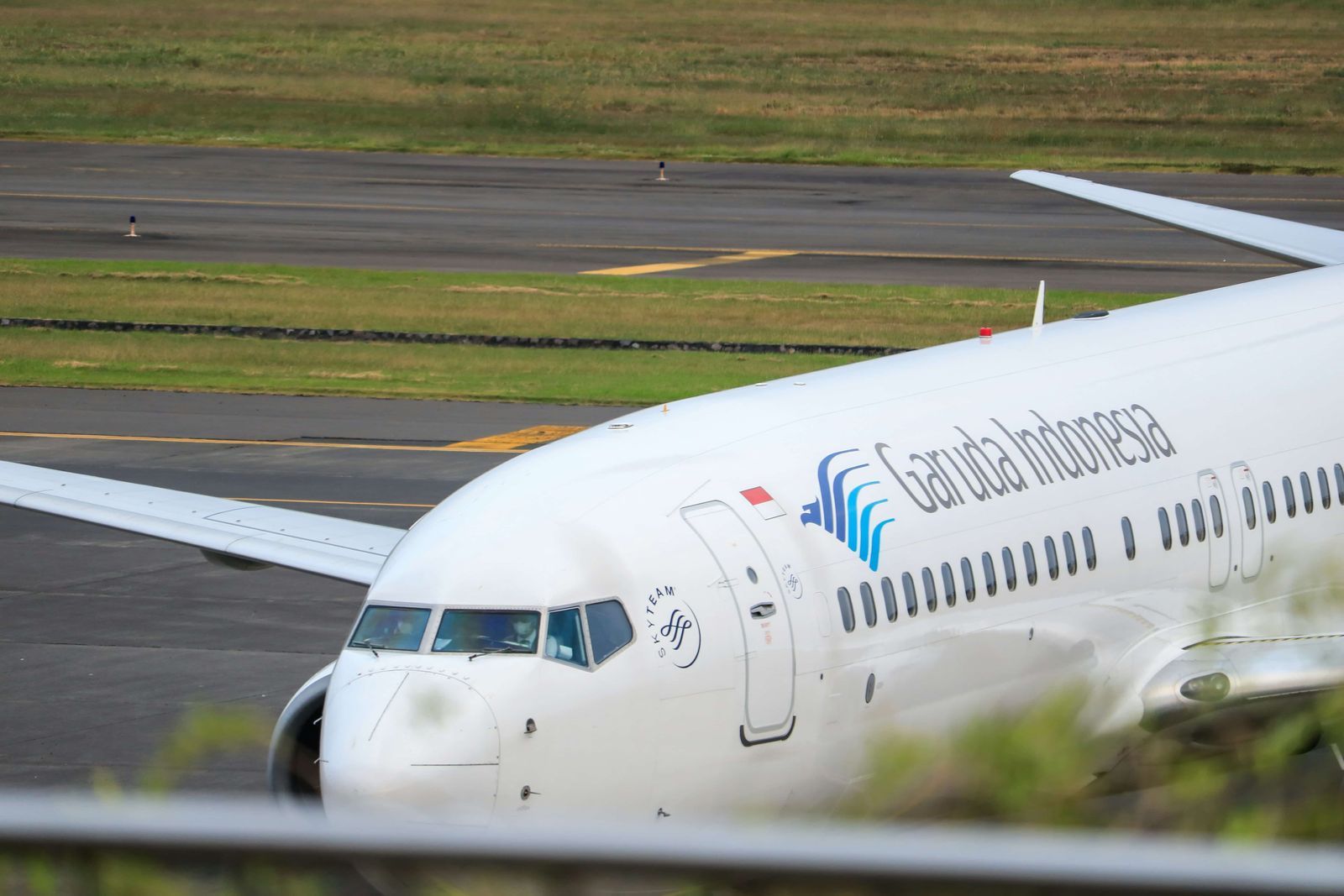
Garuda Indonesia aircraft runway Indonesian domestic flights liveaboard transfers
Marine Life
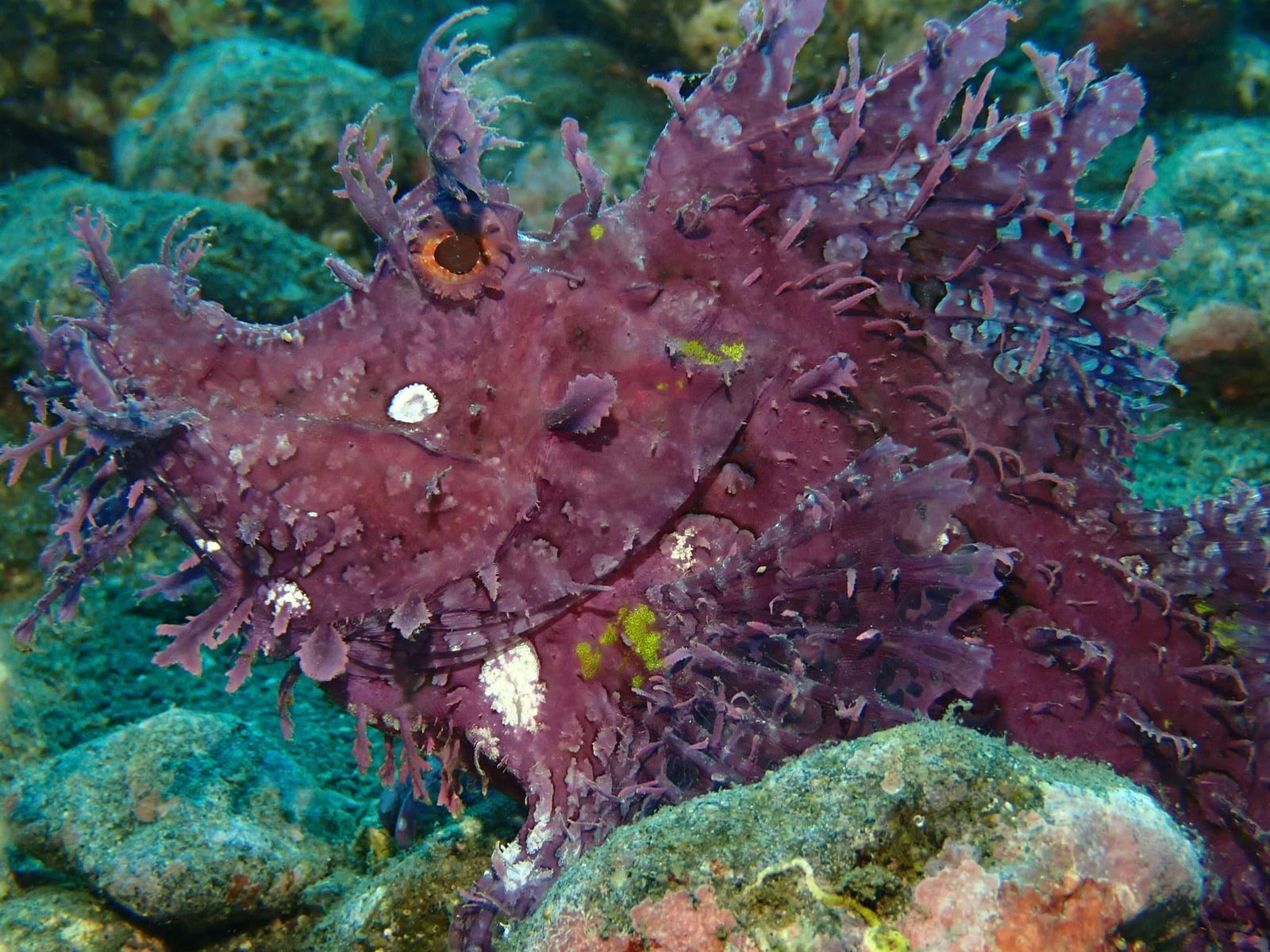
Rhinopias scorpionfish are Alor's most celebrated species — two varieties are regularly encountered in the muck diving sites of Kalabahi Bay. Dramatic, photogenic, and genuinely rare in most of Indonesia, they've put Alor on the international macro photography map. They're often found alongside wonderpus octopus, blue-ringed octopus, ghost pipefish, pygmy seahorses, and nudibranchs in extraordinary variety.
Hammerheads are the pelagic highlight during September–November, aggregating at key sites in the Pantar Strait during cold upwelling periods. Mola mola are regularly seen during the same season. Thresher sharks appear in deeper water. Whale species including blue whales and pilot whales have been documented during migration periods — sightings depend on timing and conditions.
Dugongs are a year-round presence in the protected seagrass beds around Mali Bay. The resident population here is the focus of one of Indonesia's most compelling conservation stories — see the Shore Activities section for context.
For the full picture of macro and critter diving across Indonesia, see our Indonesia small animal diving guide.
Purple rhinopias frondosa rare scorpionfish Alor Indonesia macro diving liveaboard underwater photography holy grail species - Picture by Tina Bogdanova
Shore Activities
Takpala Village
Takpala has been on Alor's cultural map since 1973, when photographs of its traditional life reached European audiences via a Dutch visitor's calendar.³ The village won second place for most traditional in Indonesia in 1980 and remains home to families from the Abui tribe — the largest in Alor. Thirteen pyramid-shaped Fala Foka houses on stilts, the Kolwat and Kanuruat ceremonial buildings, and the Lego-Lego dance performed in traditional dress. It's around 25–30 minutes from Kalabahi and features on most liveaboard shore excursion itineraries.
Mawar and the Dugong Conservation Story
Mali Bay holds one of Indonesia's most closely watched dugong populations — and the story behind it is worth knowing before you dive here.
Onesimus Laa (Pak One), a former Jakarta gang member who returned to Alor, began planting mangroves along eroding coastlines. A dugong started following his boat — he named it Mawar (Rose). Over the following years, Pak One built a fishermen's forum that transformed local conservation practices, eventually contributing to the establishment of the Pantar Strait Marine Reserve in 2015 covering 277,000 hectares.⁴⁵
Mawar remains in the bay. In 2025, WWF Indonesia documented a baby dugong alongside Mawar and a female named Melati — the first recorded calf in these waters.² The seagrass beds that support them are now classified as healthy by WWF survey.² Some operators build dugong snorkel encounters into Alor itineraries. Approach quietly and follow any site guidelines — these are wild animals in a protected reserve.
Managing Expectations
Las corrientes en el estrecho de Pantar pueden ser fuertes y cambiar de dirección con poca antelación. Este no es un destino intermedio: los anzuelos de arrecife son equipo estándar y el control de la flotabilidad es importante a todas las profundidades, incluidos los sitios de buceo en lodo poco profundos donde la corriente aún puede ser fuerte. Los guías programan las inmersiones para las ventanas de marea y ajustan los planes según las condiciones. Algunos días, el sitio planificado simplemente no es seguro para bucear, y los operadores tendrán alternativas.
Las termoclinas durante la temporada de tiburones martillo pueden ser dramáticas: el agua de la superficie puede tener 28 °C y descender a 20 °C o menos dentro de la misma inmersión. Un traje de neopreno de 5-7 mm con capucha es la elección correcta para septiembre-noviembre. El mismo agua fría que te hace buscar capas térmicas es lo que atrae a los tiburones martillo.
La ubicación remota significa recursos médicos limitados. La cámara de descompresión más cercana está en Bali. El seguro de buceo con evacuación de emergencia no es opcional aquí: confirme que su póliza cubre buceo a al menos 40 m. También se recomienda encarecidamente el seguro de viaje: los depósitos no son reembolsables y los saldos suelen vencer 60-90 días antes de la salida.
Las rhinopias y otros sujetos macro requieren paciencia, buena flotabilidad y moderación. No toques, no persigas y no levantes arena alrededor de los sujetos. Los guías de buceo aquí saben dónde están los animales: sigue su ejemplo.
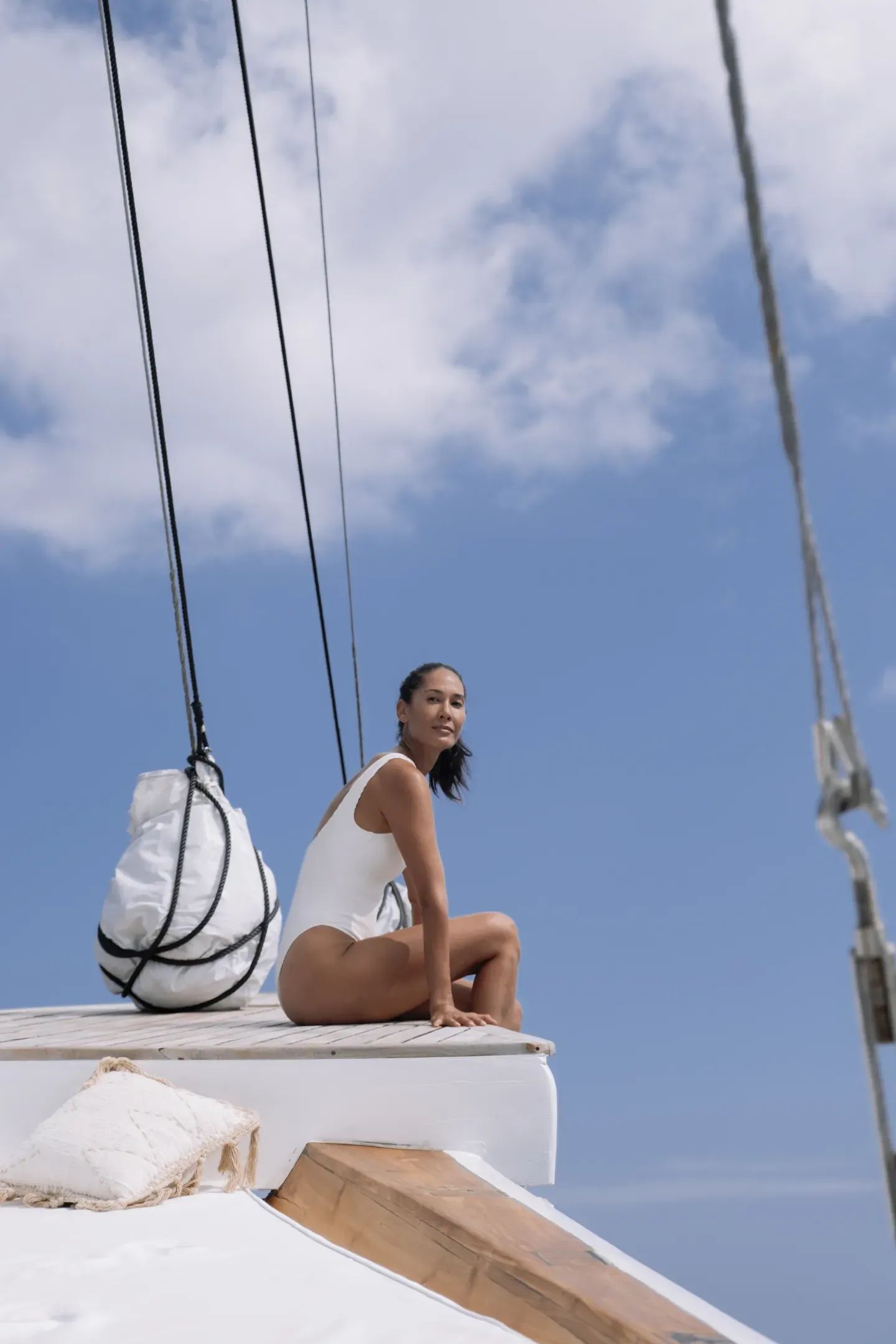
Woman in white swimsuit relaxing on luxury yacht deck with sailing rigging against blue sky and clouds - Picture by Aliikai Voyages
Preguntas frecuentes
¿Es Alor adecuado para buceadores principiantes?
Algunos barcos de lujo y orientados al ocio aceptan buceadores Open Water en sitios adecuados. Dicho esto, las corrientes del estrecho de Pantar y la profundidad de muchos buenos sitios significan que se recomienda encarecidamente tener experiencia avanzada en aguas abiertas y experiencia real en corrientes, especialmente si el objetivo son los encuentros con tiburones martillo o pelágicos. Consulte los requisitos de cada operador en sus listados antes de reservar.
¿Qué diferencia a Alor de Komodo o del Mar de Banda?
Alor se sitúa en una categoría diferente a ambas. Komodo es más accesible y se centra en pelágicos alrededor de mantarrayas y sitios de deriva. El Mar de Banda se basa en agregaciones de tiburones martillo en montes submarinos y largos cruces de aguas abiertas. Alor combina buceo macro de clase mundial con encuentros pelágicos en un entorno con profundo acceso cultural: comunidades tribales tradicionales que la mayoría de los otros destinos indonesios no tienen. También se combina frecuentemente con el Mar de Banda en itinerarios del Anillo de Fuego, por lo que los dos son opciones complementarias en lugar de competidoras.
Can I combine Alor with other Indonesian destinations?
Yes — and most operators structure it that way. Ring of Fire routes connecting Alor (or Kalabahi) to Ambon via Banda Sea islands are the most common combination. Other operators run Alor into Flores (Maumere) or connect it to Komodo. These are 10–14 day itineraries. Reach out via WhatsApp to map out the options.
What is the Pantar Strait Marine Reserve?
The Pantar Strait Marine Reserve (Suaka Alam Perairan Selat Pantar) was established in 2015 and covers approximately 277,000 hectares.⁴ It protects the seagrass beds, coral reefs, and mangrove systems of the Alor archipelago, including the dugong habitat at Mali Bay. It was established through collaboration between local communities, WWF Indonesia, the Alor Water Police, and the Ministry of Maritime Affairs — with the Kabola Fishermen Communication Forum (led by Pak One) as a key driver.
When are hammerheads most reliably seen?
September to November, during cold water upwellings around new and full moon periods. Early morning dives at the right tidal phase give the best chance of encounters. Guides in Alor know these windows well — trust their scheduling and dive timing. Outside this season, hammerhead sightings are possible but less predictable.
Do I need special equipment for Alor diving?
A reef hook is essential — treat it as mandatory. Surface marker buoy required on all dives. A 5–7mm wetsuit with hood for September–November upwelling season; 3–5mm is adequate in warmer months. Macro lens for rhinopias photography. Nitrox certification is worth having for multi-dive days at depth. For a full gear list, see our Indonesia liveaboard packing guide.
Is there good macro diving beyond rhinopias?
Excellent. Kalabahi Bay is one of Indonesia's best muck diving sites — wonderpus octopus, blue-ringed octopus, frogfish, ghost pipefish, and nudibranchs in remarkable variety. Mandarin fish at sunset dives on specific sites. The macro diving here rivals Lembeh and Ambon for variety and quality, though it remains far less visited.
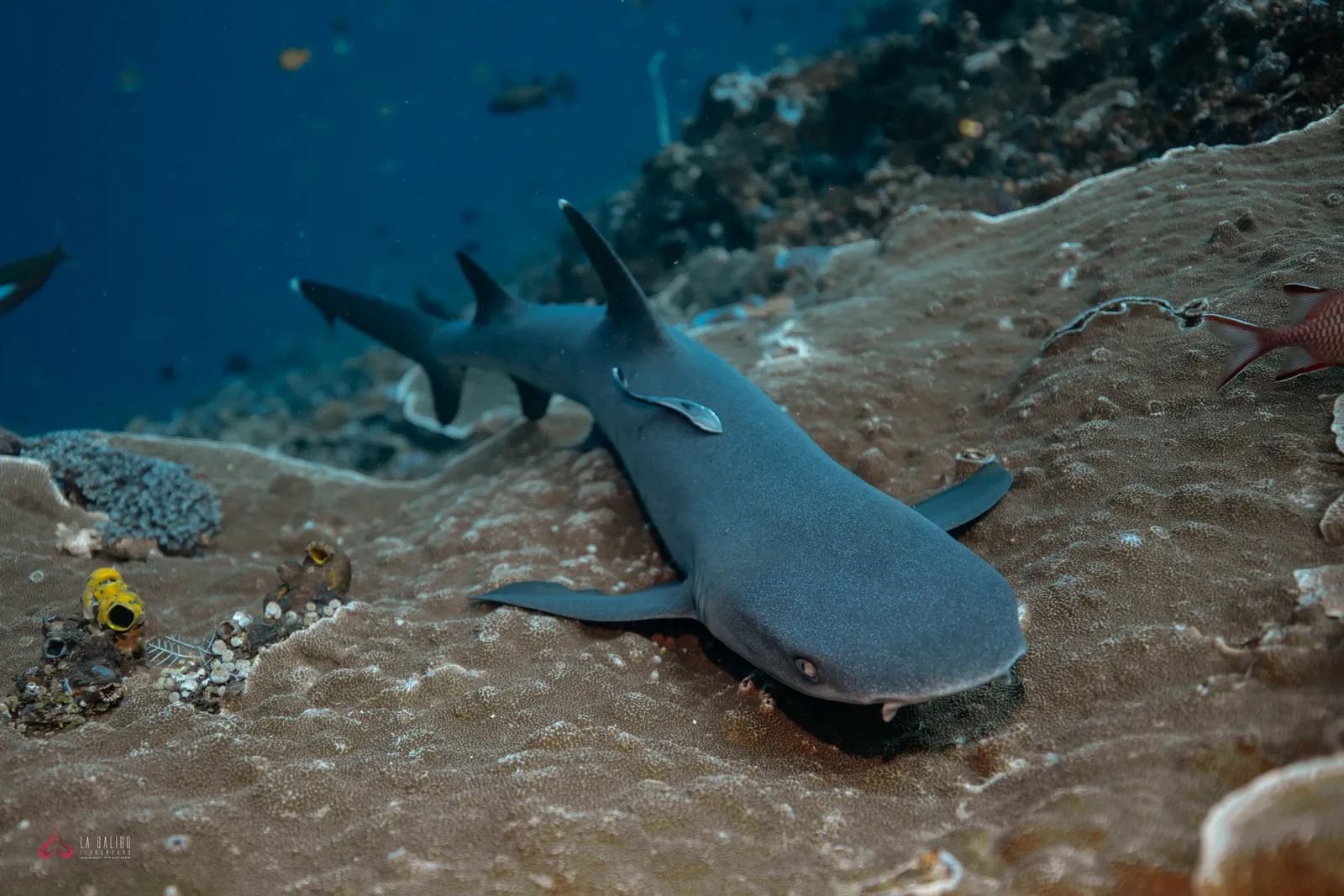
White tip reef shark resting on coral reef during Indonesia liveaboard diving expedition - Picture by La Galigo Liveaboard
Book Your Alor Trip
We're a Bali-based platform run by divers who know Alor well. You'll pay the same price booking through us as booking direct — operators maintain price parity across all channels. Every booking through Coralbound includes a booking gift — including the option of a complimentary hotel night — and you get real support on top: domestic flight coordination through VIFA Holiday and a team that understands what remote Indonesia expeditions actually involve.
Questions before you book? Message us on WhatsApp or reach us via our contact form. Want to know more about how we work? Read our why book with Coralbound page.