Halmahera sits between Raja Ampat and North Sulawesi, in the northern reaches of the Coral Triangle. The walking shark (Hemiscyllium halmahera) is endemic here — first photographed by a dive guide in 2008 and scientifically described in 2013.¹² WWII wrecks off Morotai — aircraft, jeeps, tanks — now encrusted with coral and patrolled by reef sharks. Pristine reefs across Weda Bay, the Goraici Islands, and the Patinti Strait that see almost no recreational traffic. Pulau Gurida (Tifure), halfway between Halmahera and North Sulawesi, delivers some of the most spectacular schooling fish encounters in eastern Indonesia. This is a destination for divers who have done Raja Ampat and want to go further.
This guide covers everything you need to plan a Halmahera liveaboard trip: the key areas, what to expect underwater, how to get there, and how it fits into broader North Maluku and Indonesia routes. It's part of our complete Indonesia liveaboard guide — the central hub for all Indonesian diving destinations.
Quick Facts About Halmahera Diving
- Best season: April–October (dry season, southeast monsoon, calmer seas)
- Coral species: 544 species in the Halmahera ecoregion⁵¹⁰
- Fish species: Third highest coral ecoregion diversity of 141 globally⁵¹⁰
- Water temperature: 27–30°C year-round
- Visibility: 15–30m typical; varies by site
- Dives per day: 3–4 on most itineraries
- Experience level: Intermediate to Advanced recommended
- Trip length: 10–14 days, most commonly as a crossing route
- Cost range: $400–$800+/day depending on vessel
- Gateway airport: Ternate (TTE) via Makassar or Manado
- Booking lead time: 6–12 months; limited departures
Quick Answers
When is the best time to dive Halmahera?
April through October is the main season, driven by the southeast monsoon which brings calmer seas and better visibility.⁹ This runs roughly counter to Raja Ampat's October-April window rather than aligning with it — worth checking directly with an operator if you're planning a combined crossing, since itineraries are timed around whichever leg of the route matters most to them. The northwest monsoon from November to March brings stronger winds and swells to Halmahera, and departures are less frequent during this period, though some operators still run trips. For Indonesia's broader seasonal patterns, see our Indonesia weather and diving seasons guide.
What is the Halmahera walking shark?
Hemiscyllium halmahera is endemic to the waters around Ternate, Halmahera, and nearby North Maluku islands.¹ First photographed by a local dive guide in 2008, it was formally described by Allen, Erdmann and Dudgeon in 2013.² It walks along the reef using its pectoral fins — most active on night dives — and is non-migratory, so it can be found year-round at the right sites.
How do I get to Halmahera?
Fly to Ternate Airport (TTE) via Makassar or Manado. From Ternate harbour, a short transfer reaches your liveaboard. Many itineraries board in Sorong and pass through Halmahera as a crossing ending in Ternate, Manado, or Bitung. Others start from Bitung in North Sulawesi and head east through Pulau Gurida (Tifure) to Halmahera. Always confirm your exact embarkation and disembarkation ports before booking domestic flights.
How many operators run Halmahera?
More than you might expect for a frontier destination — not as many as Raja Ampat or Komodo, but more than somewhere like Cenderawasih Bay. Halmahera has been gaining traction recently as North Halmahera and Morotai attract growing attention from operators and experienced divers. Most run it as part of a Raja Ampat to North Sulawesi crossing or a dedicated North Maluku itinerary. Reach out via WhatsApp to discuss what's currently scheduled.
What makes Halmahera different from Raja Ampat?
Raja Ampat has higher overall biodiversity and many more operator options. Halmahera has its own endemic walking shark, dramatic WWII wreck diving at Morotai, fewer boats on every site, and the schooling pelagic spectacle at Pulau Gurida (Tifure). For divers who have done the established Raja Ampat circuit and want something less travelled, Halmahera sits naturally as the next step — and often on the same itinerary.
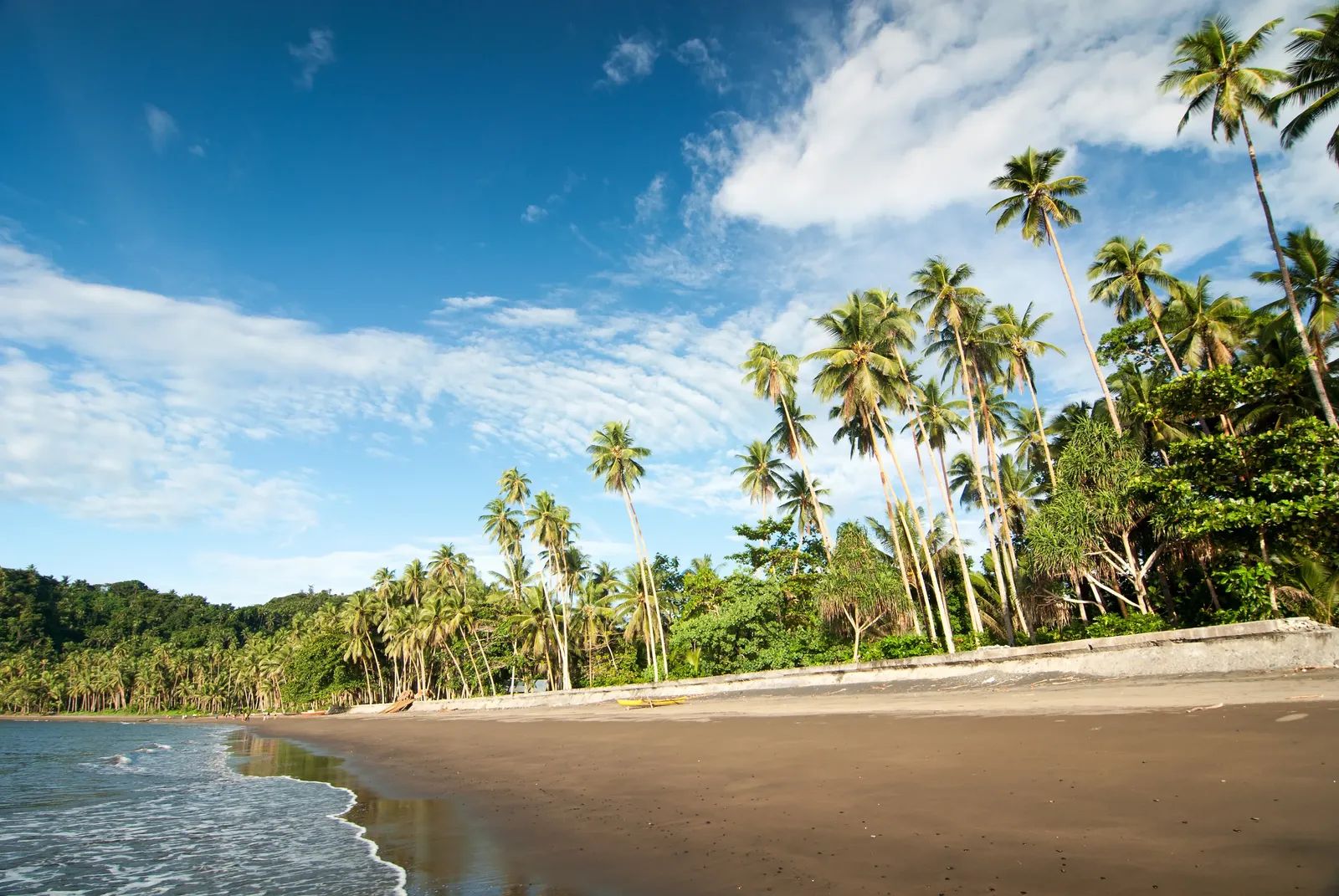
Untouched tropical beach with coconut palms along Halmahera coastline, representing the secluded paradise destinations accessible through Indonesian liveaboard expeditions - Picture by Jakare Liveaboard
Why Halmahera
Halmahera is the largest island in North Maluku Province and part of the original Spice Islands — cloves and nutmeg once made these waters some of the most contested on Earth. Today they hold some of the least-dived reefs in Indonesia.
The Halmahera ecoregion has the third highest coral diversity of any of the 141 ecoregions in the Indo-West Pacific, with 544 coral species recorded.⁵¹⁰ It sits within the broader Coral Triangle,³⁴ and its position at the convergence of the Halmahera Sea and the Molucca Sea creates the nutrient-rich currents that fuel the reef systems across Weda Bay, the Goraici Islands, the Patinti Strait, Bacan, and Morotai.
The endemic walking shark (H. halmahera) is the headline species, but the range is broader than that. Blacktip, whitetip, and grey reef sharks are regularly encountered across multiple sites. Hammerhead sharks pass through deep channels seasonally. Manta rays visit cleaning stations. Spinner dolphins and pilot whales appear in the deeper channels. Pulau Gurida (Tifure), sitting midway between Halmahera and North Sulawesi, regularly produces schooling barracuda in numbers that make it one of the most spectacular fish encounters in eastern Indonesia.
ประวัติศาสตร์สงครามโลกครั้งที่สองเพิ่มมิติใหม่ให้กับที่นี่โดยสิ้นเชิง โมโรไทเคยเป็นฐานปฏิบัติการของนายพลแมคอาเธอร์ในแปซิฟิก และซากปรักหักพัง — เครื่องบิน รถจี๊ป รถถัง — ตอนนี้นอนอยู่บนแนวปะการังที่ระดับความลึกสำหรับการดำน้ำพักผ่อน ปกคลุมไปด้วยปะการังและล้อมรอบด้วยฉลามแนวปะการัง⁷
นักดำน้ำส่วนใหญ่สัมผัสประสบการณ์ฮาลมาเฮราในฐานะส่วนหนึ่งของการเดินทางข้ามจากโซรองไปยังเอร์นาเต (หรือโซรองไปยังบิตุง) ซึ่งรวมถึงพื้นที่ทางตอนเหนือของราชาอัมพัตก่อนที่จะมุ่งหน้าสู่มาลูกูเหนือ นอกจากนี้ยังมีเส้นทางเฉพาะสำหรับฮาลมาเฮราตอนเหนือและโมโรไทที่ได้รับความนิยมเพิ่มขึ้นเรื่อยๆ ผู้ให้บริการบางรายมีเส้นทางจากสุลาเวสีเหนือไปยังฮาลมาเฮรา โดยเริ่มจากบิตุงและมุ่งหน้าไปทางตะวันออก พื้นที่มีจำกัดในทุกรูปแบบ — จองล่วงหน้า
ฤดูกาลที่ดีที่สุด
unknown nodeItineraries vary significantly. Sorong to Ternate crossings are the most common, covering Raja Ampat's northern areas before entering North Maluku. Some continue further to Bitung (North Sulawesi) via Pulau Gurida (Tifure). Operators also run the route in reverse, or run dedicated North Halmahera and Morotai itineraries that start and end in Ternate.
Domestic flights to Ternate are straightforward via Manado or Makassar, but schedules can shift. Coralbound works with VIFA Holiday, the leading DMC for Indonesia's diving industry, who handle domestic flight monitoring and rebooking throughout your journey.
Garuda Indonesia aircraft runway Indonesian domestic flights liveaboard transfers
Marine Life
The Halmahera Walking Shark
Hemiscyllium halmahera is endemic to North Maluku waters — the only epaulette shark species specific to this region.¹⁹ Described in 2013 from specimens collected near Ternate, it walks along the reef using its pectoral fins in search of small crustaceans and fish.² Non-migratory and nocturnal, it is most reliably encountered on night dives. Sites around Weda Bay are among the most consistent for encounters. Good guides who know the micro-habitats make a significant difference.
Pulau Gurida (Tifure) — The Pelagic Spectacle
Pulau Gurida (Tifure) sits in the open Molucca Sea, roughly halfway between Halmahera and North Sulawesi, and features on almost every crossing itinerary between the two. The site is defined by massive schools of barracuda — numbers that regularly reach into the hundreds — alongside big-eye trevally, fusiliers, and grey reef sharks. Mandarinfish perform their mating ritual at dusk. The combination of spectacular schooling fish and intimate macro encounters makes Pulau Gurida (Tifure) a consistent highlight on any Halmahera itinerary.
WWII Wrecks at Morotai
Morotai Island served as General MacArthur's Pacific base of operations during World War II.⁷ The waters hold Bristol Beaufort aircraft wrecks, jeeps, trucks, and tanks at recreational depths — now encrusted in coral and home to reef fish, sharks, and turtles. Reef shark encounters are possible on almost every Morotai dive. The wrecks sit alongside pristine reef systems, creating a destination that combines history with natural diving in a way few places in Indonesia can match.
ฉลามและสัตว์ทะเลขนาดใหญ่
ฉลามครีบดำ ฉลามครีบขาว และฉลามครีบเทา มักพบเห็นได้ทั่วไปตามแนวปะการังของฮาลมาเฮรา โดยเฉพาะในช่องแคบปาตินติ ที่เกาะกูริดา (ตีฟูเร) และรอบๆ โมโรไต⁹ ฉลามหัวค้อนจะผ่านช่องลึกตามฤดูกาล — ดู คู่มือฉลามหัวค้อนอินโดนีเซีย ของเราสำหรับบริบทฉบับเต็มของการดำน้ำกับฉลามหัวค้อนทั่วอินโดนีเซีย ปลากระเบนราหูจะแวะเวียนมาที่สถานีทำความสะอาดรอบๆ ยอดภูเขาไฟใต้น้ำ โลมาสปินเนอร์และวาฬนำร่องจะปรากฏตัวในช่องลึก โดยเฉพาะรอบๆ โมโรไตและเกาะกูริดา (ตีฟูเร) สำหรับภาพรวมทั้งหมดของการดำน้ำกับสัตว์ทะเลขนาดใหญ่ทั่วอินโดนีเซีย ดู คู่มือดำน้ำกับสัตว์ทะเลขนาดใหญ่ในอินโดนีเซีย ของเรา.
ปลาน้ำตื้นและสัตว์ขนาดเล็ก
แนวปะการังทั่วอ่าวเวดาและหมู่เกาะโกราอิจิ มีปะการังที่สมบูรณ์หนาแน่น พร้อมฝูงปลาสินสมุทร ปลากะพง ปลาผีเสื้อ และปลานกแก้วหัวโหนก พื้นผิวภูเขาไฟและอ่าวที่กำบังสร้างสภาพแวดล้อมที่เอื้อต่อสัตว์ขนาดเล็ก — ม้าน้ำแคระบนกัลปังหา ท่อหางม้า เปลือยหอยหลากหลายชนิด และปลาอึ่งอ่าง การดำน้ำกลางคืนทั่วหมู่เกาะจะเผยให้เห็นหมึกยักษ์ ปลาหมึก และสัตว์จำพวกกุ้งก้ามกราม ในสภาพแวดล้อมที่นักดำน้ำคนอื่นๆ แทบไม่พบเห็น สำหรับภาพรวมทั้งหมดของการดำน้ำกับสัตว์ขนาดเล็กทั่วอินโดนีเซีย ดู คู่มือดำน้ำกับสัตว์ขนาดเล็กในอินโดนีเซีย ของเรา.
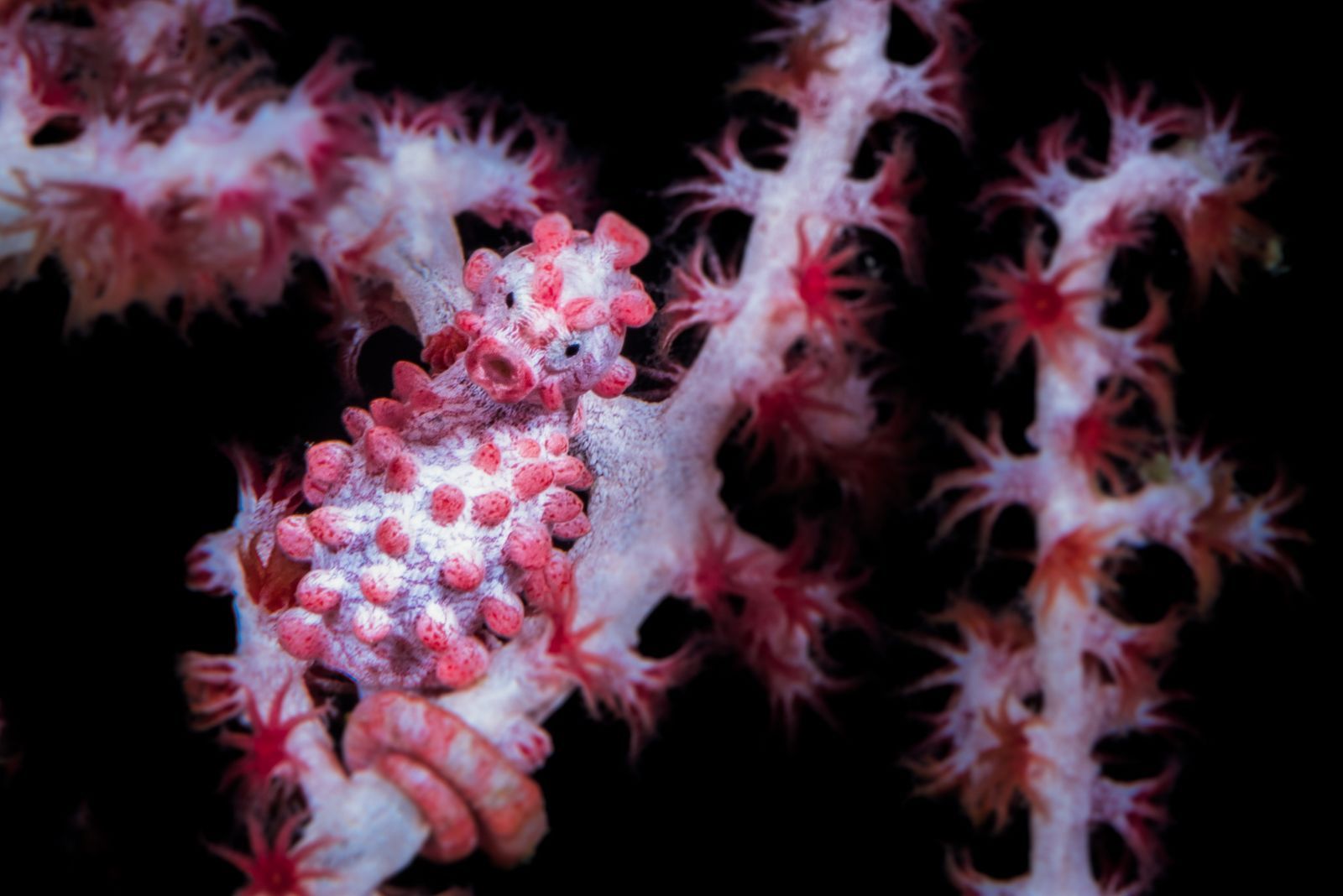
Pygmy seahorse camouflaged on soft coral in Indonesia - macro diving photography from liveaboard diving trip - Picture by Dewi Nusantara
กิจกรรมบนบก
มรดกของหมู่เกาะเครื่องเทศเป็นศูนย์กลางของนอร์ทมาลูกู เมืองเตอร์นาเตเคยเป็นศูนย์กลางการค้ากานพลูของโลกมานานหลายศตวรรษ — ป้อมปราการออเรนจ์และพระราชวังสุลต่านได้รับการอนุรักษ์ไว้อย่างดีและคุ้มค่าแก่การเยี่ยมชมในช่วงวันขึ้นหรือลงจากเรือ ภูเขาไฟกามาลามะตั้งตระหง่านอยู่เหนือเกาะเตอร์นาเตและมองเห็นได้จากทะเลเมื่อเข้าใกล้
ประวัติศาสตร์สงครามโลกครั้งที่สองของโมโรไตน่าสนใจทั้งบนบกและใต้น้ำ เกาะแห่งนี้เคยเป็นกองบัญชาการแปซิฟิกของมาร์แชลล์ และยังคงมีร่องรอยของยุคนั้น รวมถึงพิพิธภัณฑ์ขนาดเล็ก การผสมผสานระหว่างการดำน้ำตามแนวปะการัง การดำน้ำซากเรือ และประวัติศาสตร์สงครามแปซิฟิกเป็นสิ่งที่หาได้ยากในอินโดนีเซีย
สำหรับการขยายการเดินทาง ดู คู่มือการขยายการเดินทางแบบ Liveaboard ในอินโดนีเซีย ของเรา ฮาลมาเฮราเชื่อมต่อกับสุลาเวสีเหนือตามธรรมชาติ — เลมเบห์และบูนากัน — สำหรับเส้นทางที่กว้างขึ้นในอินโดนีเซียตอนเหนือ
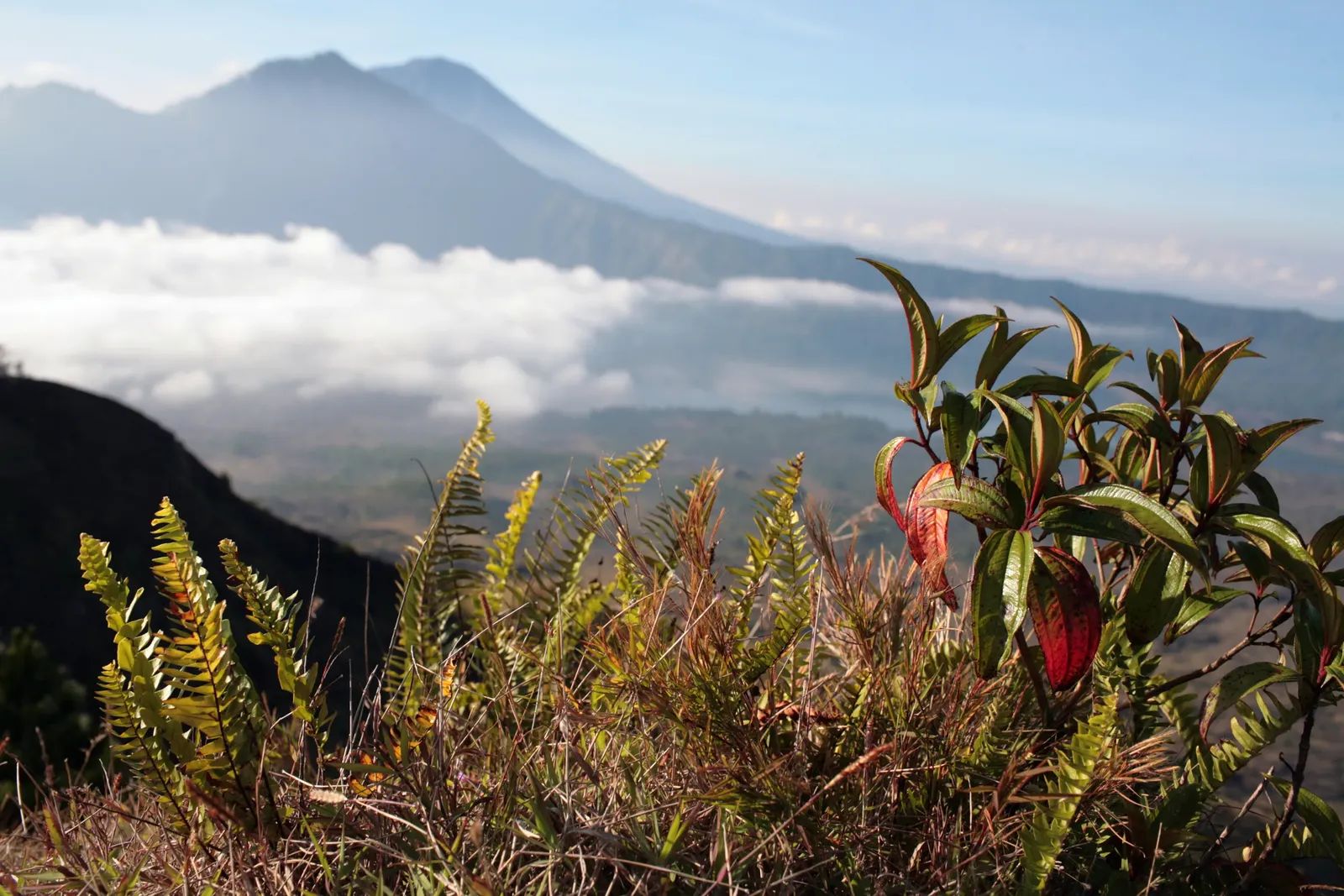
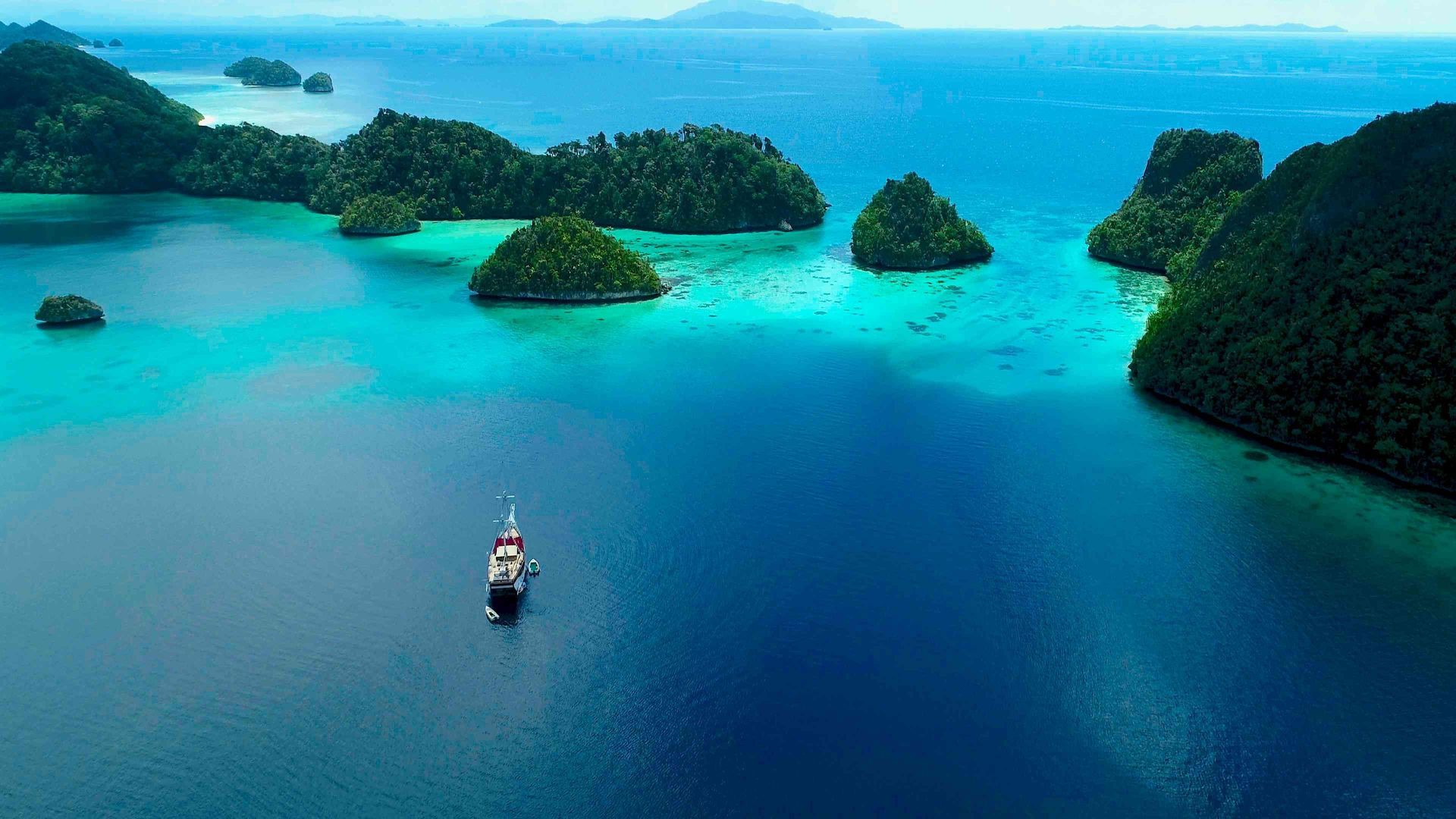
Lush tropical vegetation and volcanic mountains of Halmahera Island, Indonesia, showcasing the pristine natural landscape accessible on diving liveaboard expeditions - Picture by Jakare Liveaboard
Managing Expectations
Halmahera is a frontier destination. Some dive sites have no established names. Not every area is well-documented and the diving varies in character from the mature, polished Raja Ampat circuit. That's part of the appeal — but it also means conditions are less predictable and the experience depends more heavily on operator knowledge of the specific region.
Currents vary significantly by site. The Patinti Strait generates strong surges that require drift-diving experience. Most operators recommend Advanced Open Water minimum, and real current experience matters at the stronger sites.
The walking shark is encountered reliably on night dives by operators who know the right micro-habitats. It's shy, slow-moving, and rewards patient observation from a respectful distance. Allow time across multiple night dives rather than expecting a single guaranteed encounter.
Medical resources in North Maluku are limited. The nearest hospital with meaningful capacity is in Ternate. Dive insurance with emergency evacuation is not optional. Travel insurance is strongly recommended — Halmahera trips are not inexpensive and deposits are non-refundable.
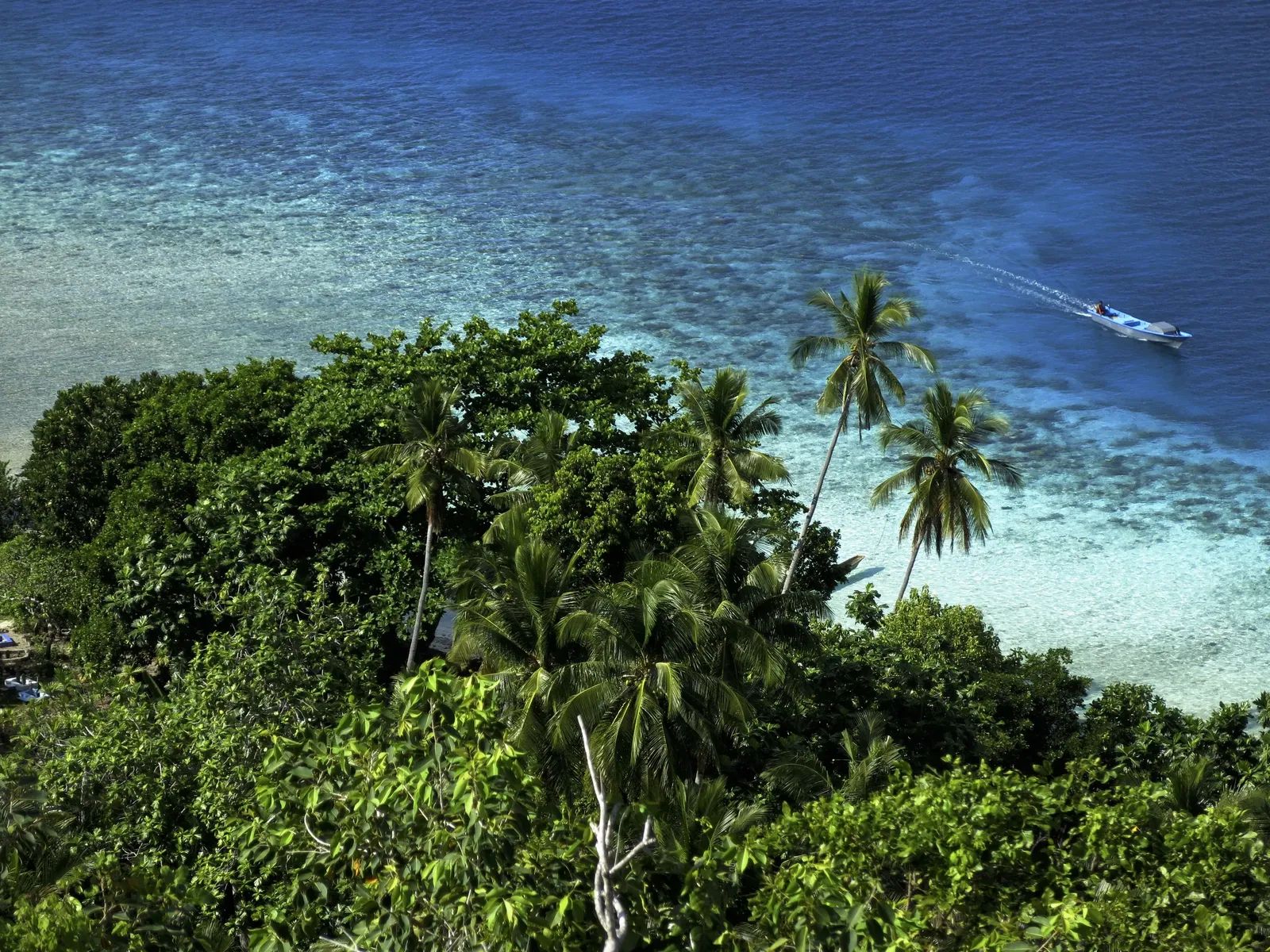
Aerial view of pristine tropical island with palm trees and coral reef shallows in Halmahera, showcasing remote diving destinations reached by liveaboard charters - Picture by Jakare Liveaboard
FAQ
Is Halmahera suitable for beginner divers?
Yes, although most operators recommend Advanced Open Water for good reasons — variable currents, remote location, and limited emergency support. Some sites around Weda Bay and Ternate are calmer and well-suited to confident Open Water divers. Check operator requirements before booking.
How does Halmahera compare to Banda Sea or Raja Ampat?
Different in character from both. Raja Ampat has the highest documented biodiversity and the most operators. Banda Sea is defined by hammerheads and open-water crossings. Halmahera offers the endemic walking shark, WWII history at Morotai, the schooling spectacle at Pulau Gurida (Tifure), and a frontier feel that the established destinations no longer provide. See our Banda Sea guide and Raja Ampat guide for comparison.
Can I combine Halmahera with other destinations?
Yes — most divers experience it as a combination. The most common routes are Raja Ampat to Halmahera (Sorong to Ternate), and North Sulawesi to Halmahera (Bitung to Ternate or the reverse), with Pulau Gurida (Tifure)featuring on both. Dedicated North Halmahera and Morotai itineraries are also available. Reach out via WhatsApp to discuss current departures and routing options.
What is Pulau Gurida (Tifure) and why does everyone mention it?
Pulau Gurida (Tifure) is a small island in the open Molucca Sea between Halmahera and North Sulawesi. It features on almost every crossing itinerary between the two because of the exceptional schooling fish encounters — barracuda schools of extraordinary size, reef sharks, big-eye trevally, and mandarinfish at dusk. It's a consistent highlight even on trips where the wider Halmahera diving is variable.
Do I need special equipment for Halmahera?
Reef hook for current sites like the Patinti Strait. Surface marker buoy mandatory. A 3mm wetsuit is adequate. Underwater torch for night dives — essential if the walking shark is a priority. Macro photography gear is recommended given the critter diversity. For a full gear list, see our Indonesia liveaboard packing guide.
Are the WWII wrecks accessible to recreational divers?
The main Morotai aircraft wrecks sit at varying depths — some are accessible to Advanced divers, others require more experience or sit deeper. Coral growth on the wrecks makes them rewarding even if the historical interest isn't your primary motivation. Your operator will brief specific site requirements.
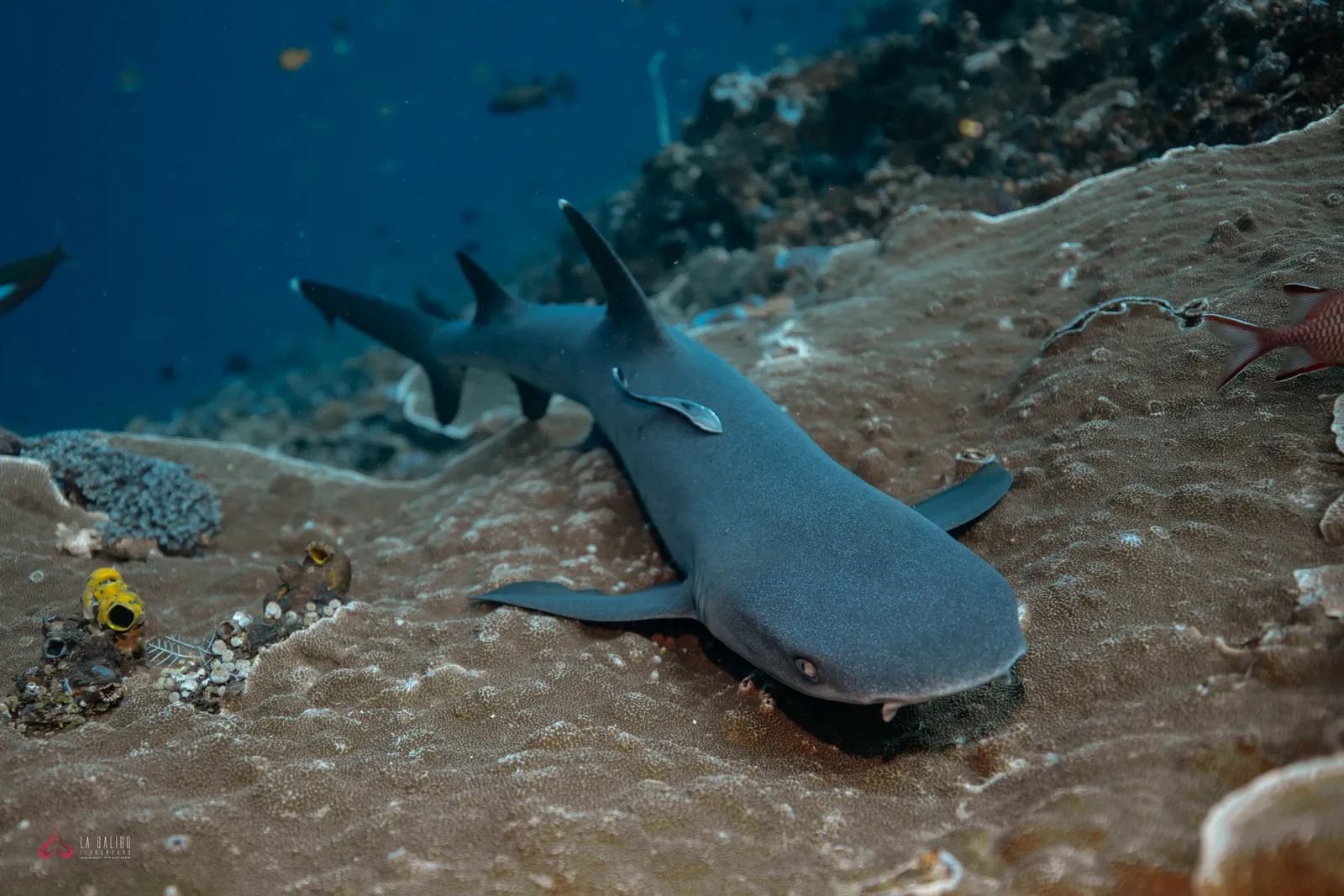
White tip reef shark resting on coral reef during Indonesia liveaboard diving expedition - Picture by La Galigo Liveaboard
Book Your Halmahera Trip
We're a Bali-based platform run by divers who know North Maluku well. You'll pay the same price booking through us as booking direct — operators maintain price parity across all channels. Every booking through Coralbound includes a booking gift — including the option of a complimentary hotel night — and you get real support on top: domestic flight coordination through VIFA Holiday and a team that understands what remote eastern Indonesia expeditions actually involve.
Questions before you book? Message us on WhatsApp or reach us via our contact form. Want to know more about how we work? Read our why book with Coralbound page.