Bali ist der Ausgangs- und Endpunkt für die meisten Tauchreisen nach Indonesien – und es behauptet seinen Platz als Reiseziel für sich. Die USAT Liberty bei Tulamben ist eines der am leichtesten zugänglichen Wracks aus dem Zweiten Weltkrieg weltweit. Das Meeresschutzgebiet Nusa Penida beherbergt eine ganzjährig ansässige Mantarochenpopulation und ist im südlichen Winter weltweit bedeutend für Begegnungen mit Mondfischen. Eine kleine Anzahl von Anbietern nutzt Bali als Ausgangspunkt für Routen nach Komodo und Sumbawa, was bedeutet, dass Sie landbasiertes Tauchen mit einem Liveaboard ohne Inlandsflug kombinieren können.
Dieser Leitfaden behandelt Balis wichtigste Tauchplätze, die von hier aus startenden Liveaboard-Routen und was Sie über und unter Wasser erwartet. Er ist Teil unseres vollständigen Liveaboard-Leitfadens für Indonesien – dem zentralen Knotenpunkt für Tauchziele in Indonesien.
Schnelle Fakten über das Tauchen auf Bali
- Beste Jahreszeit: April–Oktober (Trockenzeit, beste Sicht)
- Mondfisch-Saison: Juli–Oktober bei Nusa Penida (Höhepunkt August–September)¹
- Mantarochen: Ganzjährig ansässige Population im MPA Nusa Penida²
- Korallenarten: 296 Arten im MPA Nusa Penida⁵; 76 % aller Korallenarten im Korallendreieck⁷
- Fischarten: 576 Arten im MPA Nusa Penida⁵
- Wassertemperatur: 26–29 °C; fällt bei Nusa Penida während des Auftriebs auf 13–17 °C¹
- Sichtweite: 15–30 m; stark abhängig vom Standort
- Erfahrungsstufe: Alle Stufen; Standortwahl wichtig
- Nächster Flughafen: Denpasar (DPS) – Indonesiens wichtigstes internationales Tor
- Wichtigste Meereslebewesen: Riff-Mantarochen, Mondfische, Riffhaie, Makro, Wrack der USAT Liberty
- Buchungszeitraum: 2–4 Wochen für Tagesausflüge; 6–12 Monate für Liveaboard-Hauptsaison
Schnelle Antworten
Ist Bali ein gutes Tauchziel?
Ja. Die USAT Liberty ist ein erstklassiges, gut zugängliches Wrack. Die ansässige Mantarochenpopulation von Nusa Penida und die saisonalen Mondfische machen es zu einem der bedeutendsten Gebiete für Großfisch-Tauchgänge in Indonesien. Die Insel Menjangan bietet einige der klarsten und fotogensten Riff-Tauchgänge Balis. Die Bedingungen erreichen nicht den Wildnischarakter von Raja Ampat oder der Banda-See, aber das Tauchen ist wirklich stark – und Bali bietet eine kulturelle Tiefe, die kein abgelegenes Liveaboard-Ziel bieten kann.
Wann ist die beste Zeit zum Tauchen auf Bali?
April bis Oktober bietet die besten Gesamtbedingungen – Trockenzeit, ruhigere See und klareres Wasser. Mondfische bei Nusa Penida sind an den kalten Auftrieb des Indischen Ozeans gebunden: Juli bis Oktober, wobei August und September die zuverlässigsten Monate sind.¹ Mantarochen sind das ganze Jahr über präsent, wobei die Aktivität an den Putzerstationen im Mai ihren Höhepunkt erreicht.² Die Liberty und die Tauchplätze an der Nordostküste sind ganzjährig betauchbar. Für das vollständige saisonale Bild siehe unseren Leitfaden zu Wetter- und Tauchsaisons in Indonesien.
Fahren Liveaboards von Bali ab?
Einige schon. Eine Handvoll Betreiber nutzen die Häfen Serangan oder Benoa als Ausgangspunkte für Routen nach Osten – typischerweise über die Riffe von Sumbawa, den Komodo-Nationalpark und manchmal auf dem Weg dorthin die Nusa-Inseln. Es ist kein großer Abfahrtshafen, aber wenn Sie bereits auf Bali sind, erleichtert dies die Logistik. Details zu den Routen finden Sie im Abschnitt Liveaboard unten.
Was ist das USAT Liberty Wrack?
Die USAT Liberty war ein amerikanisches Frachtschiff, das am 11. Januar 1942 im Lombok-Straße von einem japanischen U-Boot, der I-66, torpediert wurde.³ Stark beschädigt wurde sie an der Küste von Tulamben an Balis Nordostküste gestrandet. 1963 drückten Erdbeben der Eruption des Vulkans Agung sie vom Strand und sie sank in flaches Wasser.⁴ Sie liegt nun in 5–30 m Tiefe, nur 40 Meter vom Ufer entfernt, für alle Zertifizierungsstufen direkt vom Strand aus zugänglich.
Können Anfänger auf Bali tauchen?
Ja, obwohl die Auswahl des Tauchplatzes wichtig ist. Die flacheren Abschnitte der Liberty, die Jemeluk-Bucht in Amed und die ruhigen Gärten von Menjangan sind gut für neue Taucher geeignet. Die Mantarochen-Tauchplätze von Nusa Penida sind für die meisten Taucher machbar – die Strömungstauchgänge sind in der Regel einseitig mit Abholung durch ein Boot. An einigen Tauchplätzen auf Penida, insbesondere in der Ceningan-Straße und der Crystal Bay, kann die Strömung stark sein, aber die Guides lesen die Bedingungen und passen sich entsprechend an. Mola mola in der Crystal Bay benötigen ruhige Strömungen – die Fische brauchen sanftes Wasser, damit die Putzerfische arbeiten können, daher ist der Tauchplatz normalerweise tauchbar, wenn sie vorhanden sind. Manta Point kann während des südlichen Winters rau und kalt sein.
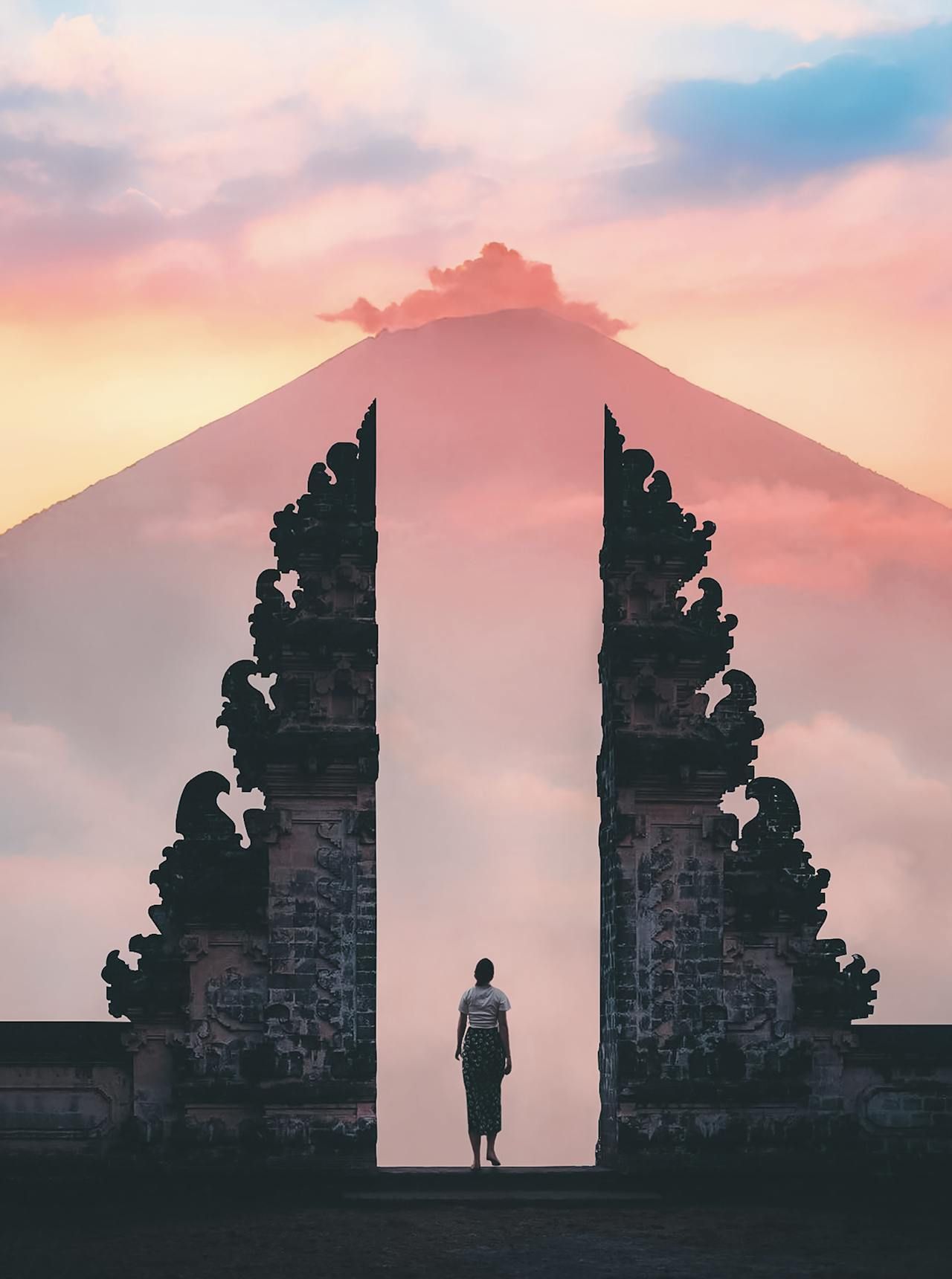
Lempuyang Gate of Heaven temple Bali sunrise Indonesia liveaboard cultural excursion
Balis Tauchregionen
Tulamben und Amed – Nordostküste
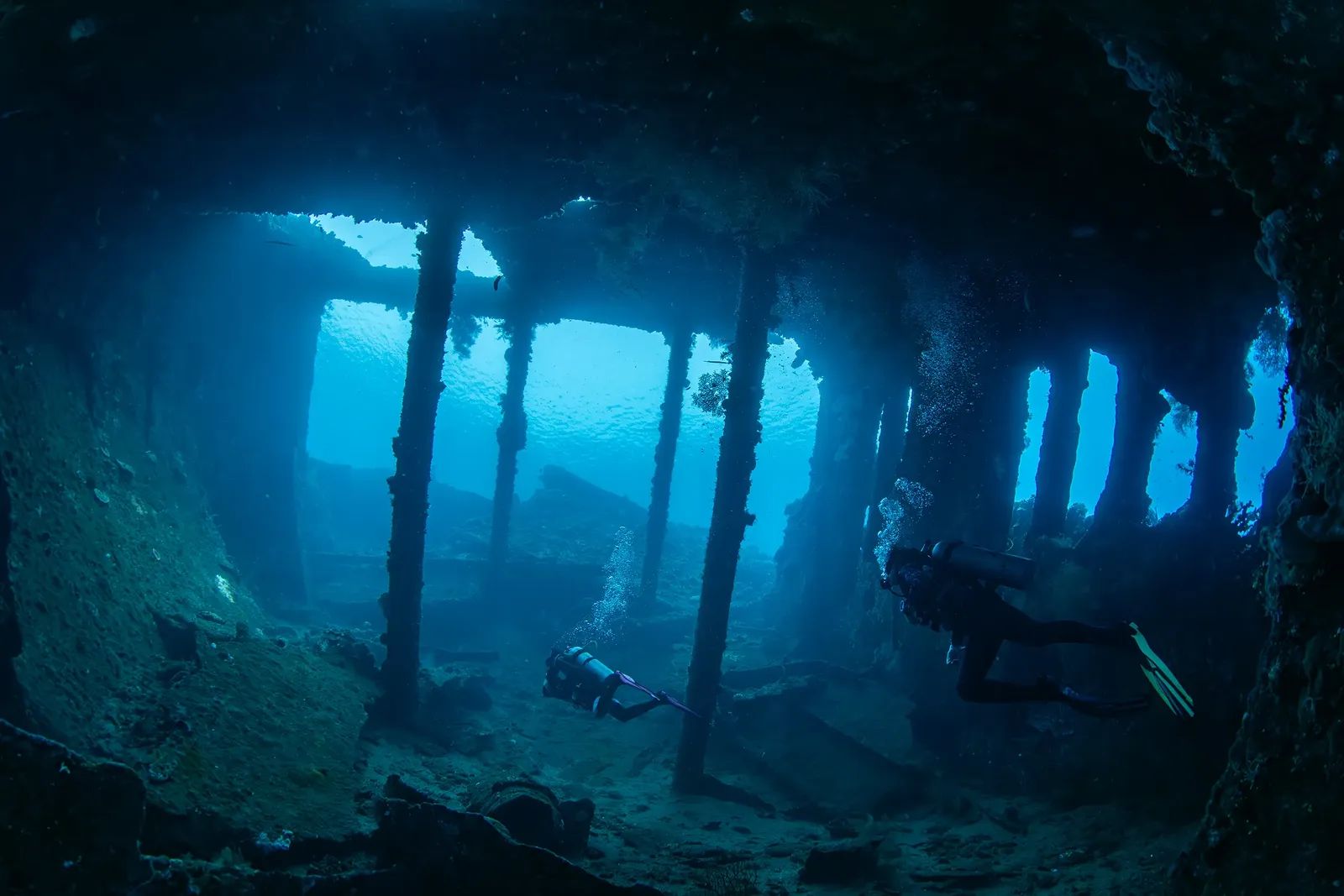
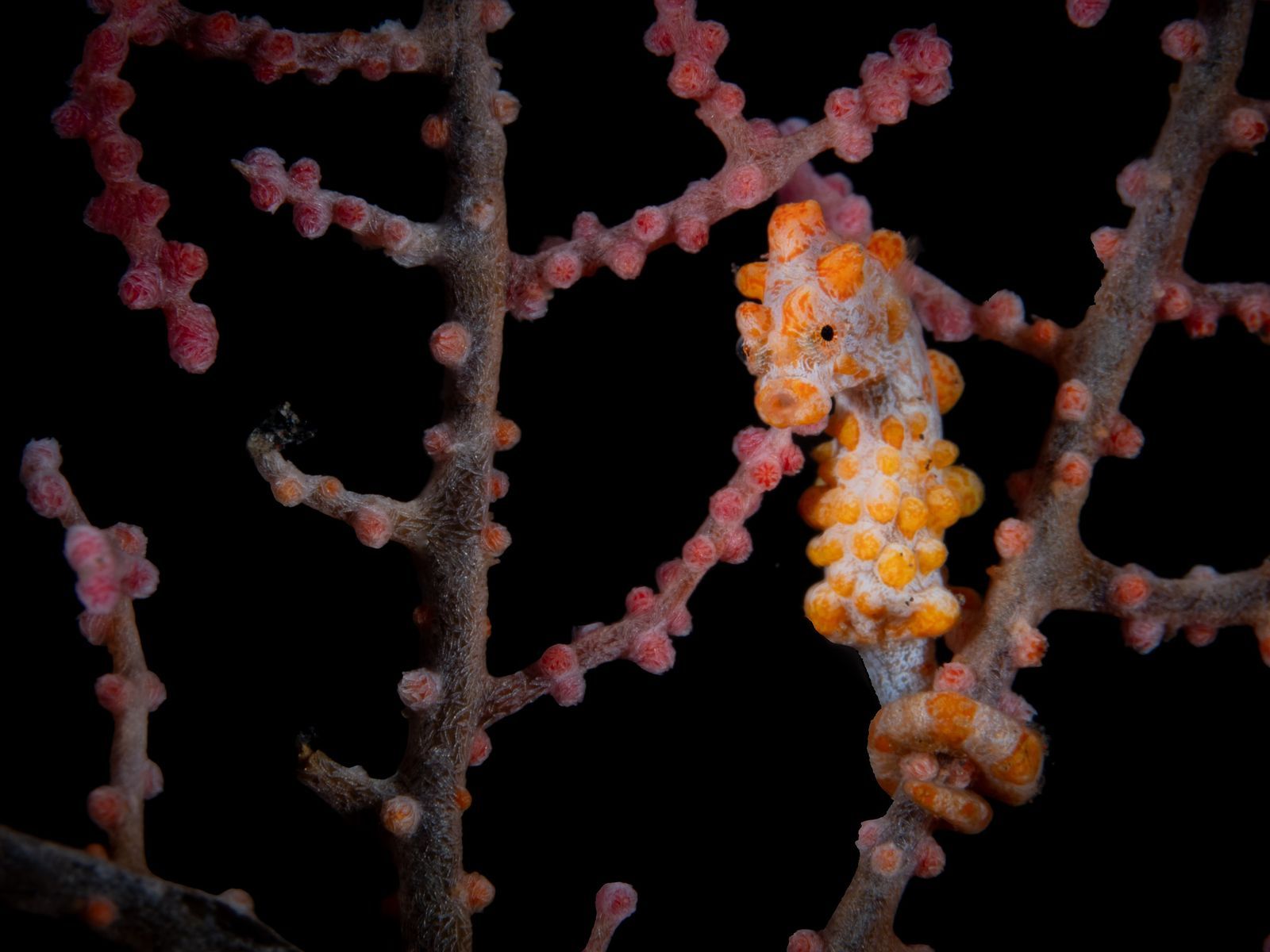
Die Nordostküste ist der Ort, an dem die meisten besuchenden Taucher den Großteil ihrer Zeit verbringen. Die USAT Liberty in Tulamben ist der Ankerpunkt der Region – ein 120 Meter langes Wrack in 5–30 m Tiefe mit direktem Zugang vom schwarzen Kiesstrand. Der flachere Aufbau eignet sich für Anfänger; tiefere Abschnitte und Rumpfdurchdringungen für fortgeschrittene Taucher. Die Unterwasserwelt ist dicht: Schwärme von Makrelen, Schildkröten, die sich auf dem Deck ausruhen, Pygmäen-Seepferdchen auf Fächerkorallen, Nacktschnecken in jeder Ritze. Die Morgendämmerung ist es wert, den Wecker zu stellen – am frühen Morgen ist das Licht am besten und die wenigsten Taucher unterwegs, und große Schwarmfische sind am aktivsten, bevor die Sonne hoch steht. Der angrenzende Korallengarten und der Steilhang bieten an demselben Tag starke zusätzliche Tauchgänge.³
Amed, eine kurze Fahrt nach Osten, bietet Abwechslung in Riff-, Wand- und Muck-Umgebungen. Die Jemeluk-Bucht ist ruhig und für Anfänger geeignet, mit regelmäßigen Schildkrötensichtungen im Seegras. Der Pyramiden-Tauchplatz zieht Schwärme von Fischen um künstliche Strukturen an. Die starke Makrofauna in der gesamten Region macht Amed zu einer guten Basis für Fotografen. Die traditionellen Salzbauern-Dörfer und bunten Jukung-Fischerboote verleihen den Oberflächenpausen mehr Charakter als den meisten Tauchorten.
Nusa Penida — Mantas, Mola Mola und großes Wasser
Nusa Penida liegt 18 km südöstlich der Hauptinsel. Sie liegt im Korallendreieck — wo 76 % der weltweiten Korallenarten vorkommen⁷⁸ — und das 2010 ausgewiesene Meeresschutzgebiet Nusa Penida umfasst 20.057 Hektar mit 576 Fischarten und 296 Korallenarten.⁵
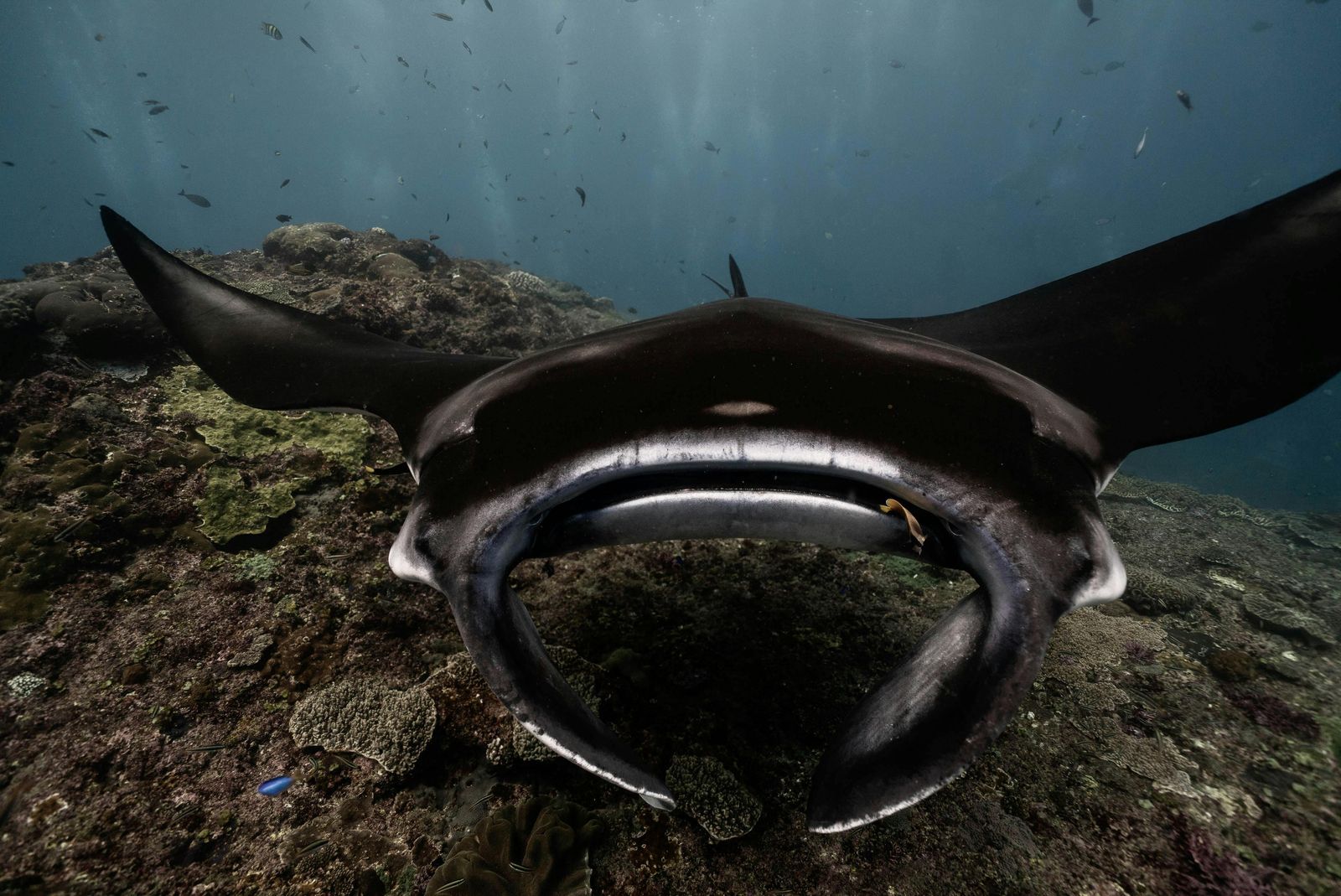
Riffmantas (Mobula alfredi) sind das ganze Jahr über an den Reinigungsstationen an der Südküste anzutreffen. Eine Studie identifizierte 624 einzelne Riffmantas aus 5.913 Sichtungen über sechs Jahre in Manta Bay und Manta Point.² Dies sind hauptsächlich Jungtiere und Halbwüchsige — ein anderer Charakter als die großen gemischten Altersgruppen in Komodo oder Raja Ampat. Zum Tauchen mit Mantarochen in ganz Indonesien siehe unseren Indonesien Manta-Guide.
Mola mola (Mola alexandrini) erscheinen von Juli bis Oktober, wenn Kaltwasserauftrieb im Indischen Ozean die Temperaturen an der Südküste stark absinken lässt.¹ Crystal Bay ist der Hauptbeobachtungsort, mit Sichtungen in 18–40 m Tiefe. Sie kommen nur, wenn die Bedingungen stimmen — der Ort benötigt sanfte Strömung für die Putzerfische und starker Auftrieb ist es, der die Mola anlockt. Die Spitzenmonate sind August und September. Siehe unseren Indonesien Big Animal Tauchführer für Kontext.
Die Nordseiten von Penida und Lembongan bieten Strömungstauchgänge entlang von strömungsreichen Wänden mit Schwärmen von Barrakudas, Füsiliers und Riffhaien. Dies sind Einwegtauchgänge mit Bootsabholung — für die meisten Taucher machbar, wenn die Guides die Bedingungen gut einschätzen.
Menjangan Island — Nordwest-Bali
Menjangan Island liegt im West Bali Nationalpark in ruhigem, klarem Wasser. Wände fallen vertikal durch massive Seefächer und Fassschwämme mit minimaler Strömung ab. Die Sichtweite erreicht regelmäßig 25–30 m — die beste auf Bali. Die flachen Korallengärten in 5–15 m Tiefe eignen sich für Schnorchler und Anfänger. Ein entspannter, fotogener Tauchgang, der einen guten Kontrast zu den stärkeren Bedingungen auf Nusa Penida bildet. Es ist ein ganztägiger Ausflug von Süd- oder Ostbali, daher eignet er sich am besten, wenn Sie im Nordwesten übernachten.
Candidasa und Padang Bai — Ost-Bali
Candidasa bietet Offshore-Inselstandorte mit starker Hartkorallendiversität und gelegentlichen Mola-Mola-Sichtungen während der Auftriebssaison. Die Strömungen können erheblich sein und die Bedingungen eignen sich für erfahrene Taucher. Padang Bai bietet ruhigere Standorte mit regelmäßigen Schildkrötensichtungen und ist ein Ausgangspunkt für Schnellboottransfers nach Nusa Penida und Lombok.
Liveaboards, die von Bali abfahren
Bali ist kein dedizierter Liveaboard-Abfahrtshafen – die meisten indonesischen Routen starten von Sorong, Labuan Bajo oder Ambon. Aber eine kleine Anzahl von Betreibern fährt Routen von Serangan oder dem Hafen von Benoa aus nach Osten, und für Taucher, die bereits auf Bali sind, ist die Bequemlichkeit real: kein Inlandsflug, kein zusätzlicher Transfertag.
Die meisten dieser Routen führen nach Osten in Richtung Komodo und decken dabei die Riffe von Sumbawa ab. Die Boote fahren normalerweise morgens ab und erreichen die Gewässer von Sumbawa am Abend oder am frühen Morgen des nächsten Tages. Einige legen an den Nusa-Inseln für einen Check-Dive oder Schnorchelgang am ersten Tag an, bevor sie nach Lombok und weiterfahren. Zu den üblichen Stopps entlang der Route gehören Moyo Island, der Kratersee Satonda, die Saleh Bay – wo von August bis September Walhaie an Bagans gesichtet werden – und der Vulkan Sangeang, bevor Komodo erreicht wird. Die Rückroute spiegelt oft die umgekehrte Richtung wider und endet wieder in Bali. Die Dauer beträgt in der Regel 10–14 Tage für die gesamte Runde.
Dies macht ein Liveaboard mit Abfahrt von Bali zu einer natürlichen Wahl für Taucher, die vor oder nach der Reise zusätzliche Landtauchgänge an der Liberty oder Nusa Penida machen möchten, ohne irgendwohin fliegen zu müssen. Die Plätze auf diesen Routen ab Bali sind begrenzt – weniger Betreiber bieten sie an als Abfahrten von Labuan Bajo nach Komodo. Sehen Sie sich unseren Komodo-Guide an, um zu erfahren, was der Park zu bieten hat.
Manta ray closeup facing camera during Indonesia liveaboard diving showing detailed manta ray features and markings
Die USAT Liberty
Am 11. Januar 1942 wurde die Liberty in der Lombokstraße torpediert, während sie Eisenbahnteile und Gummi nach auf die Philippinen transportierte. Sie wurde von der USS Paul Jones und dem niederländischen Zerstörer Van Ghent in Richtung Singaraja geschleppt, nahm aber zu viel Wasser auf und wurde in Tulamben an Land gesetzt, um ihre Ladung zu retten.³ Sie lag 21 Jahre am Strand, bis 1963 der Vulkan Agung ausbrach – Erschütterungen ließen sie vom Sand ins Meer gleiten.⁴
Sie liegt nun gespalten in zwei Teile auf einem schwarzen Sandhang in 5–30 m Tiefe, vierzig Meter vom Ufer entfernt. Jahrzehntelanges Korallenwachstum hat den Stahlrumpf in eine andere Art von Riff verwandelt – Hartkorallen bedecken den Aufbau, Weichkorallen die tieferen Abschnitte, Nacktschnecken und Anglerfische in den Spalten. Der Landeinstieg bedeutet, dass mehrere Tauchgänge pro Tag problemlos möglich sind. Nachttauchgänge enthüllen jagende Füsiliere, Sepien und Papageienfische in Schleimkokons. Kommen Sie vor 6 Uhr morgens an, um das Wrack weitgehend für sich zu haben.
Picture of divers in cargo hold at the USAT Liberty in Tulamben Bali for land-based diving safari in Indonesia - Picture by Neptune Liveaboards
Kultur, die einen Aufenthalt wert ist
Balis hinduistische Kultur ist kein Hintergrund – sie ist ein eigenständiger Grund, hierher zu kommen. Die Reisterrassenlandschaft und die Tempeltraditionen der Insel wurden 2012 zum UNESCO-Weltkulturerbe erklärt.⁶ Das über tausend Jahre entwickelte Bewässerungssystem Subak schafft die terrassierten Felder, die das Landesinnere prägen. Zeremonien finden in Dorfhain und an Tempeltoren statt, als Teil des täglichen Lebens, nicht als Aufführung.
Die praktische Realität: Balis Straßen sind eng, die Insel ist bergig und der Verkehr im Süden rund um Seminyak, Kuta und Ubud kann langsam sein. Die Fahrt von einem Kamm zum nächsten durch kleine Täler dauert länger, als die Karte vermuten lässt. Der beste Ansatz ist, Ihre Unterkunft auf das auszurichten, was Sie tun möchten – übernachten Sie in Amed oder Tulamben zum Tauchen im Nordosten, machen Sie es sich auf Nusa Lembongan für den Zugang zu Penida gemütlich oder wählen Sie die Nordwestküste für Menjangan – und erkunden Sie kulturelle Stätten in dieser Region, anstatt zu versuchen, die ganze Insel zu bereisen. Dennoch ist Bali für Gruppen, in denen nicht jeder taucht, das am einfachsten zu handhabende indonesische Reiseziel: Der Nicht-Taucher hat immer etwas lohnenswertes in der Nähe.
Rare Yellow Pigmy Seahorse sitting in a Coral Sea Fan - Liveaboard Indonesia - Picture by Leon Lemke
Erwartungen managen
Die beliebtesten Manta- und Mondfisch-Spots von Nusa Penida sind stark besucht – besonders Manta Point an Wochenenden in der Hochsaison, wo neben Tauchern auch viele Schnorcheltourenboote zu sehen sind. Manta Point kann während der südlichen Wintermonate auch strömungsreich und kalt sein. Die Südküste Balis im Allgemeinen und Ubud gehören zu den meistbesuchten Gebieten Balis. Berücksichtigen Sie die Reisezeit bei jedem Plan – Entfernungen sehen auf einer Karte kurz aus, aber Verkehr und Berglandschaft verlängern die Zeit.
Die Sicht variiert je nach Standort erheblich. Menjangan und die Außenriffe von Nusa Penida bieten die klarsten Bedingungen. Standorte an der Nordostküste sind oft von Flusswasserläufen betroffen – 10–20 m sind typisch. Erwarten Sie nicht die Sicht des offenen Wassers des Banda-Meeres oder der Cenderawasih-Bucht.
Mondfische benötigen kalte Auftriebsbedingungen – wenn das Wasser wärmer wird, kommen sie nicht hoch. Juli bis Oktober bietet die beste Wahrscheinlichkeit, aber es ist nicht von Tag zu Tag vorhersagbar. Planen Sie mehrere Tauchgänge auf Nusa Penida über mehrere Tage ein, wenn Mondfische Priorität haben.
Manta-Begegnungen sind das ganze Jahr über konsistenter, variieren aber mit den Gezeitenzyklen. Morgentauchgänge bei auflaufendem Wasser am Manta Point liefern die besten Ergebnisse.
Liveaboards von Bali nach Komodo beinhalten echte Seereisen durch die Lombok- und Sape-Straße. Die Bedingungen sind nicht immer ruhig, besonders während des südöstlichen Monsuns. Dies ist Teil des Erlebnisses – kein Problem, aber gut zu wissen, bevor Sie an Bord gehen.
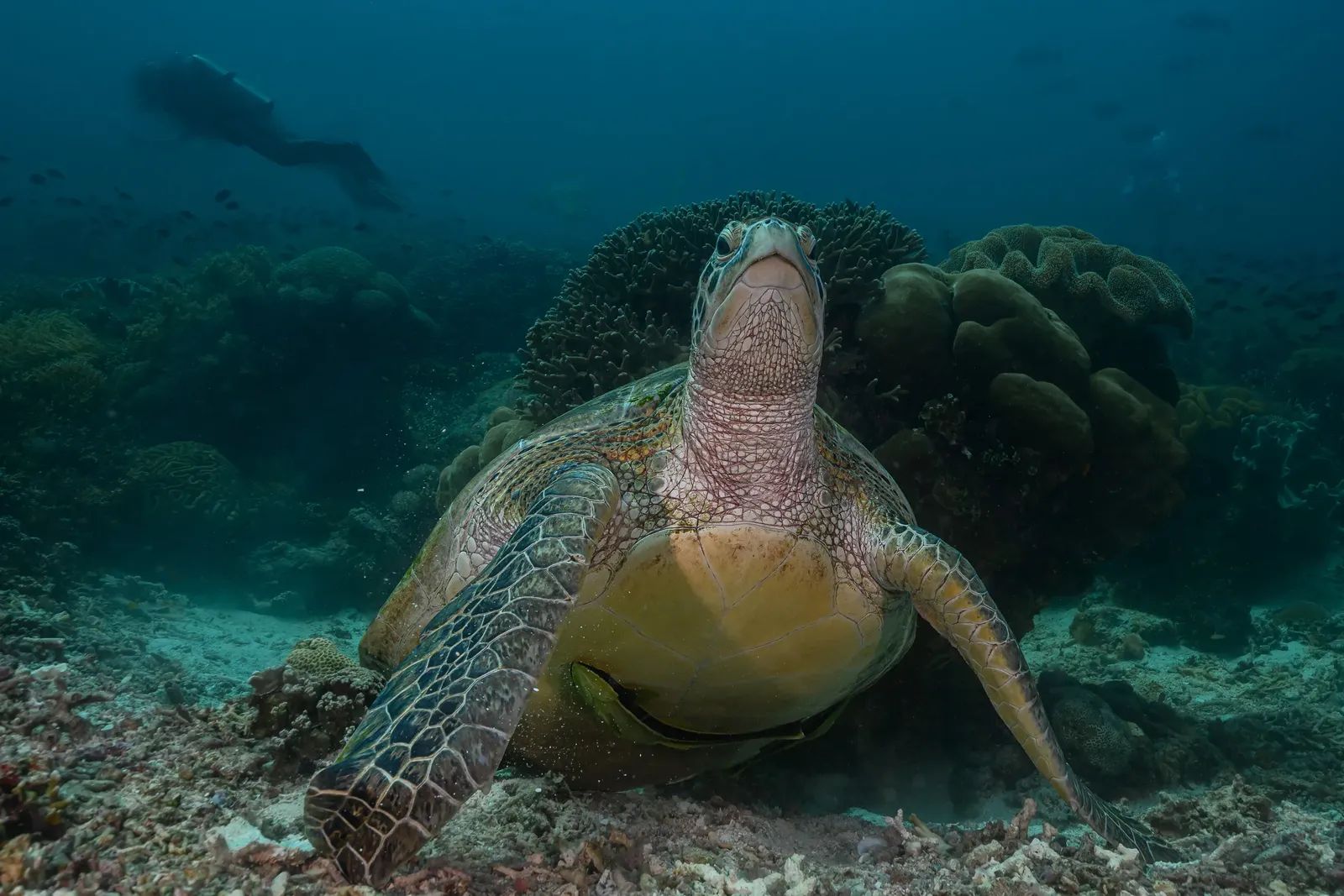
Green sea turtle facing camera with detailed shell and facial patterns on coral reef in Raja Ampat marine sanctuary - Picture by Neptune Liveaboards
FAQ
Ist Bali für Anfänger geeignet?
Ja, obwohl die Wahl des Tauchplatzes wichtig ist. Die flacheren Abschnitte der Liberty, die Jemeluk-Bucht in Amed und die ruhigen Gärten von Menjangan sind alle ausgezeichnet für neue Taucher. Die meisten Tauchplätze von Nusa Penida sind gut zu bewältigen – Guides beurteilen die Strömung, bevor sie sich für einen Platz entscheiden, und passen den Plan an, wenn die Bedingungen für die Gruppe nicht geeignet sind. Crystal Bay für Mola Mola und einige tiefere Wandtauchgänge eignen sich am besten für fortgeschrittene Taucher.
Wie komme ich von Bali zu anderen indonesischen Liveaboard-Destinationen?
Komodo-Routen können direkt von Bali per Liveaboard abfahren. Raja Ampat und Papua-Routen starten von Sorong – erreichbar von Bali über Jakarta oder Makassar. Banda-See-Routen starten typischerweise von Ambon oder Bali, je nach Betreiber. Coralbound arbeitet mit VIFA Holiday, dem führenden DMC für Indonesiens Tauchindustrie, für die Überwachung und Umbuchung von Inlandsflügen bei allen Verbindungen.
Was ist das Nusa Penida Meeresschutzgebiet?
Das Nusa Penida MPA wurde 2010 ausgewiesen und umfasst 20.057 Hektar rund um Nusa Penida, Nusa Lembongan und Nusa Ceningan.⁵ Es schützt Lebensräume von residenten Mantarochen und Mola Mola, 576 Fischarten und 296 Korallenarten. Zerstörerische Fischfangmethoden sind verboten. Das MPA wird in Zusammenarbeit mit dem Coral Triangle Centre und lokalen Gemeinschaften verwaltet.
Was ist der Unterschied zwischen Tauchen in Bali und einem Komodo Liveaboard?
Unterschiedlich in Charakter und Umfang. Bali bietet zugängliche, gut erschlossene Tauchplätze mit komfortabler Infrastruktur und kultureller Tiefe. Komodo ist eine Nationalparkumgebung – stärkere Strömungen, konzentrierte pelagische Aktivität und ein echtes geschütztes Wildnischarakter. Viele Taucher kombinieren beides: ein paar Tage auf der Liberty und Nusa Penida, dann ein Komodo Liveaboard ab Bali, und kehren zurück, um sich in einem Tulamben Resort zu besprechen. Sehen Sie unseren Komodo-Guide für das vollständige Bild.
Was sollte ich für Tauchgänge in Bali einpacken?
Ein 3-mm-Neoprenanzug ist für die meisten Tauchgänge auf Bali ausreichend. Bringen Sie einen 5-mm-Anzug mit oder tragen Sie eine Haube für Nusa Penida während der Mola-mola-Saison — Auftriebsströmungen senken die Temperaturen in der Tiefe stark ab, und Manta Point kann kalt sein. Riffverträgliche Sonnencreme für Bootsausflüge. Geschlossene Schuhe für Tempelbesuche und Vulkanwanderungen. Die meiste Ausrüstung kann bei qualitativ hochwertigen Tauchzentren gemietet werden, persönliche Atemregler und Tauchcomputer werden jedoch empfohlen. Eine vollständige Liste finden Sie in unserem Packliste für Indonesien-Liveaboards.
Wie fügt sich Bali in ein umfassenderes Indonesien-Tauchreise-Itinerar ein?
Die meisten internationalen Taucher fliegen über Denpasar (DPS), was Bali zu einem natürlichen Start- oder Endpunkt macht. Ein gängiges Muster: Ankunft auf Bali, drei oder vier Tage an der Liberty und Nusa Penida, Flug nach Sorong für einen Raja-Ampat-Liveaboard, Rückkehr über Bali für ein paar Tage vor dem internationalen Heimflug. Oder: Komodo-Liveaboard mit Abfahrt von Bali, Rückkehr nach Bali für den Ausklang an der Nordostküste. Bali verbindet sich effizient mit allen Teilen des Archipels.
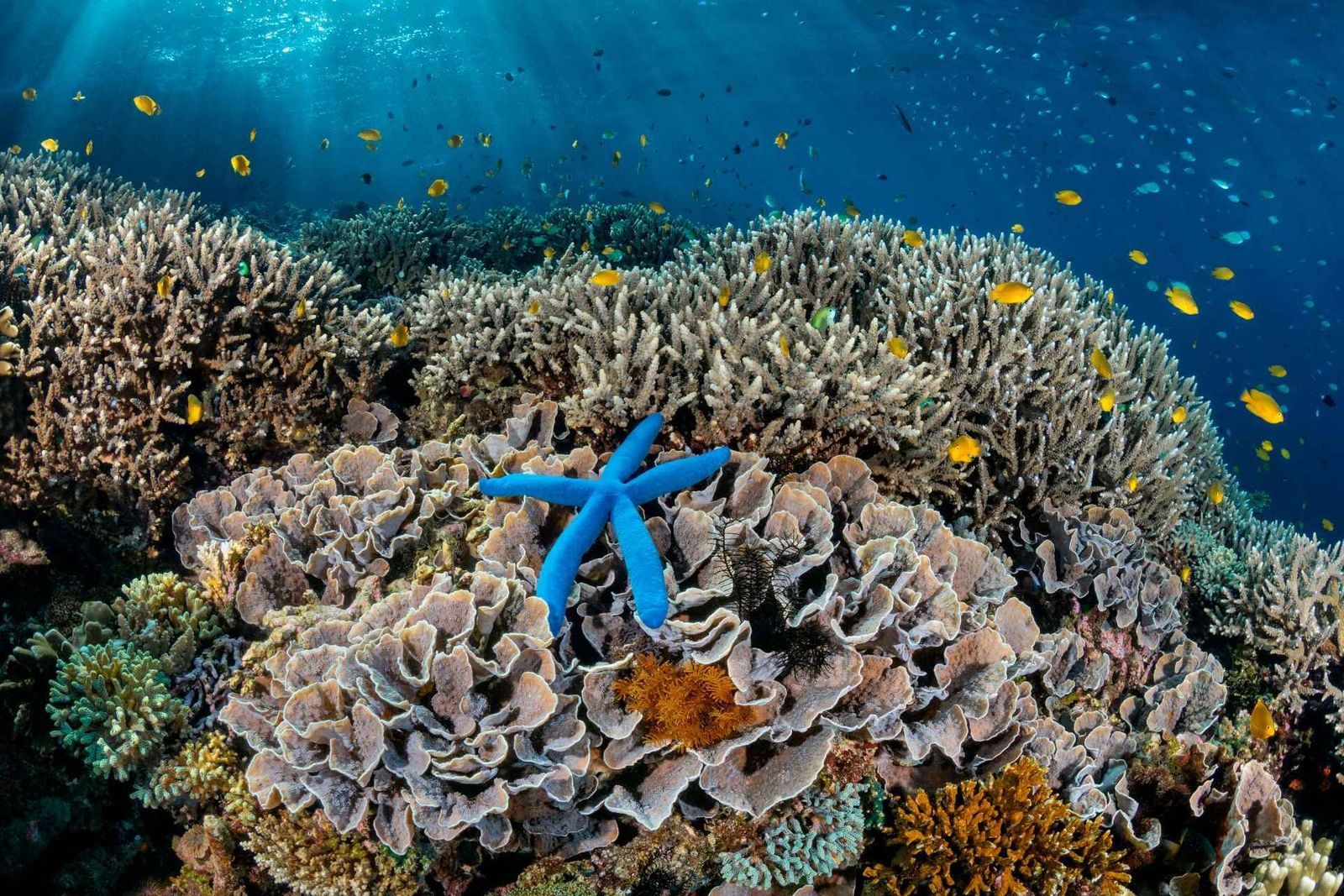
Diverse coral reef ecosystem with blue sea star and yellow fish in Indonesian waters, liveaboard diving - Picture by Majik Liveaboard
Buchen Sie Ihre Bali-Tauchreise
Ob Sie Tagestauchgänge an der Liberty und Nusa Penida oder einen von Bali aus startenden Liveaboard nach Komodo und Sumbawa möchten — wir kümmern uns darum. Sie zahlen bei einer Buchung über uns denselben Preis wie bei einer Direktbuchung — die Veranstalter halten die Preisparität über alle Kanäle aufrecht. Jede Liveaboard-Buchung über Coralbound beinhaltet ein Buchungsgeschenk — einschließlich der Option einer kostenlosen Hotelübernachtung — sowie die Koordination von Inlandsflügen über VIFA Holiday für alle Anschlussverbindungen.
Fragen? Schreiben Sie uns auf WhatsApp oder kontaktieren Sie uns über unser Kontaktformular. Möchten Sie mehr darüber erfahren, wie wir arbeiten? Lesen Sie unsere Warum mit Coralbound buchen Seite.