Derawan-Archipel in Ost-Kalimantan (Borneo) beherbergt die größte Population von grünen Meeresschildkröten in Südostasien.³ Mehrere Inseln im Bezirk Berau unterstützen ganzjährig die Eiablage, mit etwa 15.000 Gelegen pro Jahr – eine Population von internationaler Naturschutzbedeutung.⁴ Unter Wasser sind Schildkröten eine fast ständige Präsenz: Sie ruhen auf Korallen, grasen in Seegraswiesen und ziehen an den Steilwänden entlang. Hier kann man mit ihnen tauchen.
Dieser Leitfaden behandelt alles, was Sie für die Planung einer Reise zu den Derawan-Inseln benötigen: die vier Hauptinseln, was jede unter Wasser bietet, die beste Jahreszeit, wie Sie dorthin gelangen und wie Sie sie per Liveaboard oder Resort erreichen. Er ist Teil unseres vollständigen Leitfadens für Liveaboards in Indonesien – dem zentralen Knotenpunkt für alle Tauchziele in Indonesien.
Schnelle Fakten über das Tauchen auf den Derawan-Inseln
- Beste Jahreszeit: April–Oktober
- Korallenarten: 507 Arten¹
- Fischarten: 872 Arten¹
- Wassertemperatur: 26–29°C ganzjährig
- Sichtweite: 10–15 m bei Derawan und Samama; 20 m+ an den Außenriffen von Maratua
- Tauchgänge pro Tag: 3–4 bei den meisten Routen
- Erfahrungslevel: Geeignet für alle Niveaus; einige Tauchplätze bei Maratua sind für fortgeschrittene Taucher geeignet
- Reiselänge: 7–10 Tage empfohlen
- Kostenbereich: 300–700 $/Tag, je nach Schiffskategorie
- Zielflughäfen: Tarakan (TRK) oder Berau/Kalimarau (BEJ), Ost-Kalimantan (Borneo)
- Buchungsvorlaufzeit: 6–12 Monate; begrenzte Abfahrten sind schnell ausgebucht
Schnelle Antworten
Wann ist die beste Zeit, um die Derawan-Inseln zu betauchen?
April bis Oktober ist das Haupttauchfenster – Trockenzeit, ruhige See und die beste Sicht. Mai bis September ist die Hauptnistsaison für Schildkröten an den Stränden von Sangalaki und optimal für Mantabegegnungen. Januar ist der schlechteste Monat mit stürmischem Wetter und die meisten Resorts auf Maratua schließen für Wartungsarbeiten. Für ein vollständiges Bild der saisonalen Muster Indonesiens siehe unseren Leitfaden zu Wetter und Tauchsaisons in Indonesien.
Sind Schildkröten bei Derawan garantiert?
Derawan beherbergt die größte Population von grünen Meeresschildkröten in Südostasien – etwa 15.000 Gelege werden jährlich auf den Berau-Inseln abgelegt.³ Mehrere Schildkrötenbeobachtungen bei den meisten Tauchgängen sind eher die Regel als die Ausnahme. Betreiber berichten durchweg von Schildkröten bei praktisch jedem Tauchgang an den Haupttauchplätzen. Wildtiere sind bei keinem Tauchgang garantiert, aber hier kommt man dem am nächsten, was Indonesien zu bieten hat. Für Schildkrötentauchgänge in ganz Indonesien siehe unseren Leitfaden für Schildkröten in Indonesien.
Was macht die Mantabegegnungen bei Derawan besonders?
Sangalaki Island ist einer der wichtigsten Riffmanta-Ansammlungsorte Indonesiens. Die Marine Megafauna Foundation hat in den Jahren der Foto-ID-Forschung 155 einzelne Riffmantas in der Region identifiziert.⁵ Mantas ernähren sich von Planktonlinien nördlich von Sangalaki, besonders bei Neumond und Vollmond, wenn die Gezeitenströmungen am stärksten sind.⁵ Die Begegnungen sind Futter- und Nahrungssucheverhalten und nicht nur Putzerstationen – eine andere Dynamik als in Komodo oder Raja Ampat. Für Tauchgänge mit Mantas in ganz Indonesien siehe unseren Leitfaden für Tauchgänge mit Großtieren in Indonesien.
Wie komme ich zu den Derawan-Inseln?
Fliegen Sie nach Berau/Kalimarau Airport (BEJ) von Jakarta über Balikpapan oder von Surabaya. Vom Flughafen aus bringt Sie ein Landtransfer zum Hafen Tanjung Batu, dem wichtigsten Einschiffungspunkt für die Inseln. Liveaboards steigen je nach Betreiber typischerweise in Tanjung Batu oder Tarakan (TRK) ein – bestätigen Sie Ihren genauen Hafen vor der Buchung. Bootsüberfahrten von Tanjung Batu erreichen die Insel Derawan in etwa 2 Stunden.
Kann ich den Kakaban-Quallen-See besuchen?
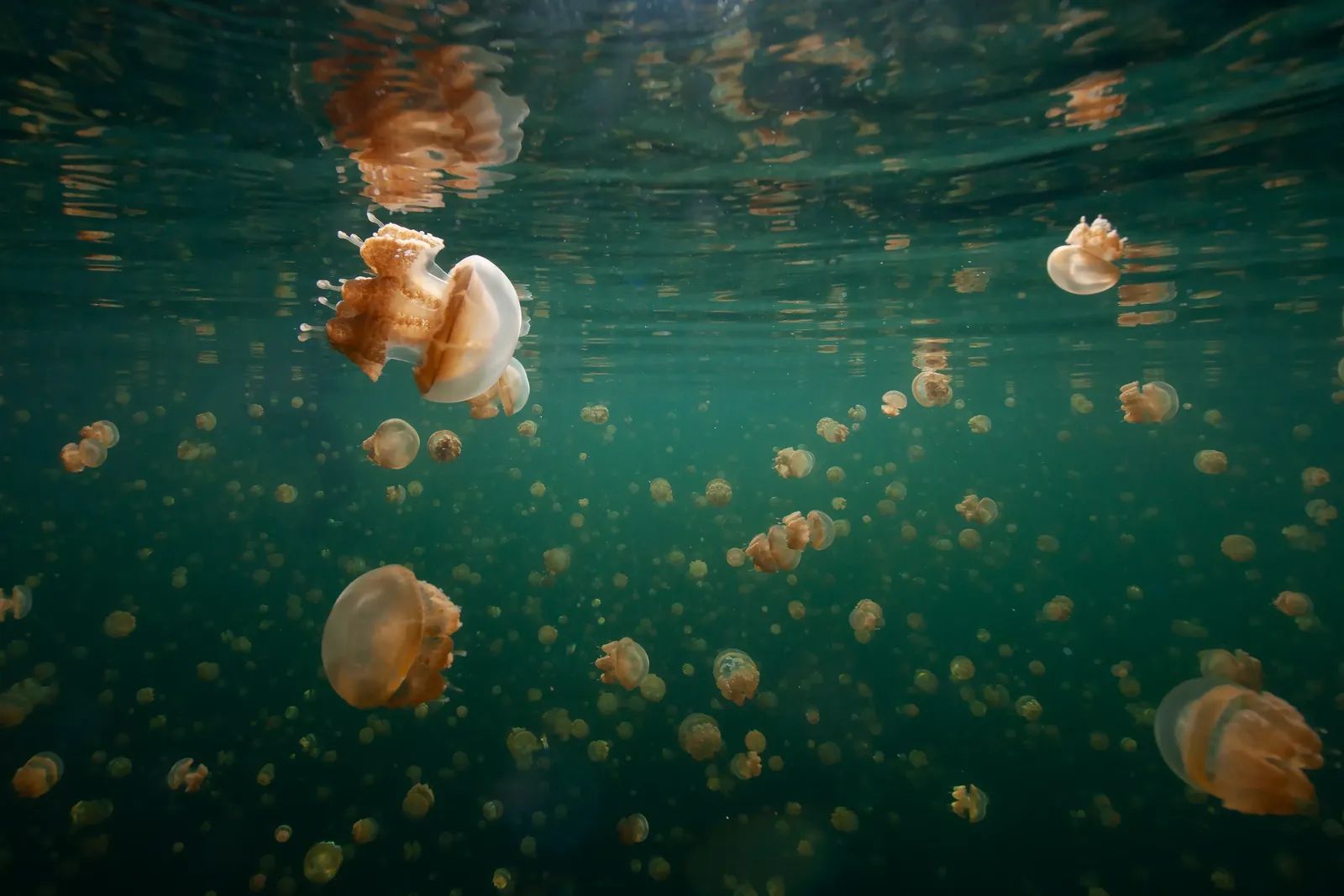
Ja – und es ist eines der ungewöhnlichsten Erlebnisse in Indonesien. Kakabans landlocked Brackwassersee beherbergt vier Arten von harmlosen Quallen, die nirgendwo sonst auf der Erde in dieser Vielfalt vorkommen.⁸ Er ist per Schnorchel oder Tauchgang erreichbar. Ein 10-minütiger Dschungelspaziergang vom Steg führt zum See. Das Quallenerlebnis kann je nach Wassertemperatur und Bedingungen variieren – bestätigen Sie dies mit Ihrem Betreiber oder Guide.
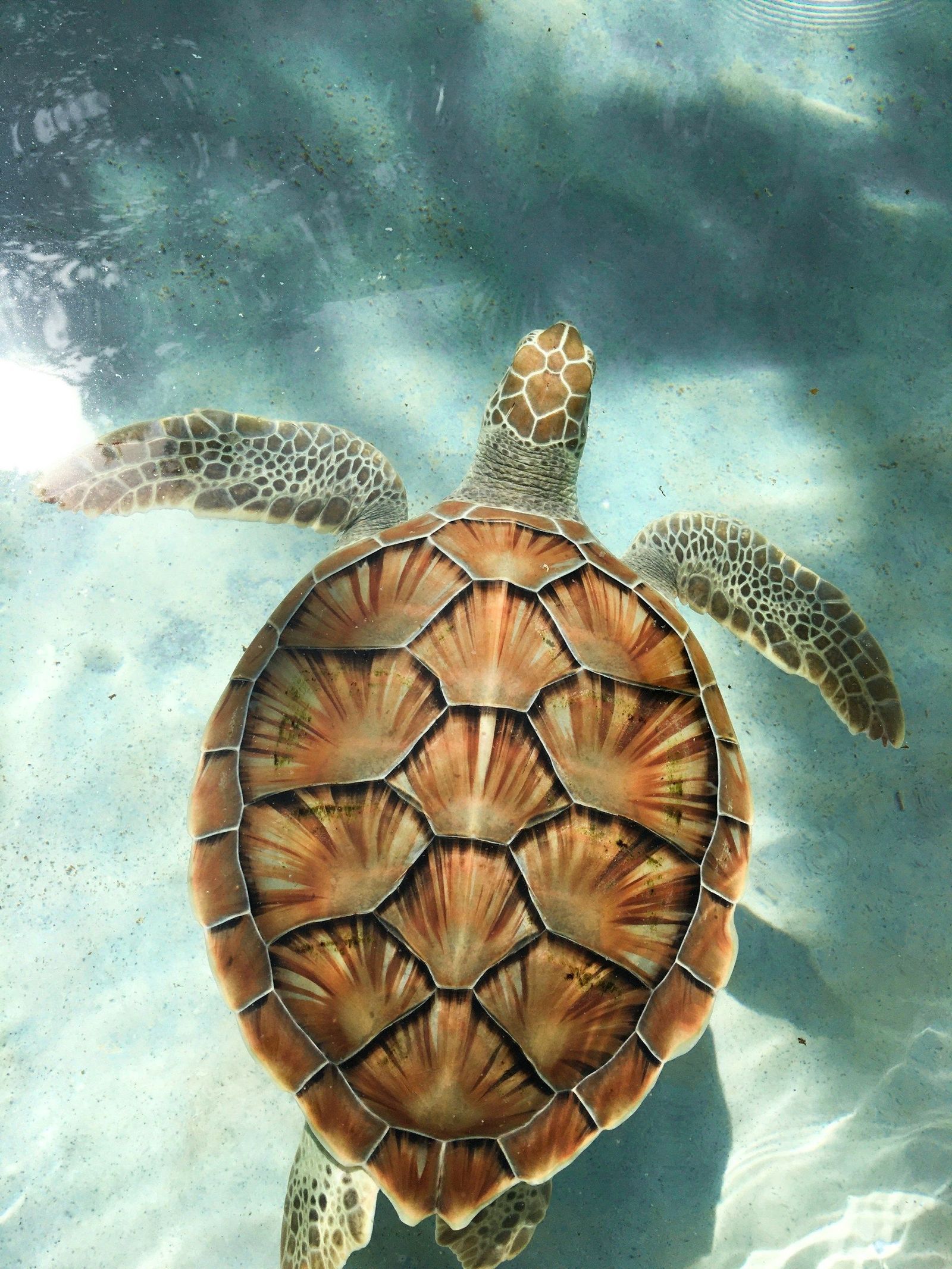
Green sea turtle swimming underwater Indonesia liveaboard marine wildlife diving
Warum Derawan-Inseln
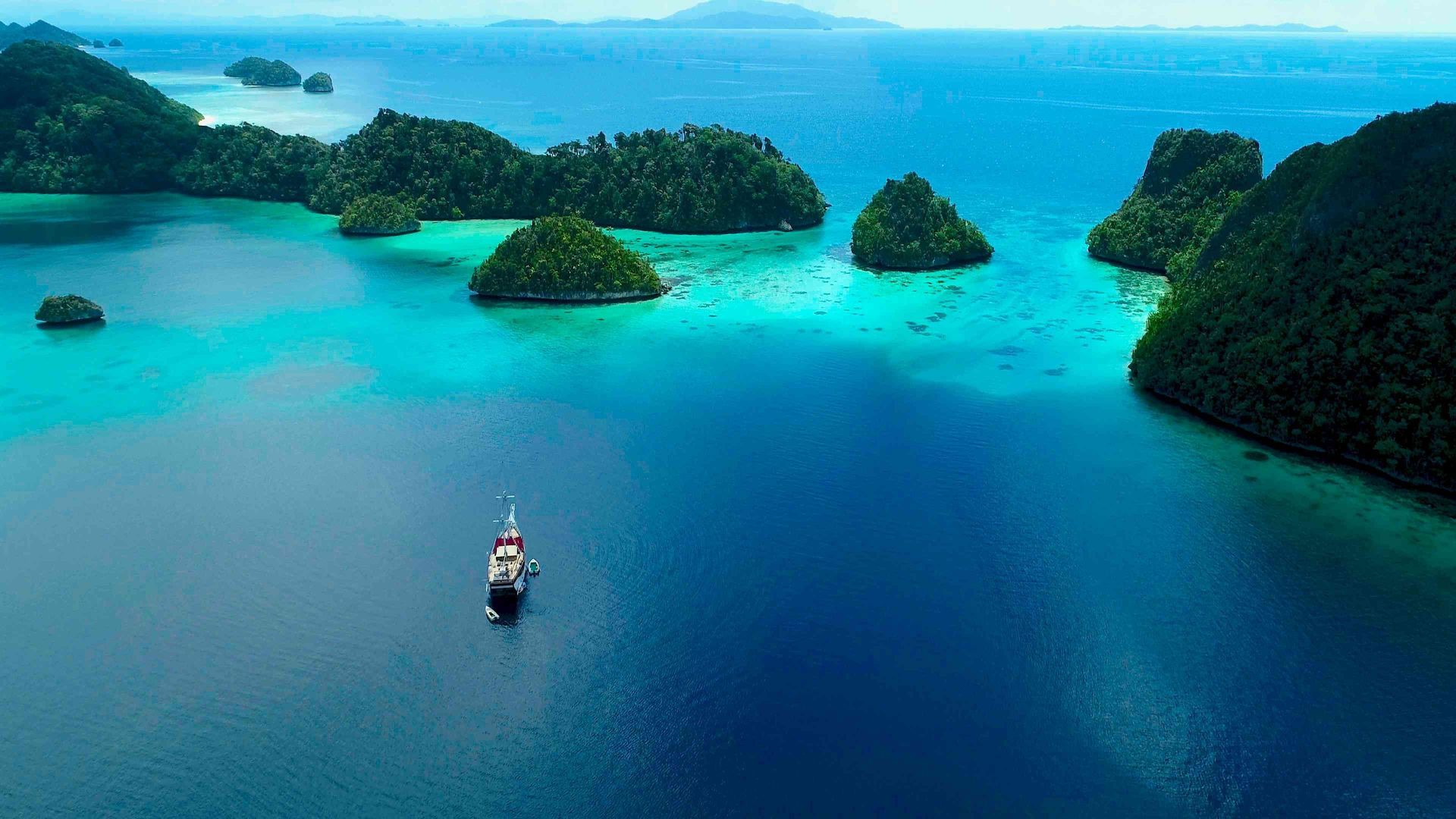
Der Derawan-Archipel ist eine Gruppe von 31 Inseln vor der Küste von Ost-Kalimantan (Borneo) und liegt im Korallendreieck.⁹¹⁰ Mit 507 Korallenarten und 872 Riff-Fischarten rangiert er in Indonesien nur an zweiter Stelle nach Raja Ampat für die Vielfalt der Hartkorallen.² Die vier Haupttauchinseln – Derawan, Sangalaki, Kakaban und Maratua – haben jeweils einen eigenen Charakter unter Wasser. Der Archipel wurde 2005 zum Meeresschutzgebiet erklärt, und seitdem laufen Naturschutzarbeiten durch die Turtle Foundation, WWF Indonesien und die Marine Megafauna Foundation.⁴
Derawan Insel ist die am leichtesten zugängliche und das soziale Zentrum. Schildkröten ruhen das ganze Jahr über am Hausriff. Die Insel verfügt über bescheidene Tauchresorts und ist der typische Ausgangspunkt für Tagesausflüge zu den anderen Inseln. Die Sicht ist hier geringer – 10–15 m sind typisch –, aber die Schildkröten-Dichte ist außergewöhnlich.
Sangalaki Insel ist das Zentrum der Tierwelt. Unechte Karettschildkröten und grüne Meeresschildkröten nisten das ganze Jahr über an ihren Stränden. Der Norden der Insel zieht Riffmantas an, die sich an planktonreichen Strömungslinien ernähren.⁵⁶ Sangalaki ist ein wichtiger Standort sowohl für den Schildkrötenschutz als auch für die Manta-Forschung.
Kakaban Insel hat den Quallen-See – ein geologisches Phänomen, das in dieser Größenordnung einzigartig auf der Erde ist.⁷ Die Inselwände bieten auch dramatische Tauchmöglichkeiten: Abfälle bis 180 m, starke Aufströmungen und ein anderes Charakteristikum als die ruhigeren inneren Inseln.
Maratua ist das äußere Atoll. Klares Wasser, Drift-Tauchgänge, Wände, die von Barrakuda-Schulen, Riffhaien, Leopardenhaien und Fuchsschwanzhaien patrouilliert werden. Die stärksten Tauchbedingungen im Archipel und die höchste Sichtweite. Einige fortgeschrittene Tauchplätze haben erhebliche Strömungen.
Zusammen bieten die vier Inseln Tauchern eine Bandbreite, die kein einzelnes Liveaboard-Ziel in Indonesien ganz nachbildet – Makro und Schildkröten, Mantas, eine geologische Kuriosität und pelagisches Drift-Tauchen, alles innerhalb eines geschützten Meeresgebiets, das sehr wenig befahren wird.
Beste Jahreszeit
April bis Oktober ist das Haupttauchfenster. Ruhige See, trockene Bedingungen und die beste Sicht auf allen vier Inseln. Mai bis September überschneidet sich mit der Haupt-Schildkröten-Nistsaison an den Stränden von Sangalaki und der höchsten Manta-Aktivität an den Futterlinien des Planktons.
Die Regenzeit dauert von November bis März. Die Bedingungen sind im Allgemeinen beherrschbar, außer im Januar, wenn Stürme Maratua unzugänglich machen und die meisten Resorts dort wegen Wartungsarbeiten schließen. Derawan Island selbst ist aufgrund seiner geschützten Lage fast das ganze Jahr über tauchbar, aber die äußeren Inseln und Maratua sind wetterabhängig.
Zeitliche Abstimmung auf Neu- und Vollmondphasen maximiert Manta-Begegnungen in Sangalaki – Gezeitenströmungen sind am stärksten und Plankton sammelt sich am vorhersehbarsten an.⁵
Buchen Sie 6–12 Monate im Voraus für die Hauptsaison. Derawan hat im Vergleich zu Raja Ampat oder Komodo eine sehr begrenzte Betreiberfrequenz – Liveaboard-Abfahrten sind begrenzt und schnell ausgebucht.
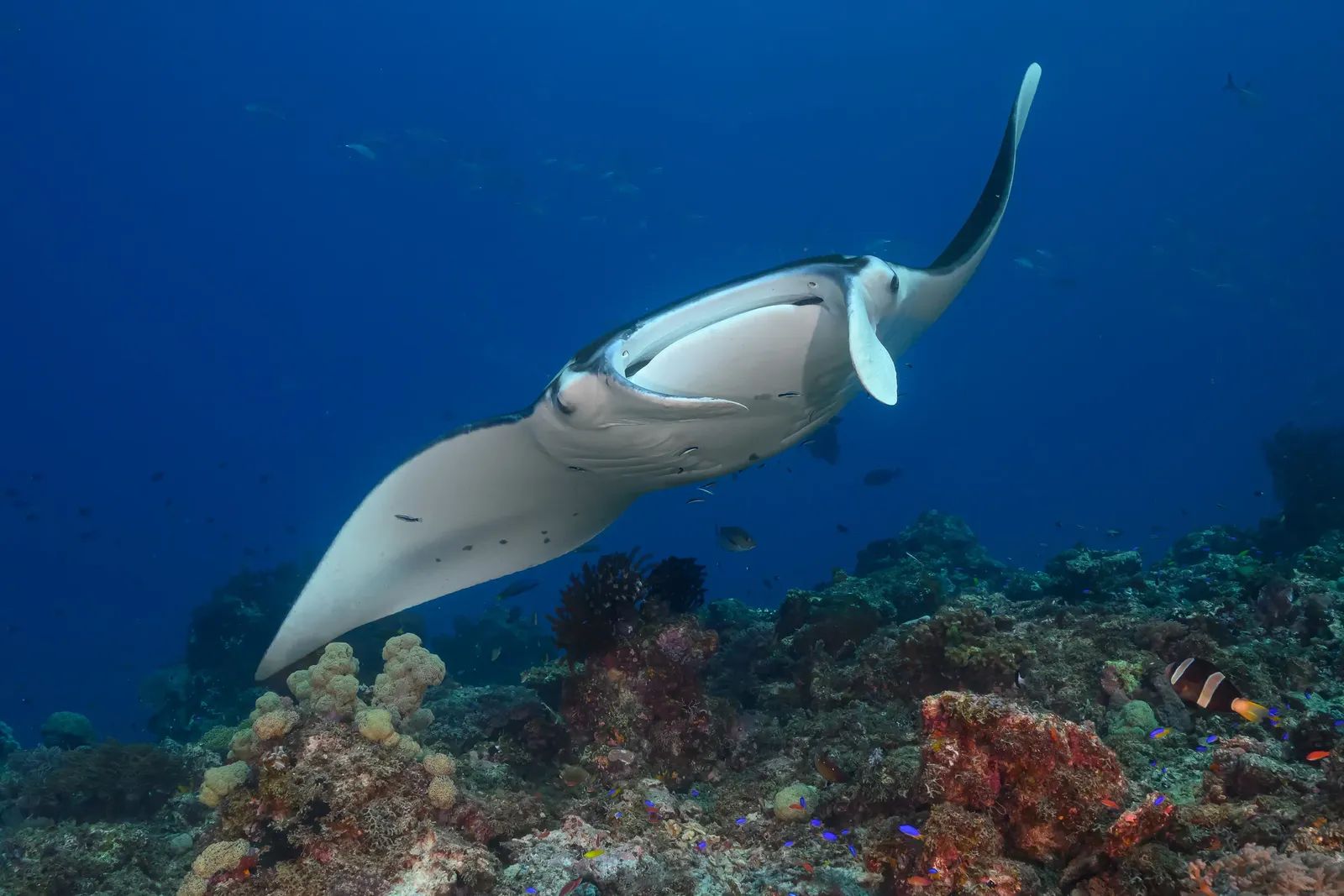
Reef manta ray on a cleaing station in Indonesia - Picture by Neptune Liveaboards
Anreise
Fliegen Sie nach Berau/Kalimarau Airport (BEJ) von Jakarta über Balikpapan oder von Surabaya. Vom Flughafen bringt Sie ein Landtransfer zum Hafen Tanjung Batu – dem Hauptablegepunkt für die Derawan-Inseln. Liveaboards steigen normalerweise in Tanjung Batu ein. Einige Betreiber nutzen stattdessen Tarakan (TRK) als Ablegepunkt, was zusätzliche Bootsüberfahrten und mehr Reisezeit erfordert.
Bestätigen Sie immer Ihren genauen Einschiffungshafen, bevor Sie Inlandsflüge buchen. Der Maratua Airport verfügt über einen begrenzten Charterdienst für einige Betreiber, die sich auf Maratua konzentrierende Reisen anbieten.
Die Fluglogistik nach Ost-Kalimantan ist weniger komplex als die Routen nach Papua, aber die Flugpläne können sich ändern. Coralbound arbeitet mit VIFA Holiday zusammen, dem führenden DMC für Indonesiens Tauchindustrie, der die Überwachung und Umbuchung von Inlandsflügen übernimmt.
Garuda Indonesia aircraft runway Indonesian domestic flights liveaboard transfers
Meeresleben
Grüne Meeresschildkröten und Echte Karettschildkröten
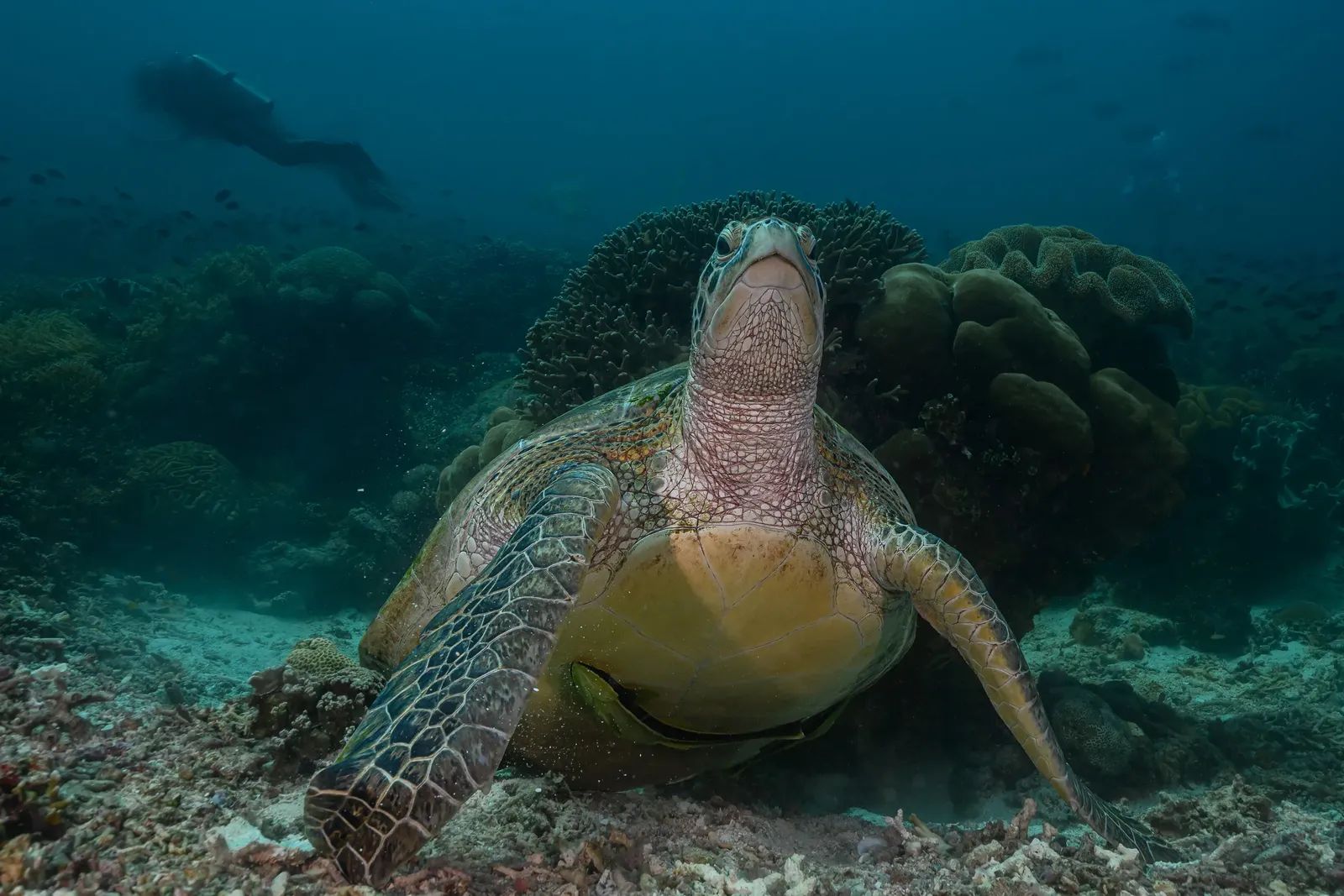
Die Hauptattraktionen. Der Bezirk Berau beherbergt die größte Population von grünen Meeresschildkröten-Nistplätzen in Südostasien, mit etwa 15.000 Gelegen, die jährlich auf fünf wichtigen Nistinseln abgelegt werden.³ Grüne Meeresschildkröten (Chelonia mydas) ernähren sich fast ausschließlich von Seegras, was bedeutet, dass sie in flachen Seegraswiesen an vorhersehbaren Orten grasen – leicht zu finden beim Schnorcheln und Tauchen. Das macht Derawan zu einem ungewöhnlichen Tauchziel in Indonesien: Die Hauptbegegnung erfordert keine großen Tiefen. Echte Karettschildkröten (Eretmochelys imbricata) sind in ganz Indonesien zu sehen, aber nirgendwo in dieser Konzentration wie in Derawan. Beide Arten sind seit der Ausweisung von Meeresschutzgebieten im Jahr 2005 im gesamten Archipel geschützt.⁴ Sangalaki und das Hausriff von Derawan Island sind die zuverlässigsten Orte, aber Schildkröten kommen auf allen vier Inseln vor. Für einen vollständigen Überblick über das Schildkrötentauchen in Indonesien siehe unseren Indonesien Schildkröten-Guide.
Riff-Mantarochen
Die Insel Sangalaki ist einer der wichtigsten Sammelplätze für Riff-Mantarochen in Indonesien. MMF-Forschungen identifizierten 155 einzelne Riff-Mantarochen aus 846 Begegnungen über drei Jahre der Erhebungen.⁵ Die Mantarochen ernähren sich von Planktonlinien vor der Nordküste von Sangalaki – Manta Parade, Manta Run und Manta Tease sind die Hauptorte – mit Spitzenaktivität während der auflaufenden Gezeiten um Neumond und Vollmond.⁵ Ein Drittel der untersuchten Weibchen zeigte Anzeichen einer Schwangerschaft oder kürzlichen Paarung, was Sangalaki als kritischen Fortpflanzungsbereich bestätigt.⁵ Siehe unseren Indonesien Guide für Großtier-Tauchen für den breiteren Manta-Kontext in ganz Indonesien.
Kakaban-Quallen-See
Kakabans Binnenmeer beherbergt vier Arten von harmlosen Quallen: Mondquallen (Aurelia aurita), gefleckte Quallen (Mastigias papua), Würfelquallen (Tripedalia cystophora), und umgedrehte Quallen (Cassiopea ornata).⁸ Der See ist der einzige Ort der Welt mit dieser Vielfalt an harmlosen Quallenarten – der Quallen-See von Palau hat zwei Arten; Kakaban hat vier.⁷ Das Erlebnis ist per Schnorchel oder SCUBA – Schwimmen durch Brackwasser, umgeben von Dschungel, mit Quallen, die um einen herum pulsieren. Die Quallenaktivität kann stark von der Wassertemperatur abhängen – bei jüngsten Besuchen wurden während wärmerer Perioden reduzierte Zahlen beobachtet, obwohl sich die Bedingungen zu erholen scheinen. Es lohnt sich immer noch, und es lohnt sich, die aktuellen Bedingungen vor dem Besuch mit Ihrem Betreiber zu überprüfen.
Maratua Pelagics und Walhaie
Die Außenwände des Maratua-Atolls ziehen Schwärme von Chevron-Barrakudas, Riesen-Schnappern, Schnappern und Jacks bei Strömungstauchgängen an. Leopardenhaie und pelagische Fuchshaie sind in der Gegend dokumentiert.⁵ Walhaie werden in Bagans in der Bucht von Taliyasan angetroffen – Liveaboards nehmen dies normalerweise in die Reiseroute auf; Resortgäste benötigen einen zusätzlichen Tagesausflug. Begegnungen sind nicht das ganze Jahr über zuverlässig im Sinne der Cenderawasih-Bucht, aber Liveaboards, die ihren Besuch gut timen, berichten von guten Ergebnissen. Für engagiertes Walhai-Tauchen in ganz Indonesien siehe unseren Indonesien Walhai-Guide. Nachttauchgänge auf Maratua und Derawan bieten Nacktschneckenarten, Bobbitwürmer und Krebstiere. Für das vollständige Makro-Bild in ganz Indonesien siehe unseren Indonesien Kleintier-Tauchführer.
Green sea turtle facing camera with detailed shell and facial patterns on coral reef in Raja Ampat marine sanctuary - Picture by Neptune Liveaboards
Liveaboard vs Resort
Derawan kann per Liveaboard oder von Tauchresorts auf den Inseln aus erlebt werden. Jede Option hat Vorteile.
Liveaboards decken alle vier Inseln in einer einzigen Reise ab, können Bedingungen jagen und Standorte an Gezeitenzyklen anpassen und beinhalten die Bucht von Taliyasan für Walhai-Begegnungen in Bagans. Sie sind die effizienteste Art, alles zu sehen. Derawan liegt nicht auf der Hauptroute der indonesischen Liveaboards – nur eine Handvoll Betreiber bieten hier planmäßige Abfahrten an, und die Plätze sind begrenzt. Buchen Sie frühzeitig.
Resorts auf Derawan Island und Maratua bieten näheren Zugang zu bestimmten Tauchplätzen, niedrigere Tageskosten und mehr Flexibilität, um denselben Riff mehrmals zu betauchen. Resorts auf Derawan Island haben den Vorteil der Schildkrötenbegegnungen am Hausriff. Maratua-Resorts sind ideal für Strömungstauchgänge und den Zugang zur Außenwand.
Viele ernsthafte Taucher kombinieren eine Liveaboard-Reise mit ein oder zwei Nächten in einem Resort auf Derawan oder Sangalaki. Kontaktieren Sie uns, wenn Sie Hilfe beim Aufbau dieser Kombination wünschen.
Stingless jellyfish lake Kakaban Island Derawan Indonesia underwater photography showing golden jellyfish swimming in emerald waters unique diving snorkeling experience liveaboard destination - Picture by Dancing Wind Liveaboard
Erwartungen managen
Die Sicht variiert erheblich im gesamten Archipel. In der Nähe von Derawan Island sind 10–15 m typisch aufgrund des Flussabflusses vom Berau River – die gleichen Nährstoffe, die das Riffleben ernähren, trüben das Wasser. Bei Maratua und den äußeren Riffen sind 20–25 m erreichbar. Es ist wichtig, die Erwartungen an die Sicht zu managen – dies ist nicht das kristallklare Wasser der Banda-See oder der Cenderawasih-Bucht.
Manta-Begegnungen bei Sangalaki gehören zu den zuverlässigsten Indonesiens, sind aber von Gezeiten- und Mondphasen abhängig. Guides und Betreiber mit lokalem Wissen machen einen erheblichen Unterschied. Planen Sie mindestens zwei oder drei Tage bei Sangalaki ein, um die Wahrscheinlichkeit einer Begegnung zu maximieren.
Der Quallen-See ist ein Glücksspiel – die Quallenaktivität war in den letzten Jahren aufgrund von Änderungen der Wassertemperatur variabel. Wenn die Bedingungen gut sind, ist das Erlebnis außergewöhnlich; wenn die Zahlen niedrig sind, ist es immer noch eine wirklich ungewöhnliche natürliche Umgebung. Überprüfen Sie die aktuellen Bedingungen mit Ihrem Betreiber vor der Reise.
Derawan ist wirklich abgelegen. Die nächste Dekompressionskammer befindet sich in Tarakan oder Balikpapan. Tauchversicherung mit Notfall evakuierung ist obligatorisch. Reiseversicherung wird dringend empfohlen, da Anzahlungen nicht erstattungsfähig sind.
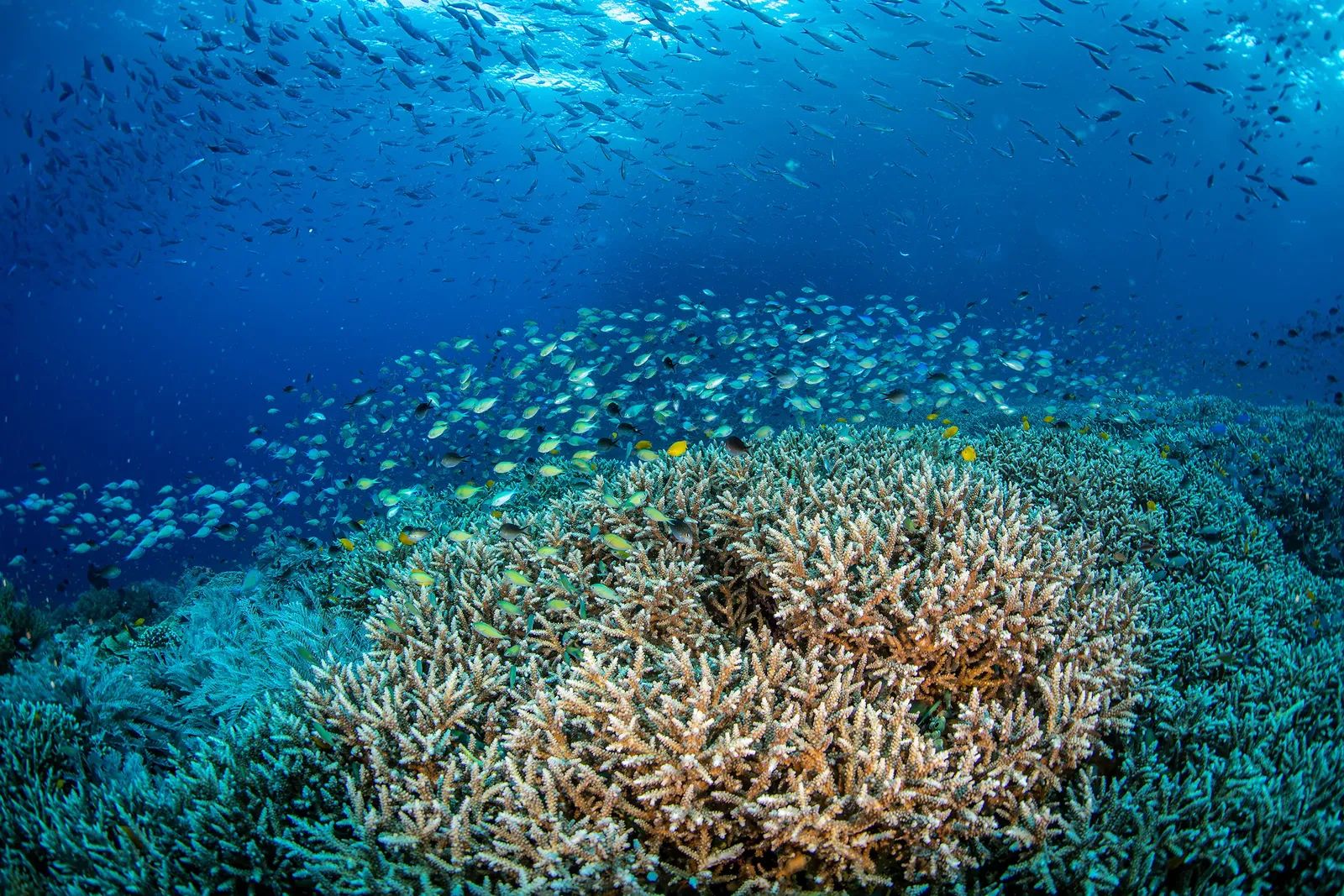
Pristine staghorn coral garden with massive schools of blue-green chromis and anthias in Indonesian waters - Picture by Neptune Liveaboards
FAQ
Sind die Derawan-Inseln für Anfänger geeignet?
Ja – die meisten Tauchplätze rund um Derawan Island und Sangalaki sind ruhig, flach und gut für Open Water Taucher geeignet. Die Schildkrötenbegegnungen sind für alle Niveaus zugänglich. Die Tauchplätze mit stärkerer Strömung und tieferen Wänden von Maratua sind besser für fortgeschrittene Taucher mit Strömungserfahrung geeignet. Überprüfen Sie die individuellen Anforderungen des Betreibers.
Wie schneidet Derawan im Vergleich zu anderen indonesischen Schildkrötenzielen ab?
Kein anderer Ort in Indonesien bietet die Schildkrötendichte, die Derawan bietet. Der Bezirk Berau ist als die größte Population von Grünen Meeresschildkröten in Südostasien bestätigt – dieser Status überträgt sich direkt auf die Anzahl der unter Wasser angetroffenen Schildkröten.³ Andere indonesische Ziele sehen Schildkröten zufällig; Derawan ist, wo Schildkröten die Hauptattraktion sind.
Kann ich Derawan mit anderen indonesischen Zielen kombinieren?
Derawan liegt nicht auf der Hauptroute der Liveaboards zwischen Komodo und West-Papua, daher behandeln die meisten Taucher es als eine eigene Reise. Eine Handvoll Betreiber bieten Routen von Nordsulawesi (Manado oder Bitung) über Borneo an, was die natürlichste Kombination ist – aber dies sind einzelne, dedizierte Reiserouten und keine Standardrouten. Die meisten Taucher, die mehrere indonesische Ziele ansteuern möchten, planen diese über separate Reisen in derselben Saison. Kontaktieren Sie uns über WhatsApp, um zu besprechen, was derzeit angeboten wird.
Was ist das Meeresschutzgebiet Berau?
Die Gewässer des Bezirks Berau wurden 2005 zum Meeresschutzgebiet erklärt und umfassen die wichtigsten Nistinseln und umliegenden Meereslebensräume.⁴ Es schützt die Niststrände der Grünen und Echten Karettschildkröten, die Manta-Ansammlungsorte von Sangalaki und das Ökosystem des Quallen-Sees von Kakaban. Das MPA wird in Zusammenarbeit mit der Turtle Foundation, WWF Indonesien, der Marine Megafauna Foundation und lokalen Gemeinschaften verwaltet.
Welche Ausrüstung benötige ich für Tauchgänge in Derawan?
Ein 3-mm-Neoprenanzug ist angesichts des warmen Wassers ausreichend. Ein Oberflächenboje ist obligatorisch. Ein Riffhaken für die Strömungstauchplätze bei Maratua. Eine Unterwasserlampe für Nachttauchgänge und Höhlentauchgänge an den Wänden von Kakaban. Makro-Fotografieausrüstung wird dringend empfohlen – Nacktschnecken und Kleintiere sind ausgezeichnet. Weitwinkel für Schildkröten- und Manta-Begegnungen. Eine vollständige Ausrüstungsliste finden Sie in unserem Packratgeber für Liveaboards in Indonesien.
Wann sind Mantarochen am zuverlässigsten zu sehen?
Rund um Neumond und Vollmond bei Sangalaki, wenn die einlaufenden Gezeitenströme am stärksten sind und sich Plankton am vorhersehbarsten an den Manta Parade und Manta Run Standorten ansammelt.⁵ Morgentauchgänge zeigen die höchsten Begegnungsraten. Planen Sie mindestens zwei oder drei Tage bei Sangalaki ein und stimmen Sie die Tauchgänge auf die Gezeitenzyklen ab, um die besten Ergebnisse zu erzielen.
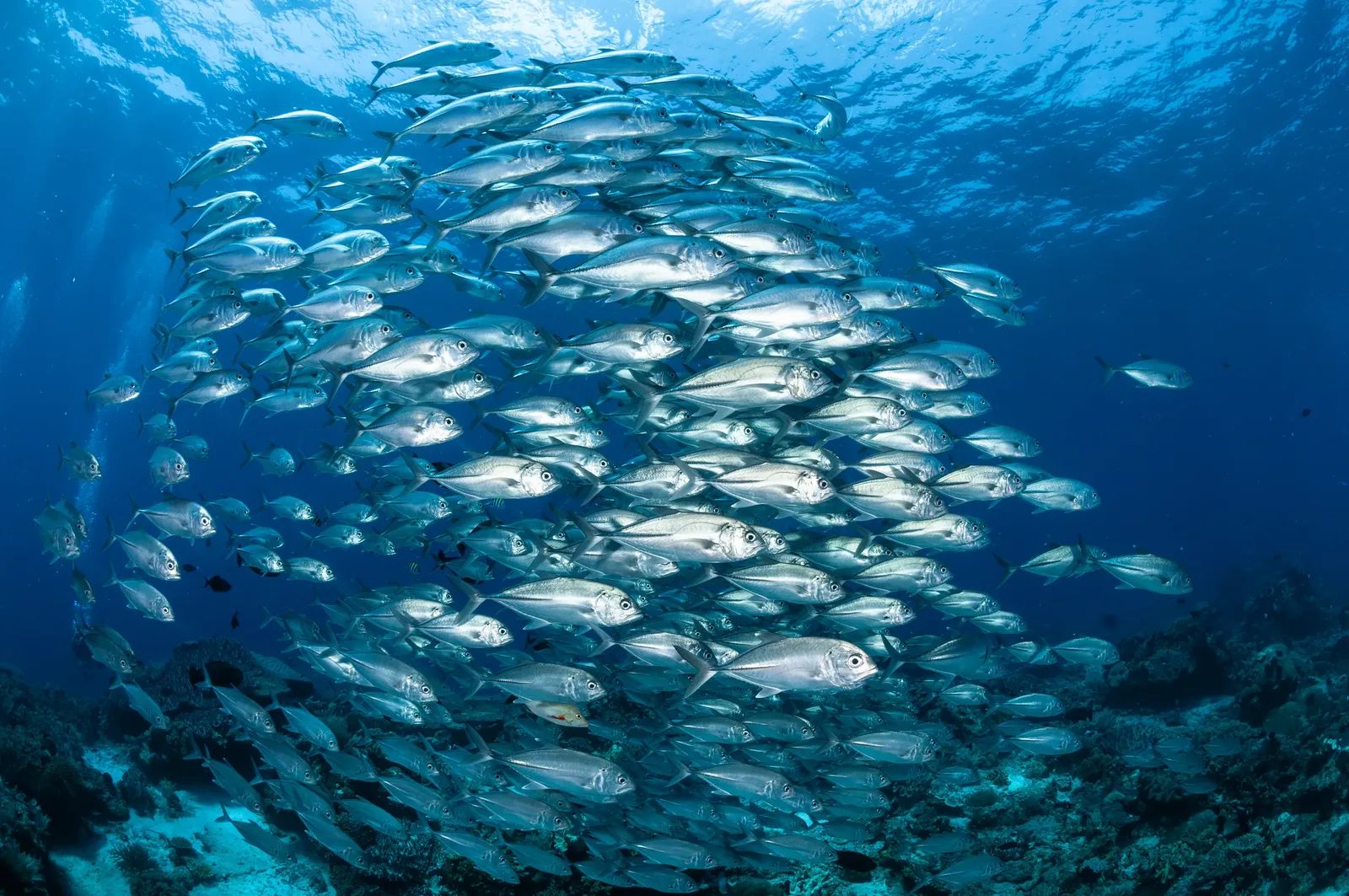
Massive school of silver trevally forming dense baitball in crystal-clear blue waters over coral reef in Indonesian archipelago - Picture by Dewi Nusantara
Buchen Sie Ihre Derawan-Reise
Wir sind eine in Bali ansässige Plattform, die von Tauchern betrieben wird, die Derawan gut kennen. Sie zahlen den gleichen Preis, wenn Sie über uns buchen, wie wenn Sie direkt buchen – die Betreiber halten die Preise über alle Kanäle hinweg einheitlich. Jede Buchung über Coralbound beinhaltet ein Buchungsgeschenk – einschließlich der Option einer kostenlosen Hotelnacht – und Sie erhalten zusätzlichen Support: Koordination von Inlandsflügen über VIFA Holiday und ein Team, das versteht, was abgelegene Borneo-Expeditionen tatsächlich bedeuten.
Fragen vor der Buchung? Schreiben Sie uns auf WhatsApp oder kontaktieren Sie uns über unser Kontaktformular. Möchten Sie mehr darüber erfahren, wie wir arbeiten? Lesen Sie unsere Seite Warum mit Coralbound buchen.