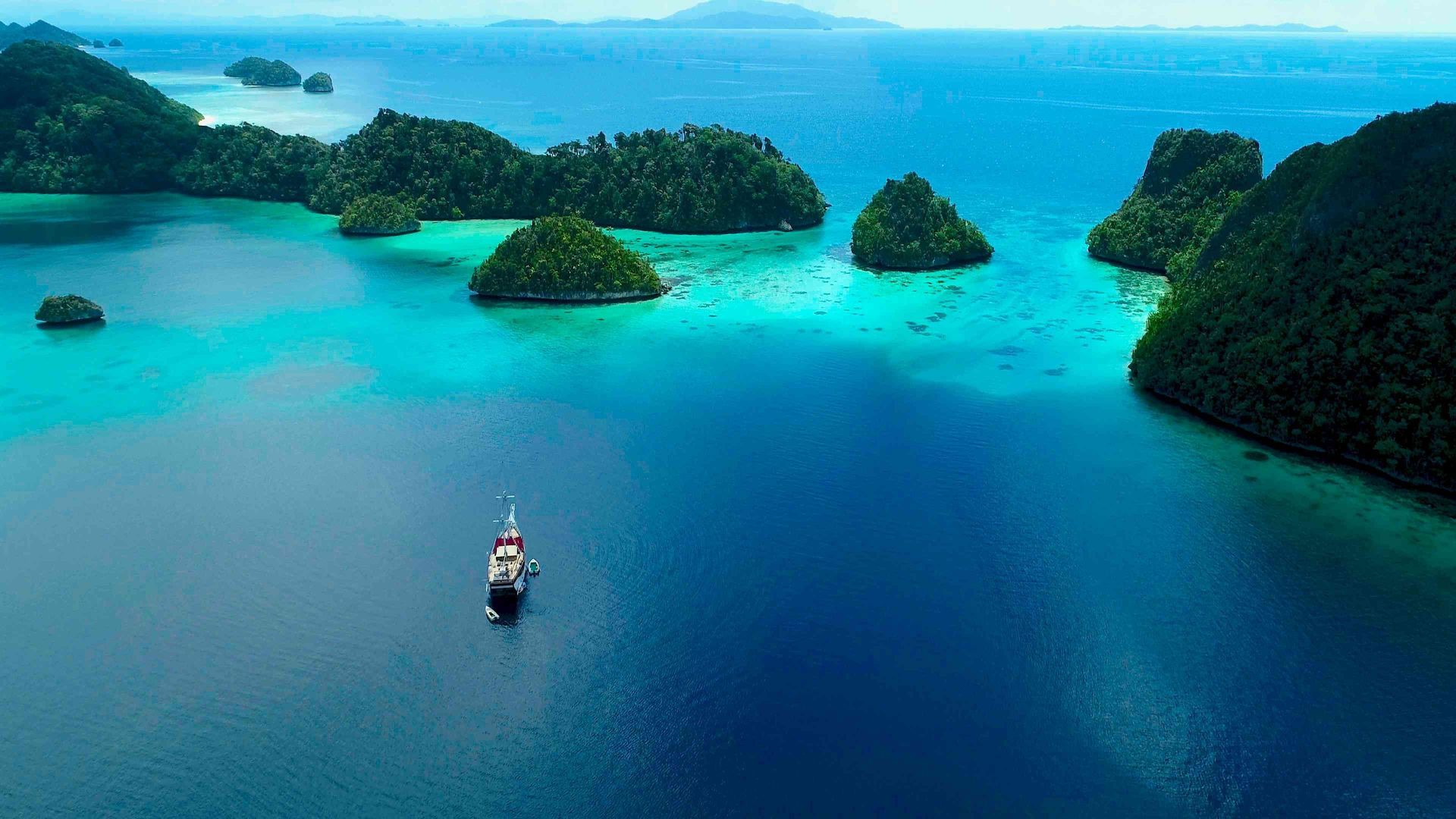
Wenn das Tauchen mit Hammerhaien auf Ihrer Wunschliste steht, ist die Bandasee Ihr Ziel. Ein vulkanisches Archipel tief in der indonesischen Provinz Maluku beherbergt eine der weltweit zuverlässigsten Konzentrationen von Großkopfhammerhaien – eine stark gefährdete Art⁸, die sich an Unterwasserbergen und vorgelagerten Inseln in Zahlen versammelt, die auf dem Planeten nur wenige Orte erreichen können.
Dieser Leitfaden behandelt alles, was Sie für die Planung einer Liveaboard-Reise in der Bandasee benötigen: die richtige Jahreszeit, Routenoptionen, was Sie unter Wasser erwartet und wie Sie dorthin gelangen. Er ist Teil unseres vollständigen Liveaboard-Leitfaden für Indonesien – die zentrale Anlaufstelle für alle Tauchziele in Indonesien. Möchten Sie zuerst einen schnellen Überblick? Sehen Sie sich unsere Zielseite Bandasee.
Die Bandasee umfasst ein riesiges Gebiet mit stark unterschiedlichen Reiseabläufen – von speziellen Routen zu den Banda-Inseln bis hin zu mehrtägigen Überquerungen, die Alor, die Vergessenen Inseln, Raja Ampat oder die Tritonbucht verbinden. Blauwasserüberquerungen können rau sein und die Bedingungen an den Hammerhai-Spots anspruchsvoll. Für erfahrene Taucher, die für eine echte Expedition bereit sind, ist das, was hier geboten wird, anders als alles andere in Indonesien.
Schnelle Fakten über das Tauchen in der Bandasee
- Beste Jahreszeit: September–November (Hammerhai-Migration); März–April (ruhige Bedingungen, bessere Sicht)
- Korallenarten: Über 500 Arten in der Sunda-Banda-Meereslandschaft³
- Fischarten: Über 2.100 Riffischarten in der Sunda-Banda-Meereslandschaft³
- Wassertemperatur: 26–30 °C; Thermoklinen können während der Hammerhai-Saison kühler sein
- Sichtweite: 15–25 m während der Hammerhai-Saison; 20–30 m+ im März–April
- Tauchgänge pro Tag: 3–4 auf den meisten Reiserouten
- Erfahrungslevel: Fortgeschrittener Open Water empfohlen; Strömungs- und Blauwassererfahrung ratsam
- Reiselänge: 10–14 Tage typisch für Überquerungen; kürzere Routen für nur die Banda-Inseln verfügbar
- Kostenbereich: 250–1.000+ $ pro Tag, abhängig von der Schiffskategorie
- Zielflughafen: Ambon Flughafen (AMQ) über Jakarta (CGK) oder Bali (DPS)
- Buchungsfrist: 6–12 Monate für die Hauptsaison der Hammerhaie
Schnelle Antworten auf häufige Fragen zum Tauchen in der Bandasee
Wann ist die beste Zeit, um die Bandasee zu betauchen?
September bis November ist das Hauptfenster für Hammerhai-Begegnungen. Betreiber berichten durchweg von ihren besten Ergebnissen an Unterwasserbergen während der Migrationssaison – Schulen, die durch Pulau Ai, Manuk, Suanggi, Nil Desperandum und Serua ziehen, während die Hammerhaie zu Putzerstationen aufsteigen. März bis April bietet ruhigere Meere, bessere Sicht und wärmeres Wasser – gute Bedingungen für die Fotografie, aber weniger konzentrierte Hammerhai-Sichtungen. Die meisten Betreiber führen nur während dieser beiden Fenster Touren durch. Eine vollständige Aufschlüsselung der saisonalen Muster Indonesiens finden Sie in unserem Leitfaden zu Wetter und Tauchsaisons in Indonesien.
Was ist der beste Monat, um Hammerhaie in Indonesien zu sehen?
Oktober ist im Allgemeinen der Spitzenmonat für die Bandasee. Betreiber und Guides berichten durchweg von den größten Schulen an Unterwasserbergen während dieses Zeitfensters, wobei sich Großkopfhammerhaie an Putzerstationen und im offenen Wasser versammeln. Für einen detaillierten Blick auf das Hammerhai-Tauchen in ganz Indonesien siehe unseren Hammerhai-Leitfaden.
Wie viel kostet eine Banda-See-Liveaboard-Reise?
Die Schiffe beginnen bei etwa 250 US-Dollar pro Tag für einfachere Phinisi-Boote und reichen bis zu 1.000 US-Dollar pro Tag für luxuriöse Segelyachten. Angesichts der mehrtägigen Dauer liegen die Gesamtkosten für die Reise typischerweise zwischen 3.000 und 12.000 US-Dollar, abhängig von Kategorie und Dauer. Zusätzliche Kosten umfassen Gebühren für Meeresparks, Inlandsflüge nach Ambon und Trinkgelder für die Crew. Eine vollständige Aufschlüsselung dessen, was jede Stufe abdeckt, finden Sie in unserem Leitfaden zu den Liveaboard-Kategorien Indonesiens.
Können Anfänger im Banda-Meer tauchen?
Ja, mit dem richtigen Boot. Einige luxuriöse und auf Freizeit ausgerichtete Schiffe begrüßen Open-Water-Taucher und Schnorchler. Dennoch wird Advanced Open Water aufgrund der Bedingungen und der Tiefe an Hammerhai-Standorten empfohlen – und wenn das Tauchen mit Hammerhaien Priorität hat, ist die aktuelle Erfahrung wichtig. Überprüfen Sie die individuellen Anforderungen der Betreiber in ihren Angeboten, bevor Sie buchen. Wenn Sie sich auf das Banda-Meer vorbereiten, ist Komodo ein solider erster Schritt.
Welche Meereslebewesen werde ich im Banda-Meer sehen?
Gefleckte Hammerhaie sind die Hauptattraktion, wobei Betreiber im September bis November zuverlässige Begegnungen an wichtigen Unterwasserbergen melden. Das Banda-Meer ist auch bekannt für dichte Seeschlangenpopulationen auf Manuk und Gunung Api, Mobula-Rochenformationen, gelegentliche Blauwal-Sichtungen während der Überquerungen und erstklassiges Makro-Tauchen. Die Sunda-Banda-Meereslandschaft beherbergt über 2.100 Korallenfischarten und über 500 Korallenarten.³
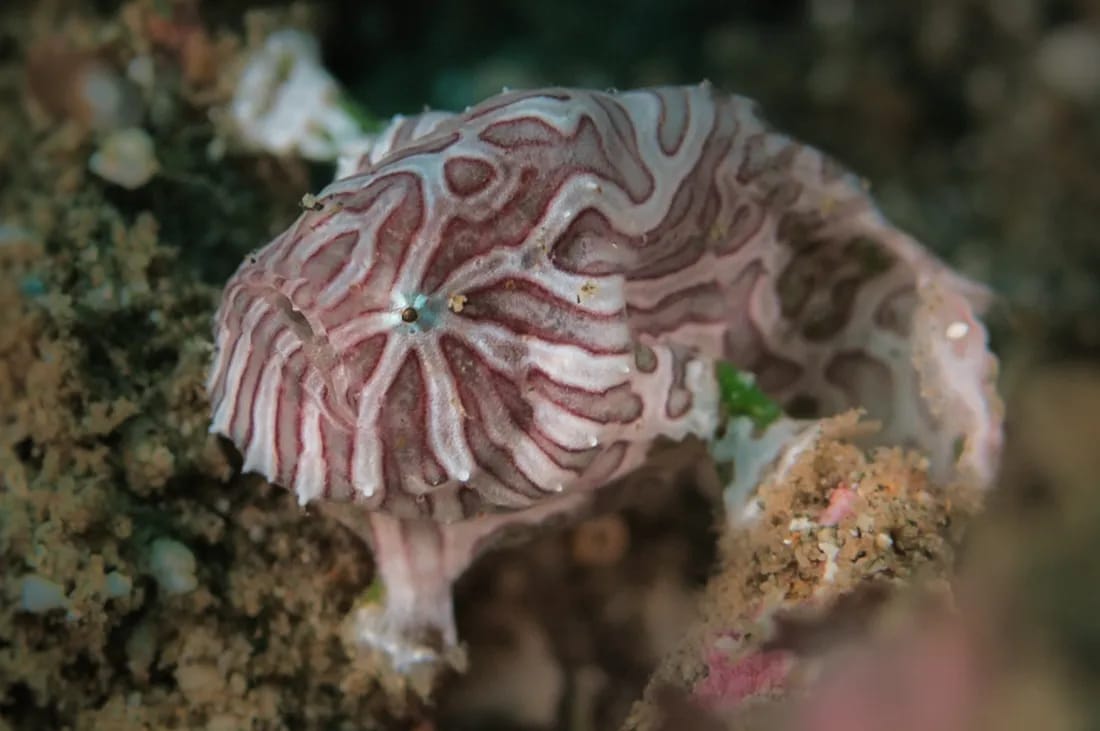
Psychedelic frogfish Histiophryne psychedelica rare species Indonesia macro diving liveaboard Ambon underwater photography - Picture by Dewi Nusantara
Warum Banda-See
Das Banda-Meer liegt zwischen dem Indischen und dem Pazifischen Ozean, innerhalb des Korallendreiecks – dem globalen Epizentrum der marinen Biodiversität.⁴⁵ Tiefe ozeanische Gräben treffen auf flache vulkanische Unterwasserberge und erzeugen die nährstoffreichen Auftriebsströmungen, die Hammerhaie in Ansammlungen anziehen, wie sie nur wenige Orte auf der Erde bieten können.
Was dieses Reiseziel einzigartig macht, ist die Kombination: Schwärme von gefleckten Hammerhaien an Unterwasserbergen, beträchtliche Mengen an Seeschlangen an ausgewiesenen Stellen, außergewöhnliches Makro-Leben neben den großen Tieren, aktive vulkanische Landschaften über und unter Wasser und die Möglichkeit von Blauwal-Sichtungen während der Überquerungen im offenen Meer. Kein anderes indonesisches Reiseziel bietet all dies. Die Sunda-Banda-Meereslandschaft ist eines der wichtigsten Meeresnaturschutzgebiete Indonesiens.¹⁰
Die Banda-Inseln haben ein außergewöhnliches historisches Gewicht. Als jahrhundertelang einzige Quelle von Muskatnuss und Muskatblüte der Welt waren sie die ursprünglichen Gewürzinseln, die die europäische Kolonialexpansion in Südostasien vorantrieben.⁶ Der Vertrag von Breda von 1667 sah vor, dass Großbritannien Pulau Run im Austausch gegen Manhattan an die Niederländer abtrat – ein Geschäft, das alles über die Wertschätzung dieser Inseln durch die Welt aussagt.⁶ Die Festungen, Muskatnussplantagen und die erhaltene niederländische Architektur von Banda Neira sind eine überzeugende Ergänzung für jede Tauchexpedition. Die Inseln stehen sowohl wegen ihrer historischen als auch ihrer Meereslandschaften auf der vorläufigen Liste des UNESCO-Weltkulturerbes Indonesiens.²
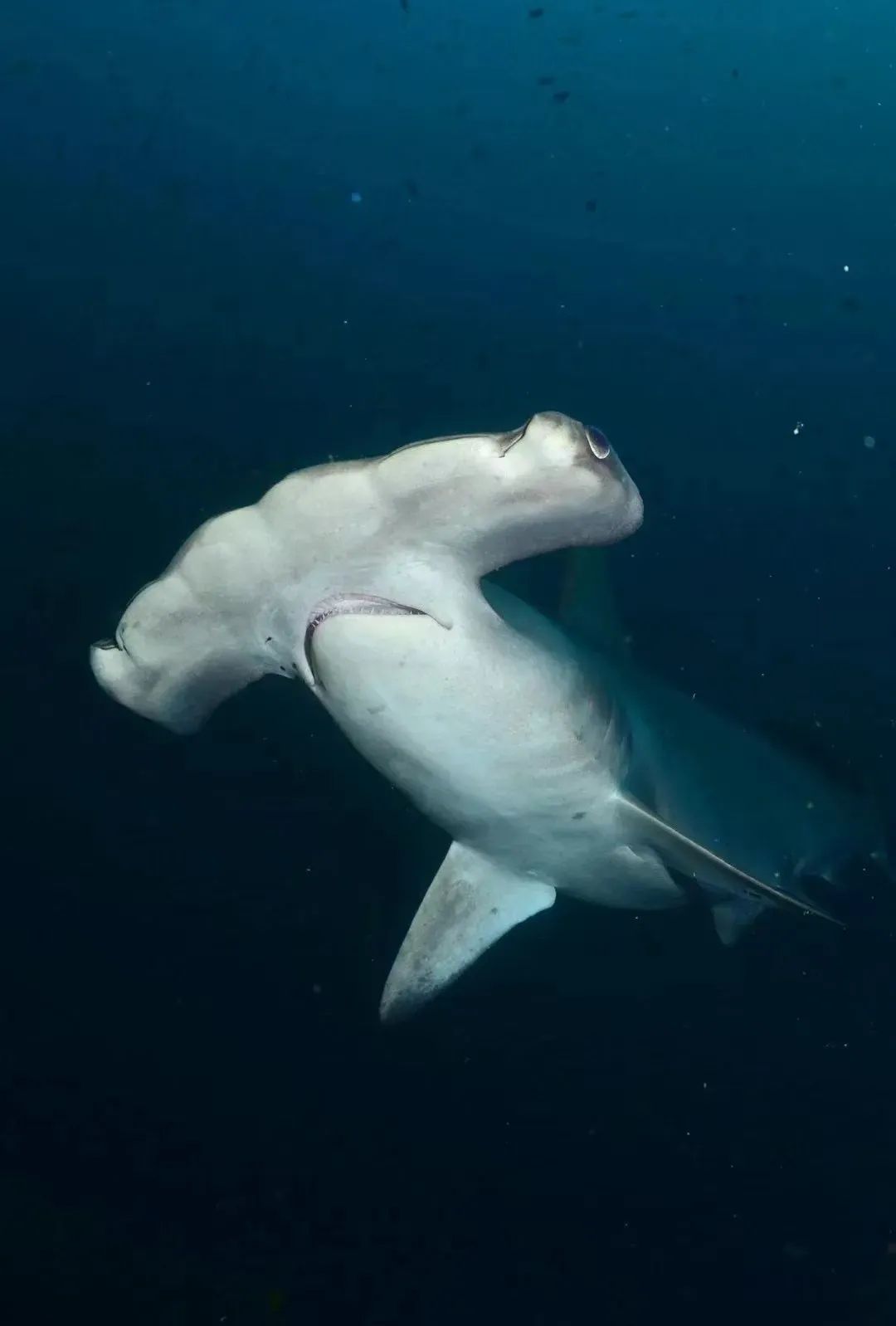
Close-up of hammerhead shark in deep blue waters of Banda Sea during Indonesia liveaboard diving expedition - Picture by Neptune Liveaboards
Beste Jahreszeit
September bis November ist die Hauptsaison. Hammerhaie wandern durch die Region und versammeln sich an Unterwasserbergen – insbesondere Pulau Ai, Manuk, Suanggi, Nil Desperandum und Serua. Das Wasser kühlt sich durch Auftrieb leicht ab und die Sichtweite beträgt 15–25 m. Die Strömungen können stark sein. Die meisten Anbieter kommen nach Abschluss der Komodo-Saison in die Banda-See, was Oktober und November zur aktivsten Zeit für Liveaboard-Verkehr macht.
März bis April ist das ruhigere Fenster für Fotografen. Die See beruhigt sich, die Sicht verbessert sich auf 20–30 m+, und die Bedingungen sind gnädiger. Hammerhai-Sichtungen sind möglich, aber weniger konzentriert. Dieses Fenster eignet sich für Taucher, die Makroaufnahmen, Weitwinkel-Riff-Fotografie und die Erkundung der außergewöhnlichen Riffsysteme der Banda-Inseln bevorzugen.
Außerhalb dieser beiden Fenster bieten die meisten Anbieter keine Reisen in die Banda-See an. Die Entfernungen sind riesig, die Überquerungen des offenen Meeres sind exponiert, und die Seebedingungen während des Monsuns machen unangenehme Passagen – solche, die selbst erfahrene Liveaboard-Reisende auf die Probe stellen. Die Banda-See ist ein Reiseziel, das man bei den richtigen Bedingungen erreichen und sowohl vom Deck als auch unter Wasser genießen möchte. Planen Sie ein gutes Saisonfenster ein.
Buchungszeitplan: Für die Hauptsaison Oktober–November buchen Sie 8–12 Monate im Voraus. Das Angebot ist das knappste aller großen indonesischen Reiseziele.
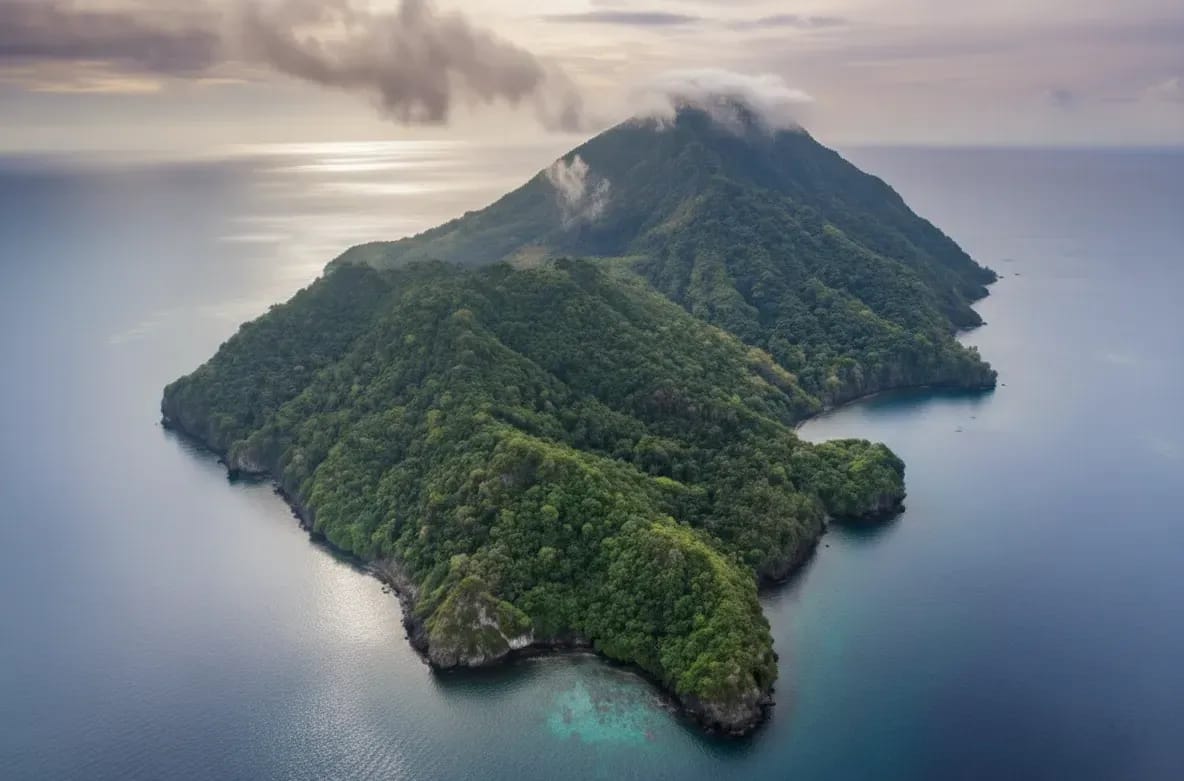
Aerial view of pristine Serua Island, a tropical island with lush green jungle, white sand beaches and crystal clear turquoise waters under dramatic cloudy sky in the Banda Sea and part of the Ring of Fire liveaboard itineraries
Anreise
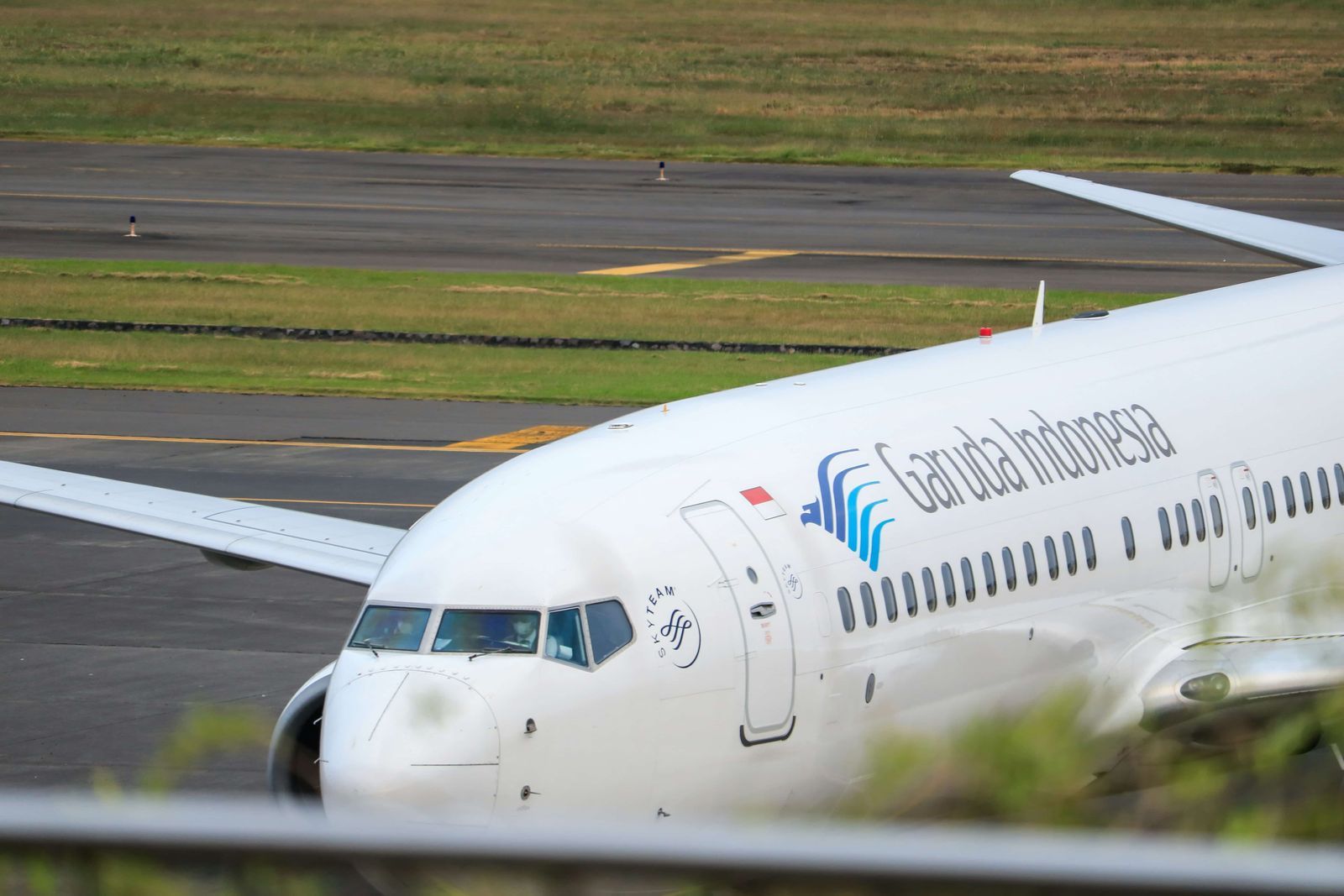
Die meisten Liveaboards in der Banda-See starten von Ambon aus. Fliegen Sie zum Flughafen Ambon (AMQ) über Jakarta (CGK) oder Bali (DPS) mit Anschluss über Makassar. Garuda Indonesia, Lion Air und Citilink bedienen die Strecke. Planen Sie einen vollen Reisetag ein und übernachten Sie in Ambon vor der Abfahrt Ihres Liveaboards.
Abflug- und Ankunftshäfen variieren je nach Route erheblich. Fahrten von Kalabahi (Alor) oder Maumere (Flores) sind üblich für Ring of Fire-Reiserouten. Sorong dient für Raja Ampat-Überfahrten. Saumlaki oder Tual dienen als Basis für Kombinationen der Vergessenen Inseln, abhängig vom Betreiber. Bestätigen Sie immer die spezifischen Ein- und Ausschiffungshäfen, bevor Sie Flüge buchen – wenn Sie dies bei einer abgelegenen Expedition falsch machen, ist das ein kostspieliger Fehler.
Die Fluglogistik für die Banda-See ist komplexer als für die meisten indonesischen Reiseziele. Verbindungen stimmen nicht immer überein, Fahrpläne ändern sich und Inlandsrouten in diesem Teil Indonesiens können unzuverlässig sein. Dies ist ein Reiseziel, bei dem es sich lohnt, jemanden mit der Verwaltung Ihrer Flüge zu beauftragen – nicht nur bequem, sondern auch praktisch. Coralbound arbeitet mit VIFA Holiday, dem führenden DMC für Indonesiens Tauchindustrie, zusammen, der Verbindungen überwacht und umbucht, wenn sich Dinge ändern.
Garuda Indonesia aircraft runway Indonesian domestic flights liveaboard transfers
Routen und Regionen
Die Banda-See ist nicht eine einzige Reise – sie ist ein riesiges Gebiet mit vielen verschiedenen Reiseroutenstrukturen, abhängig vom Betreiber, der Jahreszeit und der verfügbaren Zeit. Hier sind die Hauptroutenkategorien.
Ring of Fire
Die Ring of Fire-Reiseroute folgt dem vulkanischen Bogen Indonesiens durch die Kleinen Sundainseln und in die Banda-See. Typischerweise beginnend in Kalabahi (Alor), Maumere (Flores) oder Kupang (Timor) und endend in Ambon – oder umgekehrt – kombinieren diese Routen Alors Korallenwände und traditionelle Kultur mit den Begegnungen mit großen Tieren der Banda-See. Dauer: 10–14 Tage. Dies ist aus gutem Grund eine der beliebtesten Strukturen der Banda-See.
Banda-Inseln
Dedizierte Reiserouten zu den Banda-Inseln konzentrieren sich auf den Kernarchipel – Pulau Ai, Manuk, Gunung Api, Serua, Banda Neira und die umliegenden Tiefseeberge. Kürzer als Überführungsfahrten, typischerweise 7–10 Tage. Am besten für September–November für Hammerhaie oder März–April für Fotografie. Die effizienteste Route, wenn die Banda-See speziell das Ziel ist.
Vergessene Inseln
Die vergessenen Inseln – eine abgelegene Kette von Atollen südöstlich der Bandasee – gehören zu den am wenigsten betauchten Gewässern Indonesiens. Betreiber, die Banda mit den vergessenen Inseln kombinieren, bieten Routen von 10–14 Tagen an und erreichen Riffe, die fast keinen Freizeittourismus sehen. Außergewöhnliche Korallenbedeckung, pelagische Arten im offenen Wasser und ein Grenzlandgefühl, selbst nach den Maßstäben der Bandasee.
Erweiterte Überfahrten
Mehrere Betreiber bieten längere Überfahrten an, die die Bandasee mit Raja Ampat (Ambon nach Sorong), Triton Bay (Ambon nach Norden in Papua) oder Nord-Sulawesi und Halmahera verbinden. Dies sind typischerweise 10–14-tägige Expeditionen, die die breiteste Palette indonesischer Meeresumgebungen abdecken. Einige Routen gehen weiter – die Bandasee liegt im Herzen eines viel größeren Ökosystems und die Überfahrtsoptionen spiegeln dies wider.
Meeresleben
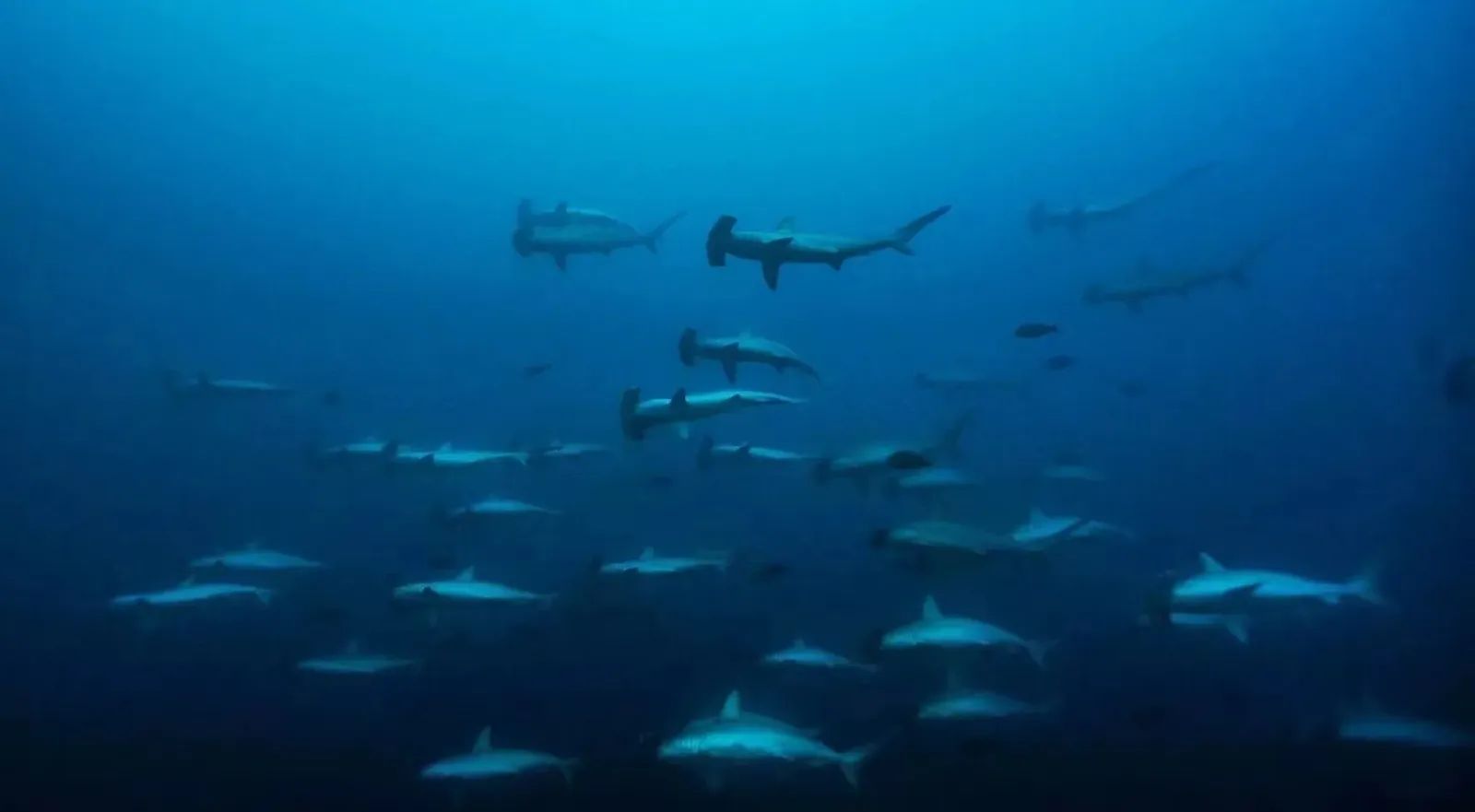
Gezähnte Hammerhaie sind die bestimmende Art. Eine stark gefährdete, stark wandernde Art⁸⁹ versammelt sich während der Migrationssaison an Tiefseebergen und abgelegenen Inseln – Pulau Ai und Suanggi für Begegnungen in der Wand und im offenen Wasser, Vulkan Manuk und der Atollkomplex Serua/Nil Desperandum/Dusborgh für die konzentrierteste Aktivität. Hammerhaie nutzen Tiefseeberge zur Navigation, Reinigung und wahrscheinlich zur Paarung – die Atollstrukturen bei Nil Desperandum ragen nahe an die Oberfläche und konzentrieren die Aktivität in tauchbaren Tiefen. Hammerhaie sind scheue Tiere – der Schlüssel zu guten Begegnungen ist, ruhig zu bleiben, an Ort und Stelle zu schweben und die Haie zu sich kommen zu lassen, anstatt sie zu jagen.
Seeschlangen sind ein charakteristisches Erlebnis in der Bandasee. Gebänderte Seeschlangen sind bei Manuk und Gunung Api zuverlässig anzutreffen – gutmütige Kreaturen, die kein Interesse an Tauchern haben. Sie tauchen regelmäßig zum Atmen auf und werden oft in beträchtlicher Zahl gesehen. Geben Sie ihnen Raum und beobachten Sie sie ruhig. Drängen Sie sie nicht in die Enge und blockieren Sie ihren Weg zur Oberfläche.
Mobula-Rochen sind während planktonreicher Perioden häufig in Formation anzutreffen, und Walbeobachtungen sind während der Überfahrten im offenen Wasser möglich – insbesondere im Oktober–November. Keines von beiden ist garantiert, aber beides wird auf den Expeditionsrouten regelmäßig dokumentiert.
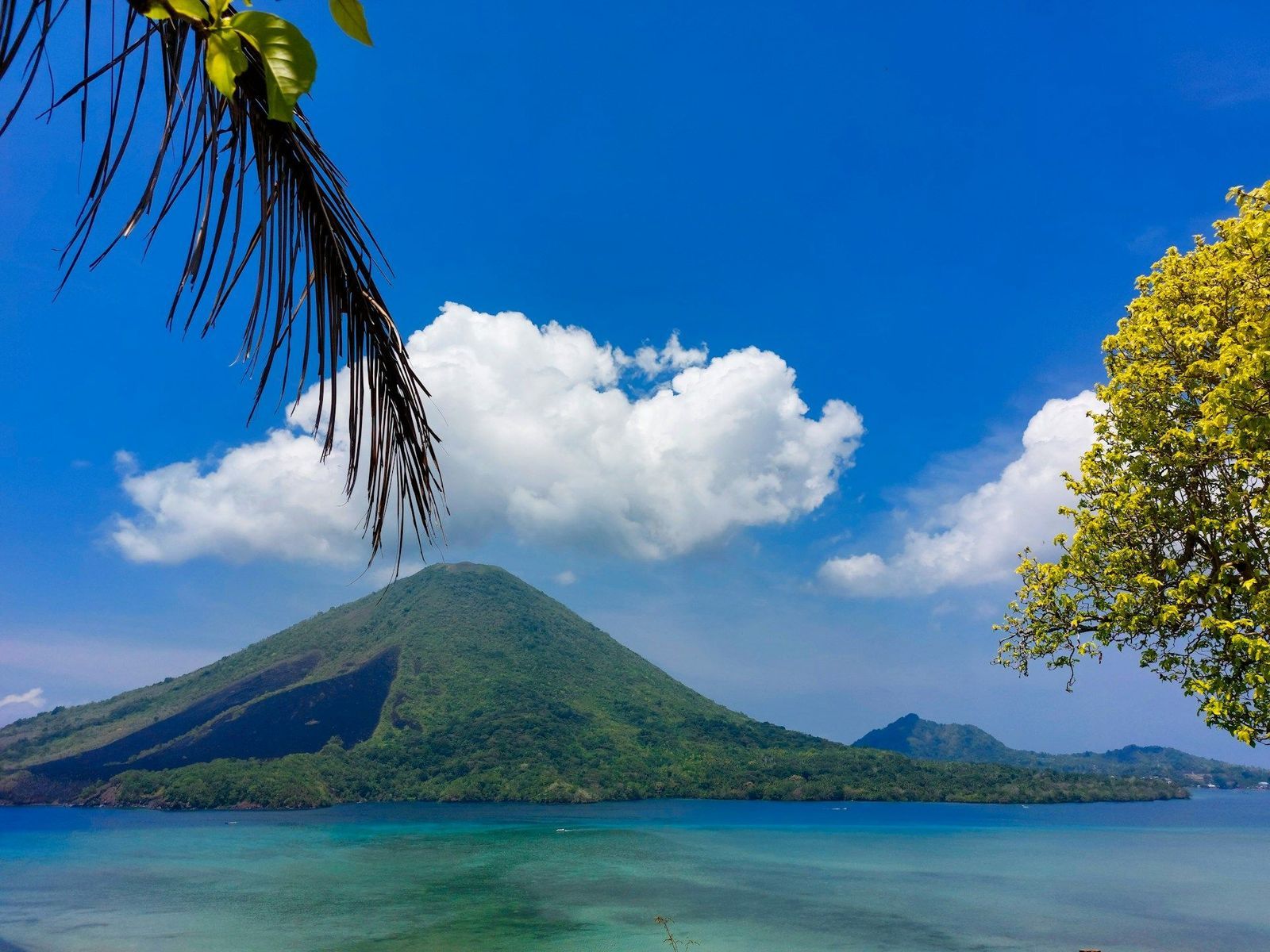
Das Makro-Tauchen hier ist Weltklasse und oft unterschätzt. Gunung Apis Lavafluss von 1988 beherbergt eine außergewöhnliche Riffdichte – Nacktschnecken, Anglerfische, Geisterpfeifenfische und endemische Arten, darunter der Banda-Kardinalfisch (Nectamia bandanensis). Viele Betreiber tauchen auch in der Laha Bay und den Gewässern um Ambon während der Einschiffung oder Ausschiffung – einer der besten Muck-Tauchplätze Indonesiens. Sonnenuntergangstauchgänge bei Banda Neira für Mandarinfische sind ein weiterer Höhepunkt, den Betreiber oft in ihre Routen einbauen. Für einen vollständigen Überblick über das Tauchen nach Kleintieren in Indonesien siehe unseren Leitfaden für das Tauchen nach Kleintieren in Indonesien.
Für einen breiteren Überblick über Begegnungen mit Großtieren in ganz Indonesien siehe unseren Leitfaden für das Tauchen nach Großtieren in Indonesien.
School of hammerhead sharks swimming in deep blue waters of Banda Sea during Indonesia liveaboard diving trip - Picture by Neptune Liveaboards
Die Gewürzinseln: Landaktivitäten
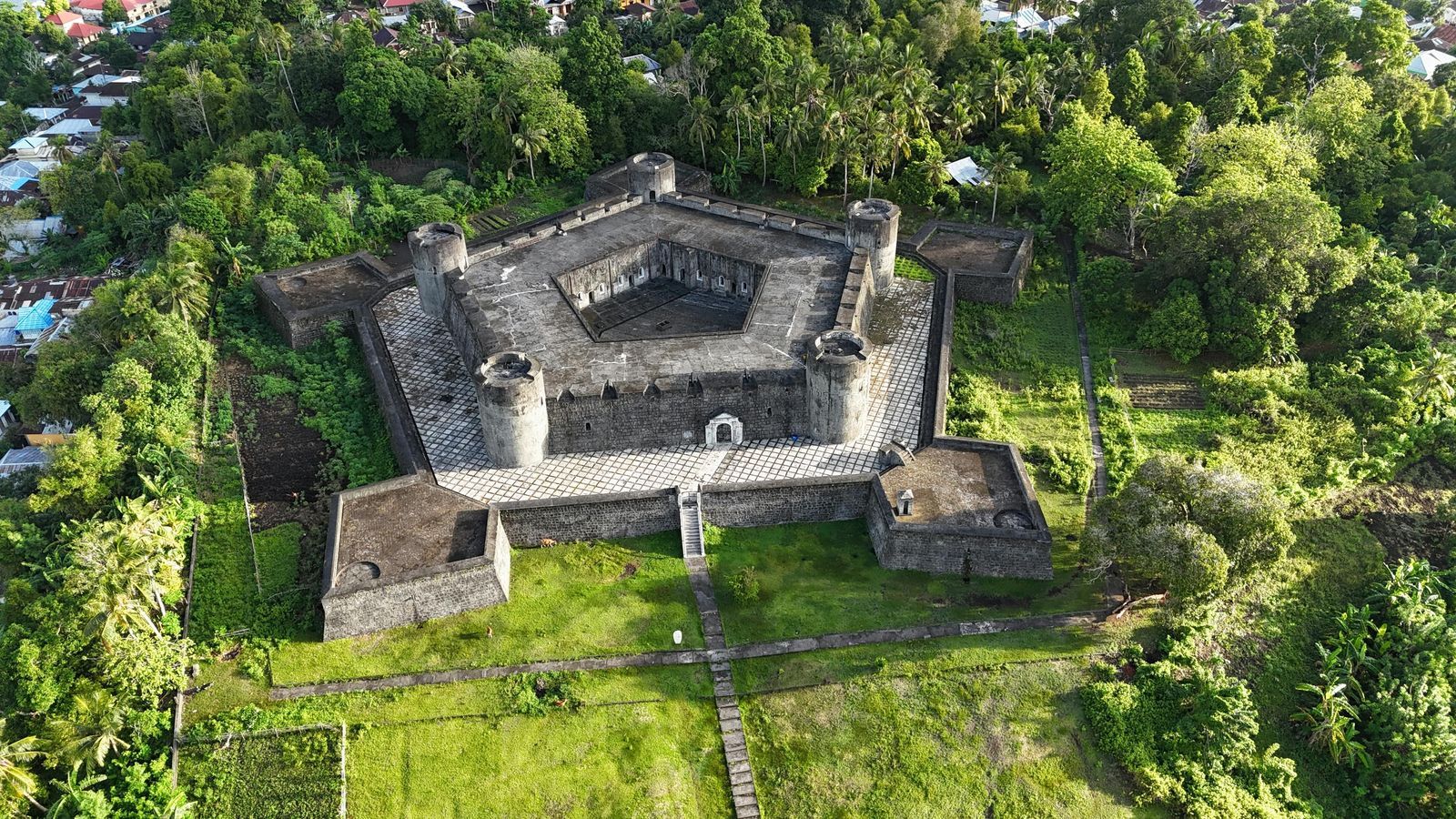
Banda Neira ist einer der historisch bedeutendsten Orte Südostasiens – jahrhundertelang das Epizentrum des globalen Muskatnusshandels, um das von portugiesischen, niederländischen und englischen Kolonialmächten gekämpft wurde.⁶ Fort Belgica, erbaut 1611, steht noch heute intakt über dem Hafen. Auf den äußeren Inseln werden weiterhin Muskatnussplantagen betrieben.
Zu den Landaktivitäten gehören typischerweise geführte Touren durch Fort Belgica und Fort Nassau, Spaziergänge auf Muskatnussplantagen mit lokalen Familien und Besuche von Dörfern, die von vier Jahrhunderten Gewürzhandel geprägt sind. Der vulkanische Kegel des Gunung Api ist über Wasser ebenso dramatisch wie unter Wasser.
Wenn Sie darüber nachdenken, Ihre Reise mit kulturellen Erlebnissen in Ambon zu verbinden oder vor oder nach der Liveaboard-Tour weitere indonesische Ziele anzusteuern, lesen Sie unseren Leitfaden für Liveaboard-Erweiterungen in Indonesien – oder kontaktieren Sie uns, wir helfen Ihnen gerne bei der Planung.
Historic Benteng Belgica fortress aerial view Banda Islands Indonesia liveaboard diving destination
Erwartungen managen
Strömungen an Hammerhai-Spots können stark sein – Riffhaken sind Standardausrüstung und Guides planen Tauchgänge sorgfältig nach Gezeitenfenstern. Die Bedingungen variieren von Tag zu Tag und von Spot zu Spot. Wenn ein Spot bei einem Tauchgang nicht funktioniert, haben erfahrene Betreiber Alternativen und Ausweichrouten.
Hammerhai-Sichtungen sind saisonal und ortsabhängig. Betreiber berichten durchweg von zuverlässigen Ergebnissen während der Hochsaison, aber Wildtiere sind bei keinem einzelnen Tauchgang garantiert. Hammerhaie sind scheu – der Schlüssel ist ruhiges, geduldiges Schweben am seamount, anstatt aktiv dem Schwarm nachzujagen. Haie, die sich bedrängt oder gejagt fühlen, verschwinden ins tiefere Wasser. Lassen Sie sie zu Ihnen kommen.
Eine Reiseversicherung wird für jede Banda-See-Reise dringend empfohlen. Anzahlungen sind in der Regel nicht erstattungsfähig und die Restzahlungen sind oft 60–90 Tage vor Abflug fällig – bei Reisen, die 5.000–10.000 US-Dollar oder mehr kosten, ist dies ein erhebliches Risiko, wenn etwas Sie an der Reise hindert. Krankheit, Flugannullierungen oder persönliche Notfälle können eine Versicherung zum entscheidenden Faktor zwischen einem großen finanziellen Verlust und einem neu gebuchten Abenteuer machen.
Die abgelegene Lage bedeutet eingeschränkten Zugang zu medizinischer Notfallversorgung. Das nächste Krankenhaus mit nennenswerter Kapazität befindet sich in Ambon oder Makassar. Eine Tauchversicherung, die medizinische Notfallevakuierung einschließt, ist hier kein optionales Extra – bestätigen Sie, dass Ihre Police Tauchgänge bis mindestens 40 m abdeckt.
Gestreifte Seeschlangen bei Manuk und Gunung Api sind giftig, aber scheu und sanftmütig und haben kein Interesse an Tauchern. Geben Sie ihnen Raum, versperren Sie ihnen nicht den Weg zur Oberfläche und beobachten Sie sie aus respektvoller Entfernung. Sie verleihen dem Tauchen im Banda-Meer etwas Einzigartiges – behandeln Sie sie entsprechend.
Banda Neira volcanic island crystal clear waters Indonesia liveaboard diving cruise destination
Häufig gestellte Fragen
Wie sehen die meisten Reisen ins Banda-Meer aus?
Die meisten Liveaboard-Touren im Banda-Meer decken mehrere Regionen ab – das ist die Natur des Reiseziels. Das Meer ist riesig, die Tauchplätze sind über Hunderte von Kilometern verteilt, und die beliebtesten Routen sind Überquerungen: Ring of Fire-Routen von Alor oder Flores nach Ambon, Erweiterungen der Vergessenen Inseln, Überquerungen von Raja Ampat oder Verbindungen nach Triton Bay. Spezielle Touren nur zu den Banda-Inseln existieren, sind aber seltener. Wenn Sie sich Reiseoptionen ansehen, erwarten Sie Routen, die mehrere Inselgruppen und Regionen kombinieren, anstatt in einem Gebiet zu bleiben.
Ist es sicher, mit Seeschlangen zu tauchen?
Ja. Gestreifte Seeschlangen sind giftig, aber scheu und sanftmütig – sie haben kein Interesse an Tauchern und es gibt keine dokumentierten Angriffe auf Taucher im Banda-Meer. Bedrängen Sie sie nicht, versperren Sie ihnen nicht den Weg zur Oberfläche und beobachten Sie sie ruhig aus respektvoller Entfernung. Sie sind eine der markantesten Begegnungen beim Tauchen in Indonesien.
Wie erfahren muss ich für das Tauchen im Banda-Meer sein?
Eine Advanced Open Water-Zertifizierung wird empfohlen, insbesondere für Hammerhai-Tauchplätze, wo die Strömungen stark sein können und die Tauchgänge im offenen Wasser oder in beträchtlicher Tiefe stattfinden. Erfahrung im Strömungstauchen ist wichtig – insbesondere Fähigkeiten im Umgang mit dem Reef Hook. Einige Boote nehmen Open Water-Taucher und Schnorchler auf Freizeittouren mit, aber wenn Hammerhai-Begegnungen das Ziel sind, erfordern die Tauchbedingungen eine angemessene Vorbereitung. Prüfen Sie die individuellen Anforderungen der Betreiber in deren Angeboten.
Benötige ich spezielle Ausrüstung für Tauchgänge im Banda-Meer?
Ein Riffhaken ist unerlässlich – betrachten Sie ihn als obligatorisch, nicht als optional. Eine Oberflächenmarkierungsboje ist bei allen Tauchgängen erforderlich. Ein Nitrox-Zertifikat wird dringend empfohlen, angesichts der mehrtägigen Tauchgänge in der Tiefe. Bringen Sie einen 3–5 mm Neoprenanzug mit Haube mit; Auftrieb während der Hammerhai-Saison macht das Wasser merklich kühler, als Sie vielleicht erwarten. Eine vollständige Ausrüstungsanleitung finden Sie in unserem Packleitfaden für Liveaboards in Indonesien.
Wie komme ich von Bali nach Ambon?
Fliegen Sie von Bali (DPS) nach Ambon (AMQ) mit einem Zwischenstopp in Makassar. Garuda Indonesia und Lion Air sind die Hauptfluggesellschaften. Planen Sie einen vollen Reisetag ein und übernachten Sie in Ambon vor der Abreise. Planen Sie Ihren internationalen Rückflug nicht am selben Tag wie die Ausschiffung von Ihrem Liveaboard.
Wie ist der Schutzstatus von Großaugen-Hammerhaien?
Großaugen-Hammerhaie sind auf der Roten Liste der IUCN⁸ als vom Aussterben bedroht eingestuft, wobei die weltweiten Populationen schätzungsweise stark zurückgegangen sind.⁷ Indonesien ist eines der weltweit führenden Länder für den Hai Fang, was geschützte Aggregationsstätten im Banda-Meer für das langfristige Überleben der Art bedeutsam macht. Die Sunda Banda Seascape verfügt über 85 ausgewiesene Meeresschutzgebiete.¹
Ist Makro-Tauchen im Banda-Meer gut?
Ausgezeichnet – und oft unterschätzt angesichts des Rufs der Hammerhaie. Die Lavafluss-Erholung am Gunung Api beherbergt eine außergewöhnliche Makrofauna: Nacktschnecken, Anglerfische, Geisterpfeifenfische und endemische Arten, darunter der Banda-Kardinalfisch (Nectamia bandanensis). Viele Betreiber tauchen während der Einschiffung oder Ausschiffung in der Laha Bay bei Ambon – einem der besten Muck-Tauchplätze Indonesiens. Nachttauchgänge bei Banda Neira für Mandarinfische sind ein weiteres Highlight, das regelmäßig auf Routenplänen steht. Für das vollständige Bild des Tauchens auf kleine Tiere in Indonesien siehe unseren Leitfaden für das Tauchen auf kleine Tiere in Indonesien.
Kann ich im Banda-Meer Walhaie sehen?
Mögliche Sichtungen sind während der Überquerung des offenen Meeres dokumentiert, aber Walhaie stehen hier nicht im Fokus. Für spezielle Walhai-Begegnungen in Indonesien sind Cenderawasih Bay und Triton Bay die richtigen Ziele. Unser Leitfaden für Walhaie in Indonesien deckt alle Optionen ab. Für einen breiteren Überblick über das Tauchen auf Großtiere in ganz Indonesien siehe unseren Leitfaden für Großtiere.
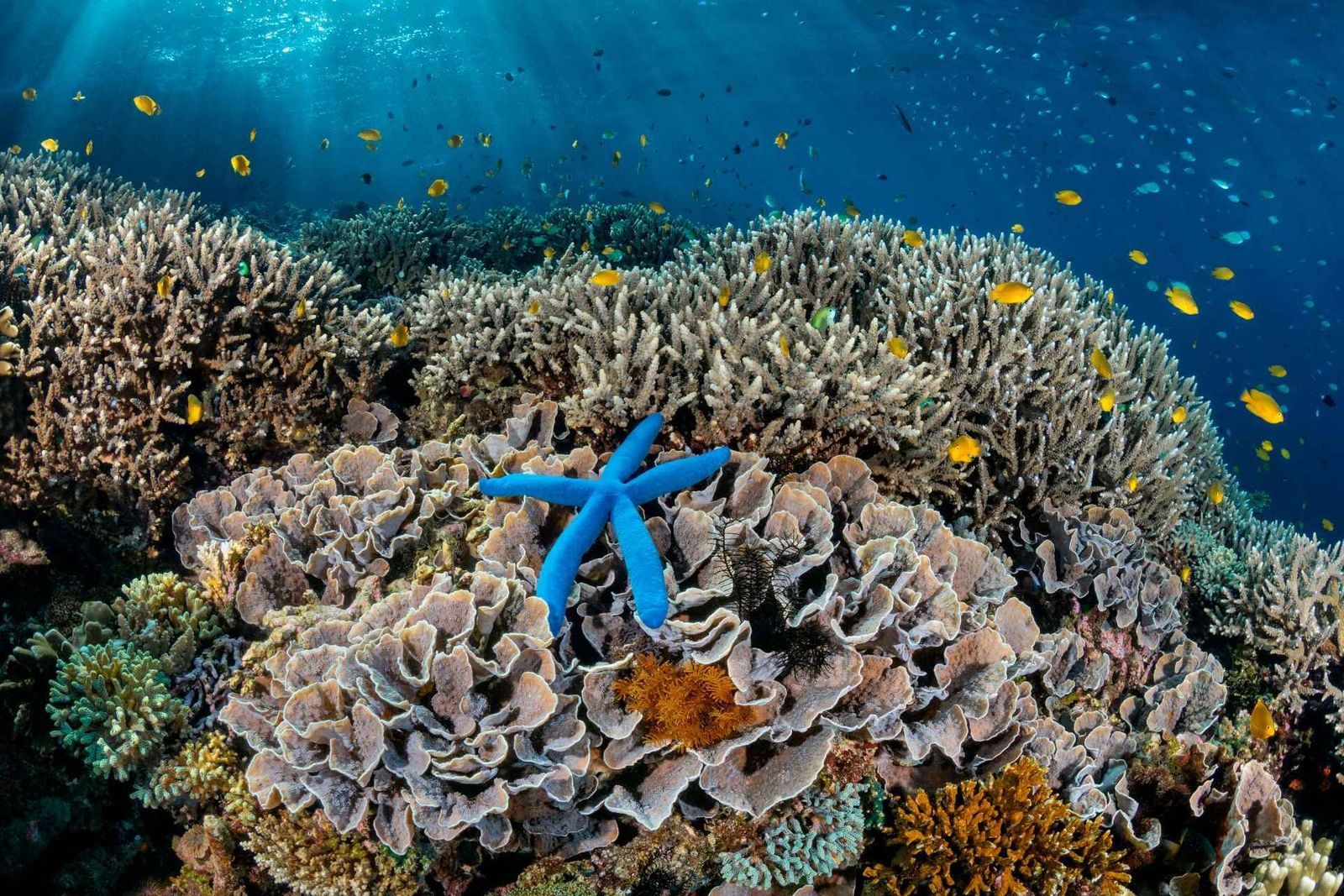
Diverse coral reef ecosystem with blue sea star and yellow fish in Indonesian waters, liveaboard diving - Picture by Majik Liveaboard
Buchen Sie Ihre Banda-See-Reise
Wir sind eine in Bali ansässige Plattform, die von Tauchern betrieben wird, die die Banda-See gut kennen. Sie zahlen den gleichen Preis, wenn Sie über uns buchen, wie bei einer Direktbuchung – die Betreiber halten die Preise über alle Kanäle hinweg gleich. Jede Buchung über Coralbound beinhaltet ein Buchungsgeschenk – einschließlich der Option einer kostenlosen Hotelnacht – und Sie erhalten zusätzlichen echten Support: Koordination von Inlandsflügen über VIFA Holiday und ein Team, das versteht, was für die richtige Durchführung einer abgelegenen Expedition erforderlich ist.
Fragen vor der Buchung? Schicken Sie uns eine Nachricht auf WhatsApp oder erreichen Sie uns über unser Kontaktformular. Möchten Sie mehr darüber erfahren, wie wir arbeiten? Lesen Sie unsere Seite Warum mit Coralbound buchen.