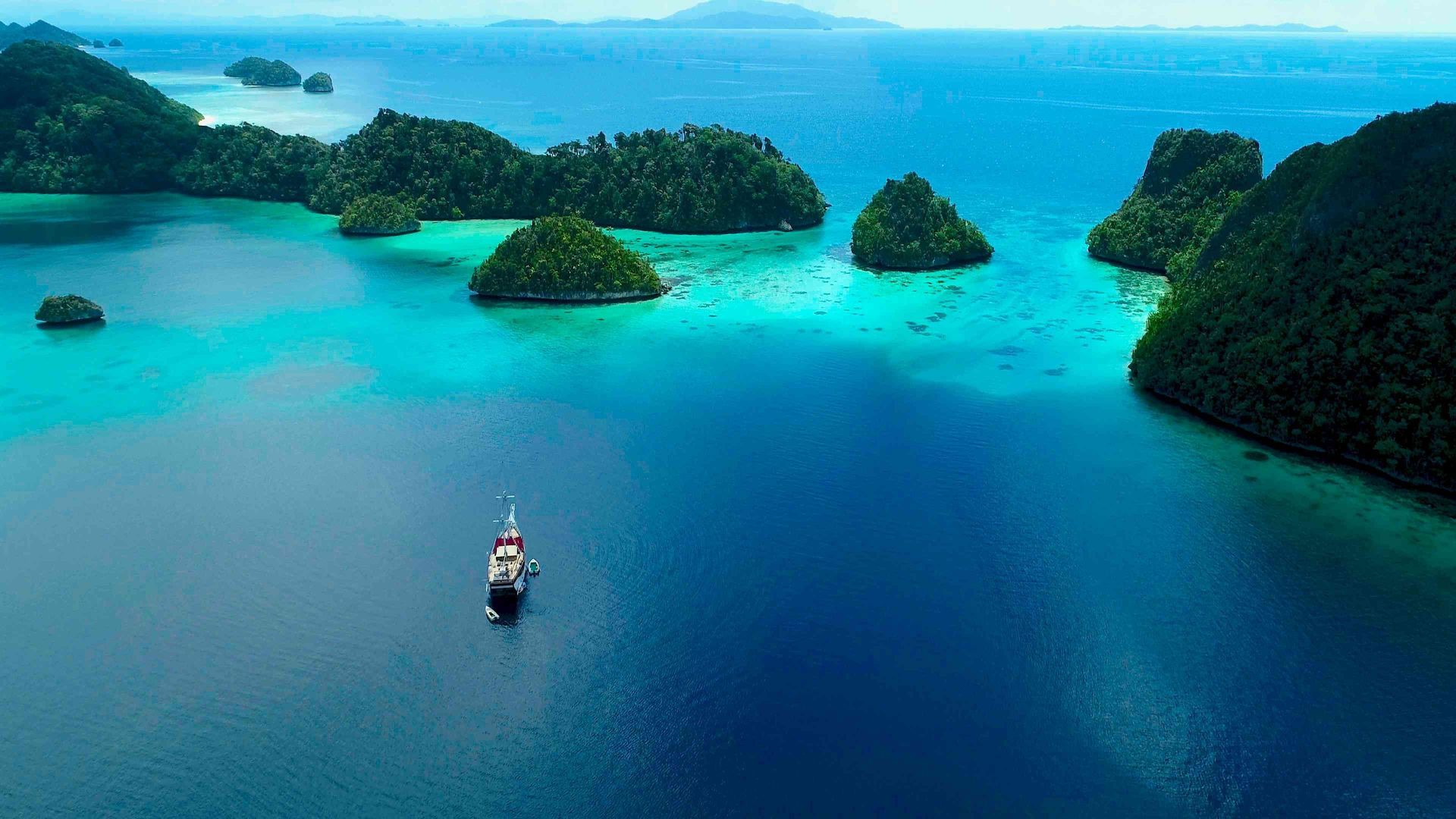
Raja Ampat ist das Zentrum der marinen Artenvielfalt der Welt. Mehr Korallen- und Fischarten pro Quadratkilometer als irgendwo sonst auf der Erde. Endemische Arten, die nirgendwo sonst vorkommen. Und Riffe, die Meeresbiologen als einige der letzten unberührten Riffsysteme der Welt beschreiben – so sieht Tauchen im Herzen des Korallendreiecks tatsächlich aus.
Dieser Leitfaden behandelt alles, was Sie für die Planung einer Raja Ampat Liveaboard-Reise benötigen: beste Jahreszeiten, Tauchregionen, Anreise, was Sie erwartet und welches Budget Sie einplanen sollten. Er ist Teil unseres umfassenden Liveaboard-Leitfadens für Indonesien – der zentrale Knotenpunkt für alle indonesischen Tauchdestinationen. Möchten Sie zuerst einen schnellen Überblick? Sehen Sie sich unsere Raja Ampat-Zielseite.
Schnelle Fakten über Raja Ampat
- Beste Jahreszeit: Oktober–April für ruhige See, maximale Mantarochenaktivität und beste Sicht
- Korallenarten: 574 Arten – 95 % der Vielfalt des Korallendreiecks, 72 % des weltweiten Gesamtbestands¹
- Fischarten: über 1.500 dokumentierte Riff-Fischarten⁵
- Wassertemperatur: 27–30 °C ganzjährig
- Sichtweite: typisch 15–30 m, an Top-Spots über 40 m
- Tauchgänge pro Tag: 3–4 inklusive Nachttauchgänge auf den meisten Routen
- Wer kann teilnehmen: Die meisten Boote heißen alle Gäste willkommen, ob tauchend oder nicht
- Erfahrungsstufe: Mindestens Open Water, aktuelle Erfahrung für einige Tauchplätze empfohlen
- Reisedauer: 7–14 Tage empfohlen
- Kostenbereich: 150–1.200+ $ pro Tag, je nach Schiffskategorie
- Zielflughafen: Sorong (SOQ) über Jakarta (CGK), Makassar (UPG) oder Bali (DPS)
- Buchungsvorlaufzeit: 6–12 Monate für die Hauptsaison (Dezember–März)
Schnelle Antworten
Wann ist die beste Reisezeit für Raja Ampat?
Oktober bis April bietet die besten Bedingungen – ruhige See, gute Sicht und maximale Mantarochenaktivität an den Putzerstationen. Dezember bis März ist die Hauptsaison mit der höchsten Mantarochenaktivität. April ist die Übergangszeit mit guten Tauchbedingungen und weniger Booten. Juli bis September bringt stärkere Passatwinde; die meisten Betreiber verlegen ihre Schiffe, obwohl einige bleiben und sich auf zentrale Routen konzentrieren.
Wie viel kostet ein Raja Ampat Liveaboard?
Budget-Schiffe beginnen bei 150–300 $ pro Tag. Mittelklasse kostet 300–600 $ pro Tag mit privaten oder geteilten Kabinen, Kameraräumen und Nitrox. Luxus liegt bei 600–1.200+ $ pro Tag. Die meisten Routen dauern 7–14 Tage – planen Sie das Budget für die gesamte Reise inklusive der Naturschutzgebühren für Raja Ampat ein. Unser Leitfaden für Liveaboard-Kategorien erklärt, was Sie auf jeder Stufe erwarten können.
Benötige ich eine fortgeschrittene Zertifizierung für Raja Ampat?
Nein — Freiwasser wird auf den meisten Booten akzeptiert. Mittlere Erfahrung wird empfohlen, da viele der besten Tauchplätze von Raja Ampat moderate Strömungen aufweisen. Zentrale Routen um die Gam-Insel und die Dampier-Straße sind anfängerfreundlich, mit Tauchplätzen für alle Niveaus neben fortgeschritteneren Tauchgängen.
Welche Meereslebewesen werde ich in Raja Ampat sehen?
Mantarochen an Putzerstationen von Oktober bis April — sowohl Riff- als auch ozeanische Mantas. Laufhaie (Epaulettenhaie) und Wobbegongs, die endemisch für diese Region sind. Zwergseepferdchen, Mandarin-Fische, Geisterpfeifenfische und Hunderte von Nacktschneckenarten. Massive Schwärme von Barrakudas, Makrelen und Füsiliere um Unterwasserberge. Riffhaie an den meisten Tauchplätzen. Die Dichte des Lebens auf jeder Ebene ist es, was Raja Ampat anders macht — ein einziger Tauchgang am Kap Kri kann mehr Arten hervorbringen als eine ganze Woche anderswo.
Ist Raja Ampat für Anfänger geeignet?
Ja — mit der richtigen Reiseroute. Zentrale Routen um die Gam-Insel eignen sich gut für neue Taucher, mit geschützten Buchten und sanften Bedingungen. Die meisten Betreiber führen am ersten Tag einen Check-Tauchgang durch und passen die Auswahl der Tauchplätze entsprechend an. Wenn es Ihre erste Liveaboard-Reise ist, finden Sie in unserem Anfängerleitfaden Informationen darüber, was Sie erwartet.
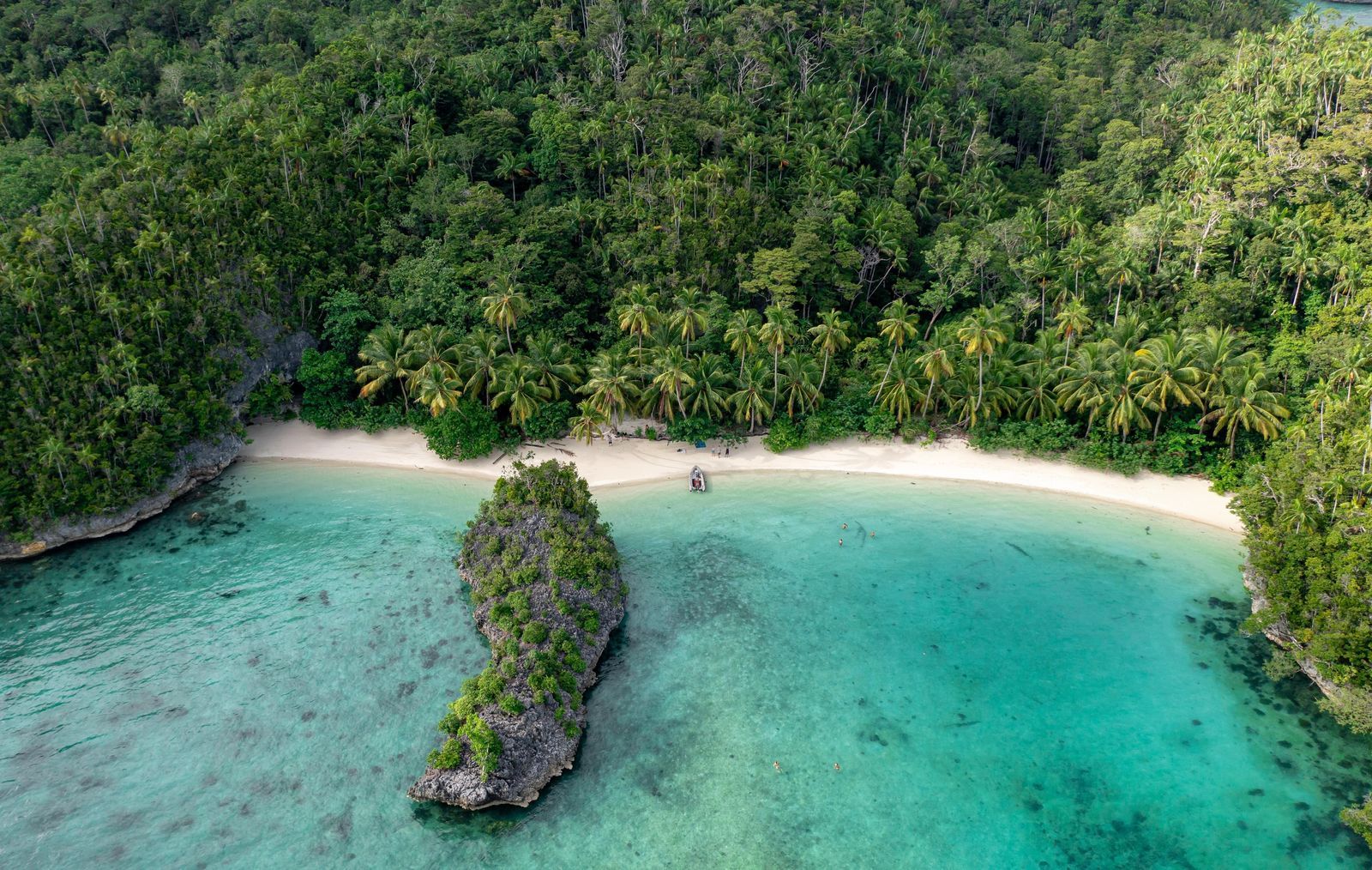
Aerial view of secluded tropical beach with crystal clear waters in Indonesia, accessible by liveaboard diving cruise
Warum sollten Sie sich für Raja Ampat entscheiden?
Raja Ampat liegt im Herzen des Korallendreiecks — genauer gesagt im Bird's Head Seascape von Westpapua⁶, das mehr Korallendiversität aufweist als jeder andere Ort der Erde. Die 574 Korallenarten hier repräsentieren 95 % der gesamten Korallendiversität des Korallendreiecks und 72 % des weltweiten Gesamtbestandes¹ ². Der Meeresbiologe Dr. Gerald Allen verzeichnete 2012³ bei einem einzigen Tauchgang am Kap Kri 374 Fischarten — eine Zahl, die mehr darüber aussagt, wie sich das Tauchen hier tatsächlich anfühlt, als jede allgemeine Beschreibung es kann.
Im Gegensatz zu den Vulkaninseln im Westen Indonesiens — wo steile Berghänge direkt ins Meer abfallen, Klippen auf das Wasser treffen und Strände selten sind — ist Raja Ampat Karstkalkstein. Das Ergebnis ist eine Landschaft, die sich die meisten Menschen vorstellen, wenn sie an ein tropisches Paradies denken: smaragdgrüne Inseln, die aus flachem türkisfarbenem Wasser aufragen, versteckte Lagunen, weiße Sandstrände und endlose geschützte Buchten. Über und unter Wasser sieht es aus wie nirgendwo sonst in Indonesien.
Was die Riffe in einem so außergewöhnlichen Zustand hält, ist eine Kombination aus Geografie und Schutz. Der indonesische Durchfluss transportiert nährstoffreiches Wasser durch den Archipel. Die relative Abgelegenheit von Raja Ampat hat den Fischereidruck niedrig gehalten. Und im Jahr 2007 erklärte die indonesische Regierung ein Netzwerk von Meeresschutzgebieten, das 1,2 Millionen Hektar⁴ umfasst, wobei lokale Gemeinschaften von Anfang an aktiv am Naturschutz beteiligt waren — Raja Ampat ist ein globales Modell dafür, wie Meerestourismus und Naturschutz zusammenarbeiten können.
Fragen Sie sich, wie Raja Ampat im Vergleich zu anderen Reisezielen abschneidet? Unser Leitfaden „Warum Indonesien wählen“ deckt das Gesamtbild ab.
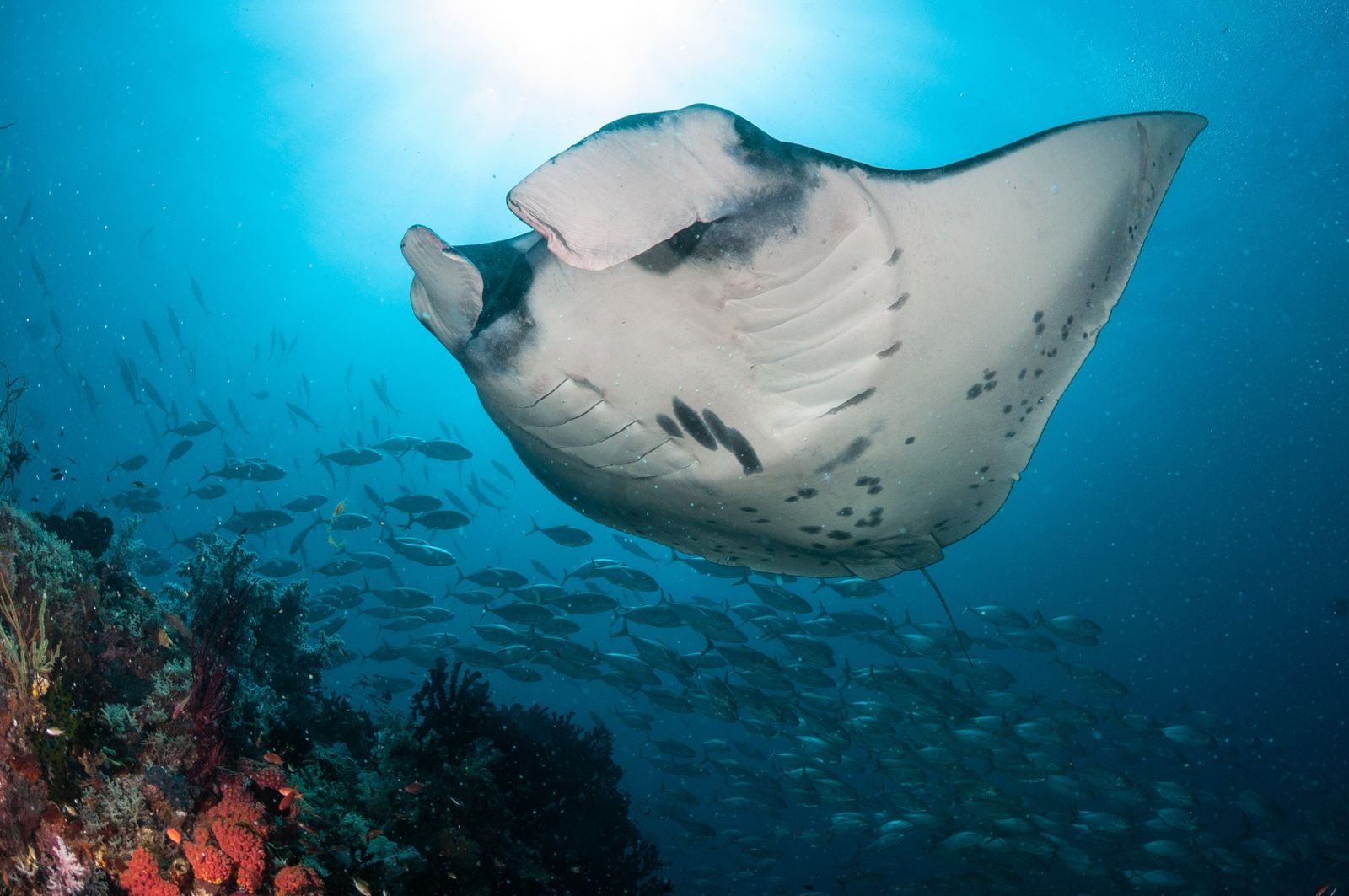
Giant manta ray close-up underwater photograph Raja Ampat diving Indonesia liveaboard destination - Picture by Dewi Nusantara
Beste Reisezeit für Raja Ampat
Oktober–April ist die Hauptsaison für Liveaboards. Die See ist ruhig, die Sicht ist optimal und die Mantarochenaktivität an Reinigungsstationen wie Manta Sandy und Manta Ridge ist am besten. Dezember bis März ist Hauptsaison – buchen Sie für dieses Zeitfenster 6–12 Monate im Voraus.
Mai–Juni ist eine Übergangszeit. Die Bedingungen sind wechselhaft, einige Betreiber haben reduzierte Fahrpläne und die Menschenmassen dünnen aus. Gutes Tauchen mit Potenzial für Last-Minute-Verfügbarkeit.
Juli–September bringt die südöstlichen Passatwinde. Die See kann rau werden, besonders in südlichen Gebieten wie Misool. Die meisten Liveaboards verlegen während dieser Zeit nach Komodo oder zu anderen indonesischen Zielen. Einige Betreiber bleiben und betreiben Routen durch Zentral-Raja Ampat und die Dampierstraße – die Bedingungen können an geschützten Stellen immer noch ausgezeichnet sein, aber unbeständiges Wetter ist üblich. Wenn Sie in diesem Zeitraum reisen, gehen Sie mit flexiblen Erwartungen an die Sache heran.
Für detaillierte Monatsübersichten siehe unseren Leitfaden zu den saisonalen Mustern Indonesiens.
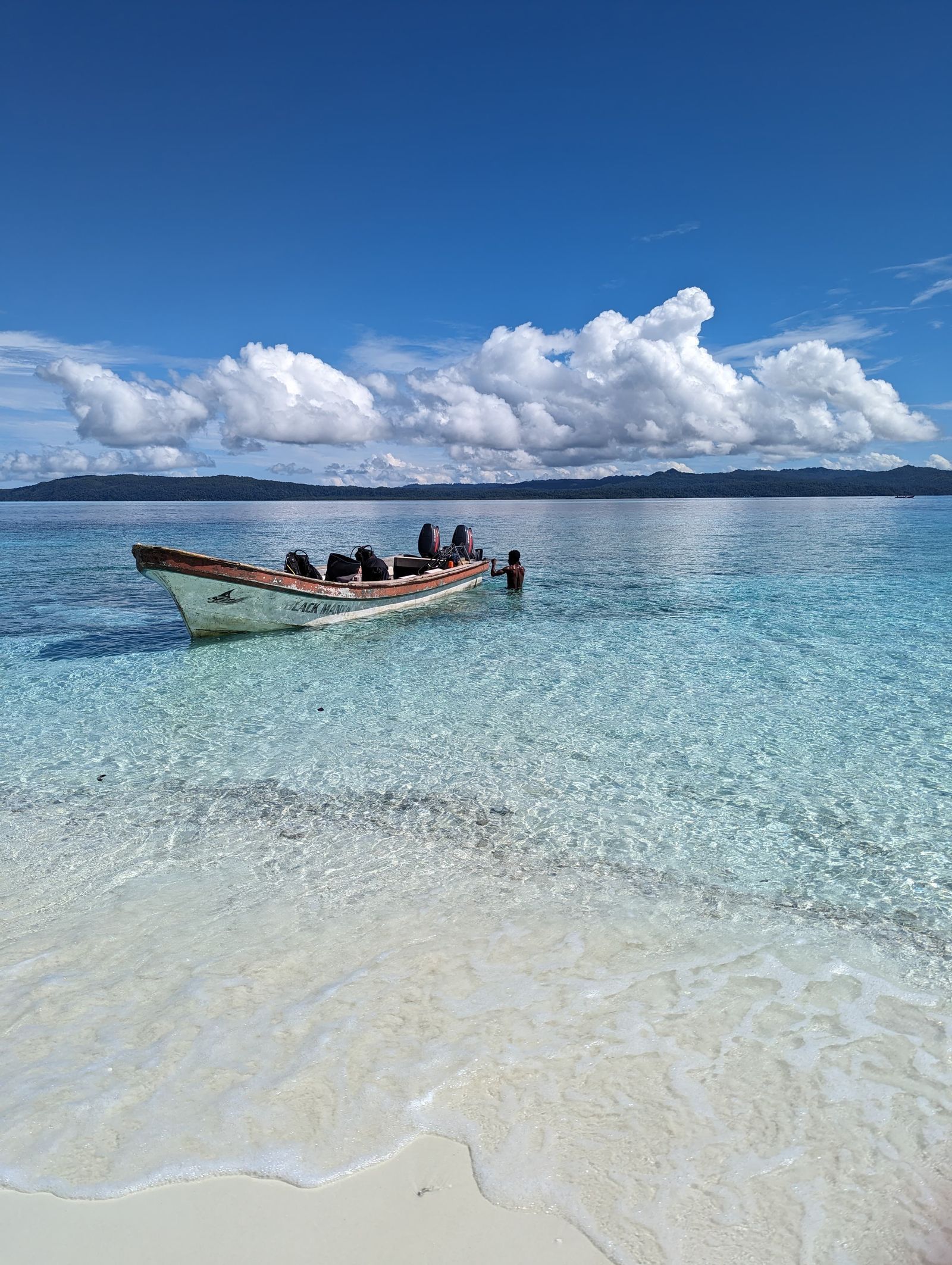
Local Boat in calm crystal clear seas of Raja Ampat. Perfect for diving and liveaboard expeditions - Picture by Tina Bogdanova
Anreise
Tor: Der Flughafen Sorong (SOQ) ist der wichtigste Abflughafen für Raja Ampat Liveaboards. Die meisten internationalen Reisenden nehmen Verbindungen über Jakarta (CGK) oder Bali (DPS) mit Inlandsflügen.
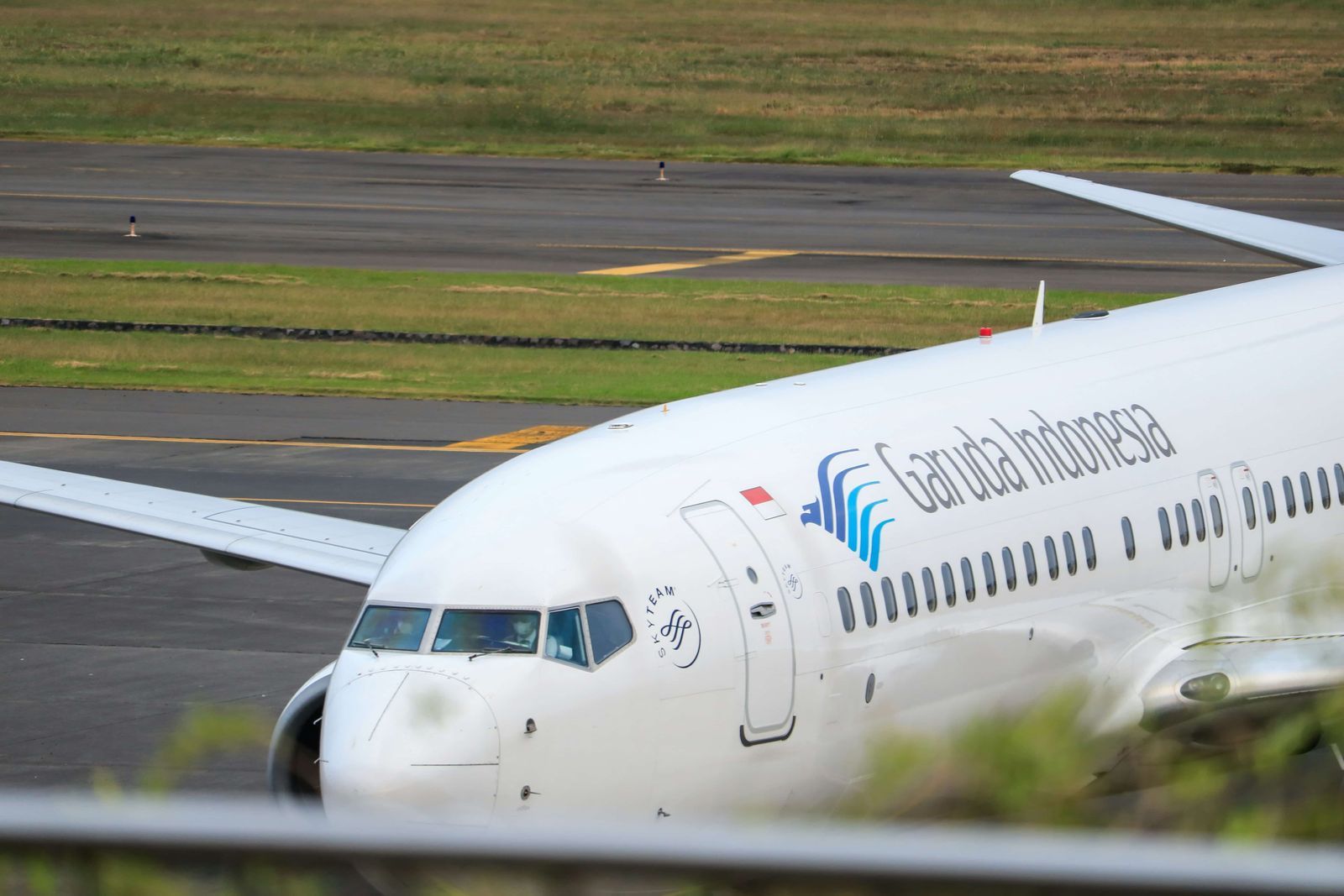
Von Jakarta: Tägliche Direktflüge nach Sorong mit Garuda Indonesia, Batik Air und Nam Air. Flugzeit ca. 4,5–5 Stunden. Die zuverlässigste Route.
Von Bali: Direktflüge nach Sorong erscheinen auf einigen Flugplänen, werden aber häufig aufgrund unzureichender Auslastung über Jakarta umgeleitet – was sie effektiv zu einem langen Zwischenstopp macht. Planen Sie eine Verbindung über Jakarta ein, anstatt sich auf einen Direktflug von Bali nach Sorong zu verlassen, und Sie vermeiden unangenehme Überraschungen.
Ankunfts-Puffer: Kommen Sie mindestens eine Nacht vor Abflug Ihres Tauchsafarischiffes in Sorong an. Verspätungen bei Inlandsflügen auf abgelegenen Routen sind häufig. Wir inkludieren eine Nacht im Swiss-Belhotel Sorong als Buchungsgeschenk, das Sie in Hafennähe bringt und Ihnen eine logistische Sorge abnimmt.
Anreise nach Raja Ampat von Sorong: Die meisten Tauchsafari-Schiffe – die Mehrheit traditioneller Phinisi, hölzerner Segelschiffe, die von den Bugis-Gemeinschaften Süd-Sulawesis gebaut wurden – legen direkt im Hafen von Sorong ab. Eine öffentliche Fähre verkehrt auch von Sorong nach Waisai (der Hauptstadt von Raja Ampat) und benötigt etwa zwei Stunden. Sie ist nützlich für diejenigen, die unabhängig anreisen oder ihren Aufenthalt in einem Resort verlängern möchten.
Alternative Häfen: Einige Routen nutzen Waisai oder Kaimana als Abfahrts- oder Ankunftsorte, abhängig vom Betreiber und der Route. Ihre Transferlogistik hängt von Ihrem spezifischen Schiff ab – bestätigen Sie dies bei der Buchung mit uns.
Das indonesische Inlandsflugnetz erfordert lokale Kenntnisse – Flugpläne ändern sich, Flugwebseiten akzeptieren oft keine ausländischen Karten und kurzfristige Störungen sind Teil der Realität. Wir koordinieren Inlandsflüge über VIFA Holiday – den führenden DMC für Indonesiens Tauchindustrie – die Ihre Buchungen in Echtzeit überwachen und bei Problemen sofort neu buchen.
Garuda Indonesia aircraft runway Indonesian domestic flights liveaboard transfers
Anreise nach Raja Ampat
Tauchregionen von Raja Ampat
Raja Ampat teilt sich in drei Haupttauchregionen auf, jede mit einem eigenen Charakter. Es ist ein geografisch großes Gebiet – Übernachttransfers zwischen den Regionen sind normal und die Überfahrten können holprig sein. Dies ist Tauchen auf Expeditionsebene mit dem Tauchsafari-Schiff, kein Resort-Urlaub.
Nördliches Raja Ampat — Wayag und Kawe
Die abgelegenste und dramatischste Region mit den ikonischen pilzförmigen Karstinseln. Weniger Tauchsafaris erreichen diese Gegend, wodurch sie wirklich menschenleer ist. Orte wie Bird Wall, Black Rock und Eagle Rock bieten spektakuläre Tauchgänge, und der Steg der Wayag Ranger Station ist berühmt für Schwarzspitzen-Riffhaie, die in den flachen Gewässern patrouillieren. Am besten geeignet für fortgeschrittene Taucher, die mit abgelegenen Orten und wechselnden Bedingungen vertraut sind.
Typische Tauchplätze: Black Rock, Eagle Rock, Wayag Lagoon.
Zentrales Raja Ampat — Dampier-Straße
Die am besten zugängliche Region und die höchste Konzentration an Tauchplätzen im Archipel. Cape Kri hält den Weltrekord für Fischarten, die bei einem einzigen Tauchgang gezählt wurden — 374 Arten in 90 Minuten, aufgezeichnet von Dr. Gerald Allen im Jahr 2012³. Blue Magic, ein untergetauchter Seamount nördlich von Kri Island, ist ein Ort, an dem regelmäßig ozeanische Mantarochen auftauchen und an starken Strömungstagen aus der Tiefe aufsteigen. Hier konzentrieren sich die meisten 7-Tage-Reiserouten, und sowohl Anfänger als auch fortgeschrittene Taucher finden hier das Beste von Raja Ampat in einer Region.
Typische Tauchplätze: Cape Kri, Chicken Reef, Blue Magic, Sawandarek Jetty, Arborek Jetty.
Südliches Raja Ampat — Misool
Eine der bedeutendsten Erfolgsgeschichten im Bereich Meeresschutz in Südostasien — und ein Modell, das nun auch anderswo auf der Welt nachgeahmt wird. Im Jahr 2005 wurden die Gewässer um Misool durch rücksichtsloses Fischen von Haifischflossen, Riffsprengungen und zerstörerische Fischerei verwüstet. In diesem Jahr schloss sich das Misool Resort mit lokalen Gemeinschaften zusammen, um das Meer und die Riffe direkt von den Dörfern zu pachten und die erste No-Take-Zone der Region einzurichten. Die Misool Foundation⁷ verwaltet nun ein Meeresschutzgebiet von 300.000 Acres, das 24 Stunden am Tag von 18 lokalen Rangern von drei Stationen aus patrouilliert wird. Die Ergebnisse sind messbar: Die Fischbiomasse innerhalb des Schutzgebiets stieg zwischen 2007 und 2021 um 248 %, die Anzahl der Haie nahm seit 2012 um 190 % zu, und die lokale Mantapopulation hat sich in zehn Jahren verdoppelt⁷.
Meeresbiologe Dr. Mark Erdmann beschreibt Misool als "eines der ursprünglichsten Riffsysteme, die auf der Erde verblieben sind – einer von nur einer Handvoll Orte im Universum, an denen die Artenvielfalt zunimmt und nicht abnimmt."⁷
Das Tauchen spiegelt dies wider. Das Wachstum von Weichkorallen ist außergewöhnlich, Reinigungsstationen ziehen regelmäßig Mantas an, und Boo Windows ist eines der fotogensten Durchschwimm-Riffe im Archipel. Die beste Jahreszeit ist November–März, wenn die saisonale Dünung nachlässt. Betreiber treffen sicherheitsorientierte Entscheidungen für die Überfahrt nach Misool – Flexibilität und Vertrauen in Ihren Kapitän sind wichtig.
Typische Tauchplätze: Magic Mountain, Boo Windows, Wedding Cake, Fiabacet.
Meeresleben
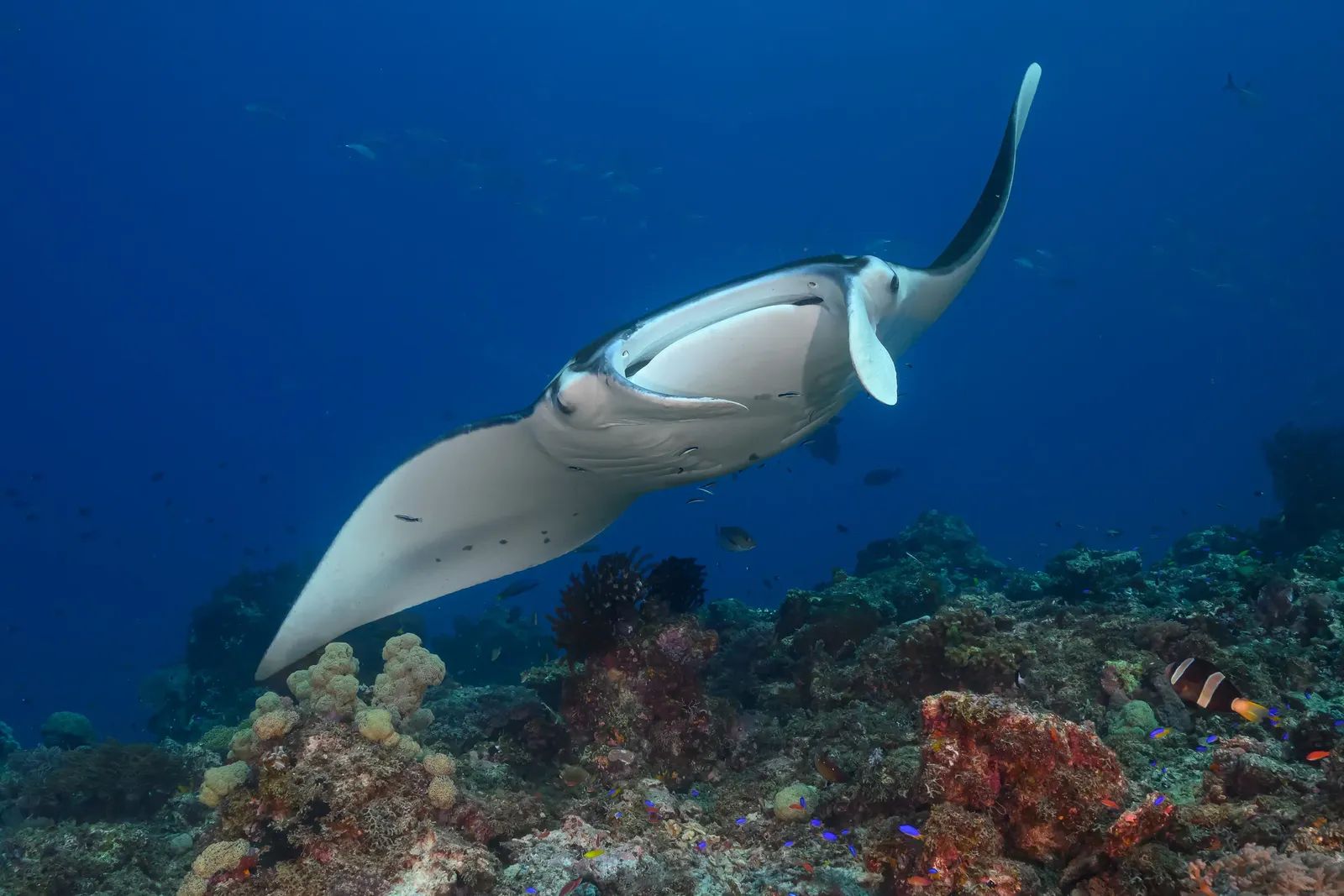
Manta Rochen sind die Hauptattraktion von Oktober bis April. Riffmantas sind das ganze Jahr über an Reinigungsstationen wie Manta Sandy und Manta Ridge anzutreffen. Ozeanische Mantas erscheinen an Tagen mit starker Strömung bei Blue Magic. Für eine vollständige Übersicht über Manta-Begegnungen in ganz Indonesien siehe unseren Manta Rochen Führer.
Haie – mehrere Arten leben in Raja Ampat. Gehhäie (Epaulettenhaie) sind in dieser Region endemisch und leben in flachen Riffbereichen, sie sind ein Favorit für Unterwasserfotografen. Teppichhaie sind häufig und gut getarnt am Riffboden. Schwarz- und Weißspitzen-Riffhaie sind an den meisten Tauchplätzen vorhanden. Graue Riffhaie patrouillieren an strömungsreichen Tauchplätzen wie Blue Magic und Cape Kri.
Makro-Leben ist außergewöhnlich. Raja Ampat beherbergt endemische Zwergseepferdchenarten, die nirgendwo sonst vorkommen. Mandarinfische, Geisterpfeifenfische, ornaten Geisterpfeifenfische, Anglerfische und Hunderte von Nacktschneckenarten. Für tauchgänge mit Fokus auf Kleintiere siehe unseren Indonesien Kleintier Führer.
Schwarmfische – massive Ansammlungen von Barrakudas, Makrelen, Schnappern und Füsiliere bilden lebende Wände um Seeberge und Pinnakeln im gesamten Dampier Strait.
Für eine breitere Abdeckung des indonesischen Meereslebens siehe unseren Indonesien Großtier Führer.
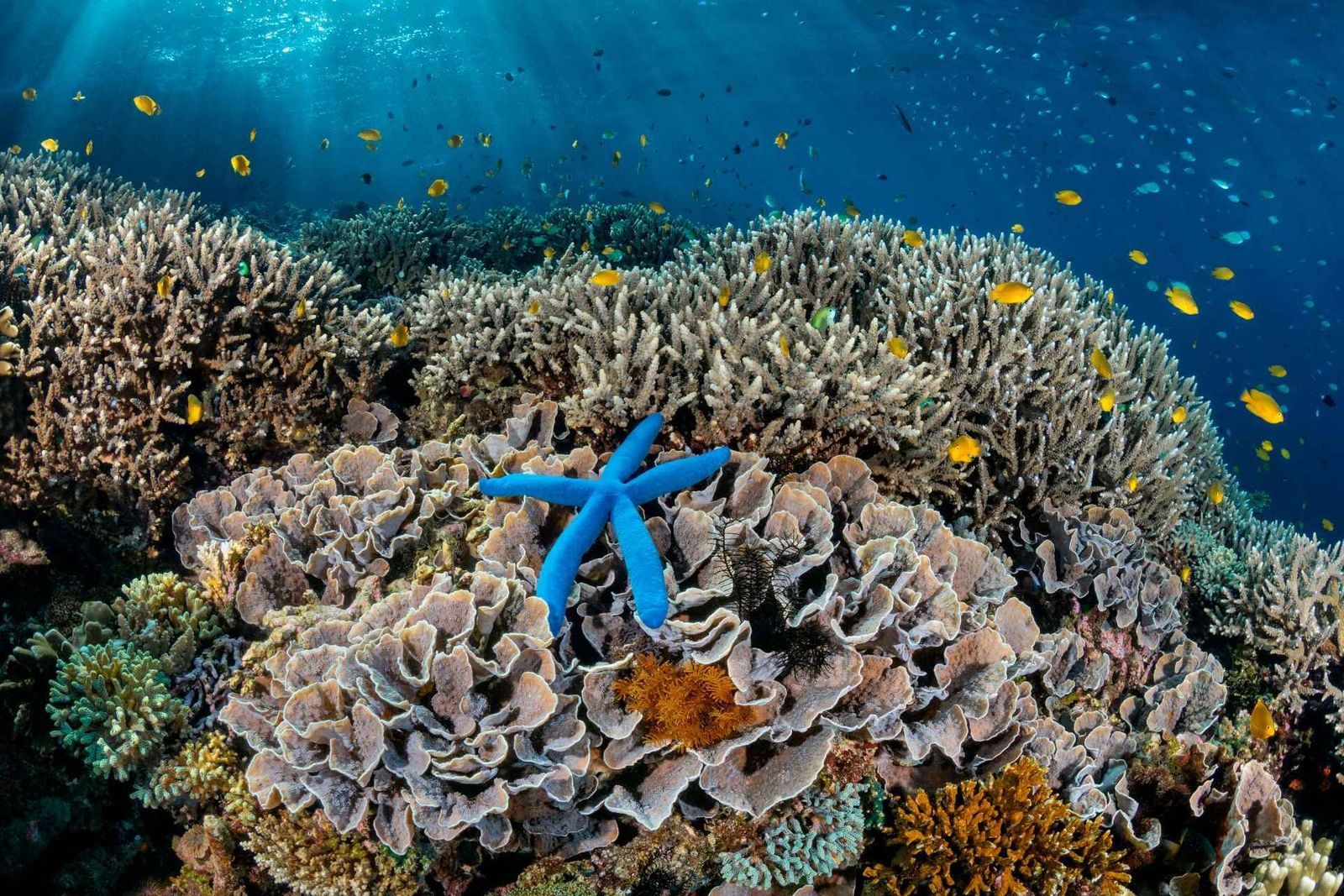
Diverse coral reef ecosystem with blue sea star and yellow fish in Indonesian waters, liveaboard diving - Picture by Majik Liveaboard
Über Wasser
Raja Ampat Liveaboard-Routen beinhalten typischerweise Landausflüge zwischen den Tauchgängen.
Arborek Dorf — berühmt für seine traditionellen Handarbeiten und die Webgenossenschaft der Frauen, ein gut geführtes Beispiel für gemeinschaftsbasierten Tourismus, der direkt lokalen Familien zugutekommt.
Sawinggrai Dorf — Vogelbeobachtung von Roten Paradiesvögeln und anderen endemischen Arten, am besten am frühen Morgen.
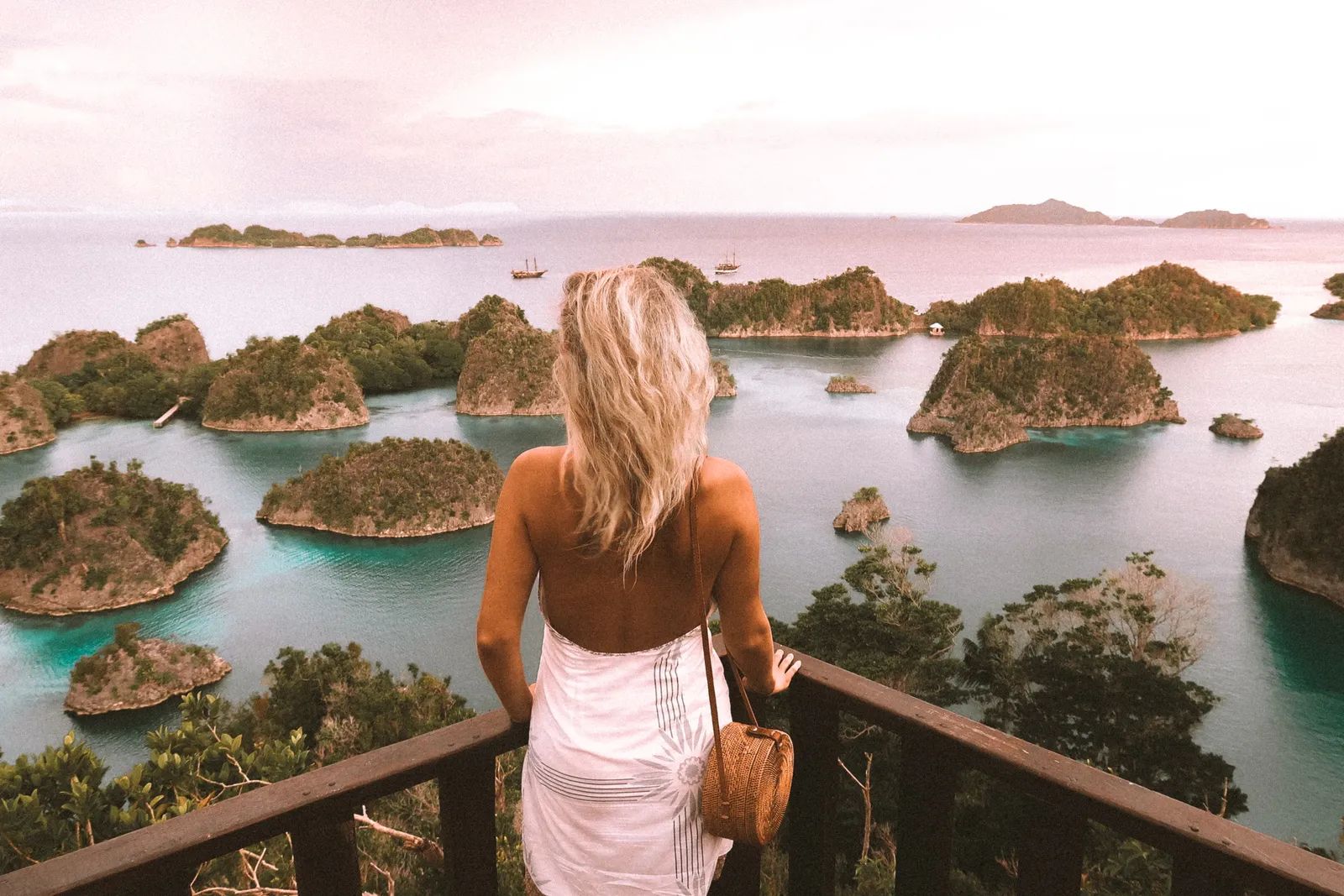
Piaynemo Aussichtspunkt — ein kurzer, aber steiler Aufstieg, der mit einer der meistfotografierten Aussichten Indonesiens belohnt wird: Pilzinseln und türkisfarbene Lagunen von oben.
Kali Biru (Blauer Fluss) — ein auffallend blauer Süßwasserfluss auf der Insel Waigeo, der von vielen Betreibern als Ausflugsziel angeboten wird und eine wirklich ungewöhnliche Erfahrung zwischen den Tauchgängen darstellt.
Aljui Bay Perlenfarm — eine funktionierende Südsee-Perlenfarm, die oft auf nördlichen Routen besucht wird.
Versteckte Lagunen — Kajakfahren und Schwimmen in abgelegenen Lagunen, umgeben von Karstkalkstein. Eine gute Möglichkeit, eine Oberflächenpause zu verbringen.
Panoramic sunrise view over famous Pianemo lagoon with mushroom-shaped limestone islands and traditional boats in Raja Ampat - Picture by Calico Jack Cruises
Erwartungen managen
Raja Ampat ist ein großer Ort. Der Archipel erstreckt sich über 50.000 km² – nächtliche Überfahrten zwischen den Regionen sind normal, und Überfahrten von Sorong nach Misool dauern besonders lange und können mit laufendem Motor holprig und laut sein. Das ist Expeditionstauchen.
Strömungen sind real. Tauchplätze wie Cape Kri und Chicken Reef haben starke Strömungen. Die meisten Tauchplätze in Zentral-Raja Ampat sind mit grundlegender Erfahrung gut zu bewältigen – Ihr Tauchguide wird Sie vor jedem Tauchgang einweisen und die Bedingungen einschätzen.
Die Sicht variiert. Planktonblüten während der Mantarochen-Saison können die Sicht erheblich beeinträchtigen. Der Kompromiss ist, dass die Mantarochen wegen des Planktons da sind. Misool hat typischerweise das klarste Wasser.
Mantarochen sind nicht garantiert. Oktober bis April bietet Ihnen die besten Chancen überall in Indonesien. Die meisten Taucher auf einer 7-tägigen Zentralroute sehen Mantarochen – aber die meisten ist nicht alle.
Misool erfordert ruhige Bedingungen. Südliche Routen können vom Seegang betroffen sein, besonders früh und spät in der Saison. Betreiber treffen sicherheitsorientierte Entscheidungen, ob sie übersetzen.
Entfernt bedeutet entfernt. Raja Ampat ist nicht in der Nähe großer medizinischer Einrichtungen. Eine umfassende Tauchversicherung mit medizinischer Evakuierungsdeckung ist in Indonesien obligatorisch und wird von den Betreibern verlangt. DAN-Deckung wird weithin empfohlen.
Planen Sie eine Puffer-Nacht in Sorong ein. Inlandsflüge verspäten sich regelmäßig – am Tag Ihrer Liveaboard-Abfahrt anzukommen, birgt ein echtes Risiko. Wir fügen eine Nacht im Swiss-Belhotel Sorong als Buchungsgeschenk hinzu, das Sie in die Nähe des Hafens bringt und Ihnen eine logistische Sorge abnimmt.
Reef manta ray on a cleaing station in Indonesia - Picture by Neptune Liveaboards
Häufig gestellte Fragen zu Raja Ampat
Wie weit im Voraus sollte ich buchen?
Für die Hochsaison (Dezember–März) 6–12 Monate im Voraus. Beliebte Boote zu Prime-Terminen sind früh ausgebucht, besonders um Weihnachten und Neujahr. Die Zwischensaison (Oktober–November und April) erfordert 3–6 Monate. Gelegentlich gibt es Last-Minute-Verfügbarkeiten – fragen Sie uns, wenn Ihre Termine flexibel sind.
Was sind die Naturschutzgebühren für Raja Ampat?
Es gibt zwei separate Gebühren – die Raja Ampat Marine Park PIN (ein jährliches Naturschutz-Tag) und ein Visitor Entry Ticket, das 2019 eingeführt wurde, um die lokale touristische Infrastruktur zu unterstützen. Es gibt auch eine Boots-Eintrittsgebühr, die von der Bootsgröße abhängt und die die meisten Betreiber in den Reisepreis einbeziehen. Die vollständige Aufschlüsselung wird von der Raja Ampat Homestay Association⁹ erklärt. Bestätigen Sie mit Ihrem Betreiber, was im Preis enthalten ist und was nicht, bevor Sie buchen.
Wie funktionieren Kabinenbuchungen auf Raja Ampat Liveaboards?
Die meisten Boote verkaufen Kabinen zur gemeinsamen Nutzung – Sie buchen einen Platz, und der Betreiber teilt Reisende desselben Geschlechts zu, wenn nicht beide Betten von derselben Buchung belegt werden. Wenn Sie garantierte Privatsphäre wünschen, prüfen Sie, ob das Boot spezielle Einzelkabinen hat (seltener, manchmal ohne Aufpreis) oder zahlen Sie den Einzelkabinen-Aufschlag, um eine Zweibett- oder Doppelkabine für sich allein zu haben. Gelegentlich bleibt der zweite Platz unverkauft und Sie erhalten eine private Kabine zum Gemeinschaftspreis – dies kann jedoch nicht garantiert werden.
Können Nicht-Taucher an einem Raja Ampat Liveaboard teilnehmen?
Ja. Schnorcheln in Raja Ampat ist Weltklasse – die Riffe sind flach genug, dass Oberflächenschnorchler außergewöhnlich viel sehen. Die meisten Boote bieten auch Kajakfahren, Dorfbesuche und Wanderungen zu Aussichtspunkten an. Einige Boote sind besser für gemischte Gruppen ausgestattet als andere – fragen Sie uns und wir werden Sie entsprechend vermitteln.
Was ist im Liveaboard-Preis inbegriffen?
Im Allgemeinen: Unterkunft, alle Mahlzeiten, geführte Tauchgänge, Tanks und Transfers auf den meisten Mittelklasse- und Luxusbooten. Ausflüge an Land und Dorfbesuche sind in der Regel inbegriffen. Nicht immer inbegriffen: Nitrox, Naturschutzgebühren, Ausrüstungsverleih und Trinkgeld für die Crew (10–15 % sind üblich). Bestätigen Sie immer die vollständige Aufschlüsselung, bevor Sie buchen.
Ist Nitrox auf Tauchsafaris in Raja Ampat verfügbar?
Ja, die meisten Mittelklasse- und Luxusboote bieten Nitrox an oder stellen es zu geringen Kosten zur Verfügung. Bei Budget-Booten variiert dies. Bei 3–4 Tauchgängen täglich lohnt sich eine Nitrox-Zertifizierung vor der Reise.
Was sollte ich für Raja Ampat einpacken?
Ein 3-mm-Neoprenanzug ist für den größten Teil der Saison ausreichend. Bequeme geschlossene Schuhe sind empfehlenswert – die Wanderung zum Piaynemo-Aussichtspunkt und die Kali Biru-Wanderung führen über unebenes Gelände. Riffschonende Sonnencreme ist wichtig und wird an Naturschutzgebieten zunehmend verlangt. Eine Ersatzmaske ist ratsam, da die Tauchshops in Sorong begrenzt sind. Unser Packliste für Indonesien deckt die vollständige Liste ab.
Benötige ich ein Visum für Indonesien?
Die meisten Nationalitäten erhalten ein Visum bei Ankunft, das am Flughafen oder im Voraus über das offizielle E-Visa-Portal Indonesiens beantragt werden kann. Nutzen Sie nur das offizielle Portal – es gibt Drittanbieter, die überhöhte Gebühren verlangen. Stellen Sie sicher, dass Ihr Reisepass noch mindestens 6 Monate gültig ist.
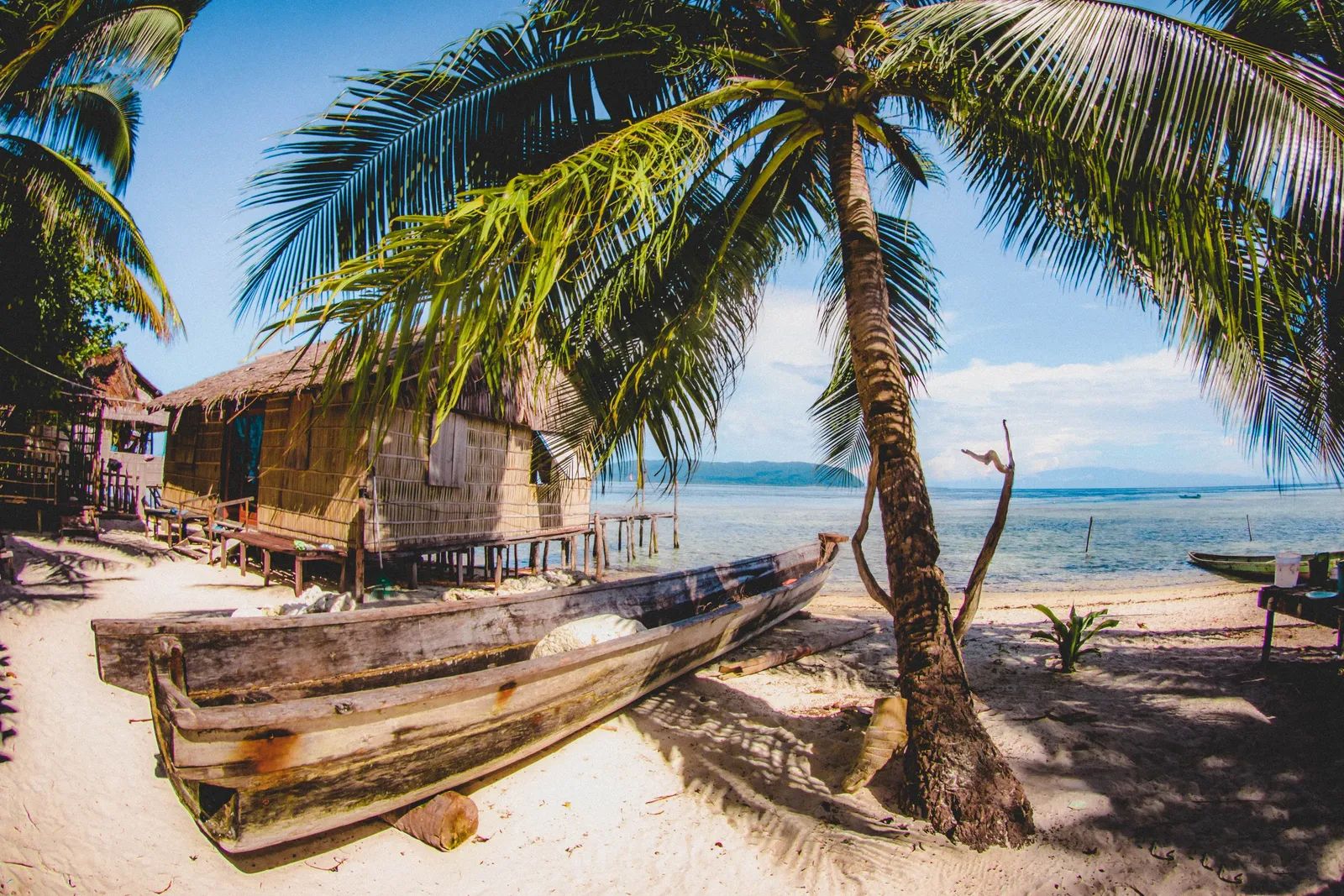
Traditional Indonesian village with thatched roof houses on stilts and coconut palms on pristine beach in Raja Ampat - Picture by Calico Jack Cruises
Bereit, Ihre Raja Ampat Tauchsafari zu buchen?
Wir sind eine in Bali ansässige Plattform, die von Tauchern betrieben wird, die Raja Ampat gut kennen. Sie zahlen den gleichen Preis, wenn Sie über uns buchen, wie bei einer Direktbuchung – die Betreiber halten die Preise über alle Kanäle hinweg einheitlich. Was Sie zusätzlich erhalten, ist echte Unterstützung: Koordination von Inlandsflügen über VIFA Holiday, ein Buchungsgeschenk inklusive einer Übernachtung im Swiss-Belhotel Sorong und ein Team, das sich wirklich wünscht, dass Ihre Reise gut verläuft.
Fragen vor der Buchung? Schicken Sie uns eine Nachricht auf WhatsApp oder kontaktieren Sie uns über unser Kontaktformular. Möchten Sie mehr darüber erfahren, wie wir arbeiten? Lesen Sie unsere Seite Warum Coralbound buchen.