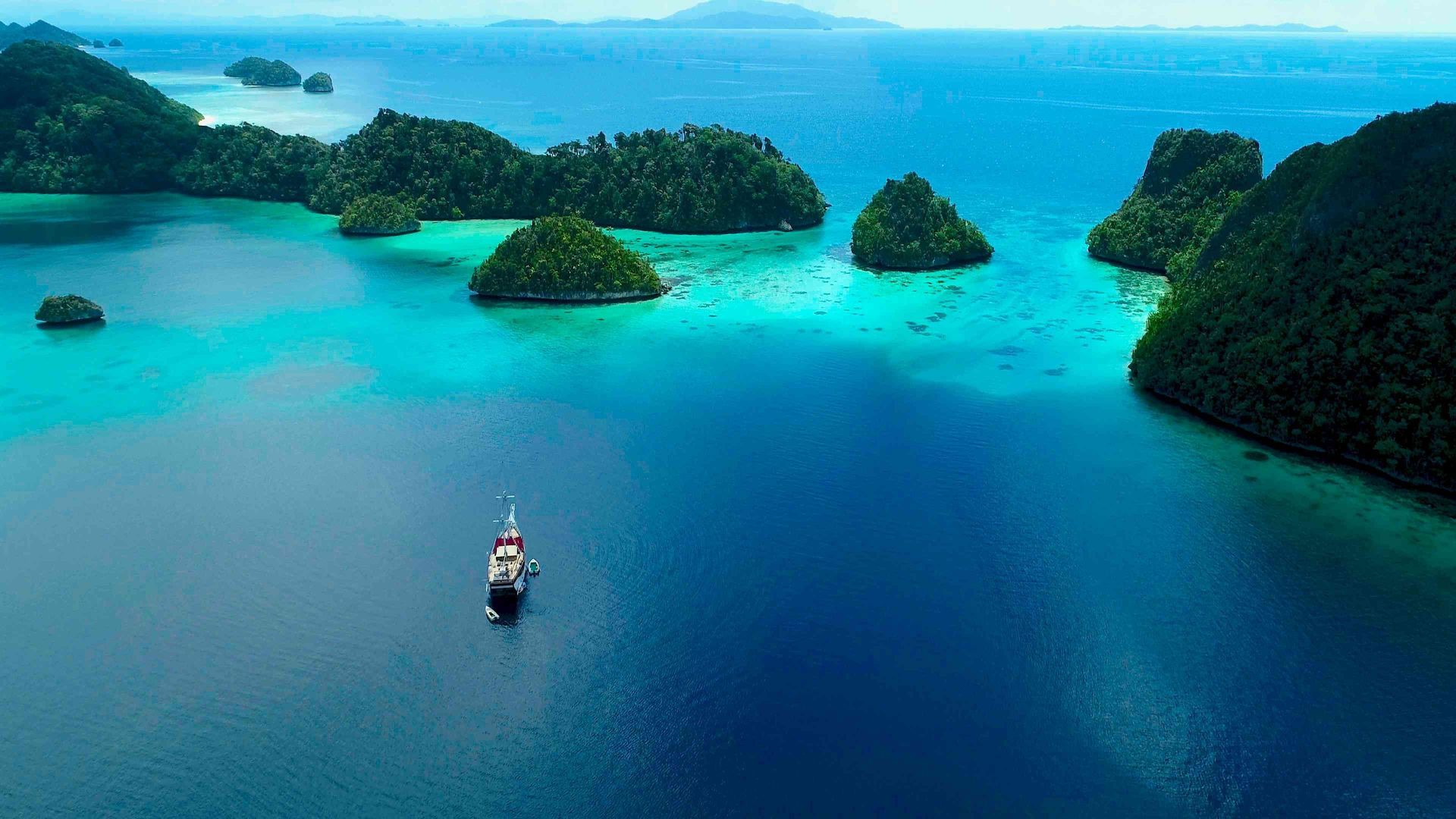
Indonesia is big enough to have good diving somewhere year-round. Knowing when to go where makes all the difference.
The archipelago spans more than 5,000 kilometres from west to east, crosses multiple climate zones, and sits at the intersection of two monsoon systems. That complexity is actually an advantage — when one region is in its wet season, another is in its peak. This guide covers seasonal windows for every major diving destination, what the monsoons actually mean for diving, and how to plan your timing. It's part of our complete Indonesia liveaboard guide — if you're still deciding whether Indonesia is the right destination, see why choose Indonesia first.
Quick Facts
- Best season: depends entirely on destination — use the overview below
- Water temperature: 24–30°C depending on region and season
- Visibility: 15–35m+ typical; varies by current, plankton, and rainfall
- Experience level: Open Water for most routes; current experience recommended for Komodo, Alor, and Banda Sea
- Trip length: 7–14 days typical; shorter Komodo routes available
- Key planning note: book 6–12 months ahead for peak season; remote destinations fill faster
Quick Answers
When is the best time to dive Indonesia?
There is no single best time — it depends on where you want to dive. Raja Ampat peaks October to April. Komodo is best April to November. The Banda Sea has two main windows — March to April and September to November — with hammerhead season concentrated in October and November. Cenderawasih Bay runs trips primarily from July to August. If you have fixed dates, tell us and we'll match you with what's diving well.
Can I dive Indonesia during the wet season?
Yes. Rain affects surface conditions more than underwater visibility. Most destinations remain fully diveable during their wet season — operators shift to protected bays and channels when exposed sites are rougher. The main exception is the Banda Sea, where the northwest monsoon from December to March makes access genuinely difficult.
Does weather ever cancel a liveaboard trip?
Raramente. Os operadores ajustam rotas e seleção de locais com base nas condições — cancelamentos devido ao clima são incomuns durante as principais janelas sazonais. Sistemas de clima severo são raros. O que acontece com mais frequência é que um local específico se torna inacessível e o operador substitui uma alternativa. Flexibilidade é a mentalidade certa.
Como as monções afetam as condições de mergulho?
Os dois sistemas de monções da Indonésia criam janelas sazonais opostas em suas regiões. A monção sudoeste (maio a setembro) traz condições secas para destinos do sul como Komodo e Alor, enquanto aumenta a chuva em áreas do norte como Raja Ampat. A monção nordeste (novembro a março) inverte isso — seco e calmo no norte, mais chuvoso no sul. A maioria dos destinos mergulha bem em ambas as estações; a diferença são as condições de superfície e a acessibilidade do local, em vez da qualidade subaquática.
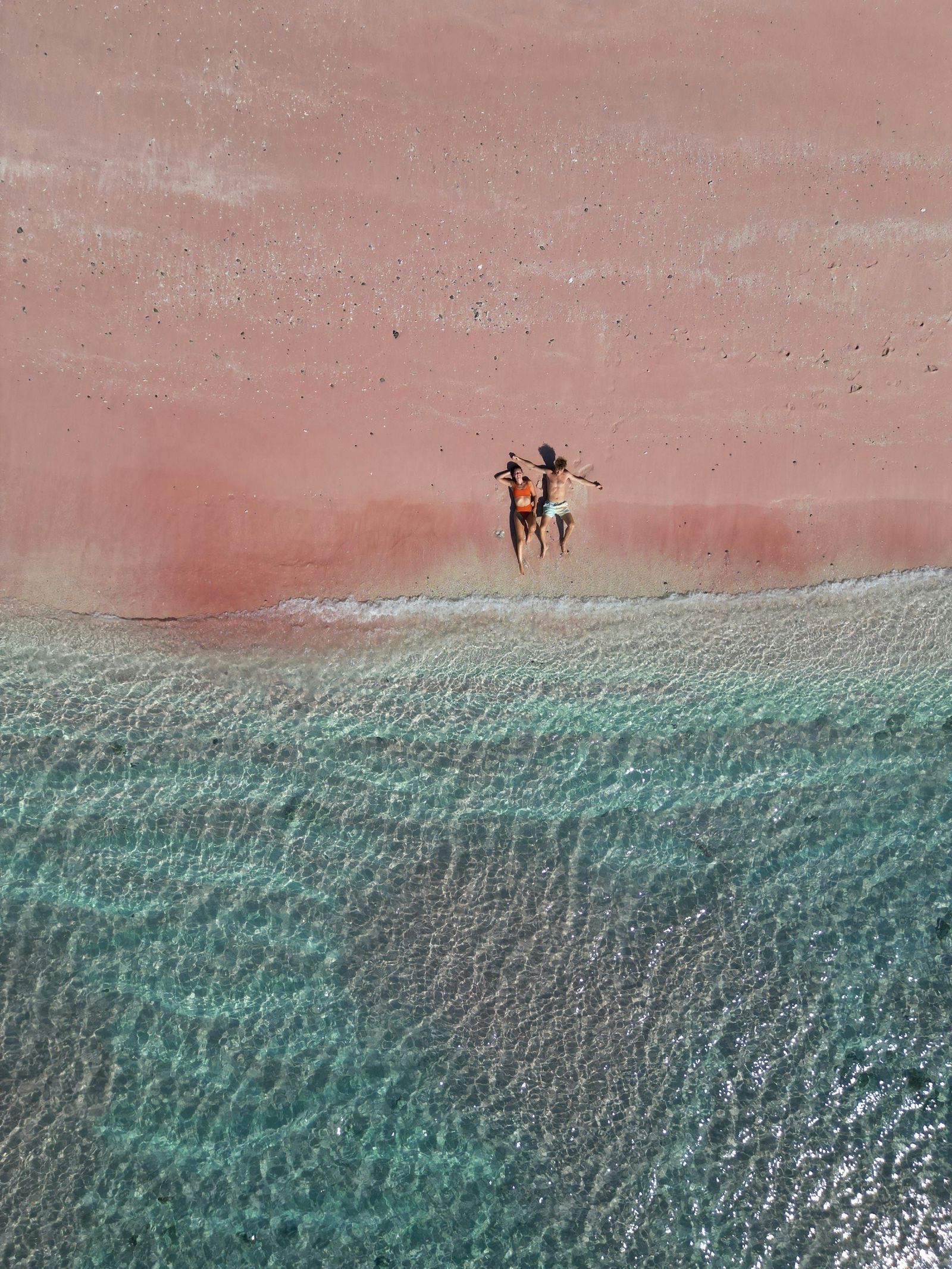
Pink beach aerial view couple Indonesia liveaboard destination romantic diving cruise
Visão Geral da Temporada de Destinos
Uma referência rápida para planejamento. A alta temporada é quando as condições de superfície estão mais calmas, a visibilidade é melhor e todos os locais são acessíveis. A temporada intermediária muitas vezes significa menos barcos e mergulho ainda excelente.
- Raja Ampat: alta temporada de outubro a abril; de maio a setembro mergulhável com condições de superfície mais agitadas
- Komodo: alta temporada de abril a novembro; de dezembro a março mergulhável, água mais fria, menos barcos
- Mar de Banda: janelas principais de março a abril e de setembro a novembro; evite maio a agosto e dezembro a fevereiro
- Alor: principal de março a outubro; setembro a novembro especificamente para tubarões-martelo
- Baía de Cenderawasih: viagens ocorrem principalmente de julho a agosto; tubarões-baleia presentes o ano todo, mas as partidas dos operadores são sazonais
- Baía de Triton: de outubro a abril; de maio a setembro sem partidas
- Halmahera: principal de outubro a abril; alguns operadores operam de maio a outubro
- Ilhas Derawan: alta temporada de abril a outubro
- Bali: alta temporada de abril a outubro; mola mola de julho a outubro em Nusa Penida
- Norte de Sulawesi (Bunaken, Lembeh): o ano todo; de outubro a abril geralmente mais calmo
- Wakatobi / Sudeste de Sulawesi: alta temporada de abril a outubro; evite dezembro a fevereiro
- Centro de Sulawesi (Ilhas Togian): principal de abril a outubro; partidas limitadas dos operadores
- Tubarões-baleia da Baía de Saleh: de maio a setembro em plataformas de bagan
Os Sistemas de Monções
A Indonésia fica no ponto de encontro de dois sistemas de monções, e entendê-los torna a lógica sazonal clara⁵.
The southwest monsoon runs roughly May to September. It brings dry, settled conditions to southern Indonesia — Komodo, Alor, Bali, and the Banda Sea — while pushing increased rainfall and choppier seas into northern regions like Raja Ampat. For diving, this is the best season in the south and the off-season in the north.
The northeast monsoon runs roughly November to March. It reverses the pattern: dry conditions and calm seas return to Raja Ampat and northern destinations, while the south sees more rainfall. This is Raja Ampat's prime season.
April and October are transition months between the two systems. Conditions become less predictable day-to-day, but both months often produce excellent diving with fewer boats than peak season. Many experienced divers specifically target these shoulder windows.
One important nuance: Indonesia is in the tropics, and you can get rainfall at any time of year regardless of season. "Monsoon season" means more frequent rainfall, sometimes stronger winds, and occasionally rougher surface conditions — not a switch that turns rain on and off. The underwater experience is generally unaffected by rain at the surface.
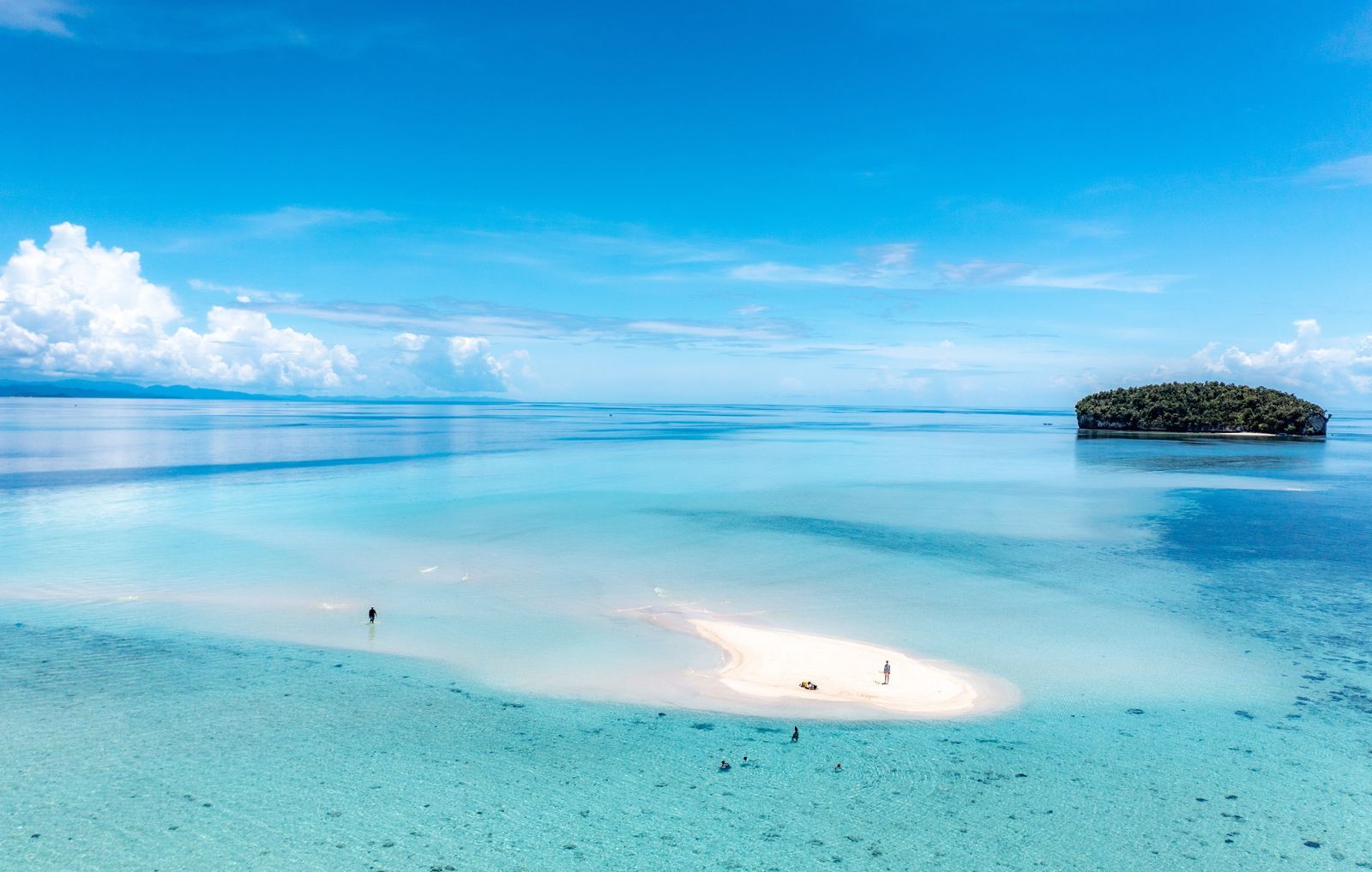
Pristine white sandbar in Raja Ampat Indonesia with crystal clear turquoise waters and tropical island, perfect liveaboard diving destination - Picture by Calico Jack Cruises
Raja Ampat
Peak season: October–April Off-season: May–September Water temperature: 28–30°C year-round
Raja Ampat's dry season runs October through April, brought by the northeast monsoon. This is when surface conditions are calmest, visibility is at its best, and all sites — including exposed outer reefs and seamounts like Black Rock and Eagle Rock in the north — are accessible. Manta encounters at Blue Magic in the central region are most reliable during plankton bloom periods within this window.
May through September brings the southwest monsoon to Raja Ampat — more rainfall, choppier surface conditions, and reduced access to exposed sites. Diving continues, particularly on Central Dampier Strait and protected bay routes, and some operators run year-round on these itineraries. Off-season advantages: fewer boats, lower prices, and still-excellent diving at sheltered sites.
Bali to Sorong flights frequently route via Jakarta or Makassar — factor this into connection planning when timing your arrival.
See our Raja Ampat guide for full destination detail, or the Raja Ampat destination page for a quick overview.
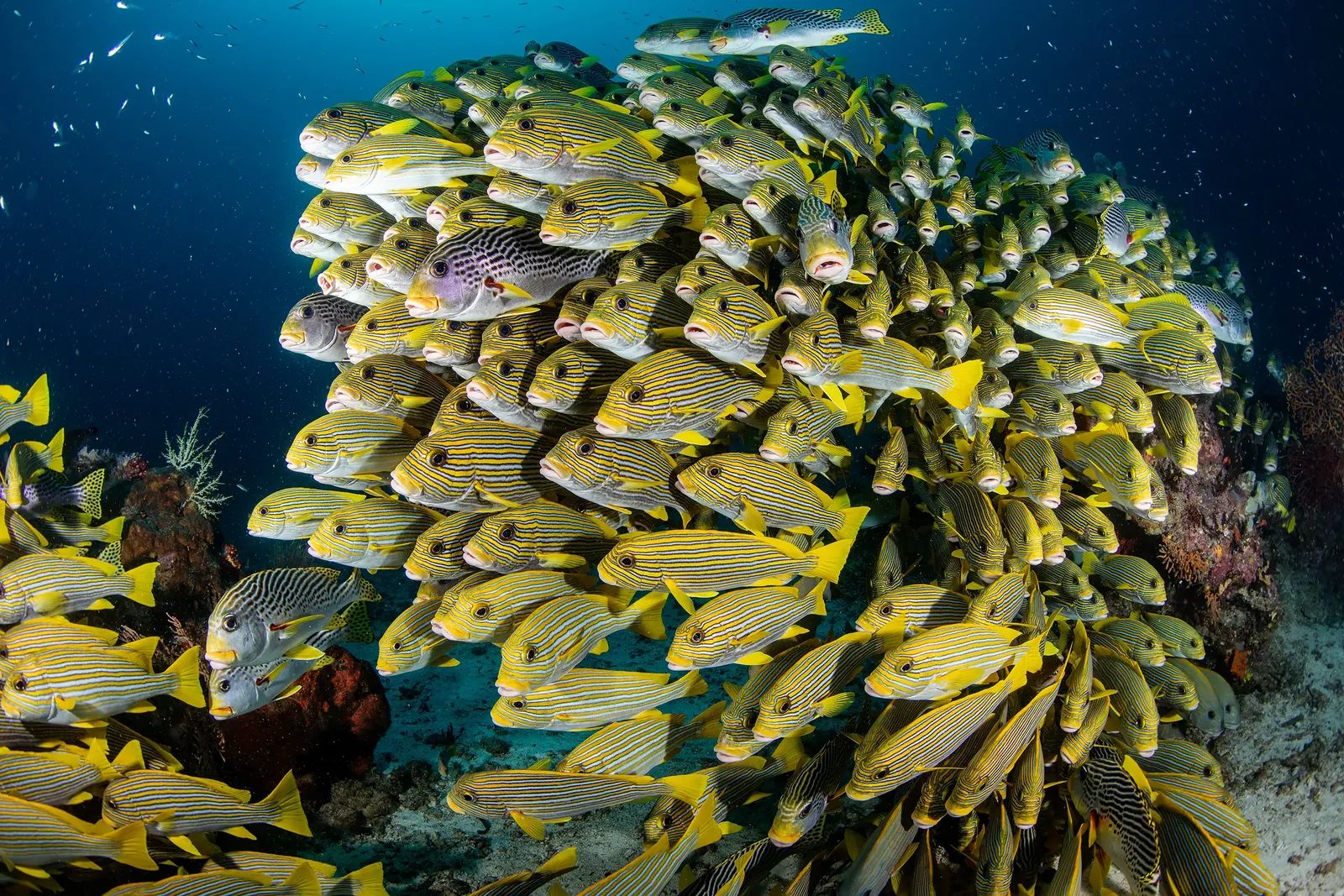
Large school of oriental sweetlips aggregating on reef, abundant marine life on Raja Ampat liveaboard dive sites Indonesia
Komodo
Peak season: April–November Shoulder season: December–March Water temperature: 24–28°C; cold upwelling common
Komodo is the closest Indonesia has to a year-round destination. The southwest monsoon brings dry conditions from April through November — this is the prime window with calm seas, good visibility, and comfortable surface conditions. Strong currents persist year-round regardless of season; they're what drives Komodo's exceptional marine life concentrations, not the weather.
December through March brings the wet season — more rainfall, slightly rougher surface conditions, and cooler water (24–26°C) as upwellings intensify. Most sites remain accessible due to Komodo's protected topography. Manta encounters at Manta Point and Manta Alley continue throughout the year. The wet season attracts fewer divers and often better pricing.
Departures from Labuan Bajo (most common) or Bali depending on the operator.
See our Komodo guide for full destination detail, or the Komodo destination page for a quick overview.
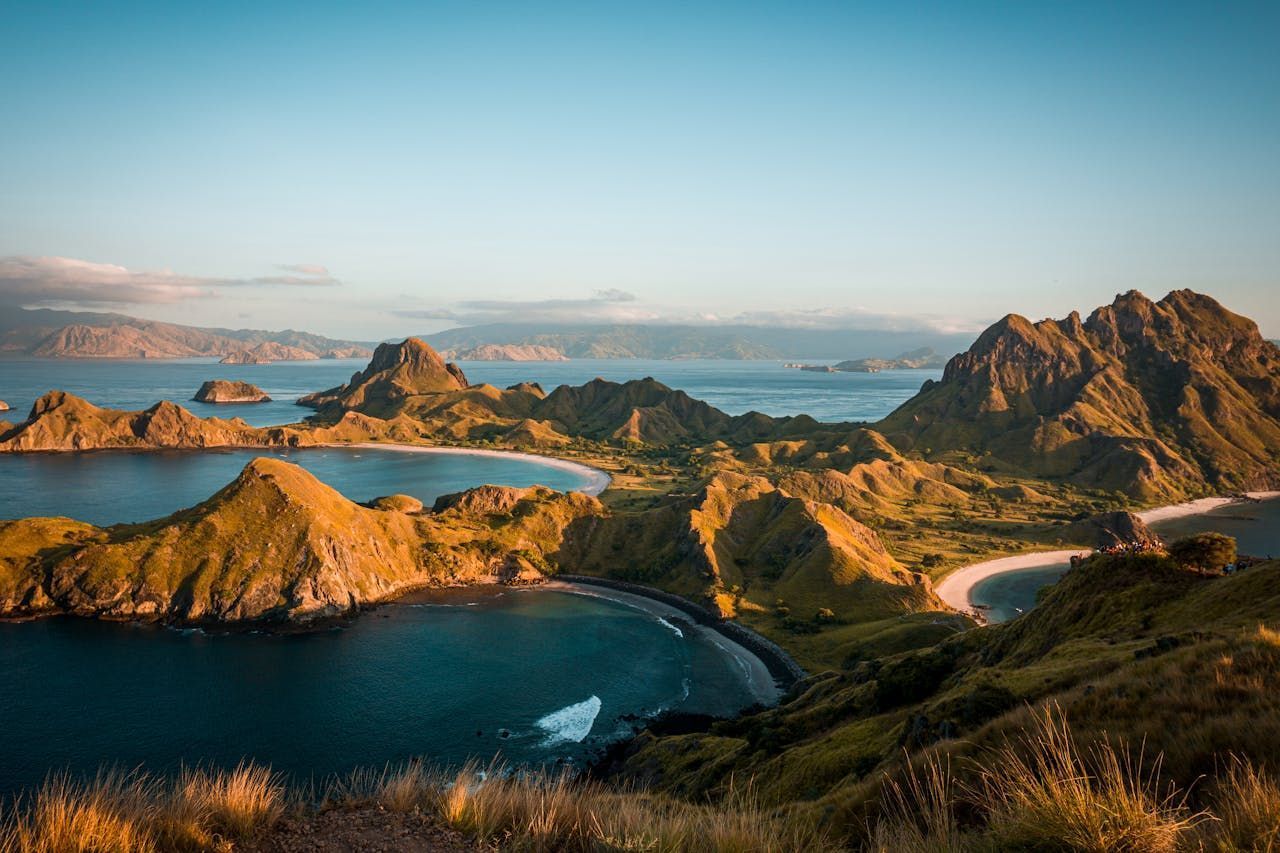
Padar Island panoramic view Komodo National Park Indonesia liveaboard hiking destination
Banda Sea
Jendela utama: Mac–April dan September–November Musim hiu martil: Oktober–November puncak Suhu air: 27–29°C Hindari: Mei–Ogos dan Disember–Februari
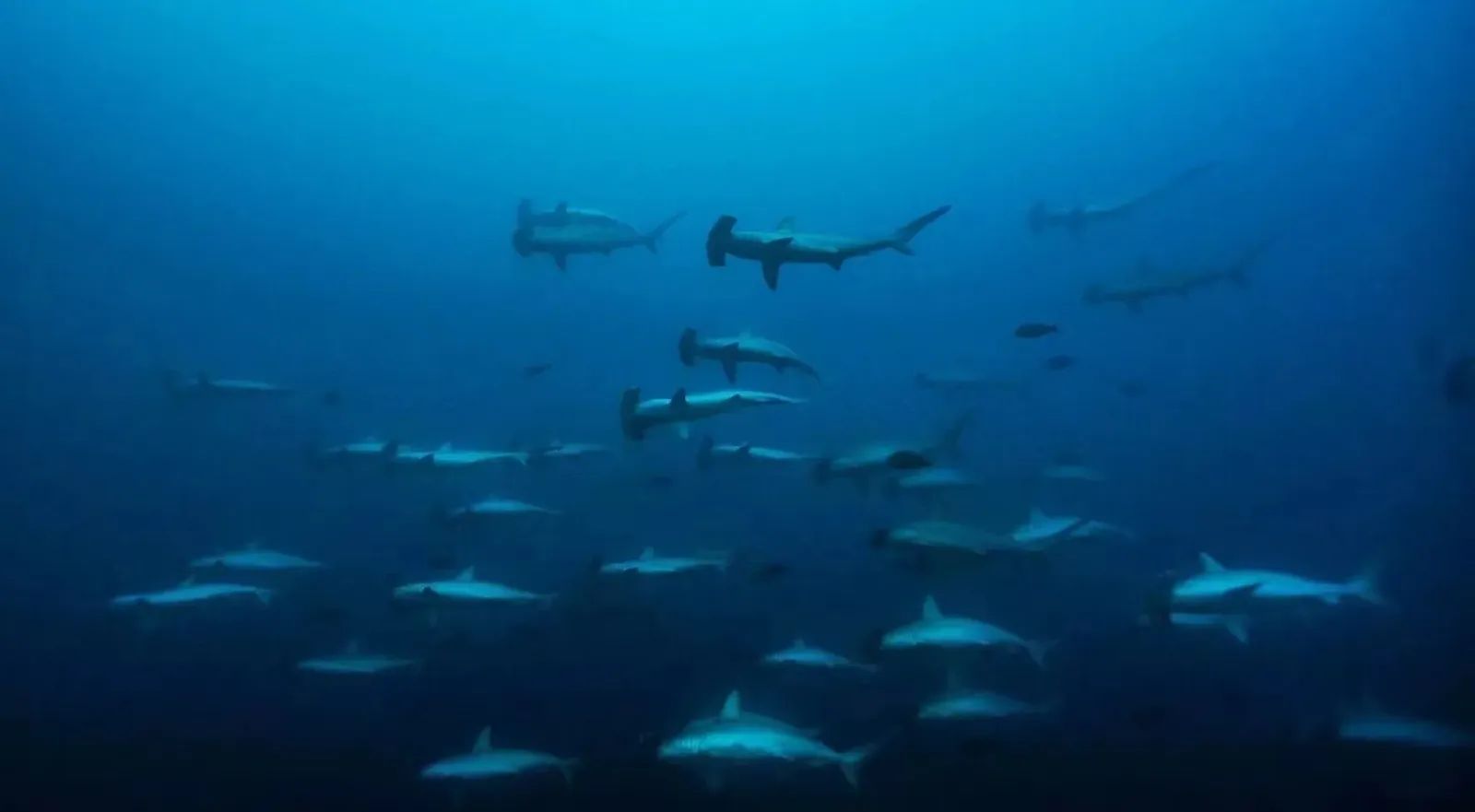
Laut Banda beroperasi pada dua jendela musiman yang berbeda daripada satu musim terbuka yang panjang. Mac dan April menawarkan jendela pertama — keadaan stabil selepas monsun barat laut dan pengendali menjalankan jadual perjalanan Ring of Fire dan Kepulauan Banda sebelum penutupan pertengahan tahun. September hingga November adalah jendela utama dan tempoh terbaik secara keseluruhan — pengumpulan hiu martil di gunung berapi bawah laut Suanggi, Nil Desperandum, dan Serua memuncak pada Oktober dan November, keterlihatan mencapai 30m+ di perairan terbuka, dan keadaan permukaan adalah yang paling tenang.
Mei hingga Ogos dan Disember hingga Februari adalah tempoh apabila keadaan menjadikan akses liveaboard sukar hingga mustahil. Laut Banda adalah destinasi paling sensitif cuaca di Indonesia dan yang paling kurang fleksibel di sekeliling jendela musimannya.
Lihat panduan Laut Banda kami untuk perincian laluan dan musim, atau halaman destinasi Laut Banda untuk gambaran keseluruhan ringkas.
School of hammerhead sharks swimming in deep blue waters of Banda Sea during Indonesia liveaboard diving trip - Picture by Neptune Liveaboards
Alor
Musim utama: Mac–Oktober Musim hiu martil: September–November Suhu air: 26–29°C Hindari: Disember–Februari
Alor mengikuti corak yang serupa dengan Komodo — monsun barat daya membawa keadaan terbaik dari Mac hingga Oktober. September hingga November sangat baik untuk pertemuan hiu martil, dengan Alor menawarkan pengumpulan sekunder semasa bulan-bulan musim sejuk Australia bersama dengan Laut Banda.
Disember hingga Februari menyaksikan monsun barat laut menjejaskan keadaan dengan lebih ketara berbanding di Komodo, dan kebanyakan pengendali menghentikan pelayaran semasa bulan-bulan ini. Menaiki kapal di pelabuhan Tanjung Batu melalui Lapangan Terbang Mali (ARD), bersambung dari Kupang (KOE).
Lihat panduan Alor kami untuk perincian penuh.
Purple rhinopias frondosa rare scorpionfish Alor Indonesia macro diving liveaboard underwater photography holy grail species - Picture by Tina Bogdanova
Cenderawasih Bay
Trips run: primarily July–August Whale sharks: present year-round Water temperature: 28–30°C
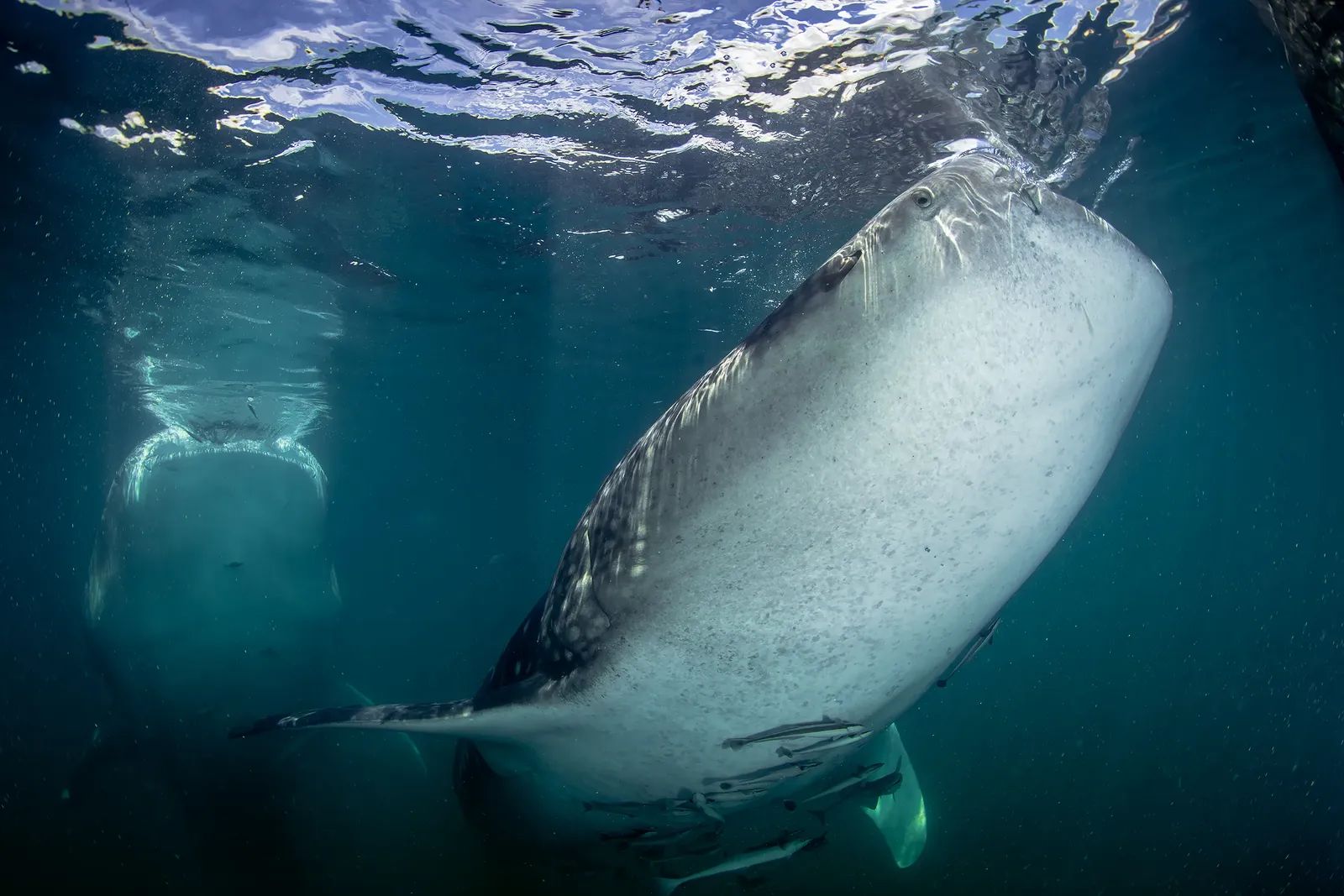
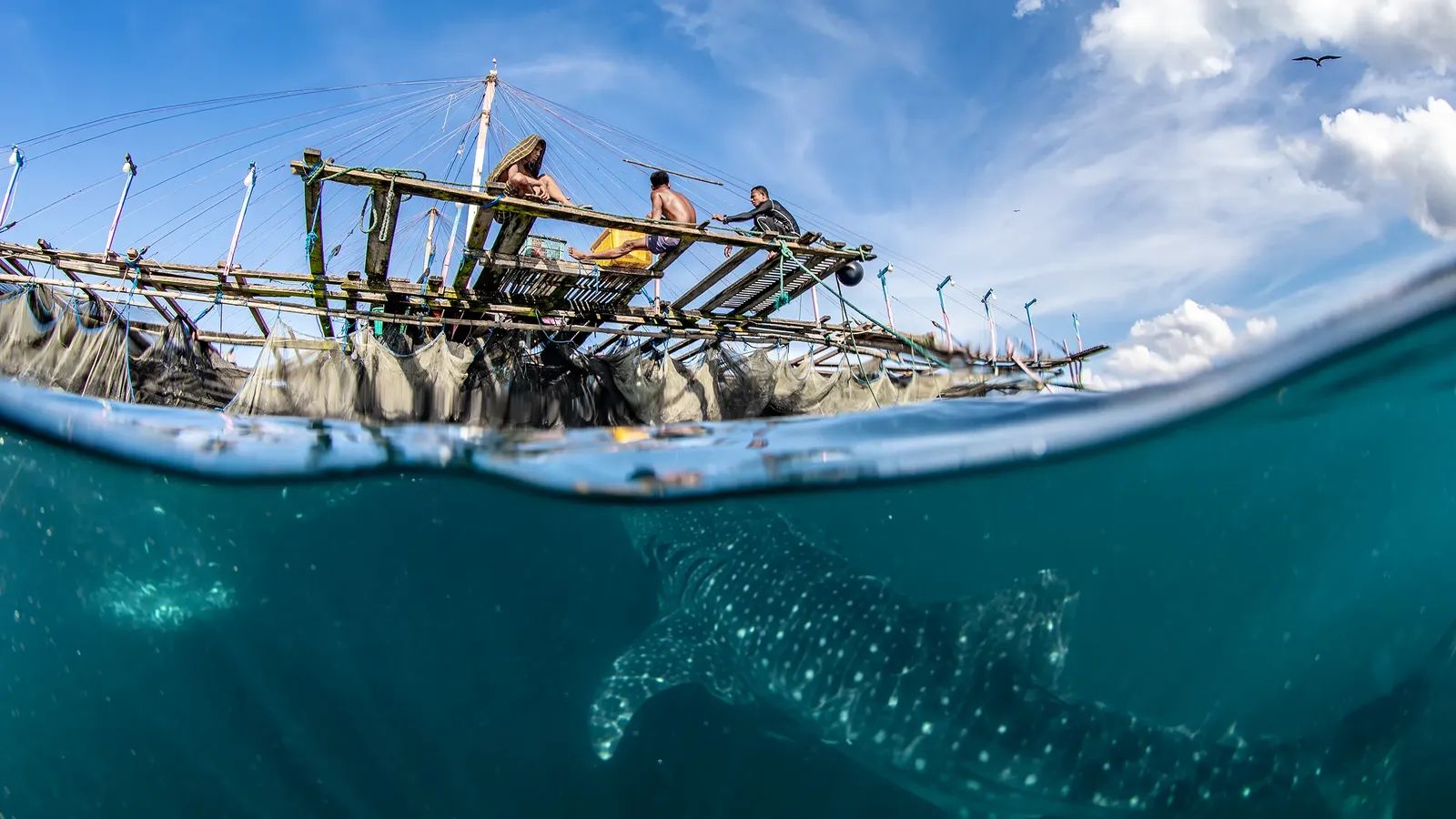
Cenderawasih Bay hosts around 160 individual whale sharks — mostly juvenile males — associated with bagan fishing platforms year-round¹. The sharks are always there. The practical constraint is operator scheduling: most liveaboard departures to Cenderawasih Bay run in July and August, making this a fairly concentrated booking window despite the year-round whale shark presence.
The bay's protected geography provides natural shelter from seasonal swells. If you're specifically targeting Cenderawasih Bay, book early — limited departures fill quickly.
See our Cenderawasih Bay guide for full detail, or the Cenderawasih Bay destination page for a quick overview.
Whale shark surface feeding in Cenderawasih Bay, guaranteed encounter on West Papua liveaboard diving expeditions Indonesia
Triton Bay
Season: October–April only Water temperature: 27–29°C No departures: May–September
Triton Bay follows a southern weather pattern despite its West Papua location — optimal conditions run October through April. May through September sees conditions that prevent liveaboard operations entirely; this is not a destination with an off-season, it simply closes.
The route typically runs Sorong → Misool → Pisang Islands → Bomberai Peninsula → Triton Bay, meaning it pairs naturally with Raja Ampat timing. Visibility in the bay itself runs 10–15m; outer reefs and Bomberai Peninsula sites reach 25m+.
See our Triton Bay guide for full detail, or the Triton Bay destination page for a quick overview.
Whale shark feeding under traditional fishing platform bagan, unique encounter on Triton Bay liveaboard trips West Papua Indonesia
Halmahera
Main season: October–April Some operators: May–October (reduced schedule) Water temperature: 27–29°C
Halmahera's main season aligns with Raja Ampat — the northeast monsoon brings calmer conditions from October through April. Some operators continue running into the shoulder months, particularly on North Halmahera and Morotai itineraries, though departures are fewer outside the main window.
Routes run from Sorong via Ternate crossing, from North Sulawesi (Bitung) into Halmahera, or as dedicated North Halmahera/Morotai itineraries. Many itineraries include a stop at Tifore — halfway between Halmahera and North Sulawesi — for barracuda schools and mandarinfish at dusk.
unknown nodeMusim puncak: April–Oktober Suhu air: 27–29°C
Kepulauan Derawan di Kalimantan Timur (Borneo) mengikuti pola iklim Kalimantan Timur — April hingga Oktober menawarkan kondisi paling stabil dan jarak pandang terbaik. Pertemuan hiu paus di bagan Teluk Taliyasan terjadi pada rencana perjalanan liveaboard selama periode ini. Aktivitas peneluran penyu hijau di Sangalaki mencapai puncaknya selama bulan-bulan yang lebih hangat.
Derawan tidak berada di jalur liveaboard utama; hanya segelintir operator yang menjalankan perjalanan khusus, dan mereka cepat penuh. Operator Kalimantan Utara sesekali melintas ke Borneo sebagai satu rangkaian perjalanan khusus.
Lihat panduan Kepulauan Derawan kami untuk detail lengkap.
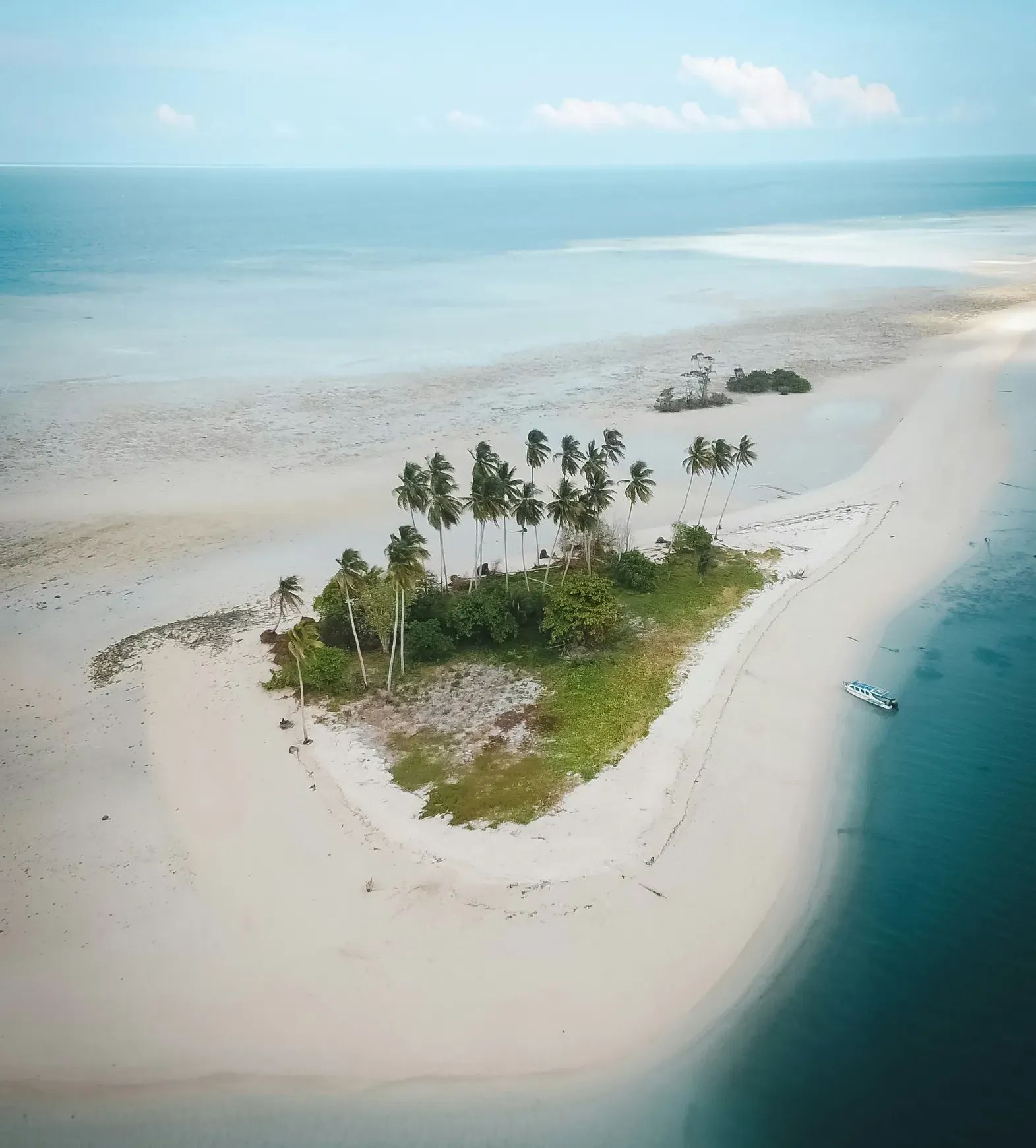
Aerial view of pristine Derawan Islands East Kalimantan Indonesia showing white sand beach tropical paradise with coconut palms and turquoise waters perfect for liveaboard diving trips
Bali
Musim puncak menyelam: April–Oktober Musim mola mola: Juli–Oktober (Nusa Penida) Suhu air: 20–28°C tergantung lokasi dan musim
Bali terutama merupakan tujuan menyelam berbasis darat dan titik keberangkatan untuk liveaboard yang menuju selatan ke Komodo atau timur ke Laut Banda. April hingga Oktober membawa kondisi yang stabil, jarak pandang yang baik di sebagian besar lokasi, dan upwelling Samudra Hindia yang dingin di Nusa Penida yang membawa mola mola ke stasiun pembersihan² — musim puncak adalah Agustus dan September.
Reruntuhan USAT Liberty di Tulamben⁹ dapat diakses sepanjang tahun, begitu juga sebagian besar penyelaman di pantai utara dan timur Bali. Manta Point di Nusa Penida bisa berarus dan dingin selama musim dingin selatan. Liveaboard Bali berangkat dari pelabuhan Serangan atau Benoa, mencapai Sumbawa pada malam hari dan Komodo setelah beberapa hari.
Lihat panduan Bali kami untuk detail lengkap.
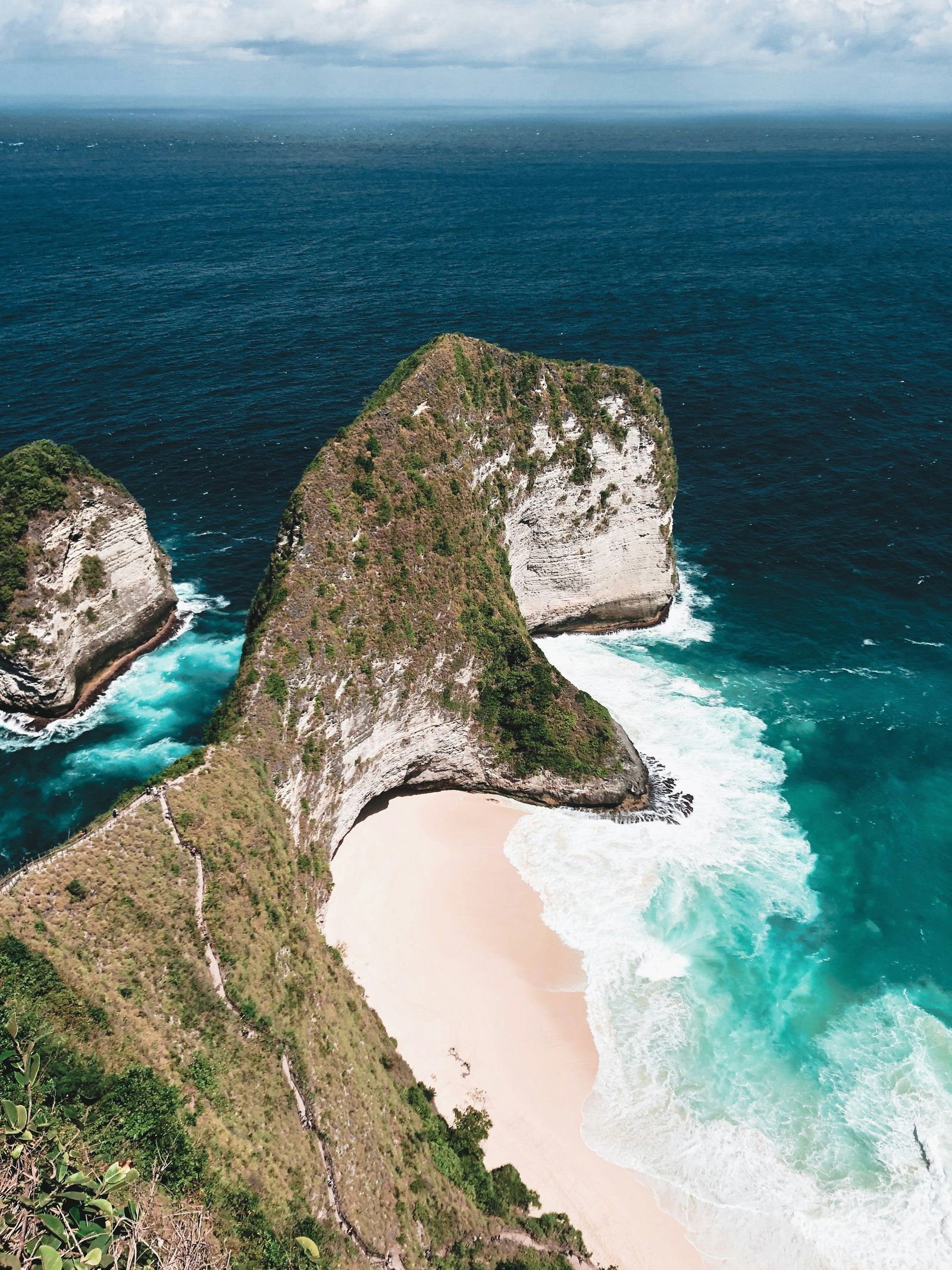
Kelingking Beach Nusa Penida Indonesia aerial view turquoise waters white sand cliffs T-Rex rock formation diving snorkeling manta rays ocean sunfish
Saleh Bay Whale Sharks
Season: May–September Location: Sumbawa, en route between Bali and Komodo
Saleh Bay on Sumbawa's north coast hosts seasonal whale shark aggregations around bagan fishing platforms from May through September. This coincides with the Komodo peak season, making it a natural addition to Bali–Komodo liveaboard routes. Encounters are bagan-associated — the same pattern as Cenderawasih Bay — and most reliable from June through August.
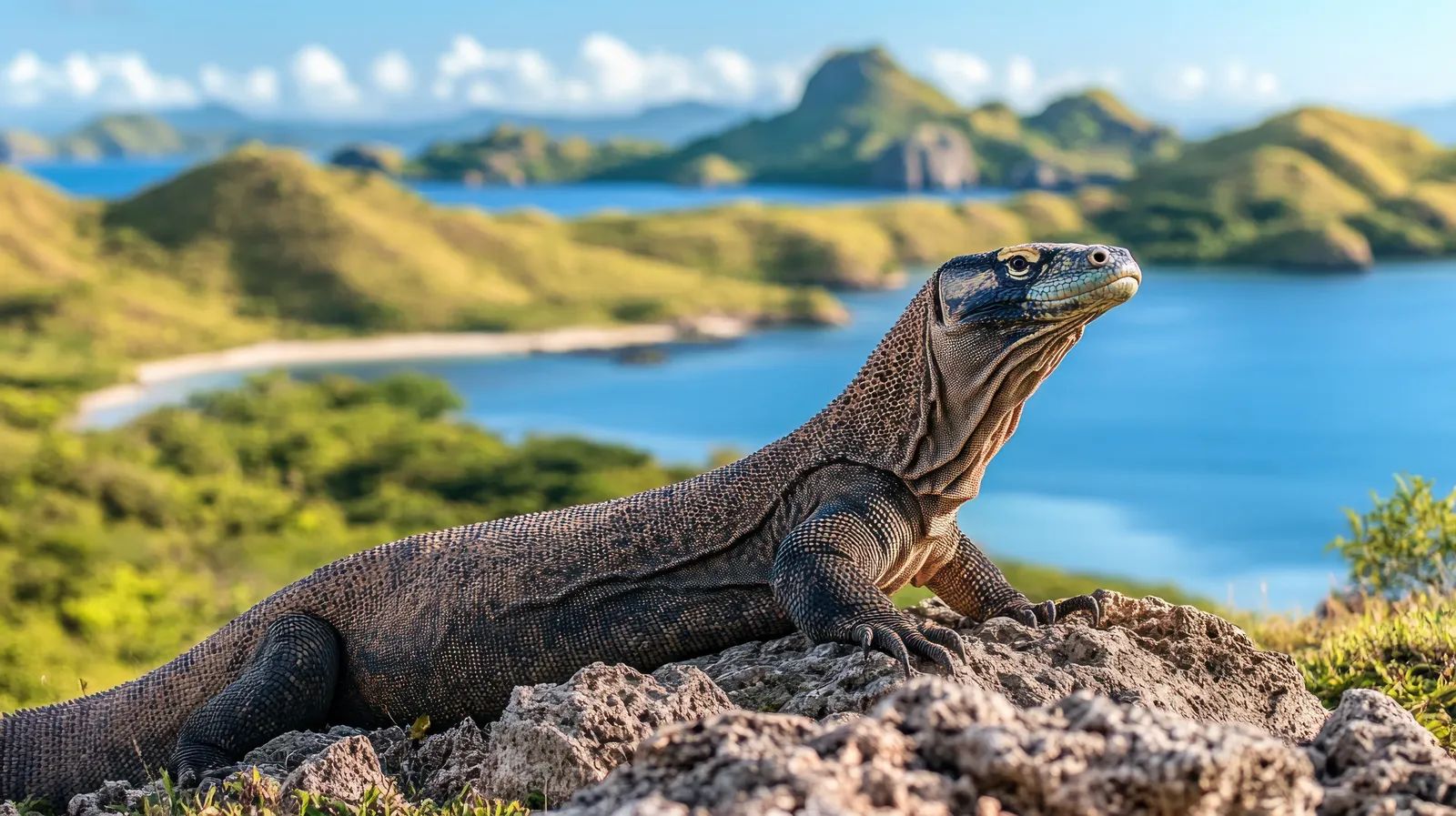
Komodo dragon in natural habitat at Komodo National Park, land excursion during liveaboard diving trip Indonesia
Planning Your Timing
A few practical principles for timing an Indonesia liveaboard:
Lead with your priority destination. If Raja Ampat is the main event, go October–April. If Komodo is the focus, April–November. Don't compromise on the destination that matters most to fit a different seasonal window.
Shoulder months are often underrated. April and October — the transition months — frequently deliver excellent diving with fewer boats and lower pricing. The trade-off is slightly less predictable day-to-day conditions, which experienced operators handle well.
Combine destinations with compatible seasons. Raja Ampat and Triton Bay both peak October–April and pair naturally. Komodo and Alor both run March–October. Banda Sea hammerheads in October–November combine well with Raja Ampat on either side.
Book early for peak season. Six to twelve months ahead for Raja Ampat and Komodo during peak months. Remote destinations like Cenderawasih Bay, Halmahera, and Derawan Islands have limited departures and fill faster than their profile might suggest.
If your dates are fixed, work backwards. Tell us when you can travel and we'll identify what's diving well and match you with available boats. See our Indonesia liveaboard category guide for a full breakdown of vessel types and price points.
Couple relaxing on pristine white sand beach surrounded by leaning coconut palms and crystal-clear turquoise waters in Raja Ampat - Picture by Calico Jack Cruises
Managing Expectations
Seasonal patterns are reliable guides, not guarantees. Even during peak season, occasional rough days, rain squalls, and visibility variations occur. Operators manage these well — the difference is rarely as dramatic as it sounds.
Currents in Indonesia are driven by tidal patterns and oceanographic conditions as much as by season. A site that's straightforward on one day can be demanding the next, regardless of the month. Trust your operator's site selection.
Weather forecasting in Indonesia is reliable at 5–7 days. Long-range seasonal patterns are well-established. Book based on seasonal patterns and let operators navigate the short-term variations — they've been doing it for years.
Finally: some of Indonesia's best diving conditions for certain species come outside the obvious peak season. Manta feeding aggregations in Raja Ampat are driven by plankton blooms that don't always align neatly with the dry season calendar. Whale sharks at Cenderawasih Bay are year-round. Off-season diving in Indonesia is rarely as bad as the label implies.
Woman on paddleboard surrounded by towering limestone karst islands in calm turquoise waters of Raja Ampat archipelago - Picture by Calico Jack Cruises
Frequently Asked Questions
Adakah terdapat bulan di mana saya tidak sepatutnya menyelam di Indonesia?
Tidak juga. Laut Banda dari Disember hingga Mac adalah yang paling hampir dengan musim tutup yang sebenar, dan walaupun begitu ia adalah isu logistik berbanding larangan menyeluruh. Setiap destinasi lain mempunyai beberapa waktu menyelam sepanjang tahun. Persoalannya sentiasa destinasi mana, bukan sama ada Indonesia boleh diselami.
Adakah hujan menjejaskan keterlihatan bawah air?
Kurang daripada yang dijangkakan kebanyakan orang. Keterlihatan terutamanya didorong oleh arus, kitaran plankton, dan aliran sungai. Hari hujan di permukaan jarang menjejaskan keadaan di kedalaman. Tapak berhampiran muara sungai atau di teluk cetek boleh mengalami keterlihatan berkurangan selepas hujan lebat, tetapi tapak air terbuka dan terumbu umumnya tidak terjejas.
Bilakah masa terbaik untuk bertemu haiwan besar?
Ia bergantung pada spesies. Jerung paus di Teluk Cenderawasih: sepanjang tahun. Mola mola di Nusa Penida: Julai–Oktober. Jerung tukul di Laut Banda: puncak Oktober–November. Manta di Komodo: sepanjang tahun. Manta Raja Ampat: Oktober–April paling boleh dipercayai. Lihat panduan haiwan individu kami untuk masa spesifik spesies.
Bagaimanakah El Niño menjejaskan keadaan menyelam di Indonesia?
Tahun El Niño boleh membawa suhu air yang lebih panas, pengurangan pendakian, dan corak plankton yang berubah di seluruh Indonesia. Ini boleh menjejaskan kadar pertemuan untuk spesies seperti mola mola yang bergantung pada pendakian sejuk. Kualiti menyelam keseluruhan kekal tinggi, tetapi pertemuan tertentu boleh menjadi kurang boleh diramal semasa peristiwa El Niño yang kuat.
Haruskah saya membeli insurans perjalanan berkaitan cuaca?
Ya. Insurans perjalanan komprehensif yang meliputi kelewatan, pembatalan, dan gangguan perjalanan disyorkan untuk sebarang perjalanan ke Indonesia tanpa mengira musim. Gangguan penerbangan domestik adalah risiko praktikal yang lebih biasa — lihat panduan sambungan liveaboard Indonesia untuk cara kami mengendalikan logistik penerbangan melalui VIFA Holiday.
What's the water temperature range I should plan for?
Most of Indonesia runs 27–30°C. Komodo and Nusa Penida are the outliers — cold upwellings can drop temperatures to 20–24°C at certain sites during certain seasons, making a 5mm wetsuit the right call. See our packing guide for the full regional wetsuit breakdown.
Can I combine different seasonal destinations in one trip?
Yes, and it's one of Indonesia's strengths. October–November allows you to combine Raja Ampat (early dry season) with Banda Sea hammerheads before conditions close. April combines Komodo (peak season starting) with Raja Ampat (late season end). Talk to us about what you want to see and we can structure a multi-destination itinerary around compatible seasonal windows.
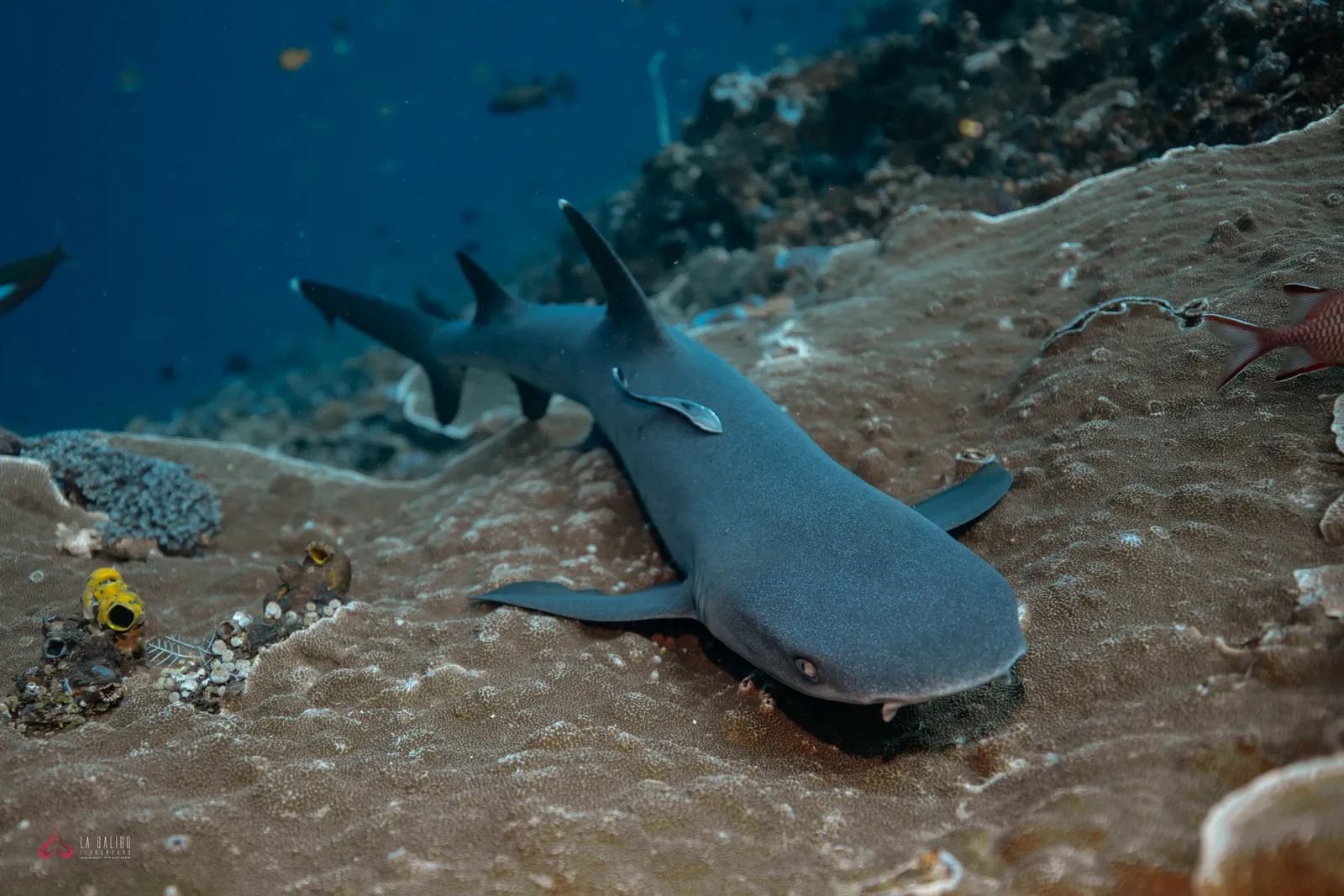
White tip reef shark resting on coral reef during Indonesia liveaboard diving expedition - Picture by La Galigo Liveaboard
Plan Your Timing
We're based in Indonesia and we know the seasonal patterns well. If you're trying to figure out the best timing for your trip, WhatsApp is the quickest way to get a straight answer. Every booking includes the option of a complimentary hotel night. You can also reach us via our contact form or read more about how we work.