Reef sharks, walking sharks, hammerheads and whale sharks: here is what lives in Indonesia, where to find it and how safe it is.
Are there sharks in Indonesia, and which ones can you dive with? Yes, and the list goes well beyond hammerheads and whale sharks. This guide gives you the overview and sits alongside our Indonesia liveaboard guide, with a deeper guide for each species linked below.
Most divers on an Indonesia liveaboard see sharks on most dives. The question is which sharks. Hammerheads and whale sharks are the headline encounters, but they depend on specific sites and seasons.
Quick Facts
- Best season: hammerheads October–November (primary) and March–April (secondary); other sharks depend on the destination
- Shark species: 109 recorded in Indonesian waters¹
- Reef sharks: the chances are very good. On most dives you will see some sharks
- Walking sharks: several species live in Indonesian and West Papuan waters, each in its own region²
- Hammerhead sites: Banda Sea (Suanggi, Nil Desperandum, Serua seamounts), Alor and, seasonally, Lombok
- Whale shark sites: Cenderawasih Bay, Triton Bay, Saleh Bay, Gorontalo and the Derawan Islands
- Experience level: reef sharks, walking sharks and whale sharks suit most certified divers; Banda Sea hammerheads need Advanced Open Water and current diving experience
- Snorkelers: can join whale shark encounters at bagan sites
- Cost range: from around $150–200 per day, rising with boat category
- Booking lead time: 6–12 months for October–November hammerhead departures
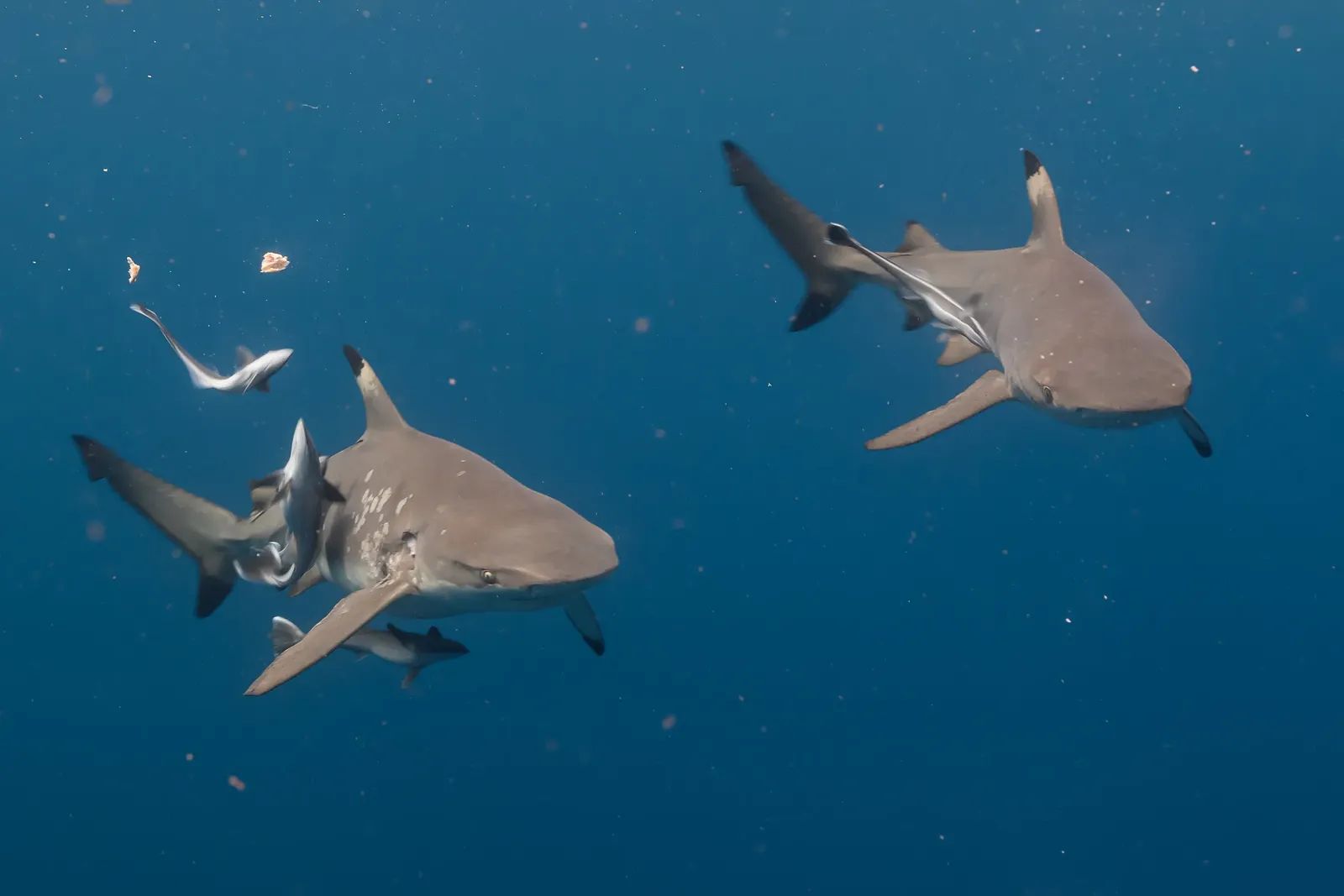
Two blacktip reef sharks patrolling deep blue waters with remora fish in Raja Ampat marine sanctuary - Picture by Neptune Liveaboards
Quick Answers
What sharks can you see in Indonesia?
Reef sharks appear on most dives. Walking sharks, leopard sharks and wobbegongs live on the reef floor. Scalloped hammerheads gather at Banda Sea seamounts, and whale sharks feed around bagans in West Papua, Saleh Bay and Gorontalo. See our guide to big marine life in Indonesia for the full list.
Are there dangerous sharks in Indonesia?
No. Sharks are not a danger to divers in Indonesia. Bites are close to non-existent: Shark Data Lab lists 18 unprovoked bites in Indonesia between 1864 and 2022³. The International Shark Attack File confirmed 65 unprovoked bites worldwide in 2025, and none were in Indonesia⁴.
Where is the best place to dive with sharks in Indonesia?
It depends on the shark. The Banda Sea and Alor are for hammerheads. Raja Ampat and Misool are for reef sharks and walking sharks. Cenderawasih Bay, Triton Bay and Gorontalo are for whale sharks. Our Raja Ampat guide covers the reef shark side in full.
Do I need to be an experienced diver to see sharks in Indonesia?
Yes, although it depends on the shark. Reef sharks, walking sharks and whale sharks suit most certified divers, and whale sharks can be seen snorkeling at bagan sites. Banda Sea hammerheads need Advanced Open Water and experience diving in current. Our beginner's guide to liveaboard diving in Indonesia covers the basics.
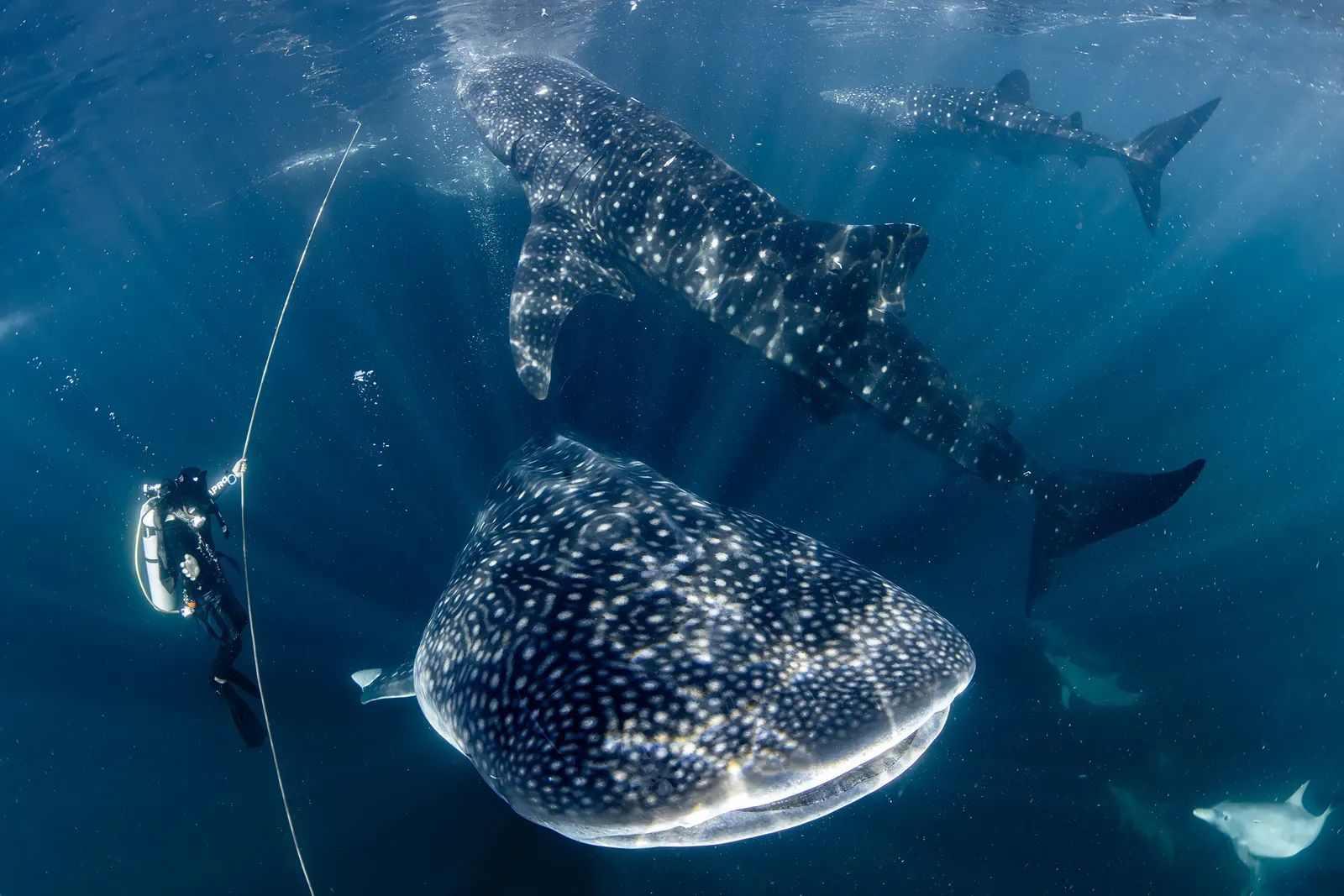
Multiple whale sharks gathered around diving platform with underwater photographers capturing the gentle giants in Indonesia - Picture by Neptune Liveaboards
Reef Sharks
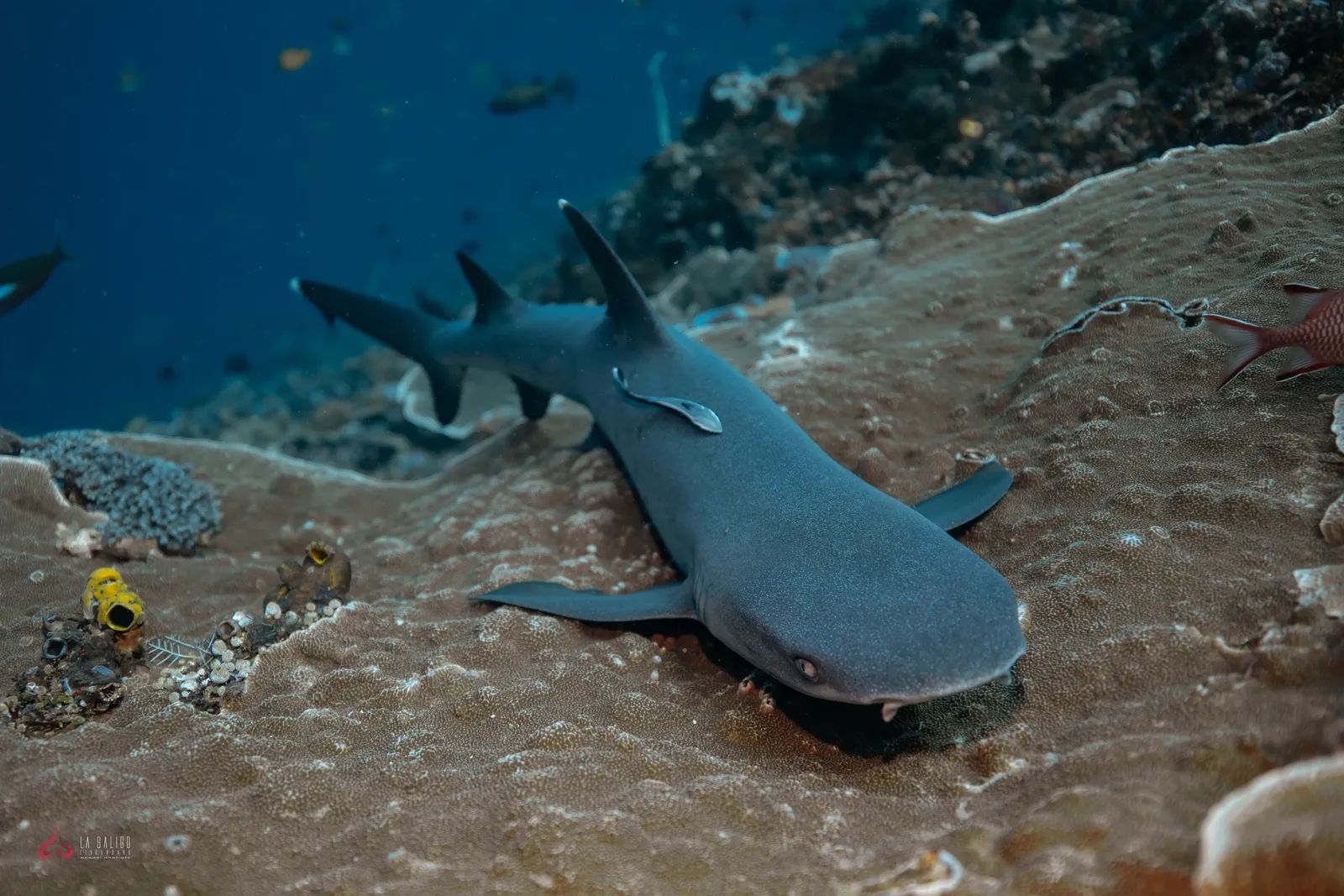
Blacktip, whitetip and grey reef sharks are the sharks you meet most often in Indonesia. They turn up on reefs, walls and channels across almost every destination.
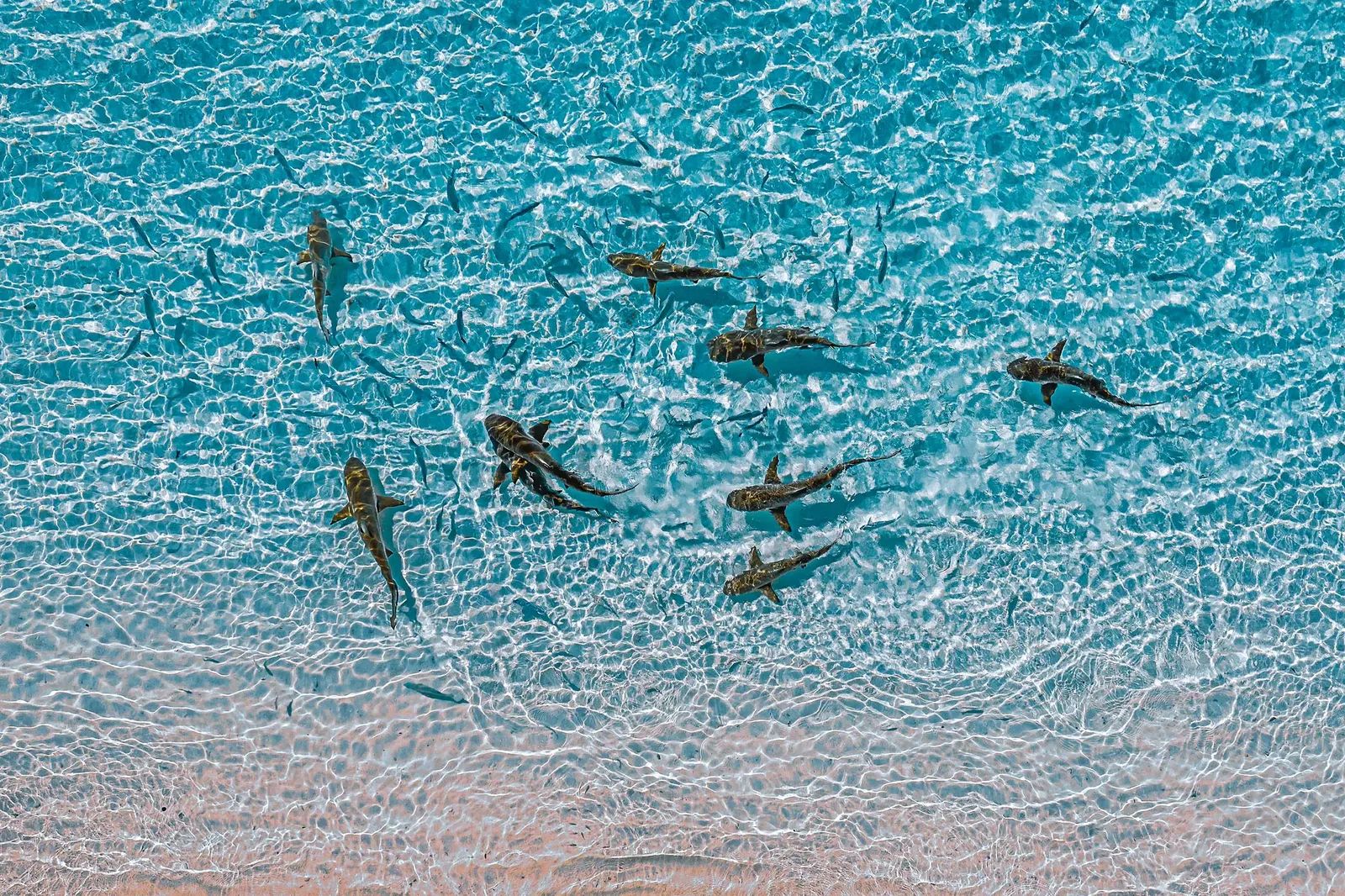
Raja Ampat has shark nurseries, such as the one around the ranger station in Wayag. In the shallows you can float among baby blacktip sharks. They are harmless and simply come to check you out.
Raja Ampat has protected sharks and manta rays across its entire 1 million acres (40,000 sq km)⁵ since 2010⁶. Inside Misool's 300,000-acre (1,220 sq km) no-take reserve, shark numbers have increased by 190% since 2012⁷. For routes and seasons, see diving Raja Ampat by liveaboard.
White tip reef shark resting on coral reef during Indonesia liveaboard diving expedition - Picture by La Galigo Liveaboard
Walking Sharks, Leopard Sharks, Bamboo Sharks and Wobbegongs
Walking sharks are small bamboo sharks that use their fins to move across the reef floor. Several species live in Indonesian or West Papuan waters, each in its own region.
- Raja Ampat: the Indonesian speckled carpetshark
- Cenderawasih Bay: the Cenderawasih epaulette shark⁸
- Triton Bay: Henry's epaulette shark⁸
- Halmahera: the Halmahera epaulette shark, endemic to Ternate and Halmahera²
The leopard shark, also called the zebra shark, is listed as Endangered worldwide⁹. In Raja Ampat, the ReShark project is bringing it back. Leopard shark eggs hatch in a hatchery, the pups are raised and then released onto the reef. More than 70 pups have been released since 2023¹⁰.
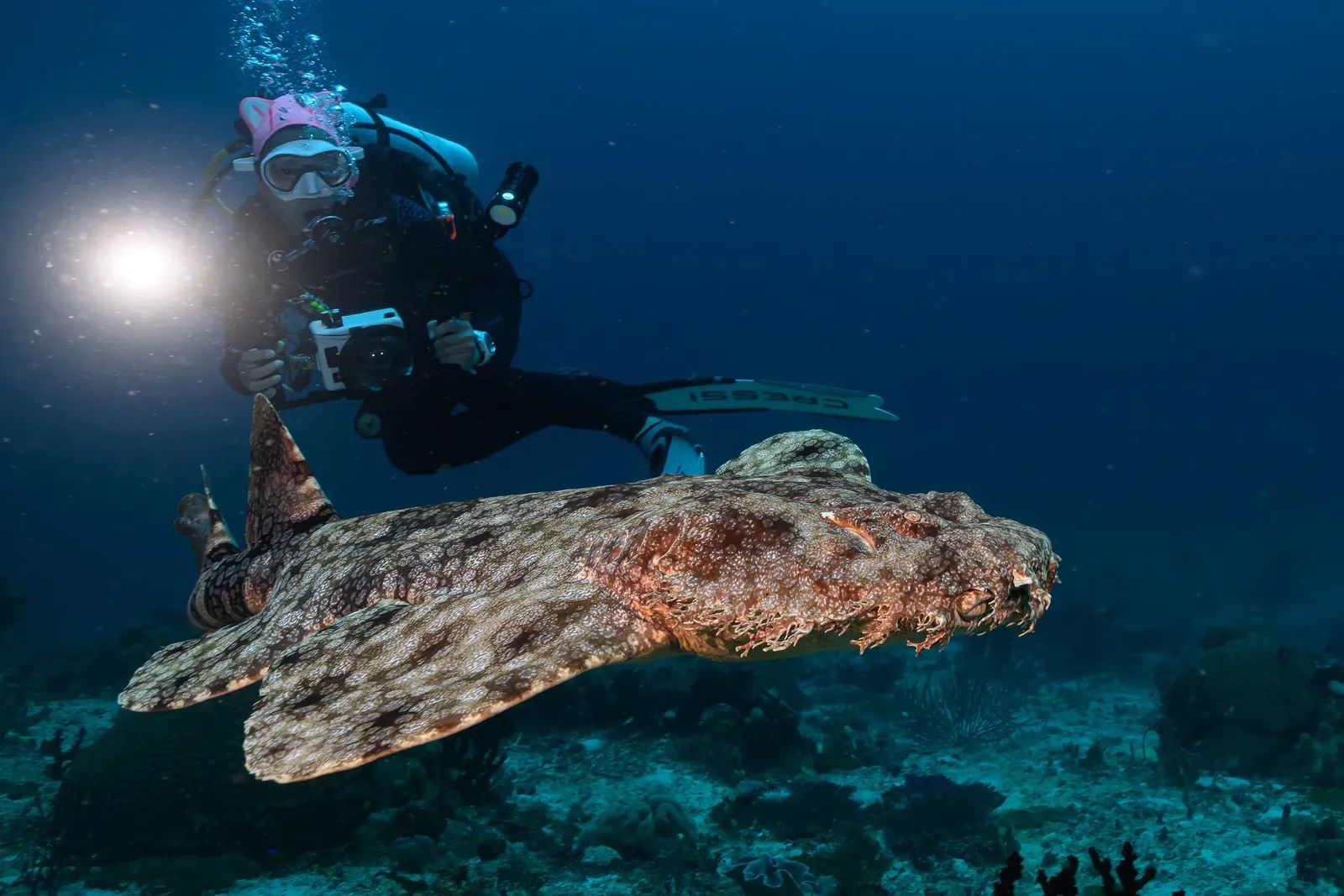
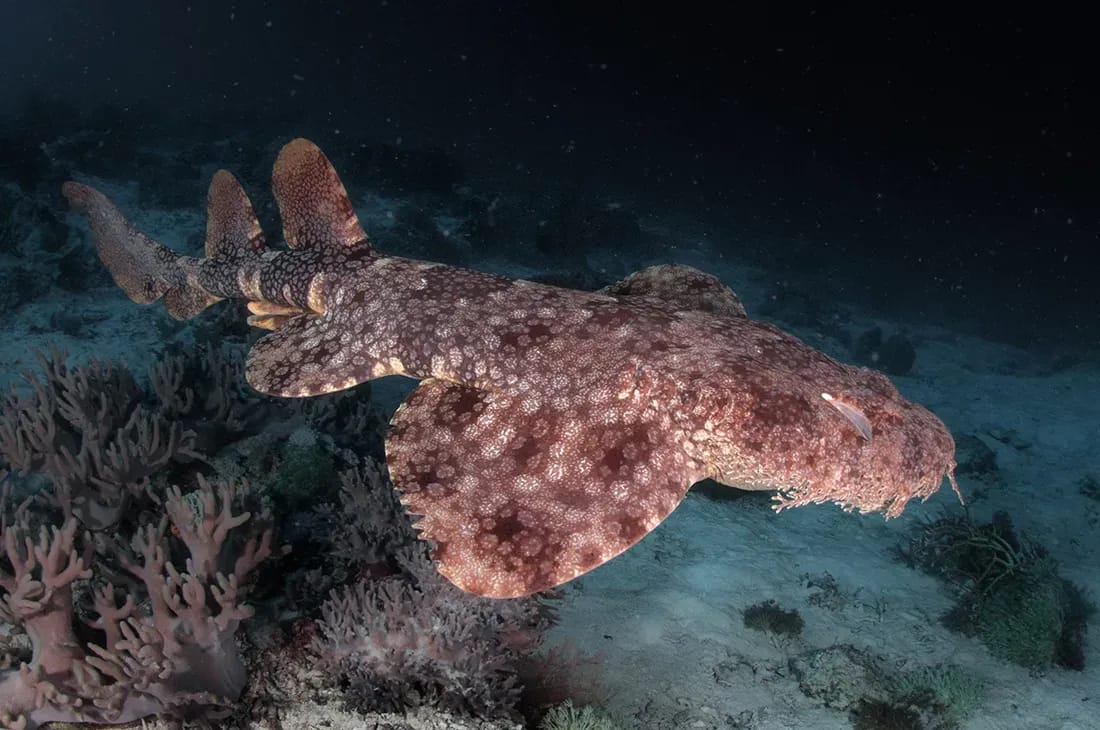
The tasselled wobbegong's range includes eastern Indonesia. It can bite in self-defense or if a hand or foot is mistaken for prey, so look but don't touch¹¹.
For more on the small species, see our guide to Indonesia's small marine life. Walking sharks also feature in our Triton Bay and Halmahera guides.
Underwater photographer with camera and lights documenting large tasseled wobbegong shark in Raja Ampat - Picture by Neptune Liveaboards
Hammerhead Sharks
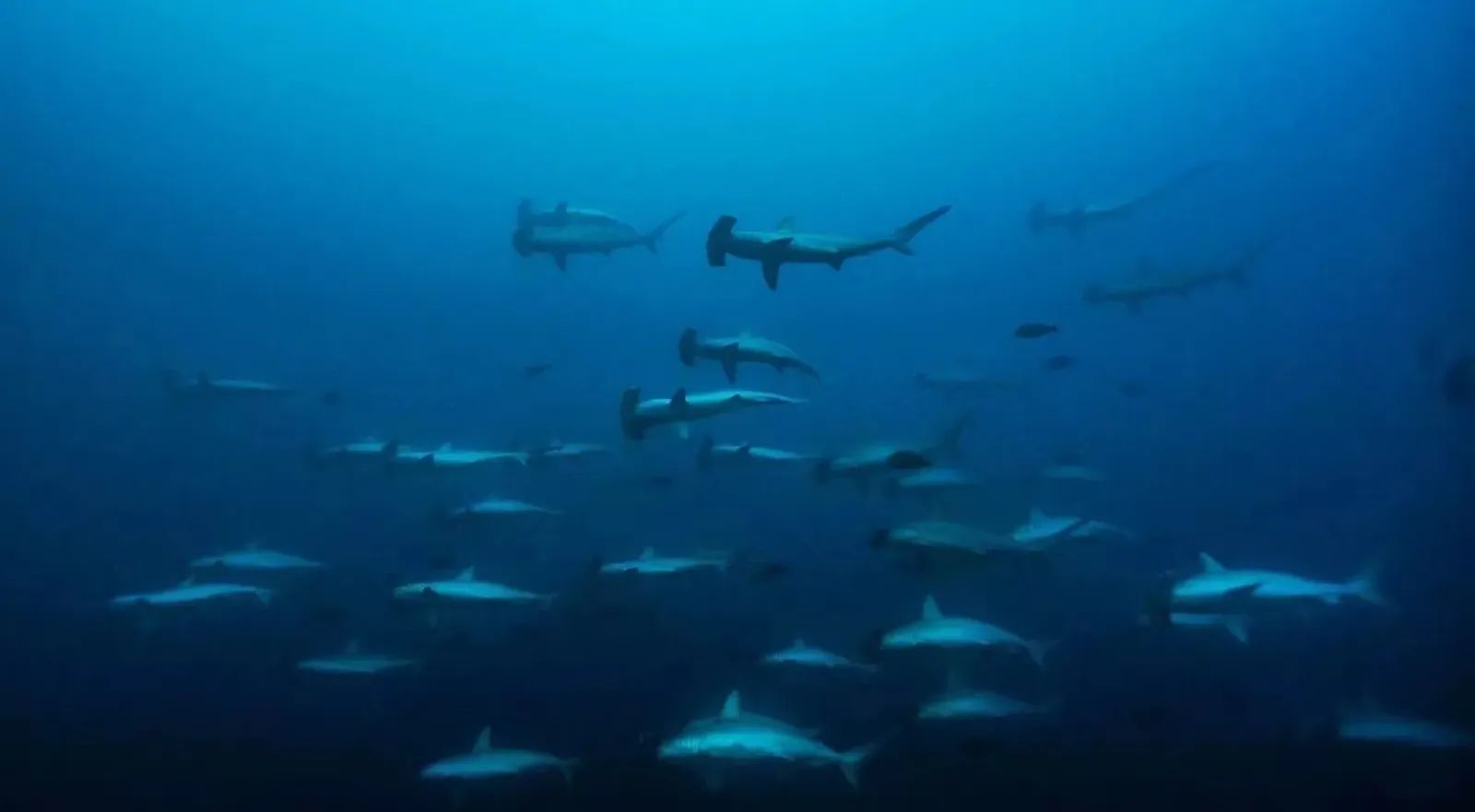
Scalloped hammerheads form daytime aggregations at Banda Sea seamounts. October–November is the primary season and March–April the secondary window. Alor offers a second opportunity from September to November. Lombok also sees hammerheads, but more seasonally. They come when the cold water arrives, which can be anywhere from June to November. The best time matches Alor.
These are current dives, so experience matters. The crossing from Alor to Ambon is the best route, because it passes all the seamounts. For sites and seasons, see our guide to diving with hammerheads in Indonesia.
School of hammerhead sharks swimming in deep blue waters of Banda Sea during Indonesia liveaboard diving trip - Picture by Neptune Liveaboards
Whale Sharks
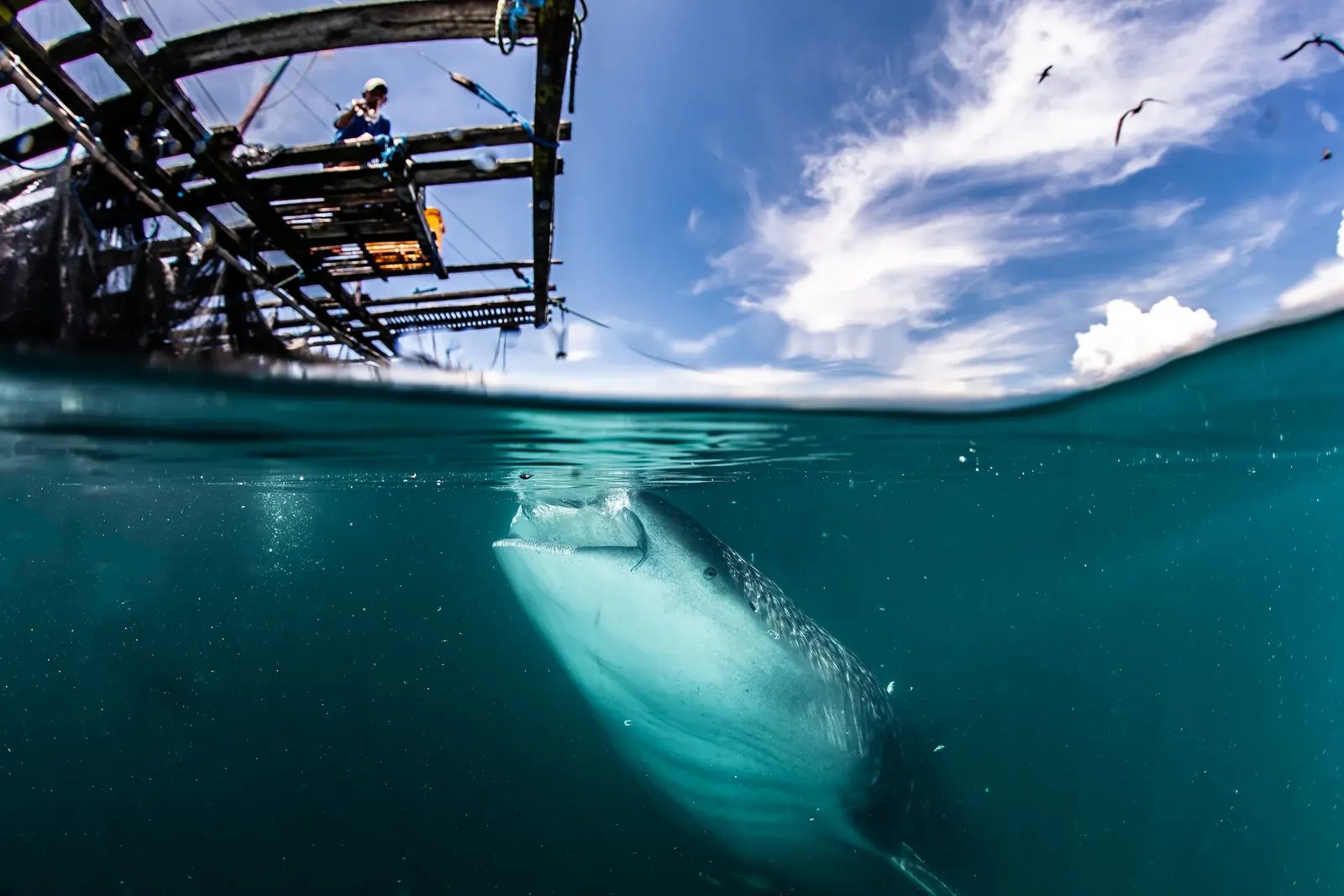
Whale sharks gather at bagans (fishing platforms) in Cenderawasih Bay, where roughly 160 individuals have been documented, mostly juvenile males¹². Snorkelers can join at bagan sites. Triton Bay and the Derawan Islands offer further encounters, and Saleh Bay runs May–September.
Gorontalo's Botubarani waters add a seasonal option. Whale sharks appear there nearly year-round, with the most sightings from March to August¹³. For locations and seasons, see our guide to diving with whale sharks in Indonesia.
Underwater split-shot showing whale shark feeding at surface with diving boat visible above in crystal-clear Raja Ampat waters - Picture by Neptune Liveaboards
Shark Season at a Glance
- Hammerheads, Banda Sea: October–November primary, March–April secondary
- Hammerheads, Alor: September–November
- Hammerheads, Lombok: June–November when cold water arrives, best at the same time as Alor
- Whale sharks, Cenderawasih Bay: present year-round, with most trips running July–August
- Whale sharks, Saleh Bay: May–September
- Whale sharks, Gorontalo: near year-round, most sightings March–August
- Reef and walking sharks: follow each destination's season. See our Indonesia weather guide
Large Wobbegong shark swimming over reef during night dive in Indonesian waters - Picture by Dewi Nusantara
Managing Expectations
Sharks are wild animals, and no operator can promise a sighting. Hammerhead aggregations shift with currents and water temperature, so a good season can still include dives without them. Banda Sea departures are long, usually 10 to 14 days on the extended routes, and the best October–November dates fill early.
For hammerheads, the route matters. The Alor to Ambon crossing passes all the seamounts. Crossings from Ambon to Raja Ampat, or Banda Sea itineraries, often don't cover the whole route, depending on the boat.
Whale shark numbers at bagans vary from day to day. Reef sharks and walking sharks vary by site, season and visibility too. Treat any shark you see as a bonus on top of the reef itself.
School of blacktip reef sharks swimming in shallow crystal-clear turquoise waters over sandy bottom in Raja Ampat lagoon - Picture by Calico Jack Cruises
Frequently Asked Questions
Can you swim with sharks in Indonesia?
Yes, with whale sharks. Snorkelers can join encounters at bagan sites. Reef sharks, walking sharks and hammerheads are diving encounters. In Raja Ampat's shallow nurseries you can also float among baby blacktips.
When is the best time of year to see sharks in Indonesia?
It depends on the species. October–November is the primary hammerhead window in the Banda Sea, with March–April as the secondary. Whale sharks are present year-round in Cenderawasih Bay, Saleh Bay runs May–September, and Gorontalo peaks March–August. For wider seasonal planning, see how weather patterns shape the diving seasons.
What is a walking shark?
A walking shark is a small bottom-dwelling shark that uses its pectoral and pelvic fins to move across the reef floor. Several species live in Indonesian and West Papuan waters, each in its own region⁸. Our guide to critters and small animals covers where to find them.
Are walking sharks and wobbegongs dangerous?
No. Walking sharks are small reef-floor bamboo sharks. Wobbegongs can bite in self-defense or if a hand or foot is mistaken for prey¹¹. Look from a distance and never touch.
Are sharks protected in Indonesia?
Partly. Whale sharks have had full protection since 2013¹⁴, and manta rays since 2014¹⁵. Raja Ampat declared its waters a shark and manta ray sanctuary in October 2010, and local parliament passed the regulation in late 2012⁶. Misool's no-take reserve has seen shark numbers rise by 190% since 2012⁷. Read more about shark protection in Raja Ampat.
Can I see hammerhead sharks outside the Banda Sea?
Yes, you can see them in many places, because Indonesia has deep water almost everywhere. But you need to be very lucky. Schooling hammerheads only gather at a few special sites, and that is why we go there. See where to find hammerheads for the main sites and seasons.
Can you see whale sharks in Bali?
Yes, but you need to be lucky. Whale sharks pass through Indonesian waters, including the area around Bali, but there are no feeding sites there. At bagan sites such as Cenderawasih Bay the sharks come to feed, which makes encounters far more reliable. For dependable sightings, see our whale shark guide.
What should I do if I see a shark while diving?
Stay calm, keep your breathing steady and follow your guide's briefing. Don't chase, touch or block the shark's path.
Diving trips cost the same whether you book with Coralbound or direct with the operator. Booking gifts are available, including the option of a complimentary hotel night or a donation to the Raja Ampat Sea Center, which supports ReShark. Tell us which sharks you want to see and we'll match you to the right route, via live chat on the platform, WhatsApp or our contact form. Curious how we work? See why divers book with Coralbound.