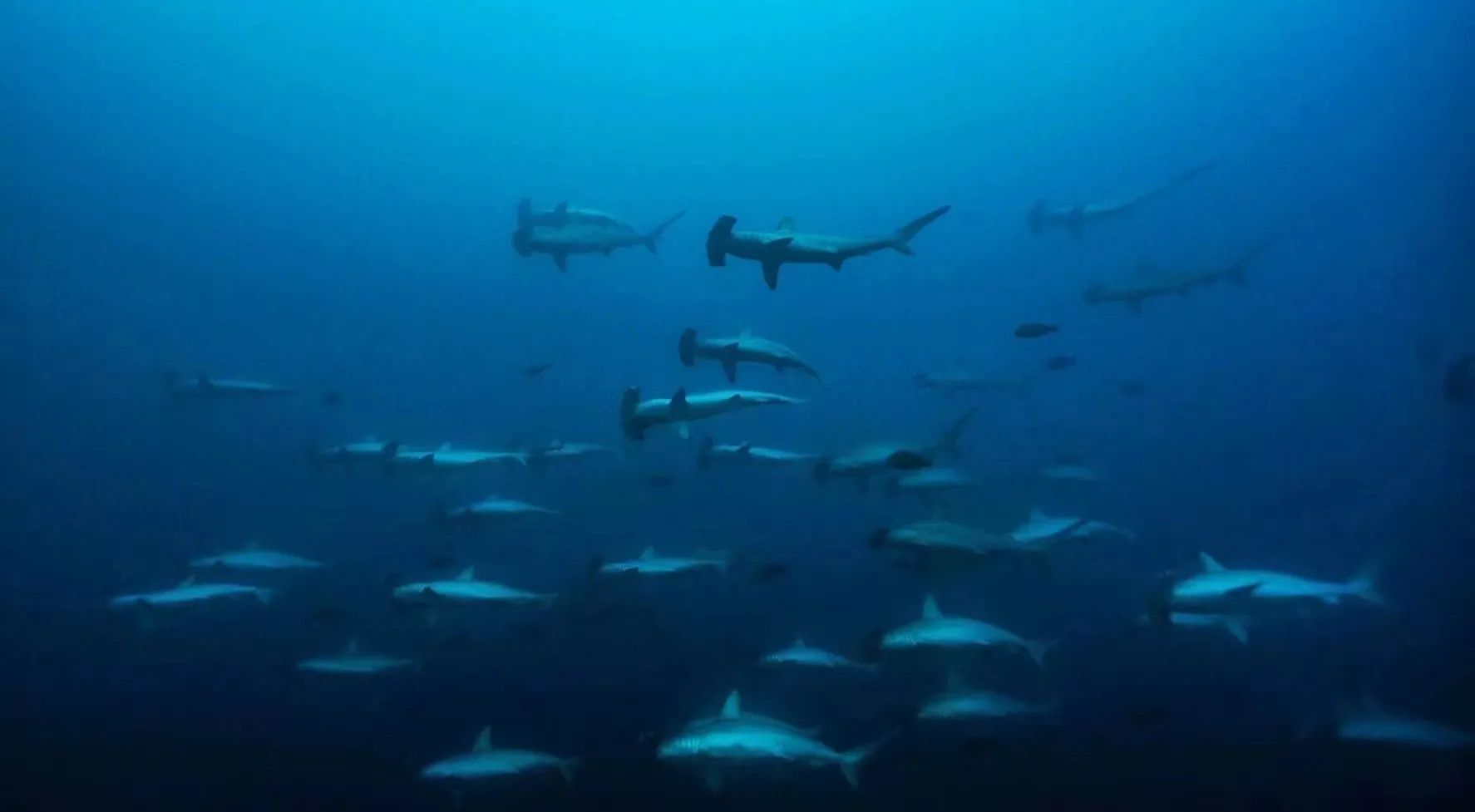
Die Bandasee ist einer der wenigen Orte auf der Erde, an denen sich Fuchshaie noch in großen Schulen versammeln – und einer der am wenigsten besuchten.
Dieser Leitfaden behandelt, wo und wann man in Indonesien mit Fuchshaien tauchen kann, was man an den Tauchplätzen der Bandasee erwarten kann und wie man die saisonalen Fenster plant. Er ist Teil des Liveaboard-Leitfadens für Indonesien von Coralbound; unser Leitfaden für Großtier-Tauchen deckt das gesamte Bild der Megafauna ab, und warum Taucher Indonesien wählen deckt den breiteren Fall für das Land ab. Für einen schnellen Überblick über das Reiseziel siehe die Zielseiten-Seite der Bandasee.
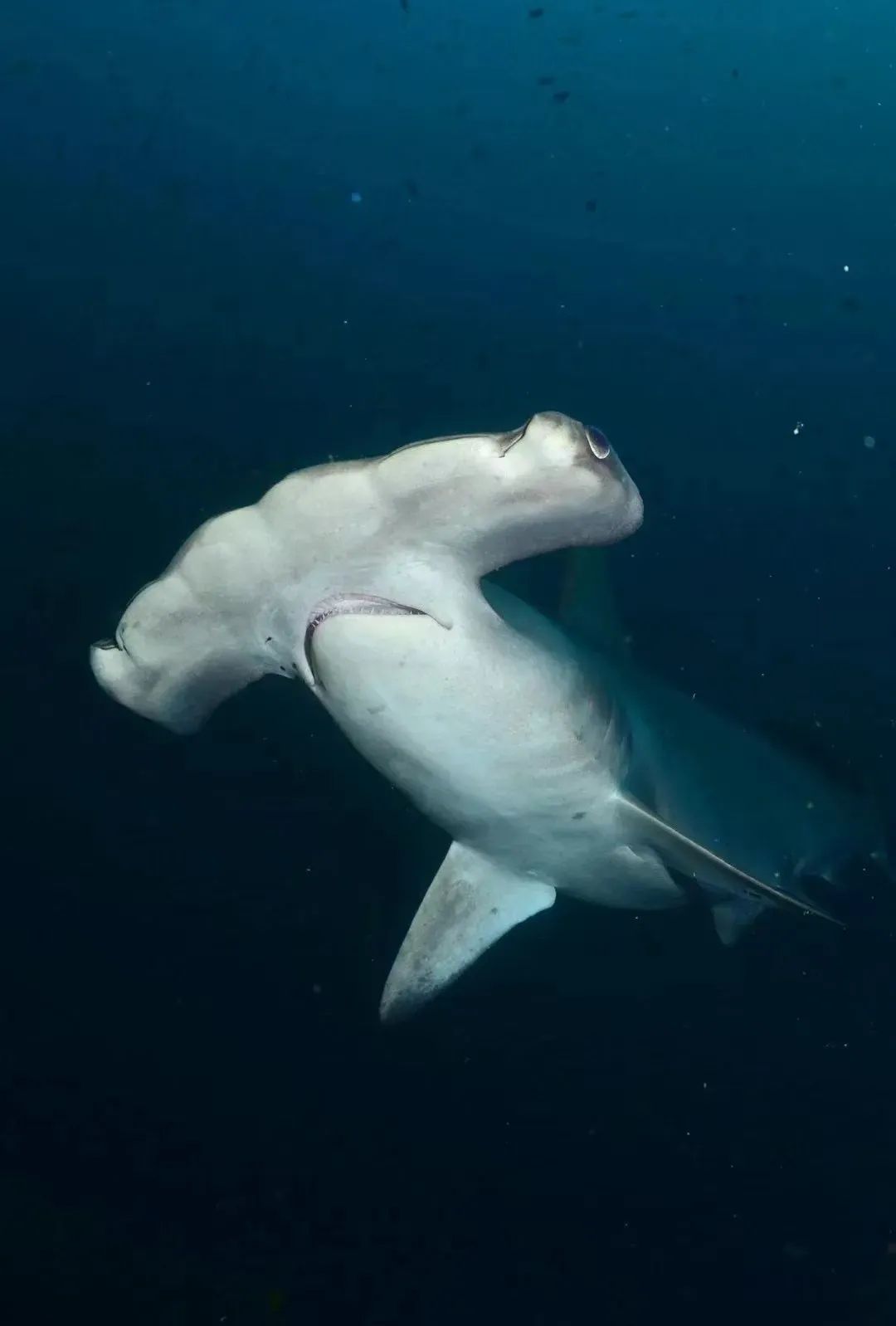
Gefleckte Hammerhaie (Sphyrna lewini) sind die Art, die hinter den Hammerhai-Begegnungen in Indonesien steckt – nicht die Großen Hammerhaie, die fast immer Einzelgänger sind. Gefleckte Hammerhaie sind fakultative Schwarmbildner, die saisonal tagsüber an Seamounts und Unterwasserstrukturen zusammenkommen, ein Verhalten, das im gesamten Indo-Pazifik gut dokumentiert ist¹²⁵⁸. Forschungen deuten darauf hin, dass diese Ansammlungen mehreren Zwecken dienen: soziale Interaktion, Nutzung von Putzerstationen und Paarung – mit direkten Paarungsbeobachtungen an Seamount-Ansammlungsorten weltweit¹⁰. Sie sind auf der Roten Liste der IUCN als vom Aussterben bedroht eingestuft⁹ – Überfischung hat Ansammlungsorte in weiten Teilen ihres historischen Verbreitungsgebiets ausgelöscht, was die intakten Populationen der Bandasee zunehmend bedeutsam macht.
Schnelle Fakten
- Beste Saison: Oktober–November Hauptfenster für Hammerhaie; März–April sekundäres Fenster
- Wassertemperatur: 26–29°C; oft kälter im September–Oktober, wenn das Auftriebswasser seinen Höhepunkt erreicht – Betreiber berichten durchweg von größeren Ansammlungen in kälterem Wasser
- Sichtweite: 20–35m an den Haupttauchplätzen
- Erfahrungsstufe: Fortgeschrittene Freiwasser-Taucher dringend empfohlen; Erfahrung mit tiefen und Drift-Tauchgängen unerlässlich
- Reiselänge: 7–8 Tage Fokus auf die Banda-Inseln; 10–14 Tage Banda + Vergessene Inseln oder Ring of Fire Routen; länger für Überfahrten nach Alor oder West-Papua
- Wer kann teilnehmen: erfahrene Taucher; nicht geeignet für Personen ohne aktuelle Taucherfahrung
- Kostenbereich: 400–600 $/Tag Mittelklasse; 600–1.000 $/Tag Luxus
- Schlüsselarten: Gefleckter Hammerhai (Sphyrna lewini, IUCN vom Aussterben bedroht)⁹
- Gateway-Flughäfen: Ambon (AMQ) für Routen in der Bandasee; Kupang (KOE) → Mali Airport (ARD) für Alor
- Buchungsvorlaufzeit: 6–12 Monate für die Hauptsaison Oktober–November
Schnelle Antworten
Wo ist der beste Ort, um in Indonesien mit Hammerhaien zu tauchen?
Die Bandasee ist Indonesiens einziges Reiseziel für zuverlässige Begegnungen mit Hammerhaien. Tauchplätze um die Inseln Suanggi und Serua sowie bei Nil Desperandum – einem untergetauchten Atoll – sind die Hauptansammlungsorte, wo sich gefleckte Hammerhaie während des Höhepunkts im Oktober–November und in geringerem Maße im März–April versammeln. Alor bietet eine sekundäre Möglichkeit im September–November, wenn die kalten Auftriebsströmungen stärker werden.
Wann ist die Hammerhai-Saison in Indonesien?
Die Bandasee hat zwei Fenster. Oktober–November ist die Hauptsaison – Betreiber berichten durchweg von den größten Ansammlungen und die Bedingungen sind am stabilsten. März–April ist ein sekundäres Fenster mit kleineren, weniger vorhersehbaren Schulen. Alors Hammerhai-Fenster läuft von September bis November und überschneidet sich mit dem Höhepunkt der Bandasee. Betreiber berichten im Allgemeinen, dass kälteres Wasser mit höherer Haidichte korreliert – September und Anfang Oktober können besonders produktiv sein, wenn der Auftrieb seinen Höhepunkt erreicht. Unser Wetterleitfaden für Indonesien behandelt die saisonalen Bedingungen im Detail.
Welche Erfahrung benötige ich, um mit Hammerhaien in Indonesien zu tauchen?
Hammerhai-Tauchen an den Tauchplätzen der Banda-See ist eines der technisch anspruchsvollsten Erlebnisse Indonesiens. Begegnungen finden typischerweise in 25–40 Metern Tiefe an exponierten Stellen mit starken Strömungen statt – Bedingungen, die eine solide Tarierungskontrolle, Komfort in der Tiefe und Erfahrung in bewegtem Wasser erfordern. Eine Advanced Open Water Zertifizierung wird dringend empfohlen, und Erfahrungen im Tieftauchen und Strömungstauchen machen sowohl für die Sicherheit als auch für die Qualität der Begegnungen einen erheblichen Unterschied. Wenn Sie sich auf diese Art des Tauchens vorbereiten, deckt unser Leitfaden für Anfänger auf Liveaboards ab, wie Sie sich die richtige Erfahrungsgrundlage aneignen.
Kann ich Hammerhaie außerhalb der Banda-See sehen?
Hammerhaie tauchen opportunistisch an anderen indonesischen Zielen auf – Komodo, Raja Ampat, Tiefwasserkanäle in Alor, und die Belongas Bay in Lombok, die sowohl für Hammerhai- als auch für Fuchshai-Begegnungen bekannt ist. Dies sind echte, aber zufällige Sichtungen. Wenn Hammerhaie Ihr Hauptziel sind, ist die Banda-See im Oktober/November der richtige Ort, auf den Sie sich konzentrieren sollten.
Close-up of hammerhead shark in deep blue waters of Banda Sea during Indonesia liveaboard diving expedition - Picture by Neptune Liveaboards
Wo man Hammerhaie in Indonesien findet
Banda-See
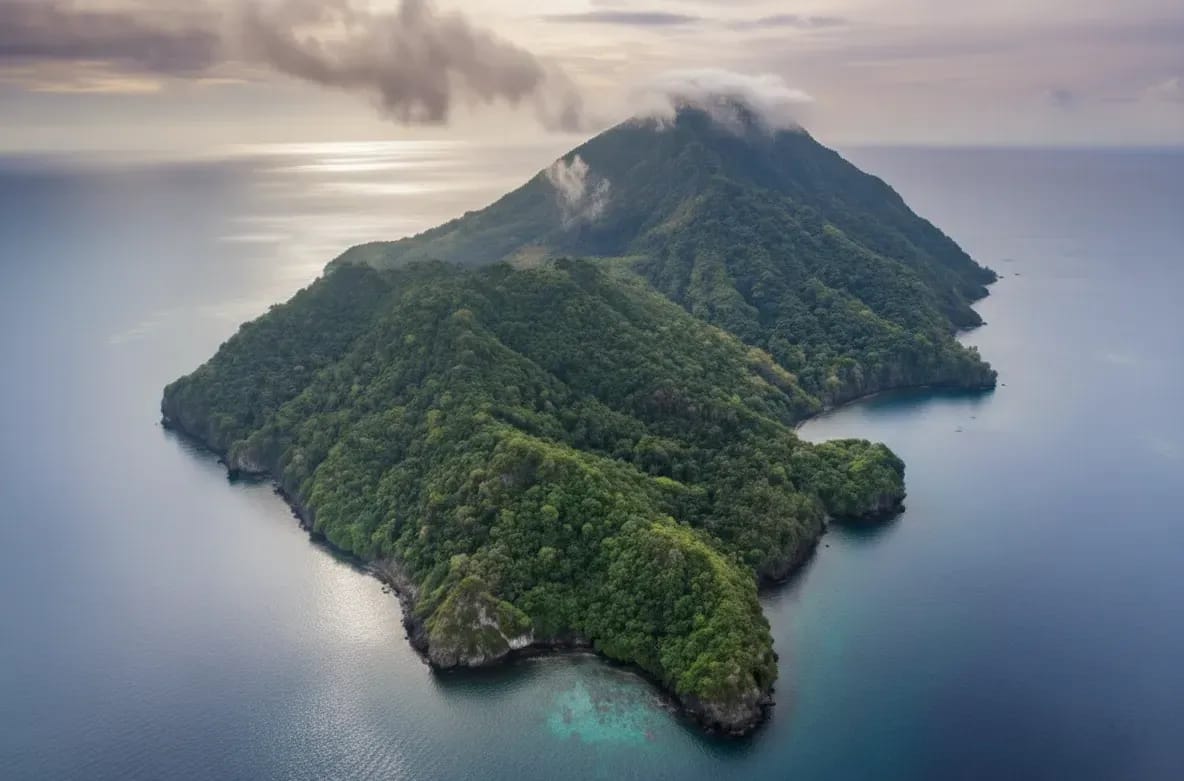
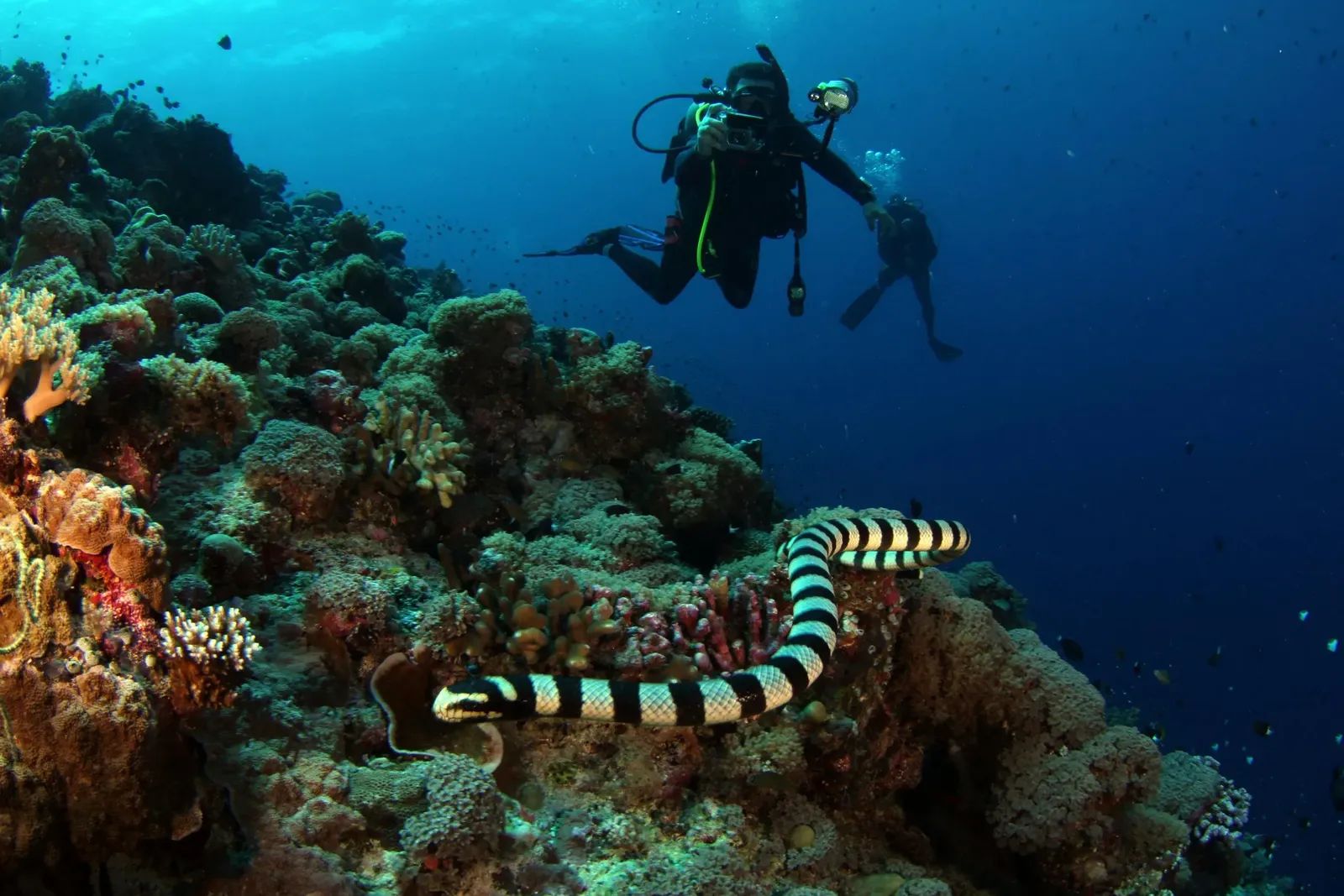
Die Banda-See ist das Herzstück des Hammerhai-Tauchens in Indonesien. Die wichtigsten Tauchplätze sind um vulkanische Inseln und unterseeische Strukturen in der zentralen und südlichen Banda-See gruppiert: Die Gewässer um die Inseln Suanggi und Serua sowie Nil Desperandum – ein unterseeisches Atoll, das aus tiefem Wasser aufsteigt – sind die Orte, an denen Betreiber regelmäßig Hammerhai-Ansammlungen finden. Die Insel Manuk, die am besten für ihre Seeschlangenpopulationen bekannt ist, liefert ebenfalls Hammerhai-Begegnungen. Das tiefe Becken, das diese Strukturen umgibt, fällt auf über 4.000 Meter ab, und die um Inseln und Seamounts entstehenden Auftriebsströmungen konzentrieren Beute und schaffen die Bedingungen, die aggregierende Haie anlocken.
Gefleckte Hammerhaie sind tagsüber an diesen Strukturen Aggregatoren¹² – sie versammeln sich während der Tageslichtstunden und zerstreuen sich nachts zur Futteraufnahme ins offene Meer. Forschungen an mehreren indo-pazifischen Standorten bestätigen, dass diese Ansammlungen soziale Interaktion, die Nutzung von Putzerstationen und Paarung ermöglichen, wobei letzteres an vergleichbaren Ansammlungsorten direkt beobachtet wurde¹⁰. Begegnungen beinhalten schnelles Abtauchen auf 25–40 Meter, Positionierung im Strömenschatten und Warten, während Schulen in der Tiefe kreisen. Betreiber berichten durchweg, dass kälteres Wasser – insbesondere im September und Oktober, wenn der Auftrieb seinen Höhepunkt erreicht – mit größeren Ansammlungen korreliert.
Neben Hammerhaien bietet die Banda-See umfassendes Expeditions-Tauchen: unberührte Korallenwände, Schwärme von Thunfischen und Barrakudas, Wracks aus dem Zweiten Weltkrieg, Makro-Tauchen in der Laha Bay und Banda Neira, Seeschlangen auf der Insel Manuk und einige der artenreichsten Riffe im Osten Indonesiens¹¹. Für vollständige Destinationsdetails lesen Sie unseren Banda-See-Leitfaden oder stöbern Sie auf der Destinationsseite der Banda-See.
Alor
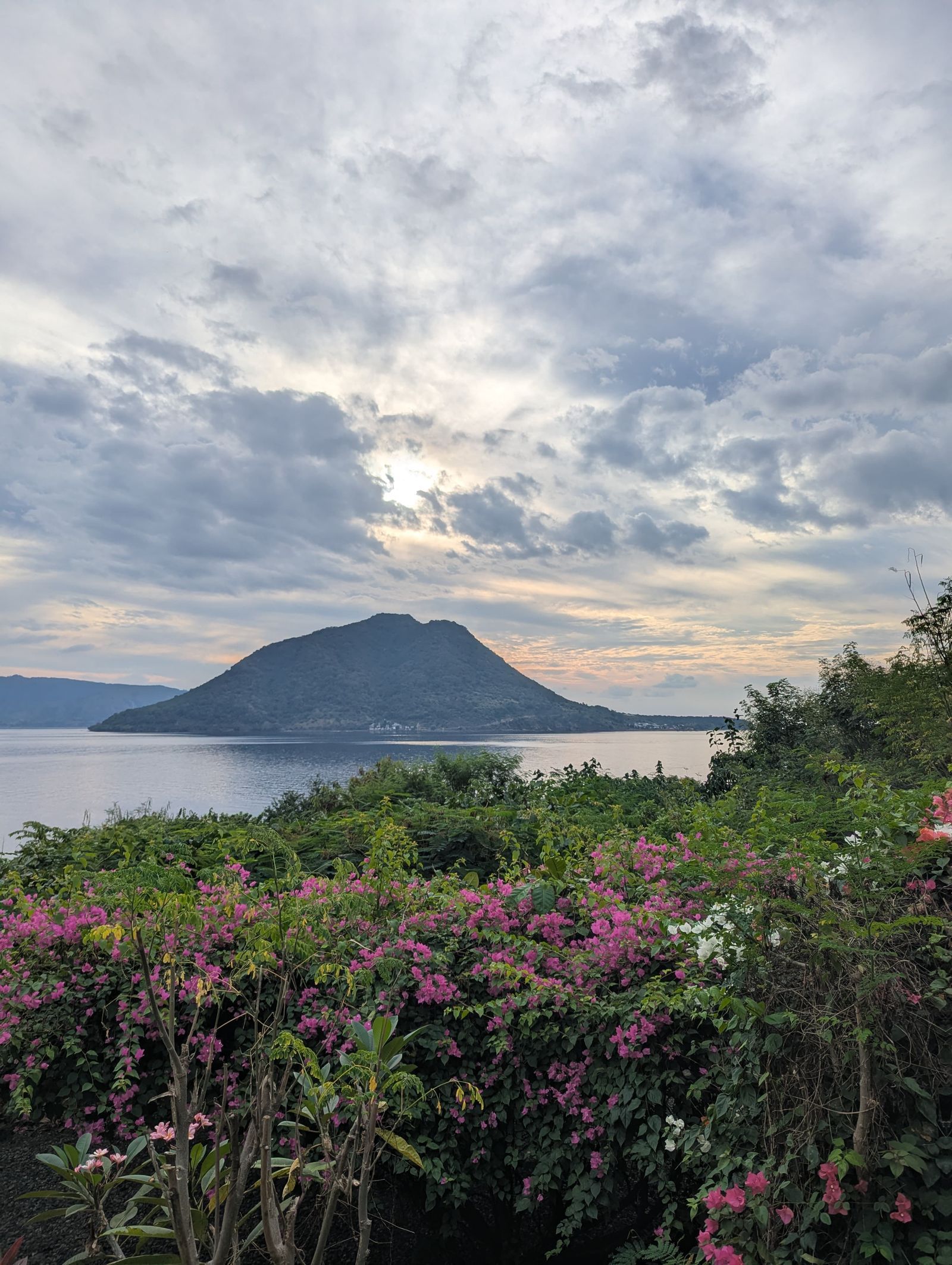
Alor ist Indonesiens zweites Hammerhai-Reiseziel. September–November verstärkt sich die Kaltwasserströmung in der Straße von Pantar, bringt nährstoffreiches Wasser, das Hammerhaie zu den Wänden und Spitzen von Alor lockt. Begegnungen hier sind flacher und weniger exponiert als an den Orten der Banda-See – typischerweise 20–35 Meter –, erfordern aber dennoch solide Erfahrung im Strömungstauchen. Betreiber berichten von Schulen unterschiedlicher Größe während der Spitzenströmung; die Konsistenz ist geringer als in der Spitzenzeit der Banda-See, aber das Reiseziel fügt einer Reiseroute durch Ost-Nusa Tenggara, die auch das Makro-Tauchen in Alor, Riffhaie und das 277.000 Hektar große Pantar Strait Marine Reserve umfasst, eine echte Hammerhai-Wahrscheinlichkeit hinzu. Für vollständige Details zum Reiseziel lesen Sie unseren Alor-Reiseführer.
Opportunistische Sichtungen anderswo
Hammerhaie erscheinen an anderen indonesischen Reisezielen ohne die Vorhersehbarkeit einer saisonalen Ansammlung. Komodo und Raja Ampat liefern gelegentliche Sichtungen in tieferen Riffabschnitten und Kanalrändern. Die Bucht von Belongas auf Lombok ist ein bekannter, vom Ufer aus zugänglicher Ort für Begegnungen mit Hammer- und Fuchsschwanzhaien – kein Liveaboard-Ziel, aber eine praktische Ergänzung für Taucher, die bereits in der Region sind. Diese Begegnungen sind echt, aber zufällig; für engagiertes Hammerhai-Tauchen bleibt die Banda-See die einzige Reiseroute, um die eine Reise wert ist.
Schutzkontext
Gefleckte Hammerhaie sind vom Aussterben bedroht⁹. Ansammlungsorte in weiten Teilen ihres globalen Verbreitungsgebiets sind stark dezimiert – zwischen den 1970er und 2010er Jahren wurde ein Rückgang der Schulgröße um 97 % an Tiefseebänken im Golf von Kalifornien dokumentiert³. Forschungen zur Verfolgung von Populationen gefleckter Hammerhaie im Pazifik und Indischen Ozean bestätigen eine anhaltende Fragmentierung und einen Rückgang der Populationen⁴. Die Abgelegenheit der Banda-See war ihr wirksamster Schutz – der begrenzte Zugang hält sowohl den Fischereidruck als auch den Tauchtourismus auf eine kleine Anzahl von Betreibern pro Saison beschränkt.
Indonesien verbot 2013 das Haifischflossen und hat gefleckte Hammerhaie als geschützte Art eingestuft⁶⁷. Das gleiche Merkmal, das die Expedition in der Banda-See anspruchsvoll macht, ist das, was die Population intakt hält. Verantwortungsbewusstes Begegnungsverhalten an diesen Orten folgt dem Standardprotokoll für pelagische Haie – keine plötzlichen Bewegungen, kein Jagen, keine Blasen, die auf die Schule gerichtet sind. Eine aufgeregte Ansammlung kehrt nicht zurück.
Aerial view of pristine Serua Island, a tropical island with lush green jungle, white sand beaches and crystal clear turquoise waters under dramatic cloudy sky in the Banda Sea and part of the Ring of Fire liveaboard itineraries
Erwartungen managen
Hammerhai-Sichtungen an den Tauchplätzen der Bandasee sind saisonal, wetterabhängig und nicht garantiert. Das Zeitfenster Oktober–November bietet die beste Wahrscheinlichkeit, aber Hammerhaie reagieren auf ozeanografische Bedingungen und nicht auf einen festen Zeitplan. Betreiber berichten durchweg von Sichtungen während der Hochsaison, aber ein unproduktiver Tag ist bei jeder Expedition möglich.
Starke Strömungen sind an diesen Orten die Norm. Einige der besten Sichtungen finden im stärksten Wasser statt – die Strömung konzentriert die Schule. Taucher, die noch nie in bewegtem Wasser getaucht sind, werden die Bedingungen schwieriger zu bewältigen finden als diejenigen, die es gewohnt sind. Auftriebskontrolle und die Fähigkeit, die Position ohne ständiges Flossenschlagen zu halten, bestimmen sowohl die Sicherheit als auch die Qualität der Sichtung.
Die Bandasee ist wirklich abgelegen. Ambon ist das Tor, das Inlandsflüge von Bali oder Jakarta erfordert. Berücksichtigen Sie die Entfernung für medizinische Evakuierungen bei Ihrer Planung und Versicherung. März–April ist ein gültiges Zeitfenster für Hammerhaie, liefert aber variabelere Ergebnisse als Oktober–November.
Alor Island sunset view with volcanic peaks and tropical waters - perfect for Indonesia liveaboard diving adventures - Picture by Tina Bogdanova
Häufig gestellte Fragen
Warum ist Oktober–November besser als März–April für Hammerhaie?
Beide Zeitfenster bieten Hammerhai-Sichtungen an den Tauchplätzen der Bandasee, aber Oktober–November fällt mit dem stärkeren saisonalen Auftrieb zusammen, der die Beute konzentriert und größere Ansammlungen antreibt. Betreiber berichten durchweg von größeren Schulen und zuverlässigeren täglichen Sichtungen in diesem Zeitfenster. Das kältere Wasser im September–Oktober, wenn der Auftrieb seinen Höhepunkt erreicht, kann ebenfalls mit höherer Dichte korrelieren. Hammerhaie im März–April sind vorhanden, aber weniger vorhersehbar – eine sekundäre Gelegenheit und keine primäre Veranstaltung.
Benötige ich eine spezielle Zertifizierung über Open Water hinaus?
Advanced Open Water wird dringend empfohlen und von einigen Betreibern für Reisen in die Bandasee verlangt. Eine Spezialisierung auf Tiefseetauchen und Strömungstauchen sind vor dem Versuch dieser Tauchplätze empfehlenswert. Die Sichtungen liegen innerhalb der Freizeittauchgrenzen (25–40 Meter), aber die Kombination aus Strömung und Tiefe an exponierten Stellen ist keine Bedingung, die man zum ersten Mal auf einer abgelegenen Expedition erleben sollte. Unser Packleitfaden für Liveaboards erklärt, wie man sich vorbereitet.
Benötige ich eine Tauchversicherung für Liveaboard-Tauchgänge in Indonesien?
Ja. Tauchversicherung mit medizinischer Evakuierungsdeckung ist nach indonesischem Recht zwingend vorgeschrieben und für die Banda-See unerlässlich – Ambon ist die nächstgelegene medizinische Einrichtung von einiger Bedeutung. Vergewissern Sie sich, dass Ihre Police Indonesien abdeckt und eine Bergung aus abgelegenen Gebieten einschließt. Für Expeditionen zu solch abgelegenen Orten wird auch eine umfassende Reiseunterbrechungsversicherung dringend empfohlen.
Was werde ich sonst noch auf einer Expedition in der Banda-See sehen?
Die Banda-See bietet einige der reichhaltigsten Expeditionstauchgänge in Indonesien. Schwärme von Thunfischen, Hundszahn-Thunfischen, Barrakudas und verschiedene Riffhaiarten überall. Wracks aus dem Zweiten Weltkrieg in der Nähe von Ambon und auf den Banda-Inseln. Makrotauchen in der Laha-Bucht und bei Banda Neira. Ansammlungen von Seeschlangen auf Manuk Island. Korallenwände mit außergewöhnlicher Bedeckung. Hammerhaie sind der saisonale Höhepunkt; der Rest der Reiseroute läuft von April bis November unabhängig vom Hammerhai-Fenster.
Wie lange sollte eine Reise in die Banda-See dauern?
Eine auf die Banda-Inseln fokussierte Reiseroute dauert 7–8 Tage und deckt die wichtigsten Hammerhai-Spots ab. Verlängerte Routen, die die Banda-Inseln mit den Vergessenen Inseln oder dem Ring of Fire kombinieren – in Richtung Alor – dauern 10–14 Tage. Überfahrten in Richtung Raja Ampat oder West-Papua sind noch länger. Für Kombinationsideen finden Sie in unserem Leitfaden für Liveaboard-Erweiterungen die Optionen. Mantarochen, Meeresschildkröten und Walhaie erscheinen zufällig auf den Reiserouten der Banda-See.
Ist Nitrox auf Liveaboards in Indonesien verfügbar?
Die Verfügbarkeit variiert je nach Schiff. Auf Luxus- und Tauchbooten ist Nitrox oft inbegriffen oder gegen Aufpreis erhältlich. Bei Tiefen von 25–40 Metern in der Banda-See bietet Nitrox eine sinnvolle Verlängerung der Grundzeit und reduziert die Stickstoffbelastung – hier praktischer relevant als bei flacheren Manta- oder Schildkröten-Spots. Unser Leitfaden für Liveaboard-Kategorien erklärt, was jede Schiffsklasse beinhaltet.
Wie weit im Voraus sollte ich buchen?
6–12 Monate für Abfahrten im Oktober–November. Das enge saisonale Fenster und die begrenzte Anzahl von Betreibern, die spezielle Hammerhai-Reiserouten in der Banda-See anbieten, führen dazu, dass Reisen in der Hauptsaison schnell ausgebucht sind. März–April erfordert eine Planung von 3–6 Monaten im Voraus.
Banded sea snake on coral reef with diver, Banda Sea liveaboard diving encounter Indonesia
Plan Your Trip
Coralbound bucht Banda Sea Expeditionen zum gleichen Preis wie bei direkter Buchung, einschließlich der Option einer kostenlosen Hotelübernachtung. Das Zeitfenster Oktober–November ist lange im Voraus ausgebucht – wenn dies Ihre Zieljahreszeit ist, macht eine frühzeitige Kontaktaufnahme einen echten Unterschied. Kontaktieren Sie uns über WhatsApp oder über das Kontaktformular – oder lesen Sie mehr über unsere Arbeitsweise bevor Sie sich melden.