Ihr erstes Liveaboard sollte aus den richtigen Gründen unvergesslich sein. Hier erfahren Sie, was Sie vor der Abreise wissen sollten.
Indonesien ist eines der größten Liveaboard-Reiseziele der Welt – und für neue Taucher zugänglicher, als die meisten Leute annehmen. Die Betreiber sind erfahren im Führen von Booten für gemischte Fähigkeiten, sie beurteilen jeden Taucher am ersten Tag und passen die Tauchplätze und Gruppenzuweisungen entsprechend an. Wenn der Betreiber Ihre Buchung angenommen hat, sind sie zuversichtlich, Ihnen ein großartiges Erlebnis bieten zu können. Dieser Leitfaden behandelt, was Sie erwarten können, wie Sie sich vorbereiten und wie Sie die richtige Reise auswählen. Für das vollständige Bild zu Zielen und Planung beginnen Sie mit unserem vollständigen Indonesien Liveaboard-Leitfaden.
Der häufigste Fehler, den Anfänger-Taucher machen, ist entweder Indonesien ganz auszuschließen – in der Annahme, dass es nur für fortgeschrittene Taucher ist – oder zu buchen, ohne über die Vorbereitung nachzudenken. Beides ist mit den richtigen Informationen vermeidbar.
Schnelle Fakten
- Beste Jahreszeit: April–November für die meisten Ziele; Oktober–April für Raja Ampat
- Erfahrungsstufe: Mindestens Open Water-Zertifizierung; die Anzahl der geloggten Tauchgänge variiert je nach Betreiber und Reise
- Reiselänge: 7–10 Tage typisch für erste Liveaboards; kürzere Komodo-Routen verfügbar
- Tauchgänge pro Tag: 3–4; alle optional – Sie können jeden Tauchgang ohne Druck auslassen
- Wer kann teilnehmen: Anfänger sind auf den meisten Routen willkommen; lifestyle-orientierte Boote sind besonders gut geeignet
- Kostenbereich: 300–600 $/Tag für Mittelklasse und höher – der richtige Ausgangspunkt für eine erste Reise
- Wichtige Meereslebewesen: Mantarochen, Walhaie, Riffhaie, Schildkröten, Zwergseepferdchen, Nacktschnecken
- Zielflughäfen: Bali (DPS), Sorong (SOQ), Labuan Bajo (LBJ) je nach Ziel
- Buchungsvorlaufzeit: 6–12 Monate für die Hauptsaison; sprechen Sie uns an, wenn Sie unsicher sind, welche Reise passt
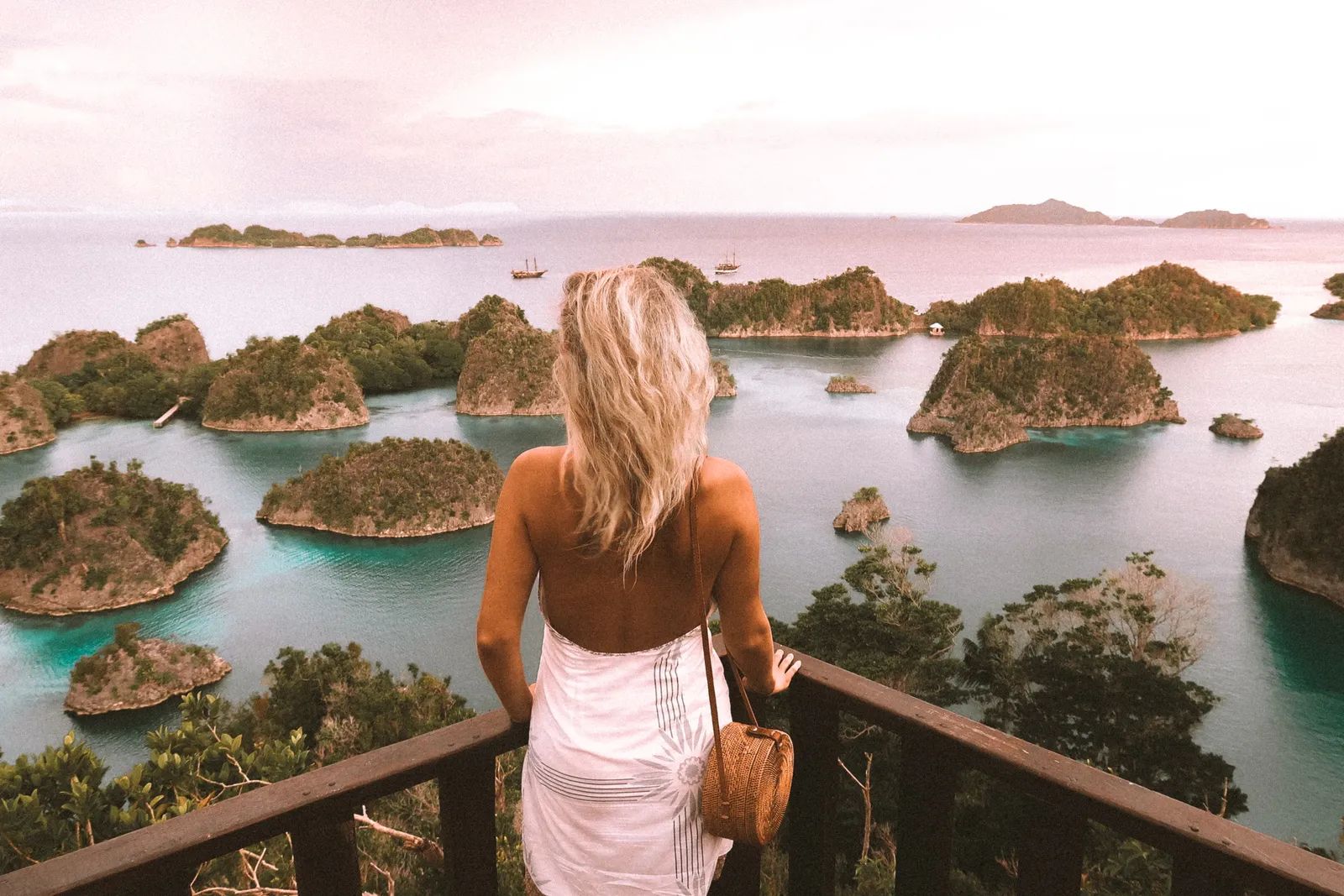
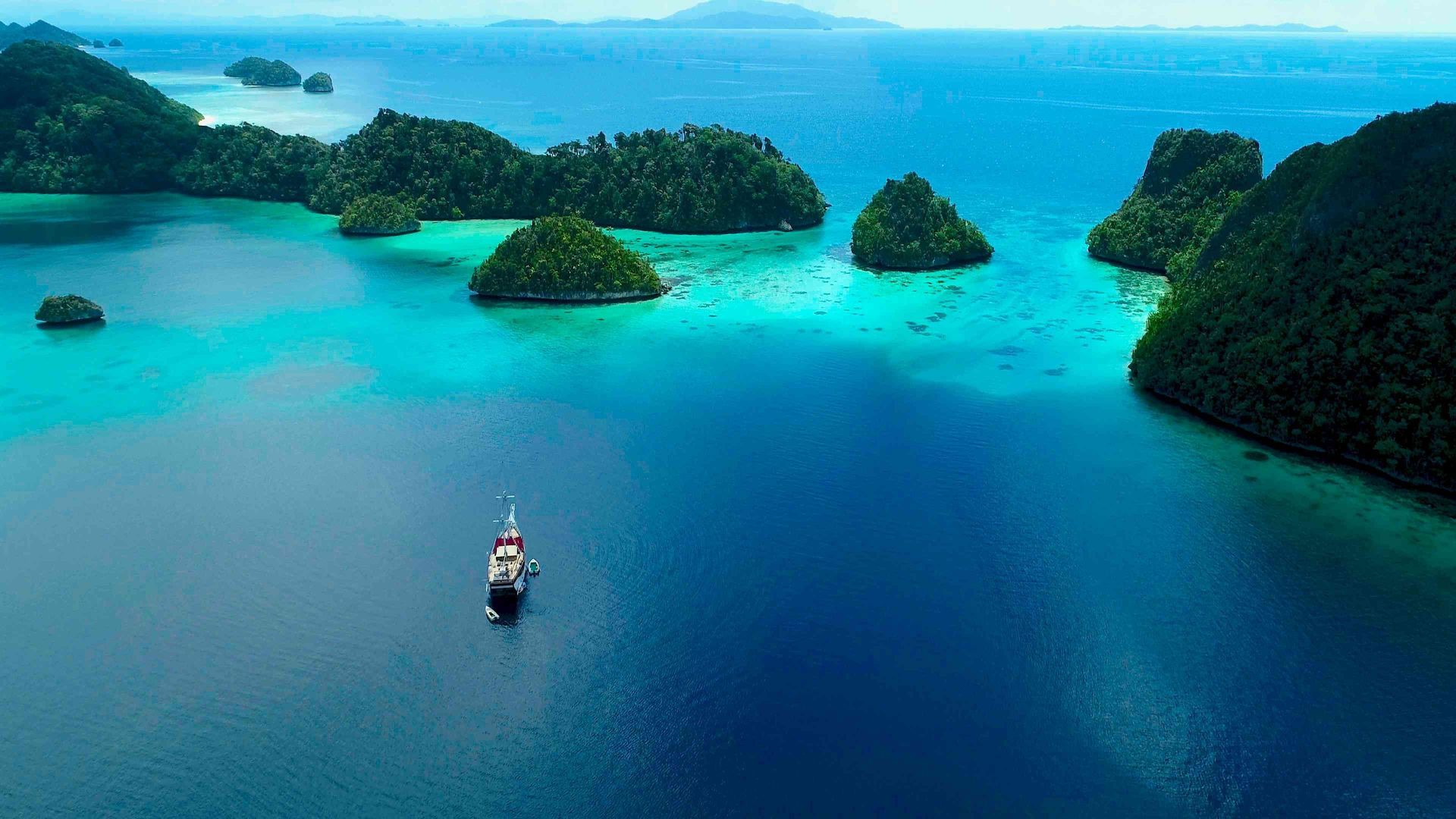
Panoramic sunrise view over famous Pianemo lagoon with mushroom-shaped limestone islands and traditional boats in Raja Ampat - Picture by Calico Jack Cruises
Schnelle Antworten
Muss ich ein fortgeschrittener Taucher sein, um an einem indonesischen Liveaboard teilzunehmen?
Nein. Die Open Water-Zertifizierung ist die übliche Mindestanforderung, aber was erforderlich ist, variiert erheblich je nach Boot. Einige Boote konzentrieren sich hauptsächlich auf das Tauchen und bevorzugen Gäste mit mehr Erfahrung; andere heißen komplette Anfänger, Nicht-Taucher und sogar Gäste willkommen, die ihren Open Water-Kurs absolvieren oder zum ersten Mal an Bord Schnuppertauchgänge machen möchten. Für jedes Erfahrungsniveau gibt es das richtige Boot – es geht nur darum, die beiden richtig aufeinander abzustimmen. Wenn Sie unsicher sind, wo Sie sich einordnen, sprechen Sie uns vor der Buchung an.
Was passiert, wenn ich mit einem Tauchplatz Schwierigkeiten habe?
Operatoren gehen routinemäßig damit um. Jede Liveaboard beginnt mit einem Check-Tauchgang – einem flachen, geschützten Bewertungstauchgang, bei dem die Guides Ihre Tarierung, Ihren Komfort und den Umgang mit der Ausrüstung beurteilen. Von dort aus weisen sie Gruppen zu, passen Tiefenprofile an und wählen Standorte aus, die für alle an Bord geeignet sind. Wenn die Bedingungen an einem Standort für weniger erfahrene Taucher nicht stimmen, wechseln die Operatoren den Standort oder passen die Reihenfolge an. Dies ist gängige Praxis, keine Ausnahme.
Muss ich vor der Teilnahme an einer Liveaboard kürzlich getaucht sein?
Ja, obwohl die Schwelle je nach Operator variiert. Wenn Sie seit 12 Monaten oder länger nicht mehr getaucht sind, verlangen die meisten Operatoren vor oder zu Beginn der Reise eine Auffrischung. Wir empfehlen dringend zwei bis drei Aufwärmtauchgänge in Bali vor jeder Liveaboard – das beruhigt die Nerven, frischt das Muskelgedächtnis auf und bedeutet, dass Sie mehr von Ihrem ersten richtigen Tauchtag vor der Küste haben.
Welches Reiseziel ist am besten für Anfängertaucher geeignet?
Jedes Reiseziel eignet sich für Anfänger mit dem richtigen Operator und Boot. Die Operatoren kennen ihre Tauchplätze und passen das Programm an die Gruppe an Bord an – wenn sie Ihre Buchung angenommen haben, sind sie zuversichtlich, dass sie ein großartiges Erlebnis bieten können. Das Reiseziel ist weniger wichtig als der Ansatz des Operators und die Kultur des Bootes. Raja Ampat, Komodo, und die Cenderawasih-Bucht bieten alle Routen, die für neuere Taucher gut geeignet sind. Wenn Sie sich nicht sicher sind, welche Reise zu Ihrem Erfahrungsstand passt, helfen wir Ihnen gerne bei der Eingrenzung.
Wird Nitrox für Anfängertaucher empfohlen?
Ja – Nitrox ist für jeden Liveaboard-Taucher lohnenswert. Es reduziert die Dekompressionsbelastung für den Körper und verlängert Ihre Nullzeitgrenzen, was bei tieferen Tauchgängen und wenn Sie drei bis vier Tauchgänge pro Tag machen, am wichtigsten ist. Der Vorteil ist real, auch wenn Sie konservativ tauchen. Die meisten Operatoren bieten an Bord eine Nitrox-Zertifizierung an, wenn Sie diese noch nicht haben. Dennoch, wenn Sie keine haben, sind die Oberflächenpausen zwischen den Tauchgängen lang genug, dass Sie mit Luft sicher und bequem tauchen werden.
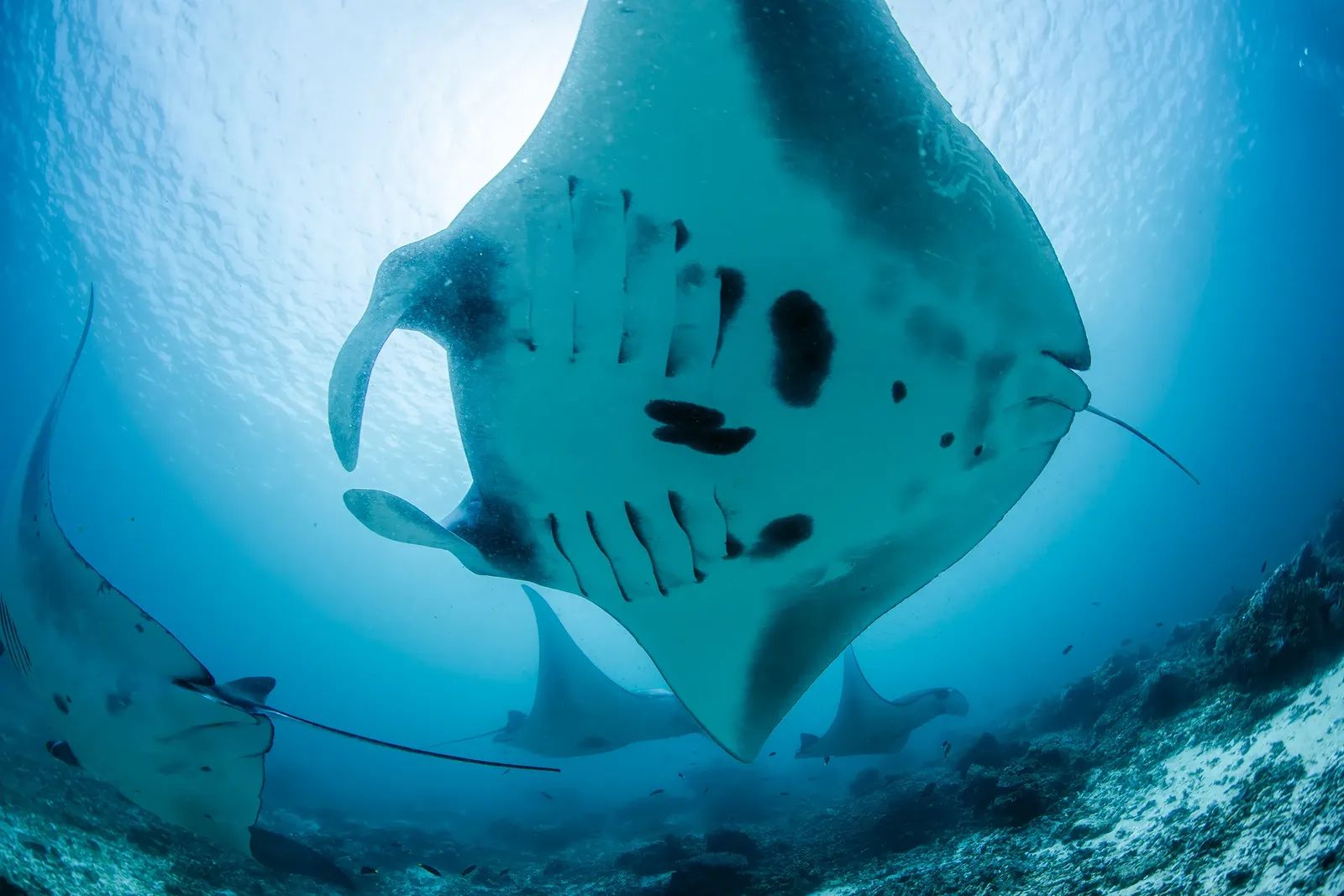
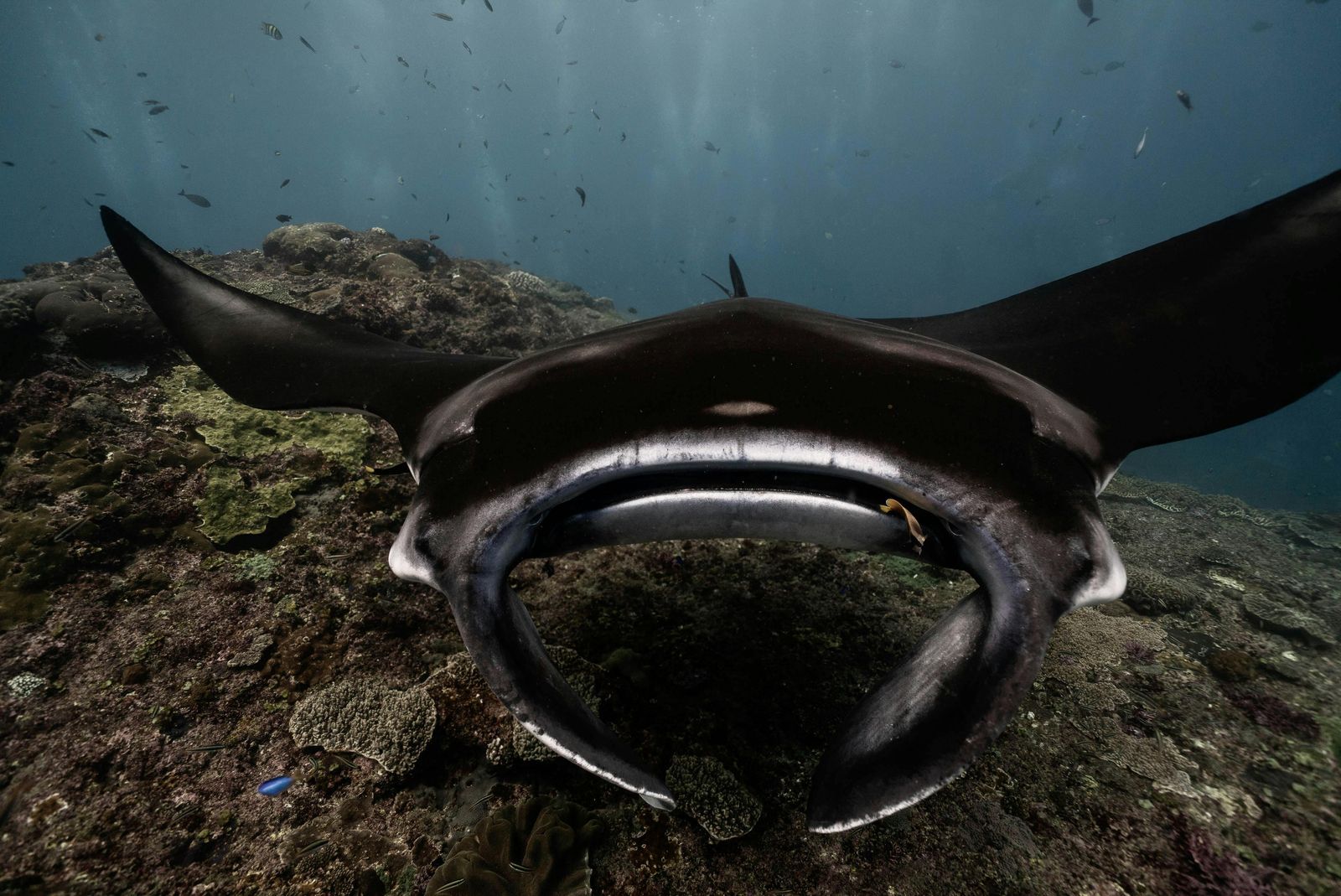
Manta ray diving Komodo National Park Indonesia liveaboard expedition underwater photography - Picture by Neptune Liveaboards
Was Sie an Bord erwartet
Der Check-Tauchgang
Jeder Liveaboard beginnt mit einem Check-Tauchgang, normalerweise am ersten Tag in einer geschützten Bucht oder in der Nähe des Einschiffungspunktes. Es ist kein Test – es ist eine Kalibrierung. Die Guides beobachten, wie Sie mit Ihrer Ausrüstung umgehen, überprüfen Ihre Tarierung und bekommen ein Gefühl für Ihr Wohlbefinden unter Wasser. Basierend auf dem, was sie sehen, gestalten sie die Tauchgänge für den Rest der Reise. Seien Sie ehrlich und entspannt. Die Guides haben das schon hunderte Male gemacht und sie sind auf Ihrer Seite.
Täglicher Tauchplan
Die meisten Reiserouten beinhalten drei bis vier Tauchgänge pro Tag, an den meisten Abenden inklusive eines Nachttauchgangs. Alle Tauchgänge sind optional – Sie können an jedem ohne Erklärung oder Druck teilnehmen. An Übernachtungswechseltagen bewegt sich das Boot über Nacht zwischen den Regionen, und die Anzahl der Tauchgänge kann an diesen Tagen geringer sein. Das Tempo steigert sich natürlich: Die meisten Ersttäter fühlen sich am dritten Tag wohler und sicherer, als sie erwartet hatten.
Oberflächenpausen und Leben an Bord
Die Oberflächenpausen sind lang genug, um sich auszuruhen und richtig zu debriefen. Indonesische Liveaboards sind gesellig – Mahlzeiten sind gemeinschaftlich, das Tauchdeck ist ein natürlicher Treffpunkt, und die Crew ist normalerweise ausgezeichnete Gesellschaft. Das Erlebnis an Bord ist ein wichtiger Teil dessen, was Liveaboard-Tauchen von Tagesausflügen unterscheidet. Wenn Sie darüber nachdenken, Ihre Reise über den Liveaboard hinaus zu verlängern, lesen Sie unseren Leitfaden für Verlängerungen von Indonesien-Liveaboards für das, was vorher und nachher möglich ist.
Nachttauchgänge
Nachttauchgänge sind auf den meisten Booten optional. Sie lohnen sich, wenn Sie sich wohlfühlen – die Meereswelt ist nach Einbruch der Dunkelheit völlig anders, und viele Taucher finden sie leichter als erwartet, sobald sie einen gemacht haben. Kein Druck, wenn Sie lieber ruhen möchten.
Vorbereitung: Was wirklich einen Unterschied macht
Gehen Sie vor der Abreise ins Wasser
Zwei bis drei Aufwärmtauchgänge vor Ihrem Liveaboard machen einen messbaren Unterschied darin, wie schnell Sie sich eingewöhnen. Bali ist die offensichtliche Wahl – gute Tauchzentren, einfache Bedingungen und viele interessante Tauchplätze. Nusa Penida bietet das ganze Jahr über Tauchgänge mit Mantas und in der Saison (Juli–Oktober) Mola Mola. Tulamben hat das Wrack der USAT Liberty, flach und zugänglich, und einen der besten Tauchplätze Indonesiens für eine selbstvertrauensbildende Sitzung. Sehen Sie sich unseren Bali-Reiseführer für weitere Informationen zu Tauchoptionen vor der Reise.
Ausrüstung: Was Sie mitbringen, was Sie mieten
Bringen Sie Ihre eigene Maske mit – die Passform ist für den Komfort unter Wasser wichtiger als alles andere, und Leihmasken sind ein Glücksspiel. Wenn Sie Flossen haben, die gut passen, bringen Sie diese auch mit. Alles andere – BCD, Atemregler, Neoprenanzug, Flasche – wird gestellt oder kann auf dem Boot gemietet werden.
Bei Tauchcomputern: Leihcomputer sind oft nicht im Standardpreis für Leihgeräte enthalten, sodass Sie sowieso extra bezahlen. Einstiegs-Personalcomputer sind preiswert, halten lange und – was wichtig ist – Sie wissen, wie Sie Ihren ablesen. Wenn Sie Ihren eigenen Computer kennen, ist das wichtig, wenn Sie unter Wasser Ihre Null-Dekompressionsgrenzen bei mehreren Tauchgängen pro Tag beobachten. Wenn Sie regelmäßig tauchen möchten, ist der Kauf eines vor Ihrem ersten Liveaboard eine lohnende Investition.
Nur riffschonende Sonnencreme. Die meisten Betreiber verlangen sie und einige setzen sie durch. Packen Sie geschlossene Schuhe ein, wenn Ihre Reiseroute Inselwanderungen beinhaltet – Ausflüge nach Raja Ampat nach Kali Biru (Blauer Fluss) oder zur Perlenfarm in Aljui Bay beinhalten das Gehen auf unebenem Gelände.
Für eine vollständige Packliste siehe unseren Packführer für Liveaboards in Indonesien.
Tauchversicherung
Nicht optional. Eine Tauchversicherung mit Deckung für die Druckkammer und medizinischer Evakuierung ist für jedes Liveaboard obligatorisch. DAN (Divers Alert Network) ist der am weitesten verbreitete Anbieter – prüfen Sie deren aktuelle Mindestanforderungen für Indonesien, da die Evakuierung aus abgelegenen Regionen teuer sein kann. Eine umfassende Reiseversicherung, die Reiseabbruch und -verzögerungen abdeckt, wird zusätzlich dringend empfohlen.
Körperliche Fitness
Sie müssen kein Athlet sein. Tauchen ist für die meisten Menschen in angemessener Gesundheit körperlich zugänglich. Vier Tauchgänge pro Tag mit Oberflächenpausen und gemeinsamen Mahlzeiten dazwischen sind der Rhythmus – es ist anregend, aber nicht erschöpfend. Wenn Sie gesundheitliche Probleme haben, die das Tauchen beeinträchtigen, sprechen Sie vor Ihrer Reise mit einem Tauchmediziner.
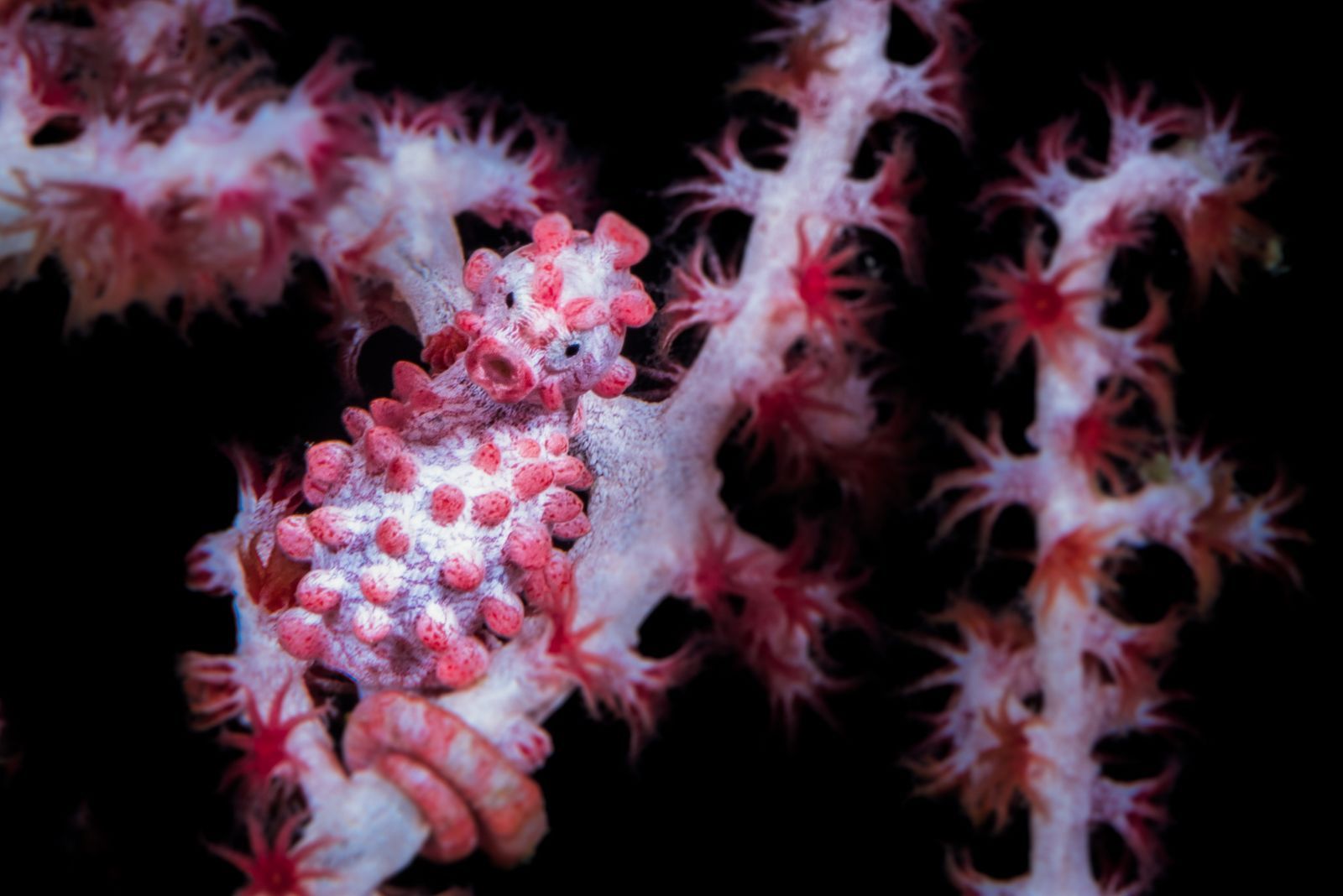
Pygmy seahorse camouflaged on soft coral in Indonesia - macro diving photography from liveaboard diving trip - Picture by Dewi Nusantara
Die Wahl des richtigen Bootes
Die wichtigste Variable für das erste Liveaboard eines Anfängers ist nicht das Reiseziel – es ist das Boot. Insbesondere die Kultur des Bootes und wie der Betreiber mit Gruppen unterschiedlicher Fähigkeiten umgeht.
Einige Boote sind hauptsächlich auf Tauchen ausgerichtet – drei bis vier Tauchgänge pro Tag, ernsthafte Auseinandersetzung mit der Standortwahl und Tauchoperationen, Guides, die Experten für ihre Routen sind. Diese sind ausgezeichnet für Anfänger, die motiviert sind und sich schnell verbessern wollen.
Lifestyle-orientierte Boote sind tendenziell entspannter in Bezug auf das Tauchprogramm – ein bis zwei Tauchgänge oder Schnorchelgänge neben Strandstopps, Wassersport und Landausflügen. Diese eignen sich für Anfänger, die es langsam angehen lassen wollen, oder für gemischte Gruppen, bei denen nicht jeder ernsthaft taucht.
Mittelklasse und höher ist der richtige Ausgangspunkt für ein erstes Liveaboard. Engagierte Guides, richtige Sicherheitsausrüstung, gutes Essen und eine professionelle Crew machen das gesamte Erlebnis einfacher und angenehmer. Sehen Sie sich unseren Leitfaden für Indonesien-Liveaboard-Kategorien für eine vollständige Aufschlüsselung dessen, was jeder Preispunkt beinhaltet.
Wenn Sie sich nicht sicher sind, welches Boot Ihrem Erfahrungsstand und Ihren Zielen entspricht, sprechen Sie uns an. Es ist eine der nuancierteren Entscheidungen bei der Buchung eines Liveaboards und die Antwort hängt von Ihrer spezifischen Situation ab.
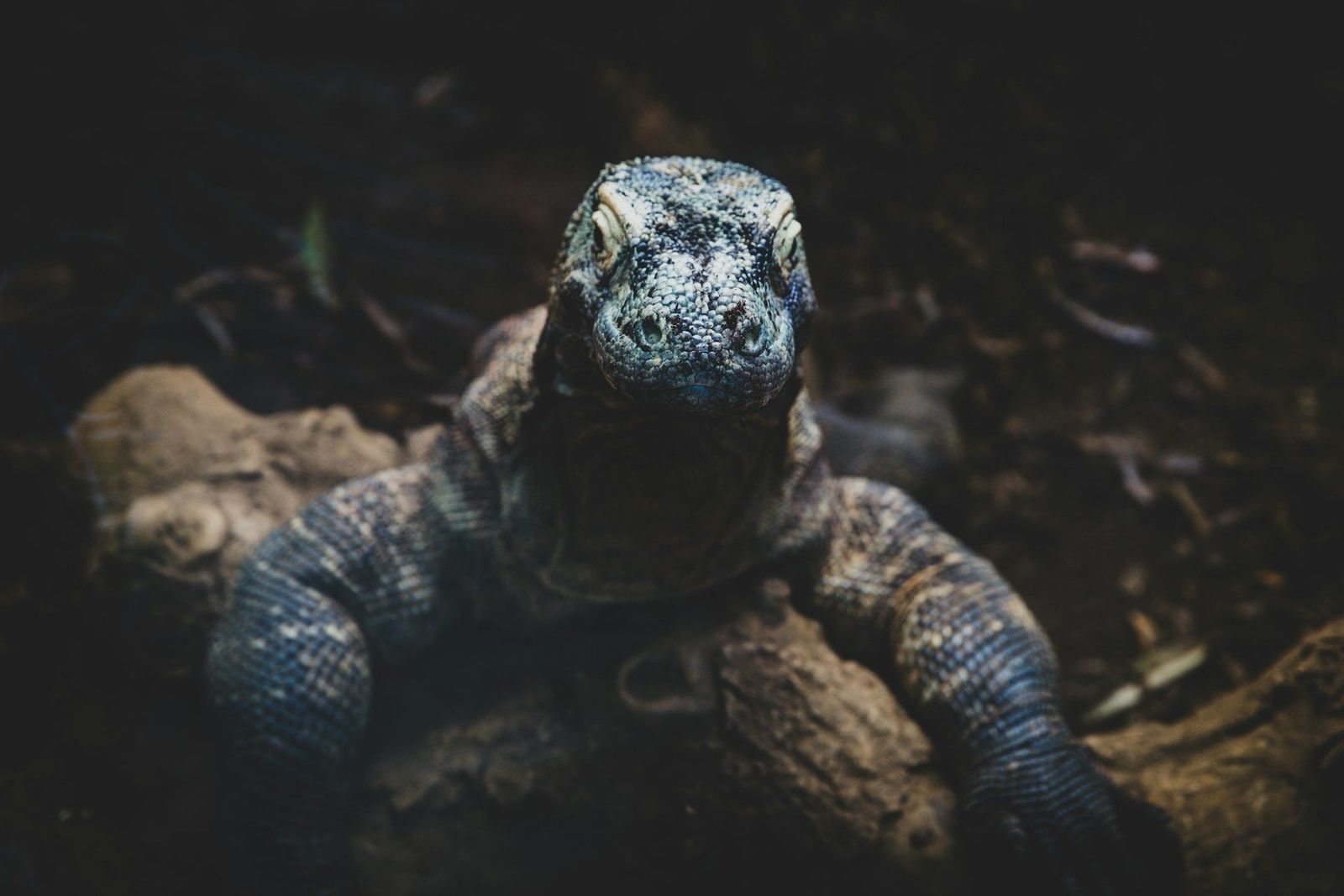
Komodo dragon close-up Indonesia liveaboard Komodo National Park wildlife tour
Nachhaltiges Tauchen in Indonesien
Indonesiens Riffe sind außergewöhnlich und schützenswert. Ein paar Praktiken, die einen echten Unterschied machen: Halten Sie eine gute Tarierungskontrolle aufrecht – Kontakt mit Korallen verursacht Schäden, die Jahre zur Erholung brauchen. Berühren oder füttern Sie niemals Meerestiere. Verwenden Sie riffschonende Sonnencreme. Das sind nicht nur Regeln – sie sind der Grund, warum Orte, die seit Jahrzehnten betaucht werden, immer noch so aussehen, wie sie aussehen.
Das Korallendreieck beherbergt 76 % aller bekannten Korallenarten weltweit¹. Indonesiens Netzwerk von Meeresschutzgebieten umfasst Millionen von Hektar². Wenn Sie verantwortungsvoll tauchen und Betreiber unterstützen, die sich für den Naturschutz einsetzen, tragen Sie mit Ihrer Reise dazu bei, diese Riffe intakt zu halten.
Manta ray closeup facing camera during Indonesia liveaboard diving showing detailed manta ray features and markings
Erwartungen managen
Nicht jeder Tauchgang wird außergewöhnlich sein. Das Wetter beeinflusst die Bedingungen, Strömungen ändern sich und an manchen Tagen ist die Sicht schlechter als erwartet. Das gilt für jedes Liveaboard auf der ganzen Welt. Der Unterschied in Indonesien liegt in der schieren Vielfalt – wenn eine Stelle unter den Erwartungen bleibt, ist die nächste normalerweise etwas ganz anderes.
Seekrankheit ist eine reale Möglichkeit, besonders bei Überquerungen über Nacht. Pflaster, Tabletten und Ingwer sind Ihre Freunde. Die meisten Menschen finden, dass sie sich innerhalb eines Tages oder zweier Tage anpassen, und Nächte vor Anker sind normalerweise ruhig.
Erwarten Sie nicht, auf Ihrer ersten Reise alles zu meistern. Das erste Liveaboard dient dazu, sich mit dem Format vertraut zu machen, Selbstvertrauen unter Wasser aufzubauen und zu sehen, was Indonesien zu bieten hat. Die meisten Anfänger wollen wiederkommen und alles auf einer höheren Ebene noch einmal erleben.
Wenn Sie seit über einem Jahr nicht mehr getaucht sind, machen Sie die Aufwärmtauchgänge auf Bali. Überspringen Sie diesen Schritt nicht – er macht einen erheblichen Unterschied darin, wie schnell Sie sich einleben und wie sehr Sie die ersten Tage genießen.
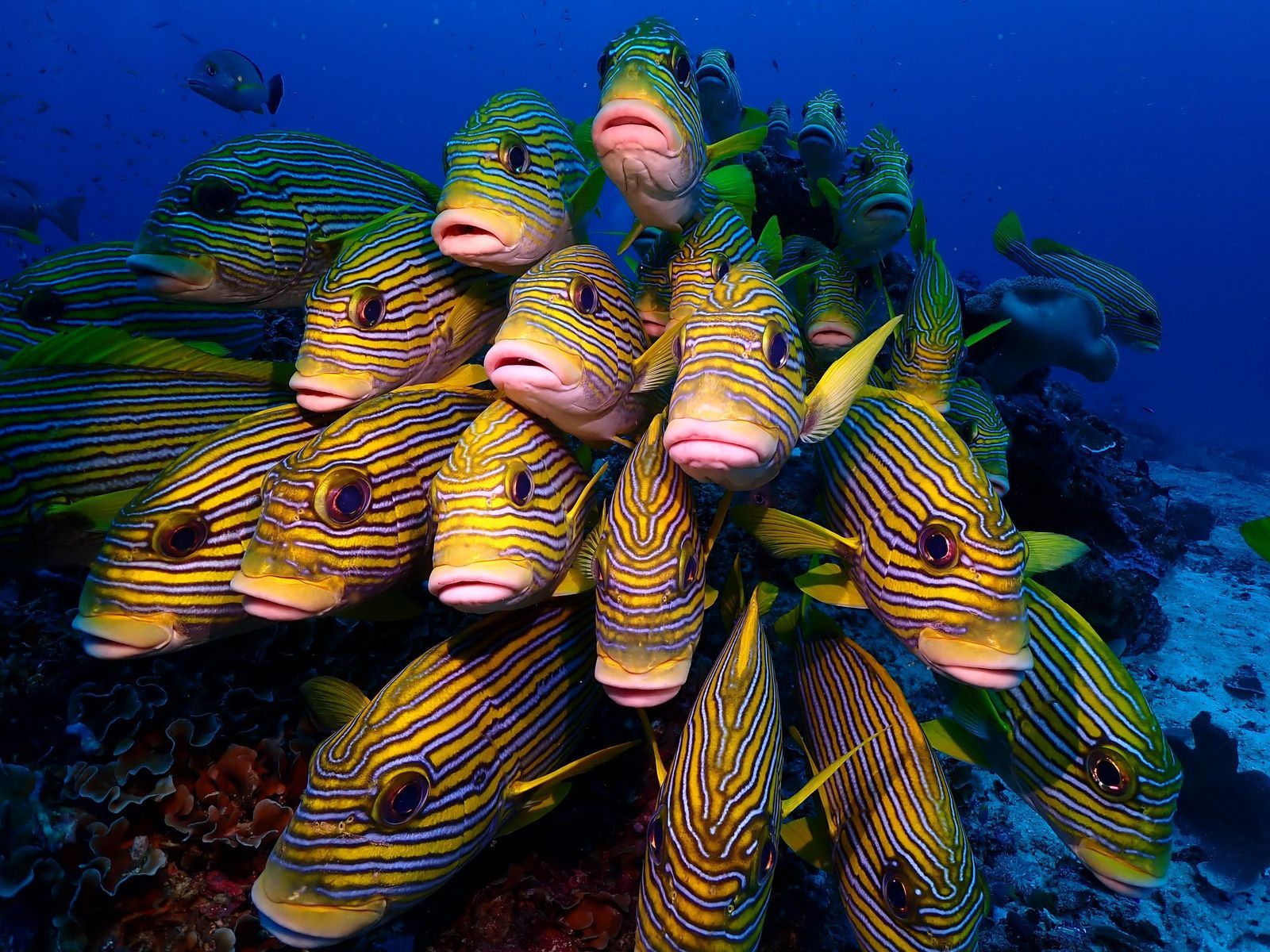
Raja Ampat sweetlips fish school Indonesia diving liveaboard West Papua marine life - Picture by Jürgen Mandl
Häufig gestellte Fragen
Welche Zertifizierung benötige ich für ein Liveaboard in Indonesien?
Open Water Diver ist der Mindeststandard. Die Anforderungen an die aufgezeichneten Tauchgänge variieren je nach Betreiber und Art der Reise – einige sind bei frisch zertifizierten Tauchern lockerer, andere bevorzugen 20 oder mehr aufgezeichnete Tauchgänge. Je tauchintensiver die Route, desto mehr Erfahrung wünschen sich die Betreiber in der Regel. Teilen Sie uns Ihr Zertifizierungsniveau und Ihre aufgezeichneten Tauchgänge bei der Anfrage mit, und wir werden Sie mit Booten zusammenbringen, die für Sie geeignet sind.
Benötige ich eine Advanced Open Water Zertifizierung?
Nicht für die meisten Routen. Advanced Open Water eröffnet den Zugang zu tieferen Tauchplätzen und gibt Ihnen mehr Werkzeuge für wechselnde Bedingungen, ist aber für die Mehrheit der indonesischen Liveaboard-Reiserouten keine Voraussetzung. Wenn Sie eine technisch anspruchsvollere Route planen – Banda-See-Seamounts, nördliches Raja Ampat in der starken Strömungssaison – ist Advanced Open Water lohnenswert.
Was ist, wenn ich seit über einem Jahr nicht mehr getaucht bin?
Die meisten Betreiber verlangen eine Auffrischung, wenn Sie seit 12 Monaten oder länger nicht mehr getaucht sind. Wir empfehlen trotzdem dringend Aufwärmtauchgänge auf Bali – zwei oder drei Tauchgänge vor dem Einsteigen machen den ersten Tag auf See deutlich angenehmer.
Kann ich auf Tauchgänge verzichten, mit denen ich mich nicht wohlfühle?
Ja, immer. Sie können jeden Tauchgang an jedem Tag ohne Erklärung auslassen. Die Betreiber sind an Gruppen mit unterschiedlichen Fähigkeiten gewöhnt und bauen Flexibilität in das Programm ein. Niemand wird Sie unter Druck setzen, über Ihr Komfortniveau hinaus zu tauchen.
Ist Indonesien für Anfängertaucher sicher?
Ja, obwohl sicheres Tauchen überall eine ehrliche Selbsteinschätzung und eine angemessene Vorbereitung erfordert. Betreiber, die Anfänger akzeptieren, wissen, wie sie gemischte Gruppen managen, die Fähigkeiten beim Check-Dive beurteilen und sich entsprechend anpassen. Tauchversicherung mit Evakuierungsdeckung ist obligatorisch – die Abgelegenheit Indonesiens macht sie nicht verhandelbar.
Woher weiß ich, ob ein bestimmtes Boot das Richtige für mich ist?
Sprechen Sie mit uns. Wir kennen die Boote und die Betreiber und können Ihnen sagen, welche besser für neue Taucher oder erfahrene Gruppen geeignet sind. Das ist eines der nützlichsten Dinge, die wir tun – die richtige Person dem richtigen Boot zuordnen, bevor Geld den Besitzer wechselt. Lesen Sie mehr über unsere Arbeitsweise.
Was soll ich tun, wenn ich mich unter Wasser unwohl fühle?
Signalieren Sie Ihrem Guide sofort mit dem vereinbarten Notsignal aus Ihrer Einweisung. Jeder Betreiber führt vor dem Tauchgang Einweisungen durch, die Signale und Notfallverfahren abdecken. Wenn Sie sich an der Oberfläche unwohl fühlen, signalisieren Sie dem Boot und steigen Sie aus dem Wasser. Drängen Sie sich unter Wasser nicht durch Unbehagen.
Muss ich der Crew ein Trinkgeld geben?
Trinkgelder werden geschätzt, sind aber nicht obligatorisch. Fragen Sie zu Beginn der Reise, wie Trinkgelder auf diesem speziellen Boot gehandhabt werden – einige legen sie zusammen, andere trennen die Tauchcrew und die Bootscrew. Die Höhe liegt in Ihrem Ermessen.
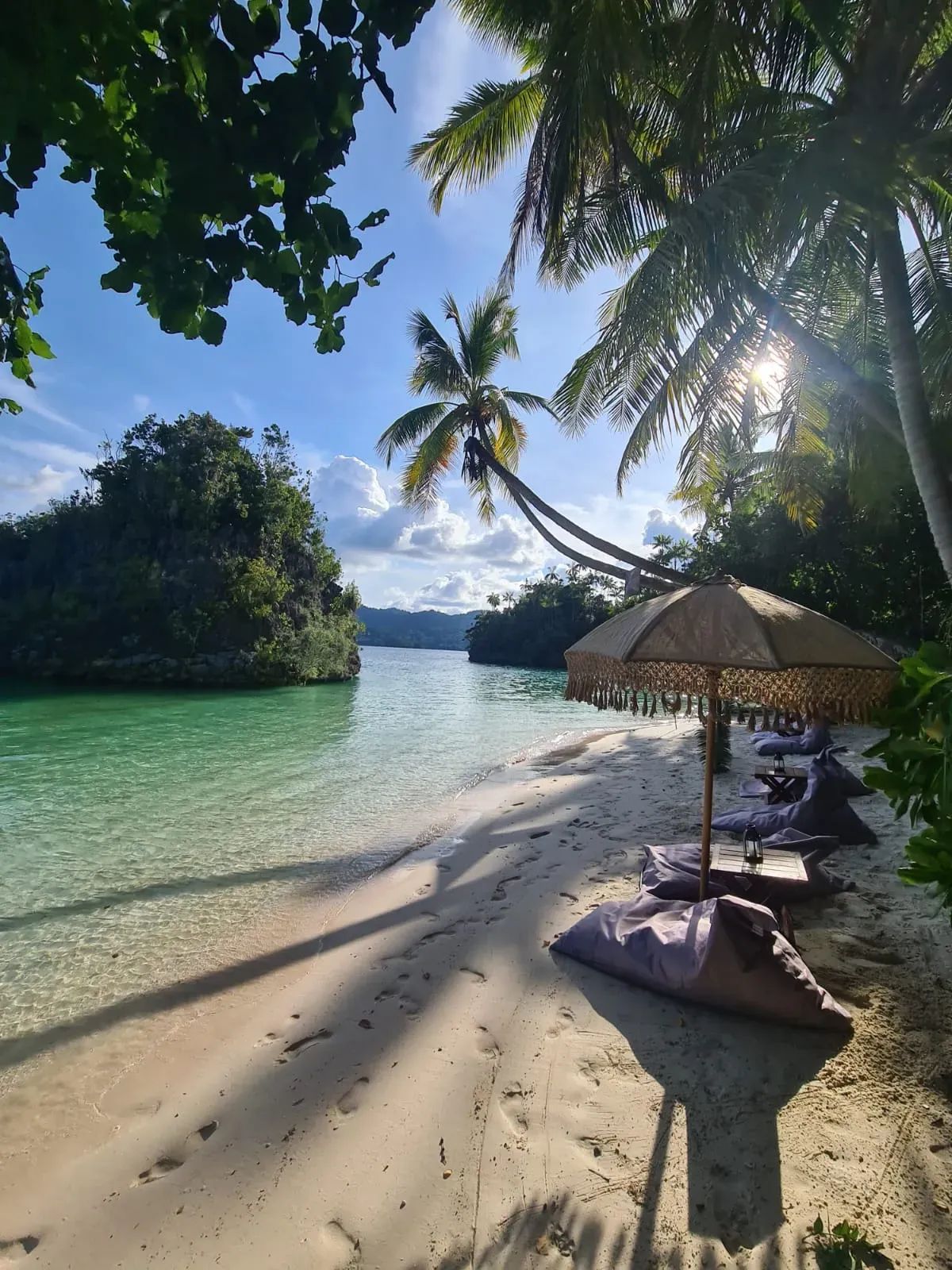
Tropical beach paradise with white sand, turquoise lagoon, coconut palms and traditional umbrella setup in secluded Raja Ampat bay - Picture by Calico Jack Cruises
Bereit, Ihr erstes indonesisches Liveaboard zu planen?
Wir sind ein in Indonesien ansässiges Team und helfen gerne Erstbesuchern, dies richtig zu machen. Die Preise sind die gleichen wie bei einer Direktbuchung, und jede Buchung beinhaltet die Option einer kostenlosen Hotelübernachtung. Wenn Sie nicht sicher sind, wo Sie anfangen sollen, ist WhatsApp der schnellste Weg, uns zu erreichen – wir können Sie normalerweise in einem einzigen Gespräch in die richtige Richtung weisen. Sie können auch unser Kontaktformular verwenden oder mehr darüber erfahren, wie wir arbeiten.