Das richtige Boot macht die Reise. Hier erfahren Sie, wie Sie es auswählen.
Indonesien verfügt über eine der vielfältigsten Liveaboard-Angebote der Welt – von einfachen Budget-Booten bis hin zu speziell gebauten Luxusyachten mit einem Betreuungsverhältnis, das Boutique-Hotels Konkurrenz macht. Die Wahl des richtigen Bootes ist entscheidend. Dieser Leitfaden erklärt, was Sie für jeden Preis erwarten können, wo die wirklichen Unterschiede liegen und wie Sie eine Schiffskategorie an Ihre Prioritäten anpassen. Für Hintergrundinformationen zu Reisezielen und Reisezeiten beginnen Sie mit unserem vollständigen Indonesien Liveaboard-Leitfaden. Wenn Sie noch überlegen, ob Indonesien das richtige Reiseziel ist, lesen Sie zuerst warum Indonesien wählen.
Die Kernwahrheit über indonesische Liveaboards: Das Taucherlebnis ist in allen Kategorien ausgezeichnet. Jeder Betreiber hat Zugang zu denselben Tauchplätzen, derselben Meeresfauna und derselben Biodiversität des Korallendreiecks. Was sich ändert, ist, wie Sie zwischen den Tauchgängen leben.
Schnelle Fakten
- Beste Jahreszeit: variiert je nach Region – siehe unseren Leitfaden zu indonesischen Wetterlagen
- Erfahrungsstufe: Open Water für die meisten Routen; aktuelle Erfahrung empfohlen für Komodo, Alor und die Tiefseebänke des Banda-Meeres
- Reiselänge: typischerweise 7–14 Tage; 4–8 Tage auf den Komodo- und Bali-Routen
- Tauchgänge pro Tag: 3–4, einschließlich eines Nachttauchgangs an den meisten Abenden
- Wer kann teilnehmen: Die meisten Boote heißen Nicht-Taucher willkommen; luxuriöse Lifestyle-orientierte Schiffe eignen sich am besten für gemischte Gruppen
- Kostenbereich: 150–600 $/Tag je nach Schiffskategorie
- Kapazität des Bootes: 8–18 Gäste bei den meisten regulären Abfahrten
- Wichtigste Meereslebewesen: Mantarochen, Walhaie, Hammerhaie, Zwergseepferdchen, Geisterhaie, Mondfische
- Zielflughäfen: Bali (DPS), Sorong (SOQ), Labuan Bajo (LBJ), Ambon (AMQ)
- Buchungsvorlaufzeit: 6–12 Monate für die Hauptsaison; abgelegene Ziele sind schneller ausgebucht
Schnelle Antworten
Wie viel kostet ein Liveaboard in Indonesien?
Rechnen Sie mit Kosten ab etwa 150 $/Tag am unteren Ende bis zu 600 $/Tag für Luxus. Diese Grundpreise beinhalten nicht immer alles – Ausrüstungsverleih, Nitrox und Gebühren für Meeresschutzgebiete und Häfen sind bei den meisten Booten zusätzliche Kosten. Ein realistischer All-Inclusive-Preis für ein Mittelklasseboot liegt bei 420–650 $/Tag. Die Preisaufschlüsselung unten zeigt, was in jeder Kategorie typischerweise enthalten ist.
Was ist der Unterschied zwischen einem Budget- und einem Mittelklasseboot in Indonesien?
Das Tauchen ist dasselbe. Der eigentliche Unterschied liegt im Komfort zwischen den Tauchgängen – einfachere Mahlzeiten und Gemeinschaftsbäder am unteren Ende im Vergleich zu einer gut ausgestatteten Kabine, professioneller englischsprachiger Crew und merklich besserem Essen im mittleren Segment. Beide haben Zugang zu denselben Tauchplätzen.
Welche Kategorie eignet sich am besten für ein erstes Liveaboard?
Ja, obwohl die Mittelklasse oft den komfortabelsten Einstieg bietet. Sie erhalten zuverlässige Sicherheitsstandards und erfahrene Guides, ohne Luxuspreise zahlen zu müssen. Günstige Boote eignen sich gut für erfahrene Reisende, die mit einfacheren Bedingungen zurechtkommen. Mehr darüber, was Sie auf Ihrem ersten Liveaboard erwartet, erfahren Sie in unserem Leitfaden für Anfänger.
Was ist der Unterschied zwischen Tauch-fokussiertem und Lifestyle-fokussiertem Luxus?
Beide liegen in einem ähnlichen Preisbereich mit serviertem Essen, Wein und durchgehend hohem Service-Standard. Der Unterschied liegt im Programm. Tauch-fokussierte Boote bieten drei bis vier Tauchgänge pro Tag mit erfahrenen Guides, speziellen Kameraeinrichtungen und inklusive Nitrox – die Organisation ist darauf ausgelegt, die Zeit unter Wasser zu maximieren. Lifestyle-fokussierte Boote legen Wert auf Wassersport, Strandaufenthalte und Landausflüge, mit typischerweise ein bis zwei Tauchgängen oder Schnorchelgängen daneben. Besser geeignet für gemischte Gruppen oder alle, für die das Gesamterlebnis genauso wichtig ist wie das Tauchen.
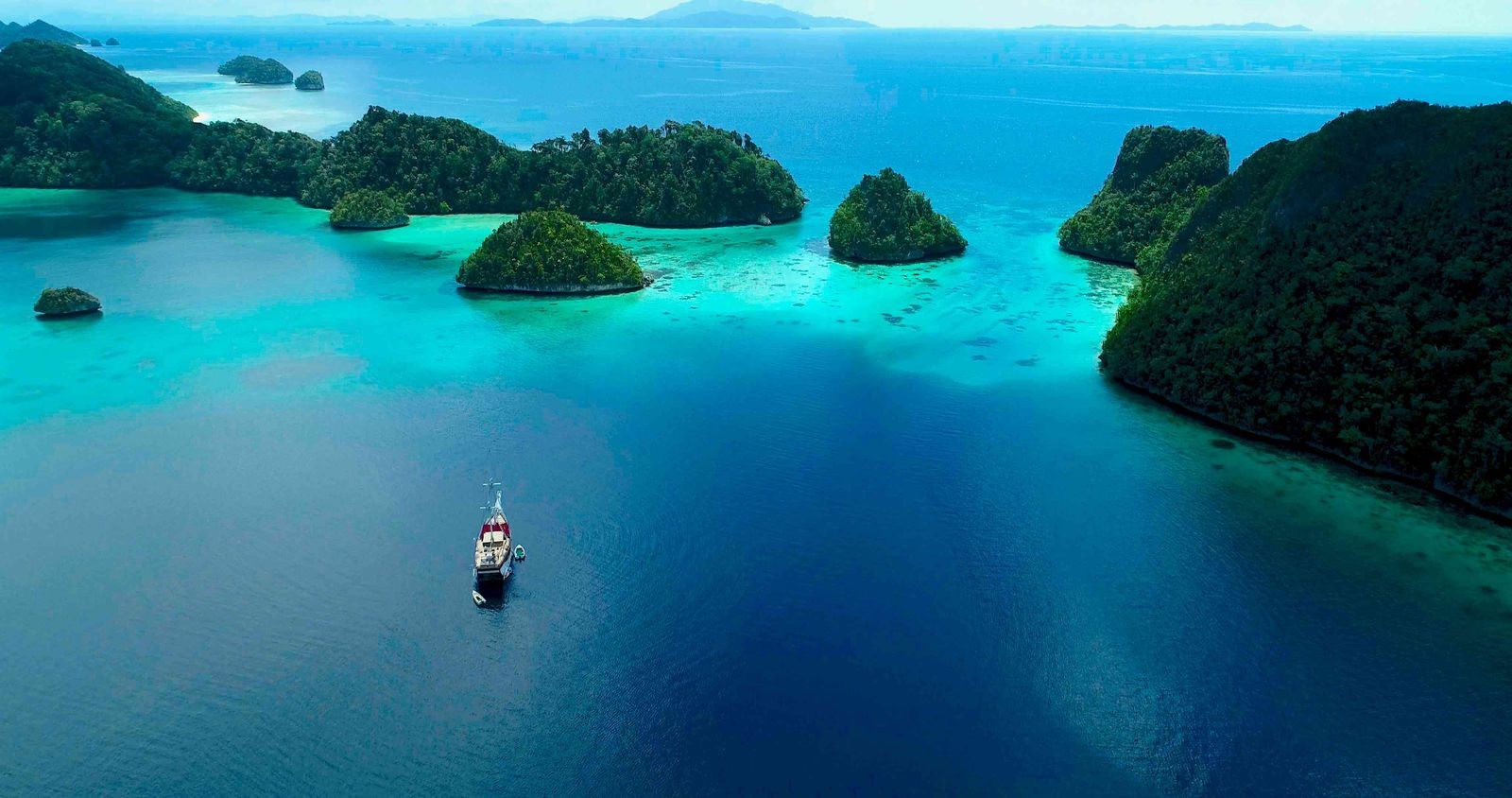
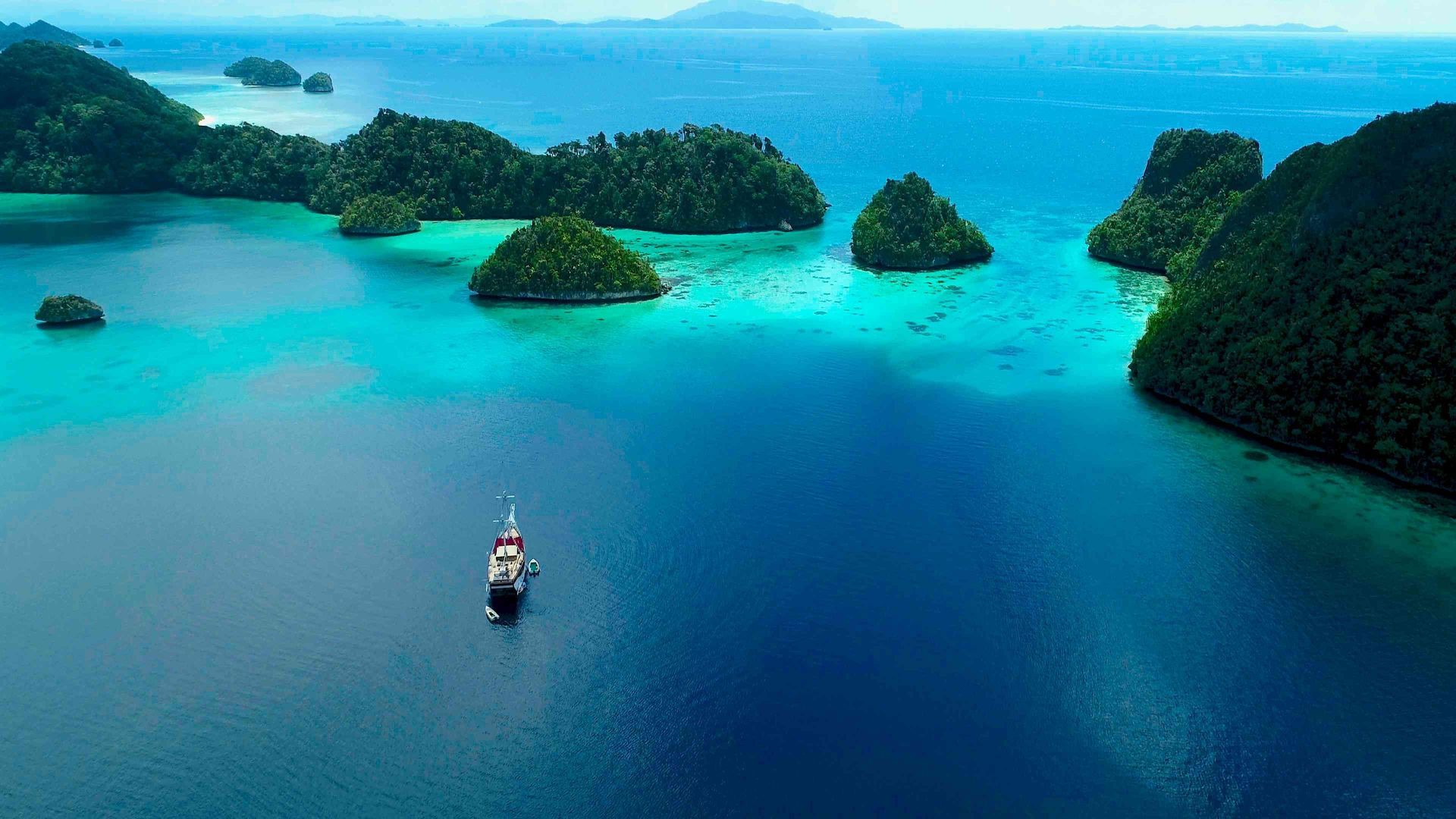
Aerial view of liveaboard vessel surrounded by mushroom-shaped karst islands in Raja Ampat West Papua - Picture by Jakare Liveaboard
Die Kategorien
Budget (Basisrate $150–300/Tag)
Die gesamten täglichen Kosten liegen typischerweise bei $220–350/Tag, wenn Sie Ausrüstungsverleih, Nitrox (wo verfügbar), Marinepark- und Hafengebühren sowie Treibstoffzuschläge hinzurechnen. Die meisten dieser Kosten sind auf diesem Niveau zusätzlich – berücksichtigen Sie sie, bevor Sie die Kategorien vergleichen.
Budget-Boote in Indonesien sind im Vergleich zu Äquivalenten anderswo von ordentlicher Qualität. Sie haben Zugang zu denselben außergewöhnlichen Tauchplätzen wie jede andere Kategorie, mit lokalen Besatzungen, die oft tiefes Wissen über die Plätze haben, auf denen sie seit Jahren tauchen. Die Boote sind typischerweise für Doppelbelegung ausgelegt – Paare oder gleichgeschlechtliche Paare teilen sich eine Kabine. Alleinreisende teilen sich normalerweise eine Kabine mit einem anderen Gast desselben Geschlechts oder zahlen einen Einzelzimmerzuschlag für die Kabine für sich allein. Die Mahlzeiten sind einfache indonesische Gerichte, herzhaft und sättigend. Die Englischkenntnisse der Besatzung variieren.
Die Atmosphäre auf Budget-Booten ist tendenziell gesellig. Jüngere Reisende und Backpacker machen den Großteil der Gästeliste aus. Wenn Sie mit einfacheren Bedingungen zurechtkommen und Ihr Geld lieber für mehr Reisen als für mehr Komfort ausgeben, sind Budget-Boote eine gute Wahl. Sie sind nicht die richtige Wahl, wenn persönlicher Freiraum Priorität hat oder wenn Sie mit jemandem reisen, der nicht taucht.
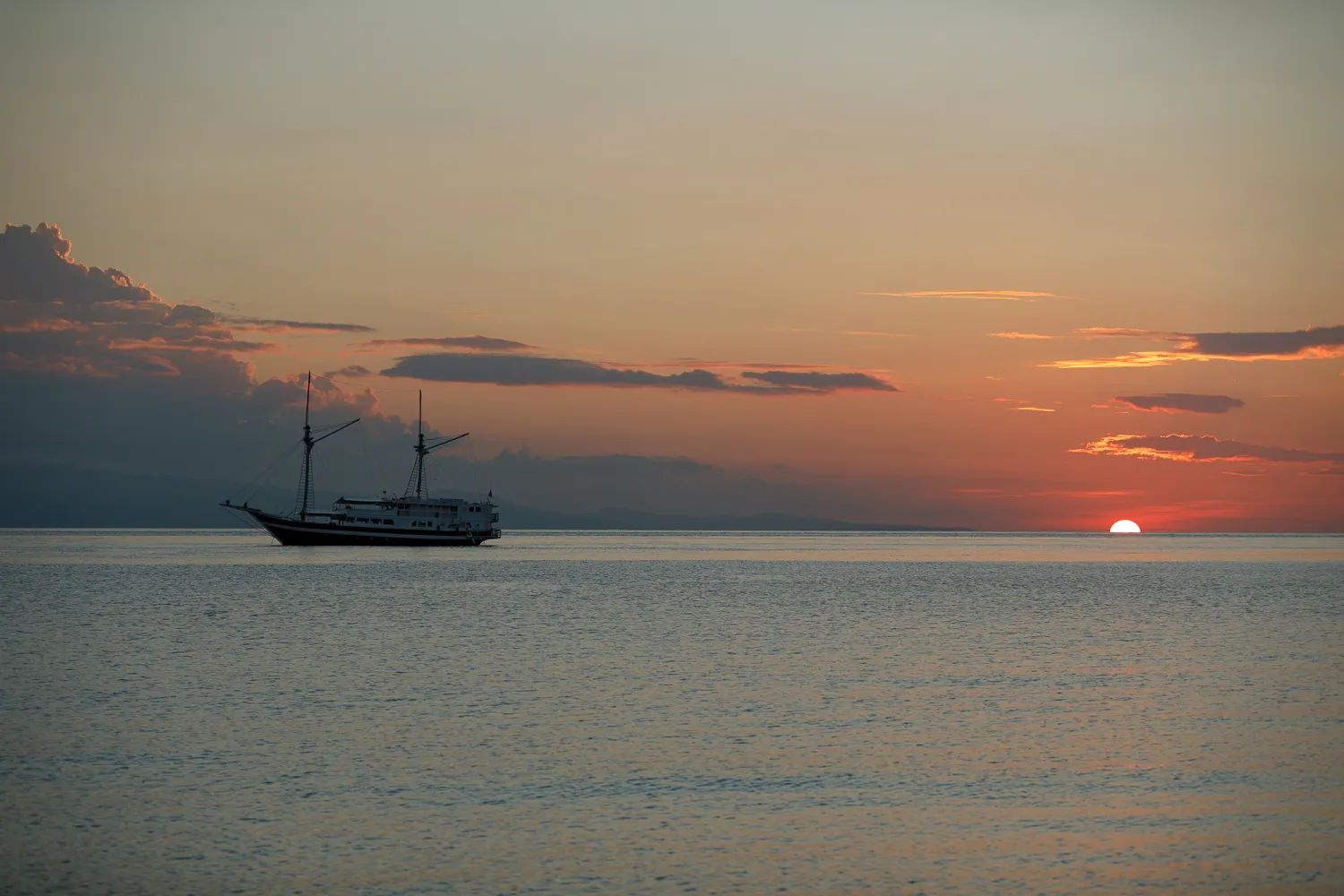
Indonesia liveaboard diving boat sunset cruise traditional ship romantic experience
Mittelklasse (300–600 $/Tag Grundpreis)
Die gesamten Tageskosten liegen typischerweise zwischen 420 und 650 $/Tag für Standardkabinen. Viele Mittelklasseboote bieten Suiten oder Master-Kabinen-Upgrades für zusätzliche 100–200 $/Tag an, wodurch sich die Gesamtkosten auf etwa 550–850 $/Tag erhöhen – wettbewerbsfähig mit einigen Luxusyachten. Gebühren für Meeresparks und Häfen sowie Treibstoffzuschläge sind normalerweise zusätzlich, obwohl einige Betreiber sie in den Grundpreis einrechnen.
Dies ist die richtige Kategorie für die meisten Taucher. Die Boote sind für Doppelbelegung ausgelegt – Paare teilen sich eine Kabine, Alleinreisende zahlen einen Einzelzimmerzuschlag oder teilen sich eine Kabine mit einem anderen Gast. Sie erhalten professionelle, englischsprachige Guides, hochwertige Verpflegung mit Ernährungsoptionen auf Anfrage und ein richtiges Tauchdeck mit Kamerastationen und Ausrüstungsstauraum. Die Sicherheitsstandards sind durchweg hoch.
Die Upgrade-Option auf vielen Mittelklassebooten ist erwähnenswert. Eine Master-Kabine auf einem gut geführten Mittelklasseboot kann oft mit dem mithalten, was man auf einer Luxusyacht der unteren Preisklasse findet – zu einem deutlich niedrigeren Grundpreis. Wenn Komfort wichtig ist, Sie aber keine Wassersportprogramme oder dediziertes Ausflugspersonal benötigen, ist ein Mittelklasseboot mit Kabinen-Upgrade häufig das beste Preis-Leistungs-Verhältnis auf dem Markt.
Die Ausrüstungsvermietung ist in der Regel an Bord gegen eine zusätzliche Tagesgebühr möglich, oder Sie bringen Ihre eigene mit. Nitrox ist normalerweise gegen eine zusätzliche Gebühr pro Tauchgang erhältlich.
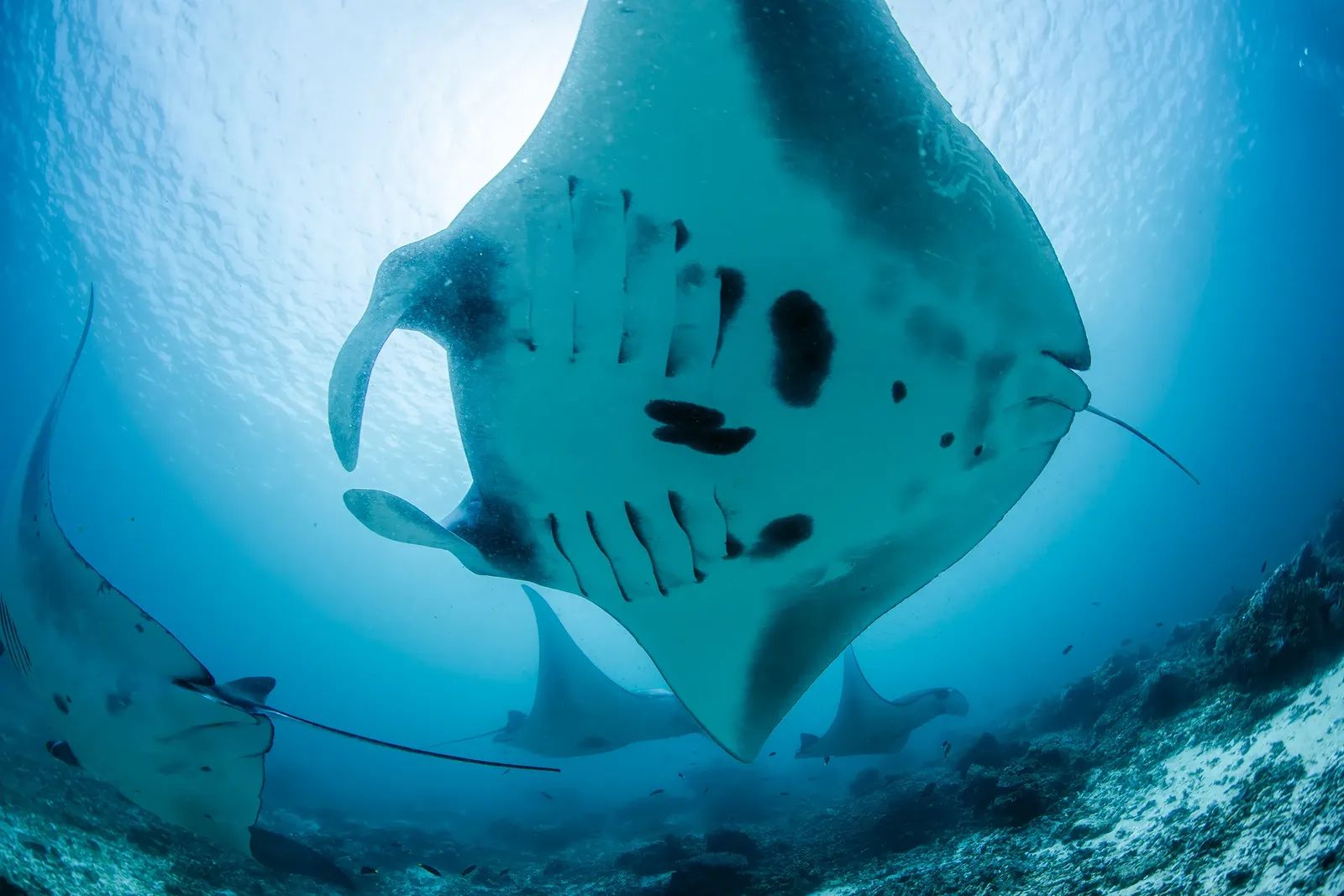
Manta ray diving Komodo National Park Indonesia liveaboard expedition underwater photography - Picture by Neptune Liveaboards
Luxus-Tauchfokus (ab 600 $/Tag Grundpreis)
Die gesamten Tageskosten liegen typischerweise zwischen 750 und 1.100 $/Tag. Nitrox und Premium-Ausrüstung sind in der Regel inbegriffen. Gebühren für Meeresparks und Häfen können je nach Betreiber immer noch zusätzlich anfallen.
Diese Boote sind auf den Tauchbetrieb ausgerichtet. Drei bis vier Tauchgänge pro Tag, erfahrene lokale Guides, kleine Gruppengrößen, spezielle Kameraräume mit Spülbecken und Ladestationen sowie hochwertige Ausrüstung. Sehen Sie unseren Packratgeber für Liveaboards in Indonesien für das, was Sie mitbringen sollten, im Vergleich zu dem, was Sie auf diesem Niveau mieten können. Die Kabinen sind geräumig mit hochwertiger Bettwäsche und eigenem Bad. Das Essen ist ausgezeichnet – angerichtete Mahlzeiten, Wein, aufmerksamer Service. Das Verhältnis von Personal zu Gästen ist hoch.
Der Hauptunterschied zu Mittelklasse-Schiffen ist nicht nur der Komfort – es ist die Tiefe der Taucherfahrung an Bord. Guides auf diesen Schiffen haben in der Regel jahrelange Erfahrung auf bestimmten Routen, kennen einzelne Tauchplätze im Detail und führen die Operationen mit einer Präzision durch, die bei technisch anspruchsvollen Tauchgängen einen echten Unterschied macht. Für ernsthafte Taucher, Unterwasserfotografen oder alle, die eine technisch anspruchsvolle Route wie die Banda-See Seamounts, nördliches Raja Ampat, oder Komodo in der Saison mit starker Strömung planen, dann ist diese Kategorie ihren Preis wert. Kurze Übersichten über jedes Reiseziel finden Sie auf unseren Raja Ampat, Komodo, und Banda-See Zielseiten.
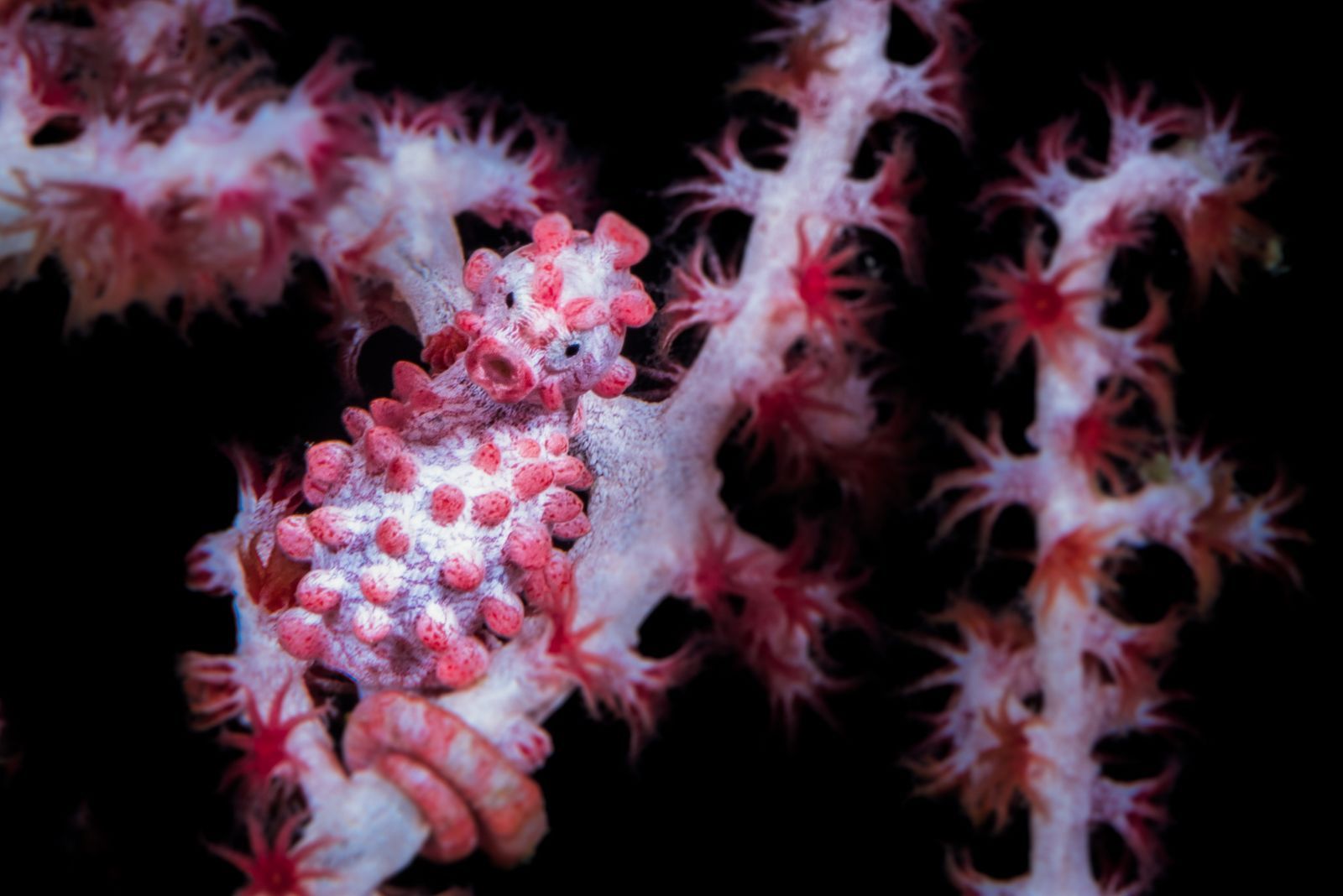
Pygmy seahorse camouflaged on soft coral in Indonesia - macro diving photography from liveaboard diving trip - Picture by Dewi Nusantara
Luxuriöse Lifestyle-Fokus-Boote ($600+/Tag Grundpreis)
Die gesamten täglichen Kosten liegen typischerweise zwischen 750 und 1.150 US-Dollar pro Tag, wobei die meisten Kosten enthalten sind. Die Miete von Ausrüstung ist in dieser Kategorie oft inbegriffen.
Lifestyle-orientierte Luxusboote teilen den gleichen hohen Standard an Essen, Service und Kabinenqualität wie ihre tauchfokussierten Gegenstücke – Menüs, Wein, aufmerksame Crew. Der Unterschied liegt im Programm. Diese Boote bieten typischerweise ein bis zwei Tauchgänge oder Schnorchelgänge pro Tag neben einem vollen Programm an Wassersportarten, Strandaufenthalten, Kajakfahren und kuratierten Landausflügen. Der Schwerpunkt liegt auf dem Gesamterlebnis, nicht auf der Tauchzahl.
Diese Schiffe eignen sich für besondere Anlässe, gemischte Gruppen, bei denen einige Gäste nicht ernsthaft tauchen, oder für Reisende, für die die Zeit über Wasser genauso wichtig ist wie unter Wasser. Die Reisedauer ist tendenziell kürzer – typischerweise vier bis sieben Tage. Die Gemeinschaftsbereiche sind größer und durchdachter gestaltet.
Wenn Sie eine Hochzeitsreise, eine besondere Reise oder einen Partner mitbringen, der kein engagierter Taucher ist, verändert ein Lifestyle-orientiertes Boot die Dynamik völlig. Beide Gäste haben eine gute Zeit, nicht nur derjenige im Neoprenanzug.
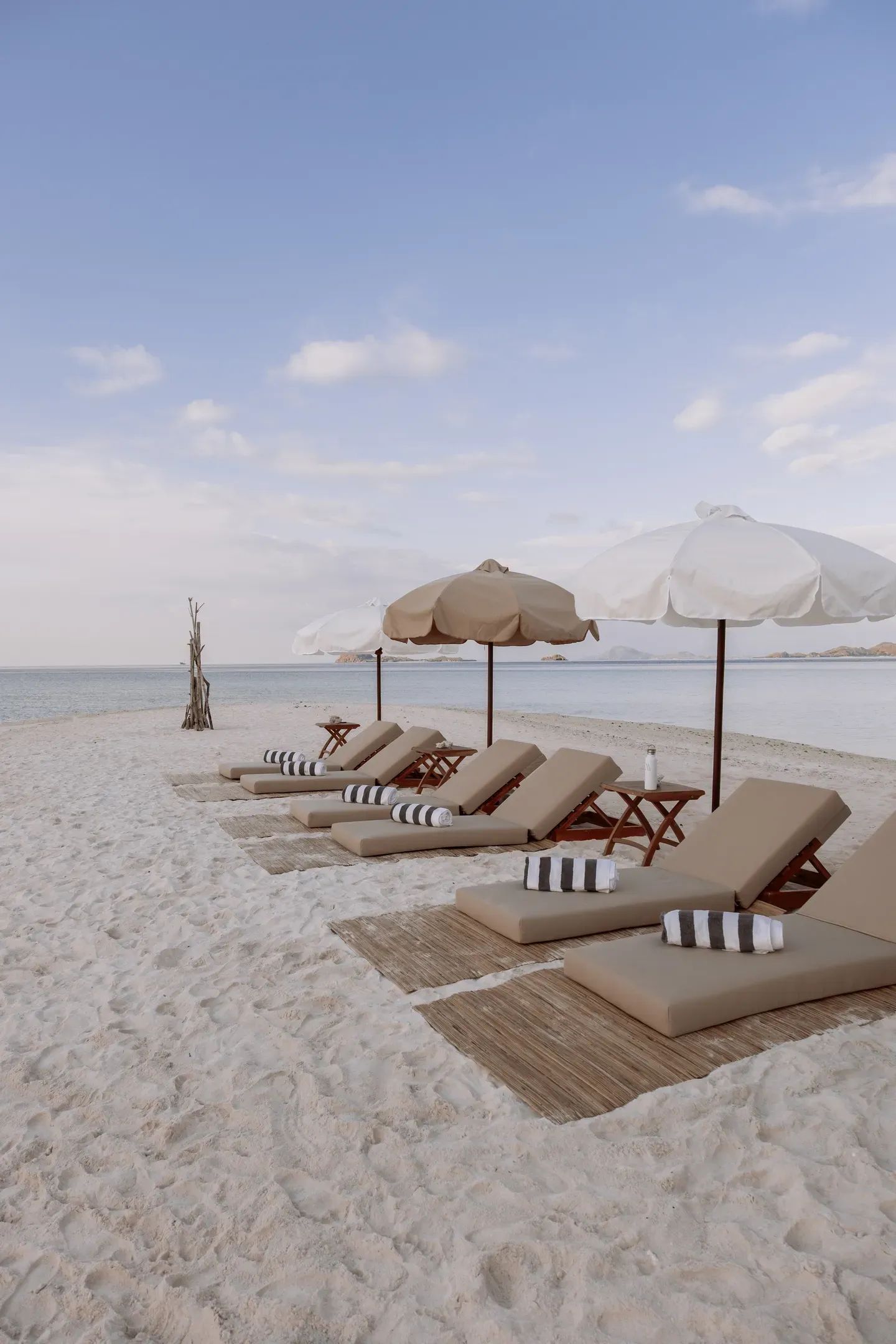
Row of beige beach loungers with umbrellas and striped towels arranged on white sand beach under cloudy sky - Picture by Aliikai Voyages
Private Charter
Die Charterraten liegen typischerweise zwischen 5.000 und 15.000 US-Dollar pro Tag für das gesamte Schiff, abhängig von Größe und Ausstattung. Die Kosten pro Person hängen vollständig von der Gruppengröße ab – ein Boot für 10.000 US-Dollar pro Tag, aufgeteilt auf zehn Gäste, ergibt 1.000 US-Dollar pro Person und Tag. Die meisten Mittelklasse- und Luxusboote können privat gechartert werden, und es gibt einige gute Angebote, insbesondere in der Nebensaison, wenn Betreiber eine garantierte Buchung einer leeren Fähre vorziehen.
Privatcharter sind sinnvoll für Gruppen, die die vollständige Kontrolle über ihre Reiseroute wünschen – benutzerdefinierte Routenführung, flexible Zeitplanung, angepasste Tauchpläne und Zugang zu abgelegenen Orten, die planmäßige Abfahrten nicht immer erreichen. Sie eignen sich gut für Familiengruppen, Firmenreisen oder erfahrene Taucher, die ihre eigene Route um bestimmte Orte und Jahreszeiten herum gestalten möchten.
Die Wirtschaftlichkeit verschiebt sich mit der Gruppengröße erheblich. Kleinere Gruppen zahlen pro Person mehr; größere Gruppen können Privatcharterraten wettbewerbsfähig mit oder besser als planmäßige Luxusabfahrten finden. Die Charterraten in der Nebensaison sind oft verhandelbar – Betreiber bevorzugen eine garantierte Buchung gegenüber einem leeren Schiff.
Wenn Sie einen Privatcharter in Erwägung ziehen, sprechen Sie uns frühzeitig an. Routenoptionen, Verfügbarkeit von Betreibern und Preise variieren erheblich je nach Ziel und Saison.
Die Linien sind fließend
Kategorien sind ein Leitfaden, keine Regel. Viele Mittelklasseboote bieten Kabinen-Upgrades an, die sie nahe an Luxusstandards heranführen. Die meisten Boote aller Kategorien können privat gechartert werden. Einige Luxusyachten fahren kürzere viertägige Routen, die sie für Gäste zugänglich machen, die sich nicht für eine zehntägige Überfahrt entscheiden konnten.
Die nützlichste Frage ist nicht „Welche Kategorie möchte ich?“ – sondern „Was ist mir auf dieser Reise am wichtigsten?“ Tauchintensität, Atmosphäre an Bord, Aktivitäten außerhalb des Tauchens, Gruppendynamik, Reiselänge. Sobald diese Prioritäten klar sind, ist das richtige Schiff meist offensichtlich.
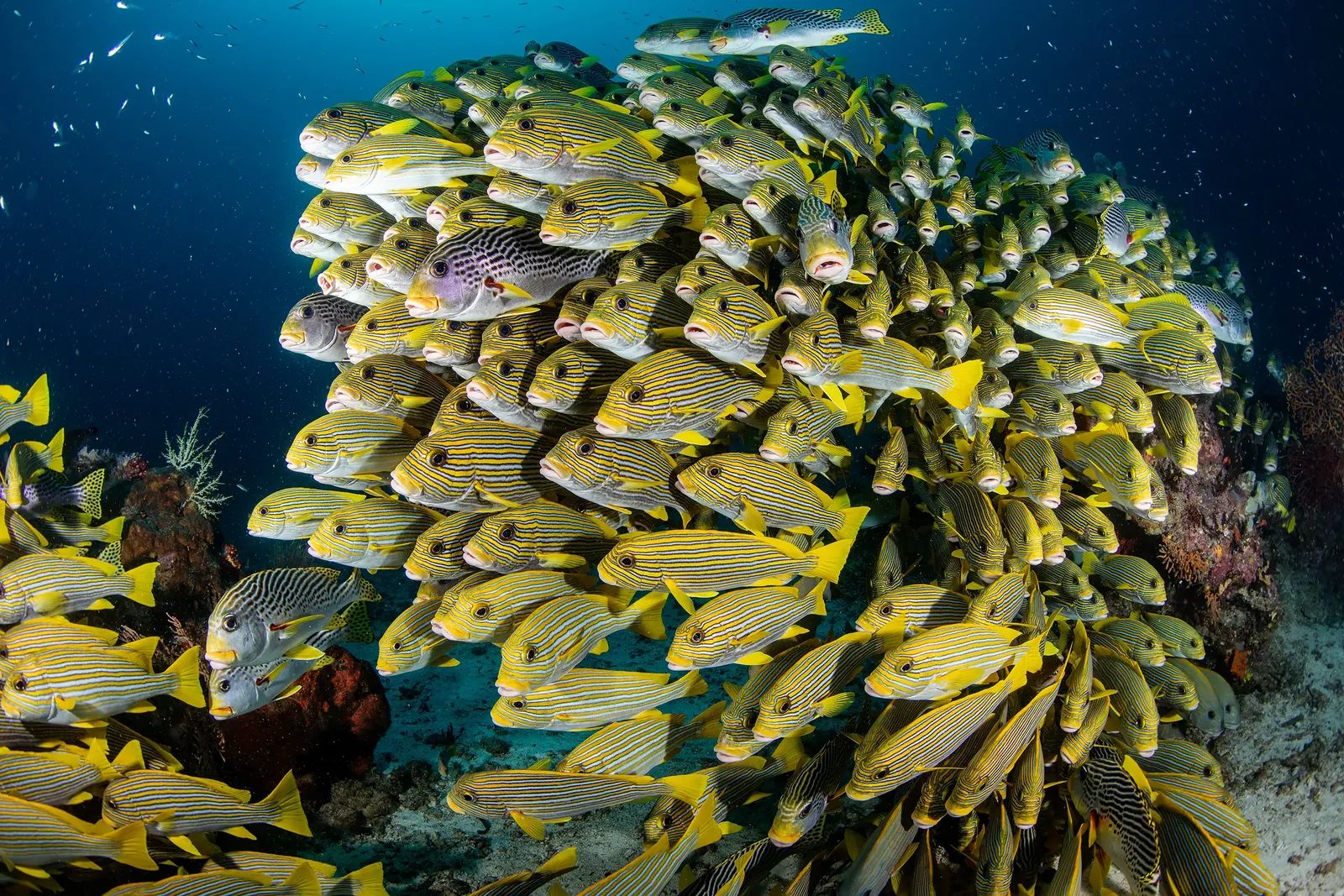
Large school of oriental sweetlips aggregating on reef, abundant marine life on Raja Ampat liveaboard dive sites Indonesia
Was in allen Kategorien konstant ist
Einige Dinge ändern sich nicht, unabhängig davon, wie viel Sie ausgeben. Jeder Betreiber hat Zugang zu denselben Tauchplätzen. Die Artenvielfalt des Korallendreiecks – über 600 Korallenarten, über 2.200 Fischarten, die gesamte Bandbreite des indonesischen Meereslebens – ist zu jedem Preis verfügbar¹ ⁶ ⁷. Gebühren für Meeresschutzgebiete gelten universell und werden von der indonesischen Regierung festgelegt, nicht vom Betreiber⁴ ⁵. Sicherheitsstandards bei den Booten, mit denen wir zusammenarbeiten, sind durchweg professionell.
Das Unterwassererlebnis in Indonesien ist bei jedem Budget außergewöhnlich. Sie wählen nur noch, wie Sie über der Wasseroberfläche leben möchten.
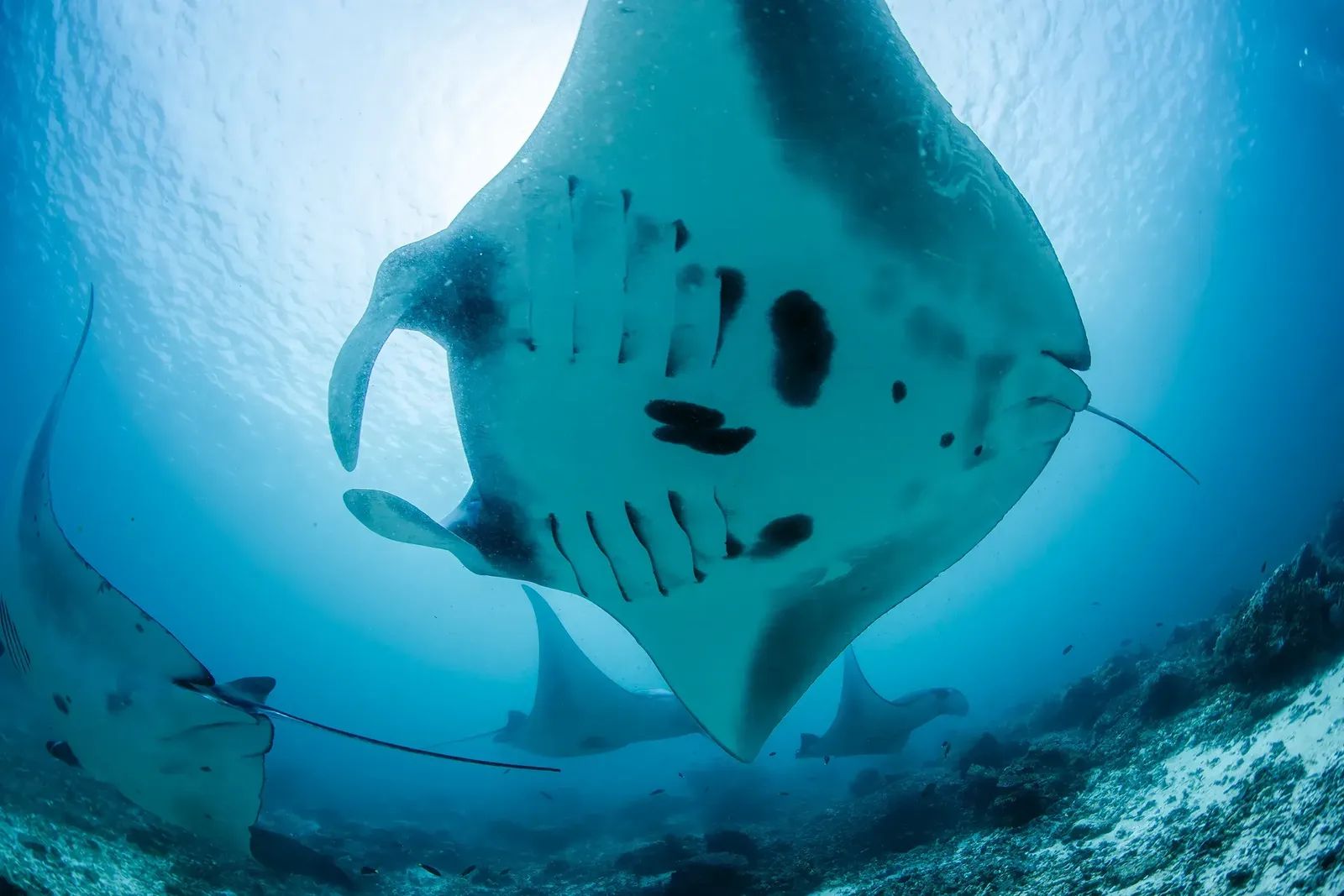
Manta ray belly view underwater, world-famous manta diving at Komodo National Park liveaboard sites Indonesia
Saisonale Buchung und Vorlaufzeiten
Indonesiens Regionen tauchen zu unterschiedlichen Zeiten im Jahr, und die Buchungsvorlaufzeiten spiegeln die Nachfrage wider. Raja Ampat und Komodo – die beliebtesten Routen – erfordern für Abfahrten in der Hauptsaison eine Vorlaufzeit von sechs bis zwölf Monaten. Abgelegene Ziele wie Cenderawasih Bay – wo sich das ganze Jahr über etwa 160 Walhaie an traditionellen Fischplattformen⁸ tummeln – die Derawan-Inseln und Halmahera operieren mit weniger Booten und sind schnell ausgebucht, unabhängig von der Saison. Günstigere Boote und Abfahrten in der Nebensaison haben oft kurzfristig mehr Verfügbarkeit.
Für eine vollständige Aufschlüsselung der saisonalen Fenster nach Destination sehen Sie sich unseren saisonalen Reiseführer nach Destination an.
Massive baitfish tornado school over coral reef, signature dive encounter at Triton Bay liveaboard sites West Papua Indonesia
Umweltverantwortung
Indonesiens Meeresumwelt ist eine der artenreichsten der Welt – und Liveaboard-Betreiber gehören zu ihren aktivsten Hütern. Die besten Betreiber arbeiten mit lokalen Gemeinschaften und Meeresstiftungen zusammen, beschäftigen lokale Crews und befolgen strenge Protokolle für das Abfallmanagement auf See. Einige unterstützen aktive Naturschutzprogramme: Misools 300.000 Hektar großes Schutzgebiet in Raja Ampat – einst ein Haifischflossen-Camp – wurde teilweise durch Partnerschaften mit Liveaboard-Betreibern aufgebaut, die die Umstellung mitfinanzierten³.
Bei der Auswahl eines Bootes lohnt es sich zu fragen, wie der Betreiber sich für den Naturschutz einsetzt. Dies ist nicht nur eine ethische Überlegung – Betreiber mit starken lokalen Beziehungen haben tendenziell besseren Zugang zu Tauchplätzen, besseres Wissen der Crew und einen insgesamt besseren Betrieb.
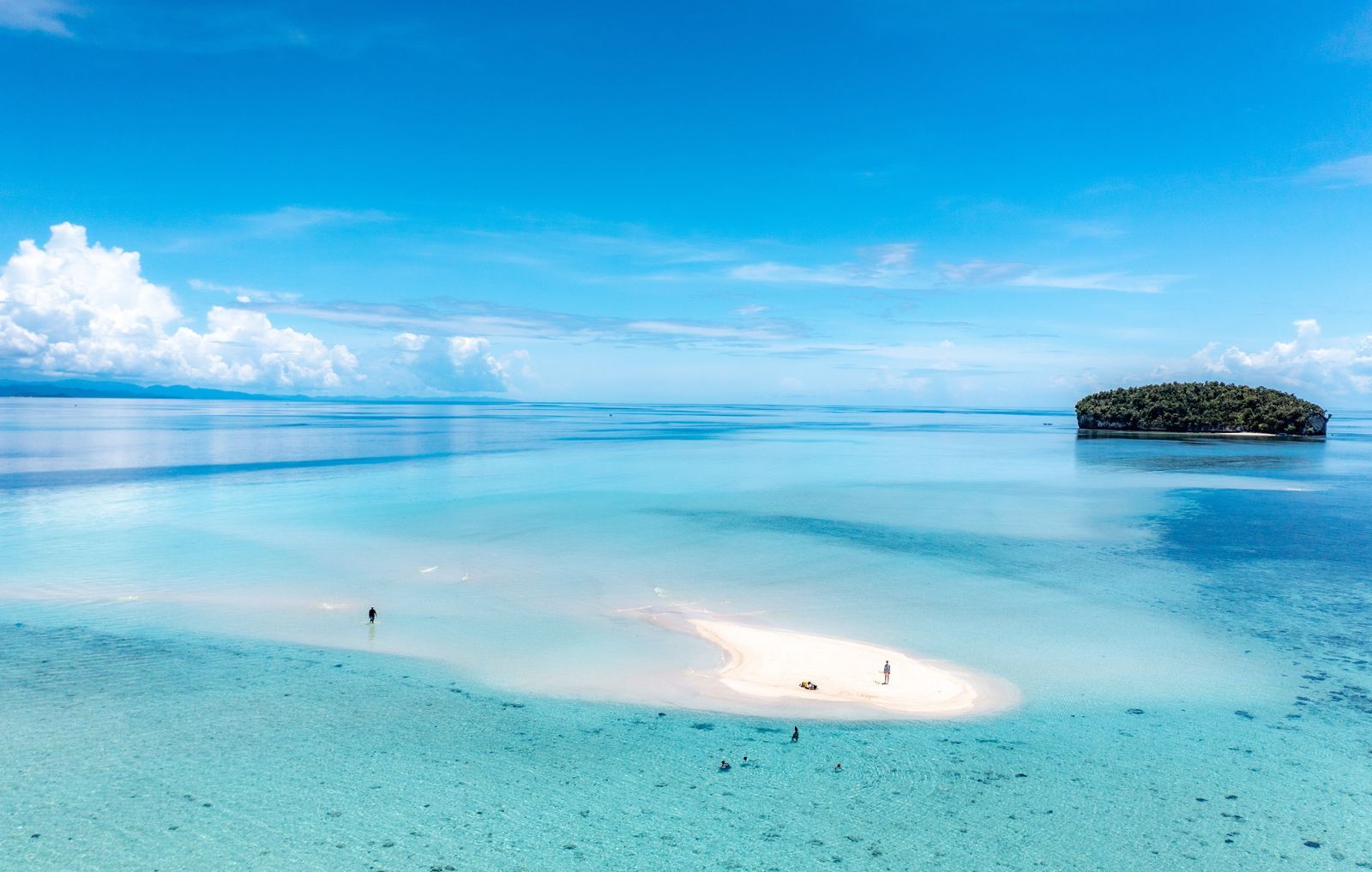
Pristine white sandbar in Raja Ampat Indonesia with crystal clear turquoise waters and tropical island, perfect liveaboard diving destination - Picture by Calico Jack Cruises
Erwartungen managen
Die Preisstrukturen auf indonesischen Liveaboards sind nicht immer einfach. Basistarife beinhalten nicht immer Ausrüstung, Nitrox, Gebühren für Meeresparks oder Treibstoffzuschläge – und diese Extras summieren sich, besonders am unteren Ende des Budgets. Fragen Sie nach einer vollständigen Kostenaufschlüsselung, bevor Sie Boote verschiedener Kategorien vergleichen.
Kabinen sind nach Landstandards in allen Kategorien kompakt. Selbst Luxuskabinen auf indonesischen Liveaboards sind kleiner als ein Hotelzimmer. Das ist die Natur des Formats – und die meisten Gäste gewöhnen sich schnell daran, sobald sie im Wasser sind.
Nicht-Taucher sind auf den meisten Booten willkommen, aber das Erlebnis variiert erheblich je nach Kategorie. Budget-Boote sind von Natur aus auf Tauchen ausgerichtet. Lifestyle-orientierte Luxusboote sind für gemischte Gruppen konzipiert. Wenn Sie mit jemandem reisen, der nicht taucht, ist die Wahl des Schiffes wichtiger als das Reiseziel.
Tierbegegnungen sind unabhängig von Kategorie oder Kosten nie garantiert. Saisonale Muster und das Wissen des Betreibers vor Ort verbessern die Chancen erheblich – aber der Ozean ist unberechenbar.
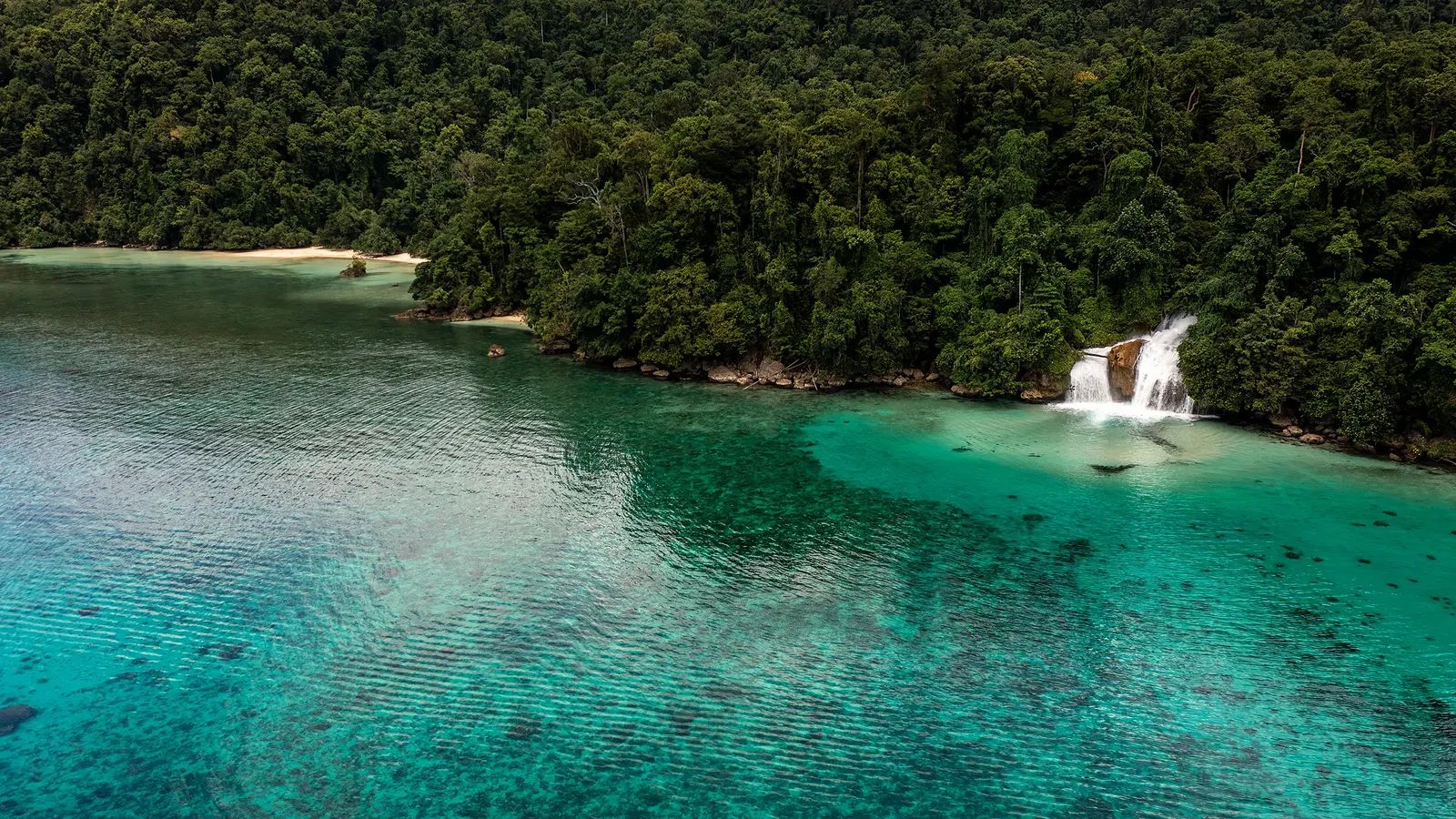
Coastal waterfall flowing into protected bay, land excursion destination on Triton Bay liveaboard itinerary West Papua Indonesia
Häufig gestellte Fragen
Ist die Ausrüstungsmiete im Preis für indonesische Liveaboards inbegriffen?
Das hängt von der Kategorie ab. Budget-Boote berechnen die Ausrüstungsmiete fast immer separat, typischerweise 25–40 $/Tag. Mittelklasseboote variieren – einige beinhalten grundlegende Ausrüstung, andere berechnen eine geringe Tagesgebühr. Luxusboote beinhalten in der Regel Premium-Ausrüstung im Basistarif. Bestätigen Sie dies immer vor der Buchung.
Ist Nitrox auf indonesischen Liveaboards verfügbar?
Ja, obwohl Verfügbarkeit und Kosten variieren. Die meisten Mittelklasseboote bieten Nitrox gegen eine zusätzliche Gebühr pro Tauchgang an. Luxusboote beinhalten es in der Regel. Budgetboote verfügen möglicherweise nicht über Nitrox-Fähigkeiten. Wenn Nitrox für Ihr Tauchen wichtig ist, bestätigen Sie dies vor der Buchung beim Betreiber.
Was sind Gebühren für Meeresschutzgebiete und wer bezahlt sie?
Gebühren für Meeresschutzgebiete werden von der indonesischen Regierung festgelegt und gelten für alle Taucher in Schutzgebieten, unabhängig davon, auf welchem Boot sie sich befinden. Sie betragen in der Regel 10–30 USD pro Tag, je nach Ziel. Einige Boote berechnen sie im Angebotspreis; andere listen sie separat auf. Berücksichtigen Sie sie bei Ihrem gesamten Kostenvergleich.
Kann ich eine Einzelkabine auf einem Liveaboard in Indonesien buchen?
Dedizierte Einzelkabinen sind selten. Die meisten Boote sind für Doppelbelegung ausgelegt – wenn Sie allein reisen, teilen Sie sich entweder eine Kabine mit einem anderen Gast desselben Geschlechts oder zahlen einen Einzelkabinen-Zuschlag, um die Kabine für sich allein zu haben. Einzelkabinen-Zuschläge beginnen bei etwa 20 % auf einigen Booten und variieren von dort erheblich. Fragen Sie uns bei der Buchung nach der aktuellen Verfügbarkeit.
Wie funktioniert das Trinkgeld auf Liveaboards in Indonesien?
Trinkgeld wird geschätzt, ist aber nicht obligatorisch. Einige Betreiber sammeln Trinkgelder für die Tauchcrew und die Bootscrew; andere behalten sie getrennt. Fragen Sie zu Beginn Ihrer Reise, wie dies auf dem jeweiligen Boot gehandhabt wird. Die Höhe liegt ganz in Ihrem Ermessen.
Werden diätetische Anforderungen auf Liveaboards in Indonesien berücksichtigt?
Ja, auf den meisten Mittelklasse- und Luxusbooten, mit Vorankündigung. Vegetarische und vegane Optionen sind auf den meisten Schiffen machbar. Spezifischere Allergien oder Anforderungen müssen vor der Abreise klar kommuniziert werden – wir koordinieren dies als Teil des Buchungsprozesses.
Kann ich die Kabine für mich allein buchen, wenn ich allein reise?
Ja, gegen Zahlung des Einzelkabinenaufschlags. Die meisten Boote sind standardmäßig für Doppelbelegung ausgelegt – wenn die zweite Koje in Ihrer Kabine unverkauft bleibt, kann der Betreiber den Aufschlag nach eigenem Ermessen erlassen, dies ist jedoch nicht garantiert. Wenn Ihnen eine Kabine für sich allein wichtig ist, buchen Sie den Aufschlag, anstatt auf eine leere Koje zu hoffen.
Wie wähle ich zwischen einem tauchfokussierten und einem lifestyle-fokussierten Luxusboot?
Wenn Tauchen der Hauptzweck der Reise ist und Ihre gesamte Gruppe ernsthaft taucht, ist ein tauchfokussiertes Luxusboot besser für Sie geeignet – die Führung, Ausrüstung und der Betrieb sind darauf ausgelegt, Ihre Zeit unter Wasser zu maximieren. Wenn Sie mit jemandem reisen, der nicht taucht, einen besonderen Anlass feiern oder ein resortähnlicheres Erlebnis neben dem Tauchen wünschen, ist ein lifestyle-fokussiertes Boot eine Überlegung wert. Sprechen Sie mit uns – dies ist eine der nuancierteren Entscheidungen bei der Buchung von Liveaboards in Indonesien, und die Antwort hängt von Ihrer spezifischen Gruppe ab.
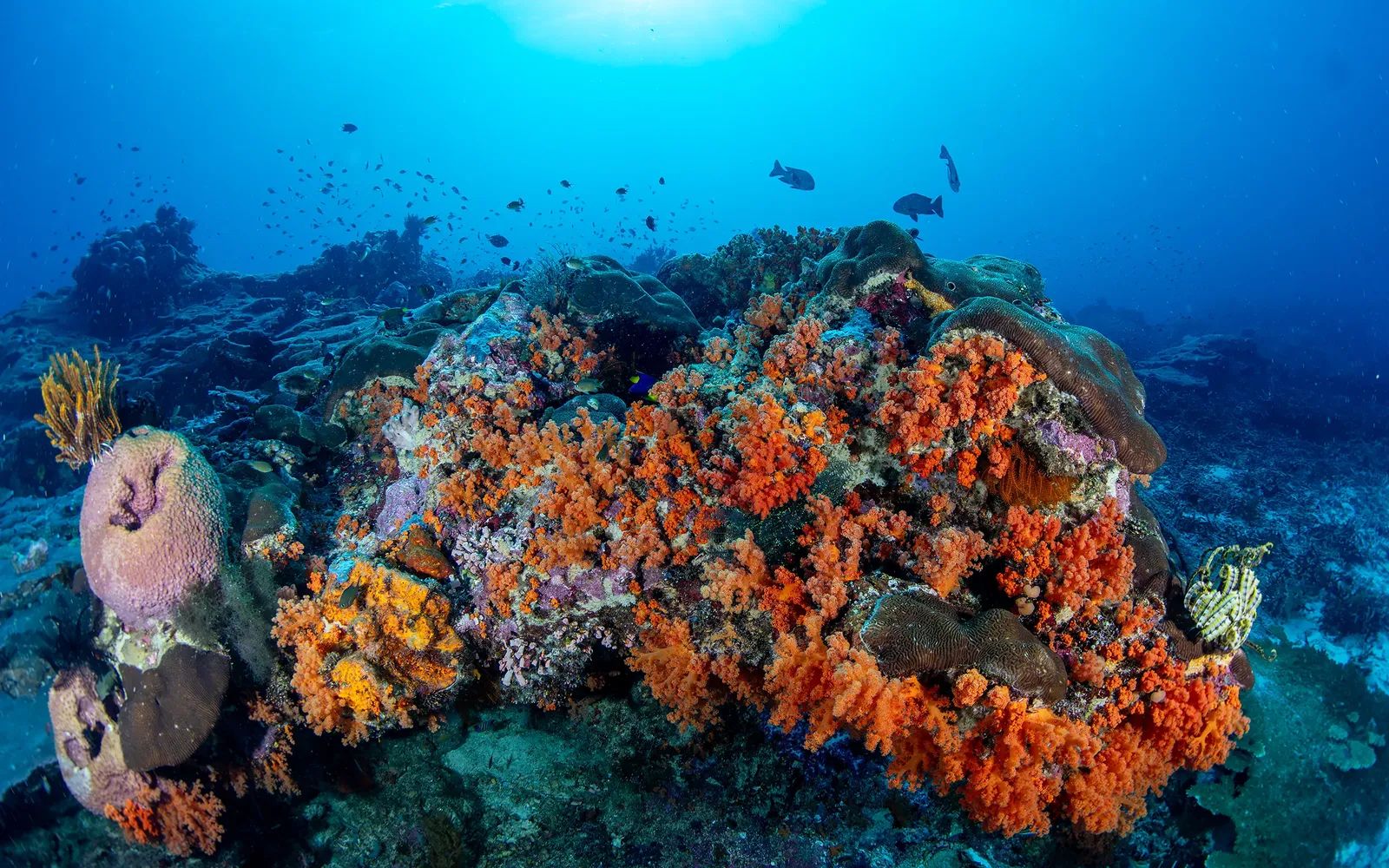
Vibrant soft coral reef with orange and pink corals, Triton Bay liveaboard diving famous for soft coral gardens West Papua Indonesia
Bereit, Ihre Reise zu planen?
Wir sind ein Team mit Sitz in Indonesien und möchten, dass unsere Kunden eine gute Erfahrung haben – nicht nur eine abgeschlossene Buchung. Die Preise sind die gleichen wie bei einer Direktbuchung, jede Buchung beinhaltet die Option einer kostenlosen Hotelübernachtung, und wir arbeiten mit VIFA Holiday, dem führenden DMC für die Tauchindustrie Indonesiens, zusammen, um Inlandsflüge und Logistik zu übernehmen, falls Sie diese benötigen. Wenn Sie darüber nachdenken, Ihre Reise vor oder nach dem Liveaboard zu verlängern, sehen Sie sich unseren Leitfaden für Liveaboard-Erweiterungen in Indonesien. Erreichen Sie uns über WhatsApp, über unser Kontaktformular, oder lesen Sie mehr darüber, wie wir arbeiten.