Indonesien ist groß genug, um das ganze Jahr über gute Tauchmöglichkeiten zu bieten. Zu wissen, wann man wohin reisen muss, macht den entscheidenden Unterschied.
Der Archipel erstreckt sich über 5.000 Kilometer von West nach Ost, durchquert mehrere Klimazonen und liegt an der Schnittstelle zweier Monsunsysteme. Diese Komplexität ist tatsächlich ein Vorteil – wenn eine Region in ihrer Regenzeit ist, ist eine andere in ihrer Hauptsaison. Dieser Leitfaden behandelt die saisonalen Fenster für jedes wichtige Tauchziel, was die Monsune tatsächlich für das Tauchen bedeuten und wie Sie Ihre Zeitplanung gestalten können. Er ist Teil unseres umfassenden Indonesien Liveaboard-Guides – wenn Sie noch entscheiden, ob Indonesien das richtige Reiseziel ist, sehen Sie sich zuerst warum Indonesien wählen an.
Schnelle Fakten
- Beste Jahreszeit: hängt ganz vom Reiseziel ab – nutzen Sie die untenstehende Übersicht
- Wassertemperatur: 24–30°C je nach Region und Jahreszeit
- Sichtweite: 15–35 m+ typisch; variiert je nach Strömung, Plankton und Niederschlag
- Erfahrungsstufe: Open Water für die meisten Routen; aktuelle Erfahrung empfohlen für Komodo, Alor und die Banda-See
- Reiselänge: 7–14 Tage typisch; kürzere Komodo-Routen verfügbar
- Wichtiger Planungshinweis: 6–12 Monate im Voraus buchen für die Hauptsaison; abgelegene Ziele sind schneller ausgebucht
Schnelle Antworten
Wann ist die beste Zeit, um Indonesien zu betauchen?
Es gibt keine einzelne beste Zeit – es hängt davon ab, wo Sie tauchen möchten. Raja Ampat hat seine Hauptsaison von Oktober bis April. Komodo ist am besten von April bis November. Die Banda-See hat zwei Hauptfenster – März bis April und September bis November – mit der Hammerhai-Saison, die sich auf Oktober und November konzentriert. Die Cenderawasih-Bucht bietet hauptsächlich von Juli bis August Touren an. Wenn Sie feste Daten haben, teilen Sie uns diese mit, und wir finden das passende Tauchgebiet für Sie.
Kann ich Indonesien während der Regenzeit betauchen?
Ja. Regen beeinträchtigt die Oberflächenbedingungen mehr als die Unterwassersicht. Die meisten Reiseziele bleiben während ihrer Regenzeit voll tauchfähig – Betreiber weichen auf geschützte Buchten und Kanäle aus, wenn exponierte Stellen rauer sind. Die Hauptausnahme ist die Banda-See, wo der Nordwestmonsun von Dezember bis März den Zugang tatsächlich erschwert.
Kann das Wetter jemals eine Liveaboard-Reise absagen?
Selten. Betreiber passen Routen und Standortauswahl an die Bedingungen an – Absagen wegen Wetters sind während der Hauptsaisons selten. Schwere Wettersysteme sind selten. Häufiger kommt es vor, dass ein bestimmter Standort unzugänglich wird und der Betreiber eine Alternative anbietet. Flexibilität ist die richtige Einstellung.
Wie beeinflussen Monsune die Tauchbedingungen?
Indonesiens zwei Monsunsysteme schaffen entgegengesetzte saisonale Fenster über seine Regionen hinweg. Der Südwestmonsun (Mai–September) bringt trockene Bedingungen in südliche Reiseziele wie Komodo und Alor, während er in nördlichen Gebieten wie Raja Ampat den Niederschlag erhöht. Der Nordostmonsun (November–März) kehrt dies um – trocken und ruhig im Norden, feuchter im Süden. Die meisten Reiseziele eignen sich für beide Jahreszeiten; der Unterschied liegt in den Oberflächenbedingungen und der Zugänglichkeit der Tauchplätze und nicht in der Unterwasserqualität.
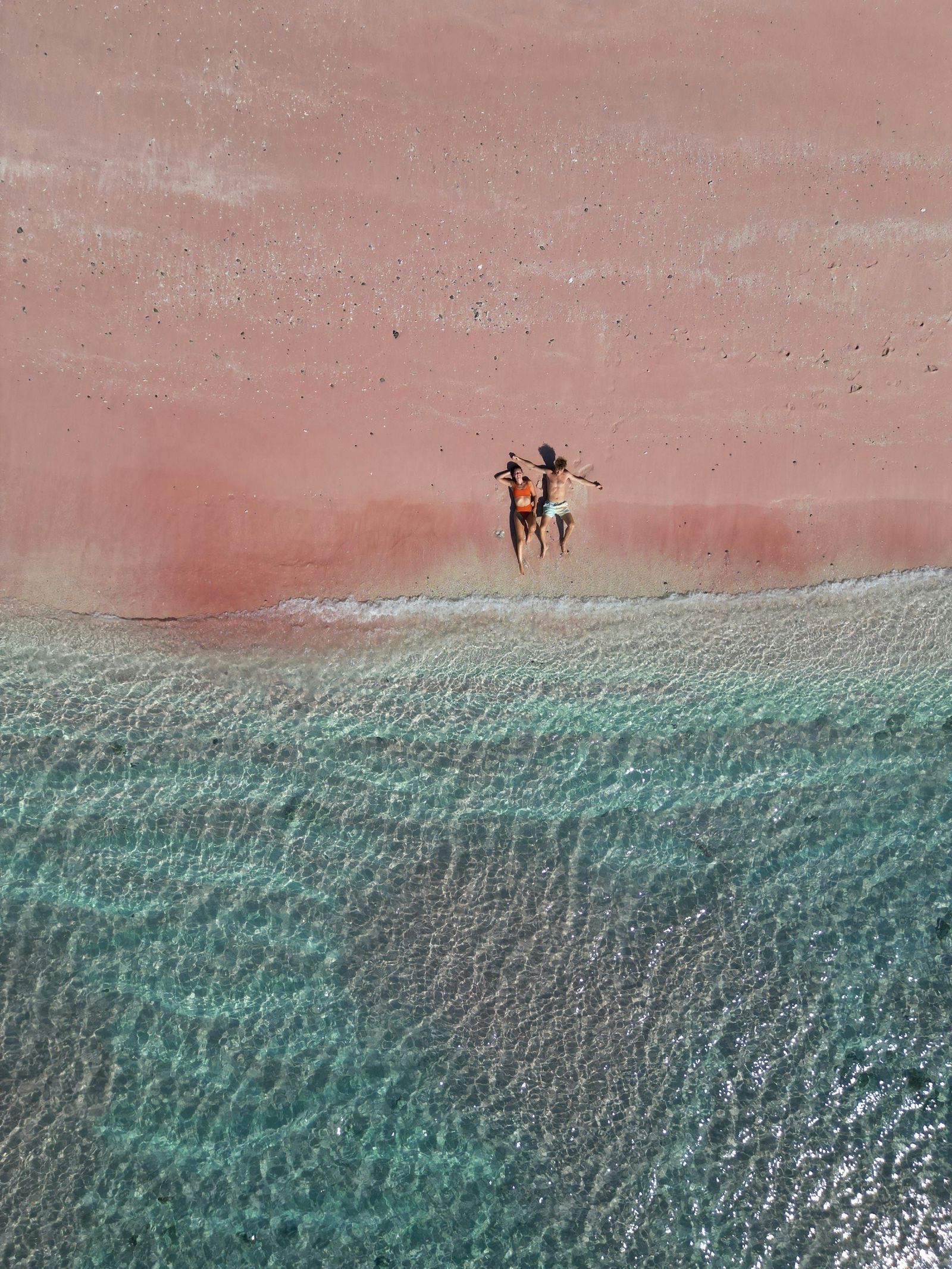
Pink beach aerial view couple Indonesia liveaboard destination romantic diving cruise
Übersicht der Reiseziele nach Saison
Eine schnelle Referenz für die Planung. Die Hauptsaison ist, wenn die Oberflächenbedingungen am ruhigsten sind, die Sicht am besten ist und alle Tauchplätze zugänglich sind. Die Zwischensaison bedeutet oft weniger Boote und immer noch exzellente Tauchgänge.
- Raja Ampat: Oktober–April Hauptsaison; Mai–September tauchbar mit raueren Oberflächenbedingungen
- Komodo: April–November Hauptsaison; Dezember–März tauchbar, kühleres Wasser, weniger Boote
- Banda-See: März–April und September–November Hauptfenster; Mai–August und Dezember–Februar meiden
- Alor: März–Oktober Hauptsaison; September–November speziell für Hammerhaie
- Cenderawasih-Bucht: Touren hauptsächlich Juli–August; Walhaie das ganze Jahr über vorhanden, aber Abfahrten der Betreiber sind saisonal
- Triton Bay: Oktober–April; Mai–September keine Abfahrten
- Halmahera: Oktober–April Hauptsaison; einige Betreiber fahren Mai–Oktober
- Derawan-Inseln: April–Oktober Hauptsaison
- Bali: April–Oktober Hauptsaison; Mola Mola Juli–Oktober bei Nusa Penida
- Nord-Sulawesi (Bunaken, Lembeh): ganzjährig; Oktober–April generell am ruhigsten
- Wakatobi / Südost-Sulawesi: April–Oktober Hauptsaison; Dezember–Februar meiden
- Zentral-Sulawesi (Togian-Inseln): April–Oktober Hauptsaison; begrenzte Abfahrten der Betreiber
- Saleh-Bucht Walhaie: Mai–September an Bagan-Plattformen
Die Monsunsysteme
Indonesien liegt am Treffpunkt zweier Monsunsysteme, und deren Verständnis macht die saisonale Logik klar⁵.
Der südwestliche Monsun dauert ungefähr von Mai bis September. Er bringt trockene, ruhige Bedingungen für Südinonesien – Komodo, Alor, Bali und die Bandasee – während er verstärkten Niederschlag und unruhige See in nördliche Regionen wie Raja Ampat bringt. Zum Tauchen ist dies die beste Saison im Süden und die Nebensaison im Norden.
Der nordöstliche Monsun dauert ungefähr von November bis März. Er kehrt das Muster um: trockene Bedingungen und ruhige See kehren nach Raja Ampat und in nördliche Destinationen zurück, während der Süden mehr Niederschlag verzeichnet. Dies ist die Hauptsaison für Raja Ampat.
April und Oktober sind Übergangsmonate zwischen den beiden Systemen. Die Bedingungen werden von Tag zu Tag unvorhersehbarer, aber beide Monate bieten oft ausgezeichnete Tauchbedingungen mit weniger Booten als in der Hauptsaison. Viele erfahrene Taucher zielen speziell auf diese Zwischenzeiten ab.
Eine wichtige Nuance: Indonesien liegt in den Tropen, und Sie können zu jeder Jahreszeit unabhängig von der Saison Niederschlag erleben. "Monsunzeit" bedeutet häufigeren Niederschlag, manchmal stärkere Winde und gelegentlich rauere Oberflächenbedingungen – nicht ein Schalter, der Regen ein- und ausschaltet. Das Unterwassererlebnis wird im Allgemeinen nicht durch Regen an der Oberfläche beeinträchtigt.
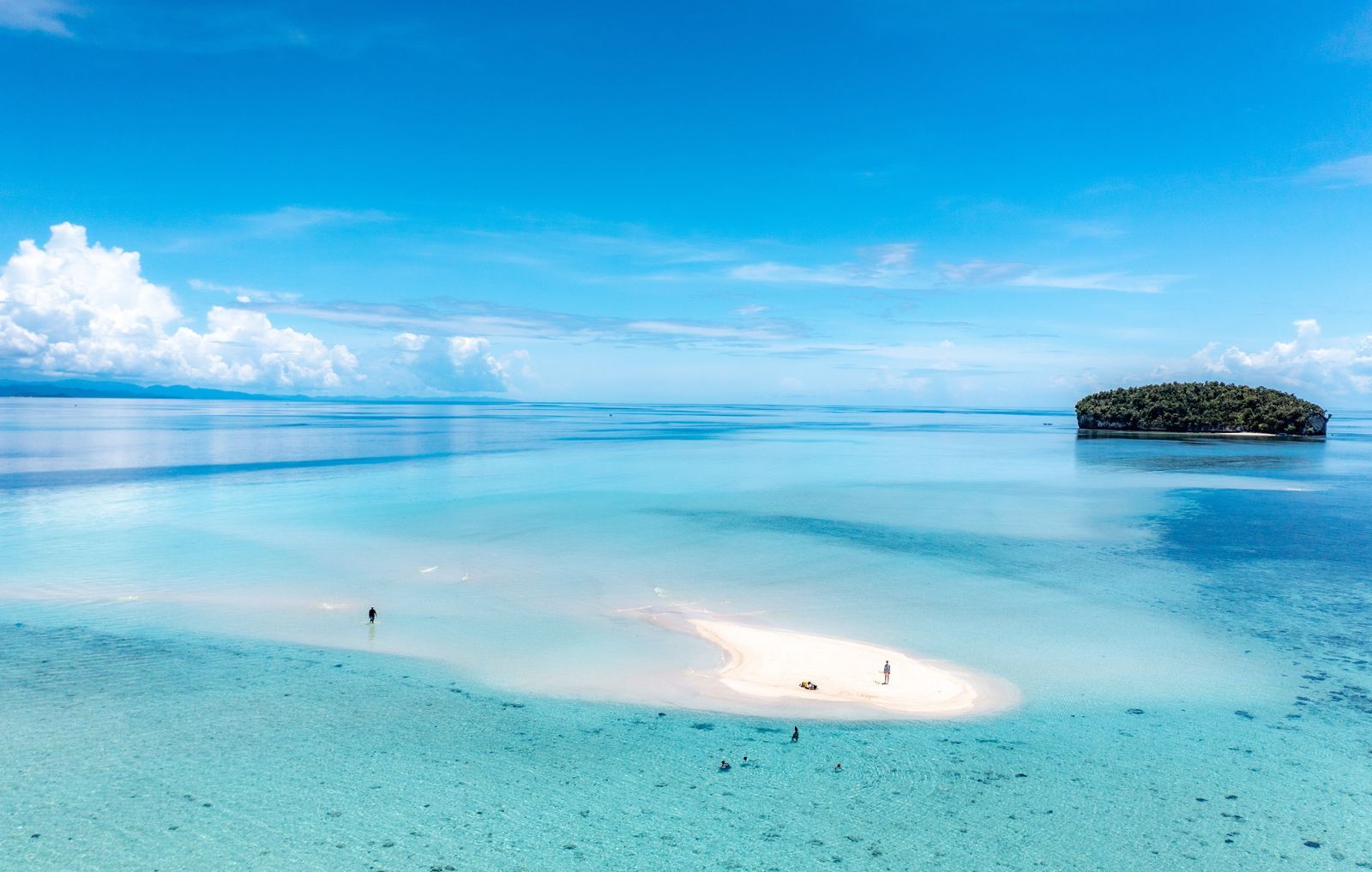
Pristine white sandbar in Raja Ampat Indonesia with crystal clear turquoise waters and tropical island, perfect liveaboard diving destination - Picture by Calico Jack Cruises
Raja Ampat
Hauptsaison: Oktober–April Nebensaison: Mai–September Wassertemperatur: 28–30°C ganzjährig
Die Trockenzeit in Raja Ampat dauert von Oktober bis April und wird vom Nordostmonsun gebracht. Dies ist die Zeit, in der die Oberflächenbedingungen am ruhigsten sind, die Sicht am besten ist und alle Tauchplätze – einschließlich exponierter Außenriffe und Seamounts wie Black Rock und Eagle Rock im Norden – zugänglich sind. Mantabegegnungen bei Blue Magic im zentralen Gebiet sind während der Planktonblüteperioden innerhalb dieses Zeitfensters am zuverlässigsten.
Mai bis September bringt den Südwestmonsun nach Raja Ampat – mehr Niederschlag, rauere Oberflächenbedingungen und eingeschränkten Zugang zu exponierten Tauchplätzen. Das Tauchen geht weiter, insbesondere auf Routen durch die zentrale Dampierstraße und geschützte Buchten, und einige Betreiber fahren diese Routen ganzjährig. Vorteile der Nebensaison: weniger Boote, niedrigere Preise und immer noch ausgezeichnete Tauchbedingungen an geschützten Orten.
Flüge von Bali nach Sorong führen häufig über Jakarta oder Makassar – berücksichtigen Sie dies bei der Planung Ihrer Ankunft und Anschlussflüge.
Siehe unseren Raja Ampat Reiseführer für vollständige Details zum Reiseziel oder die Raja Ampat Zielseite für eine schnelle Übersicht.
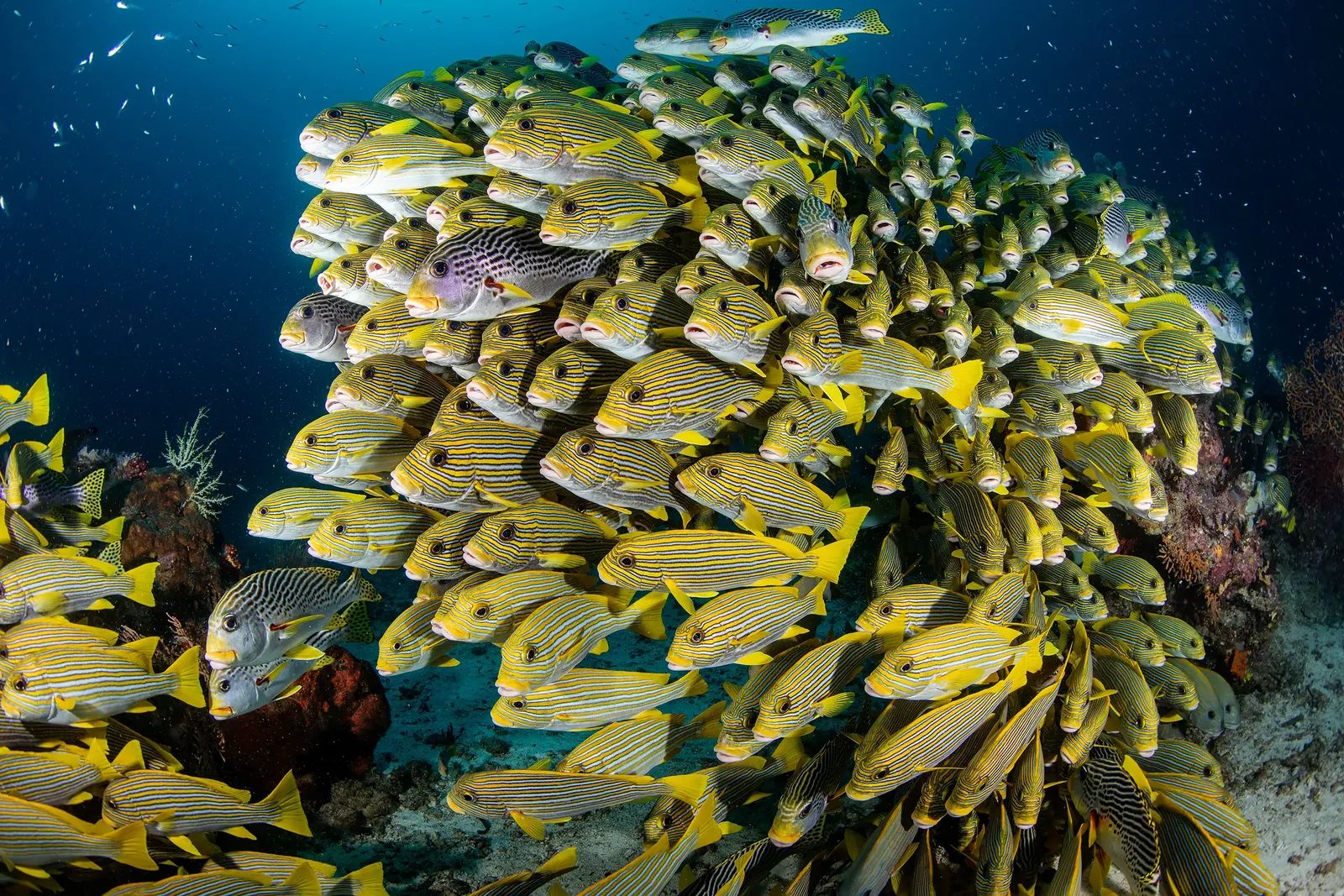
Large school of oriental sweetlips aggregating on reef, abundant marine life on Raja Ampat liveaboard dive sites Indonesia
Komodo
Hauptsaison: April–November Zwischensaison: Dezember–März Wassertemperatur: 24–28°C; Kaltaufwallungen üblich
Komodo ist das, was Indonesien am ehesten einem ganzjährigen Reiseziel bietet. Der Südwestmonsun bringt von April bis November trockene Bedingungen – dies ist das Hauptfenster mit ruhiger See, guter Sicht und angenehmen Oberflächenbedingungen. Starke Strömungen bestehen das ganze Jahr über unabhängig von der Jahreszeit; sie sind es, die die außergewöhnlichen Konzentrationen an Meereslebewesen in Komodo antreiben, nicht das Wetter.
Dezember bis März bringt die Regenzeit – mehr Niederschlag, etwas rauere Oberflächenbedingungen und kühleres Wasser (24–26°C) durch verstärkte Aufwallungen. Die meisten Tauchplätze bleiben aufgrund der geschützten Topographie Komodos zugänglich. Mantabegegnungen an Manta Point und Manta Alley finden das ganze Jahr über statt. Die Regenzeit zieht weniger Taucher an und oft bessere Preise.
Abfahrten von Labuan Bajo (am häufigsten) oder Bali, je nach Betreiber.
Siehe unseren Komodo Reiseführer für vollständige Details zum Reiseziel oder die Komodo Zielseite für eine schnelle Übersicht.
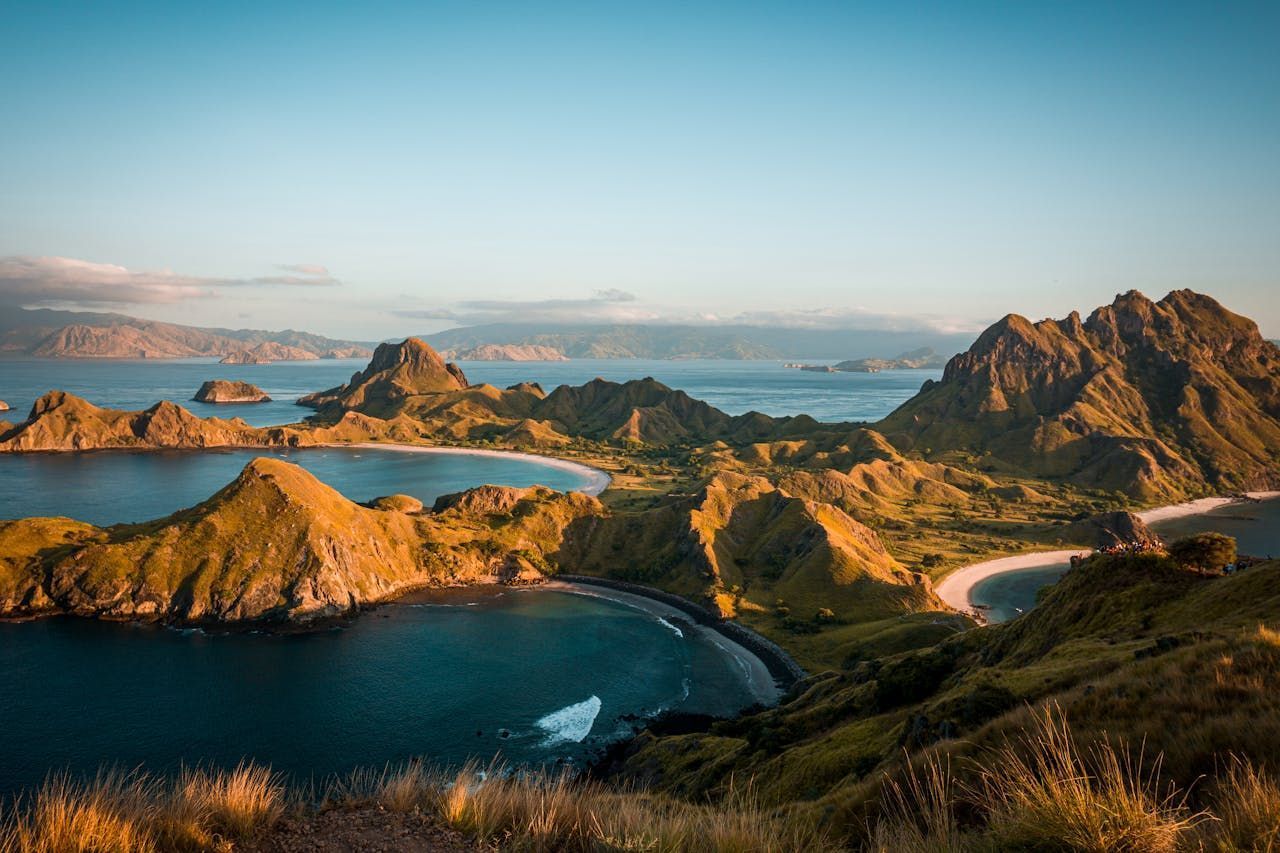
Padar Island panoramic view Komodo National Park Indonesia liveaboard hiking destination
Banda-See
Hauptfenster: März–April und September–November Hammerhai-Saison: Oktober–November Hauptzeit Wassertemperatur: 27–29°C Vermeiden: Mai–August und Dezember–Februar
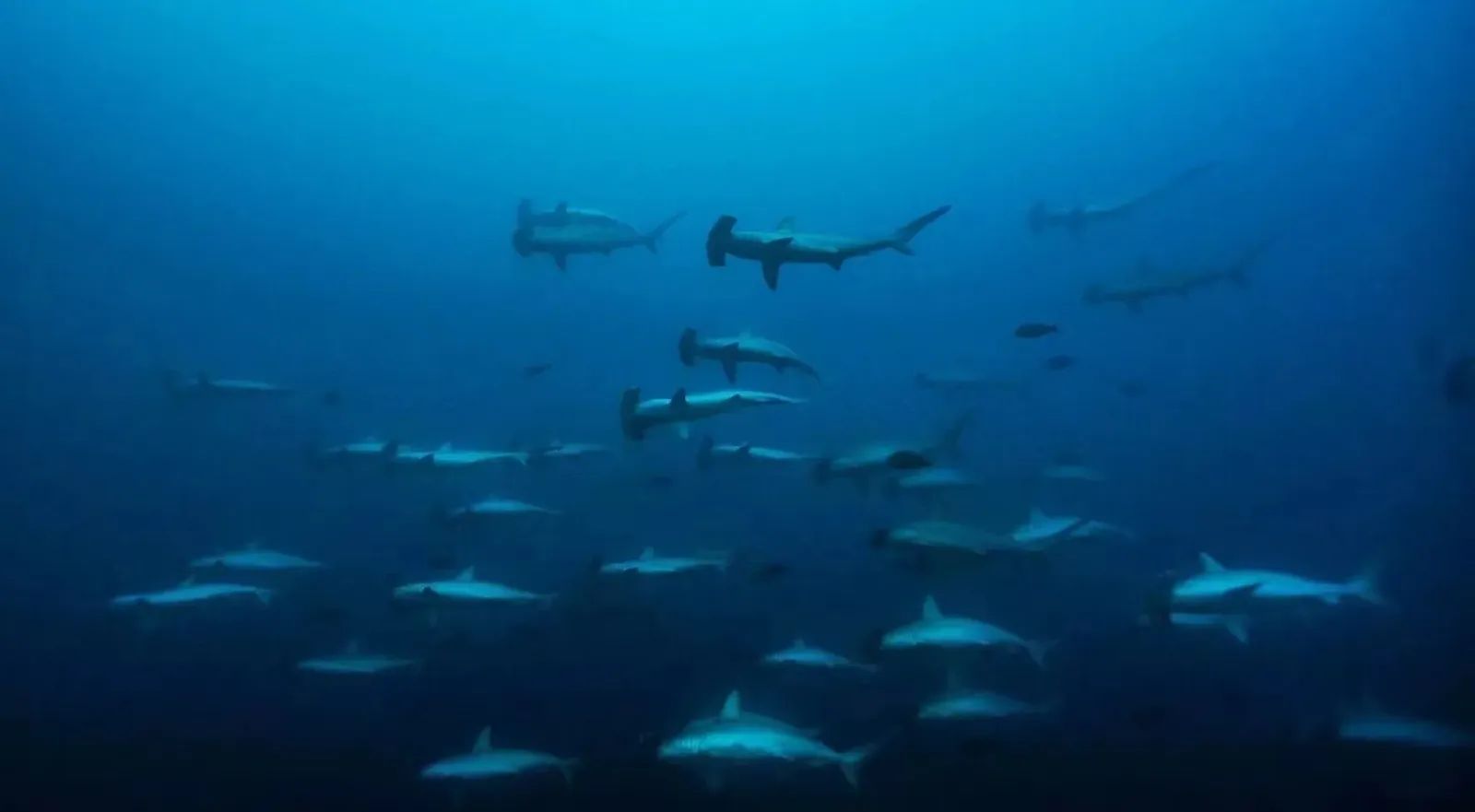
Die Banda-See hat zwei ausgeprägte saisonale Fenster statt einer langen offenen Saison. März und April bieten das erste Fenster – die Bedingungen beruhigen sich nach dem Nordwestmonsun und die Anbieter führen Ring of Fire und Banda-Inseln-Routen durch, bevor die halbjährliche Schließung erfolgt. September bis November ist das Hauptfenster und die beste Gesamtzeit – Hammerhai-Ansammlungen an den Suanggi-, Nil Desperandum- und Serua-Seamounts erreichen im Oktober und November ihren Höhepunkt, die Sichtweite beträgt über 30 m im offenen Wasser und die Oberflächenbedingungen sind am ruhigsten.
Mai bis August und Dezember bis Februar sind Perioden, in denen die Bedingungen den Zugang per Liveaboard schwierig bis unmöglich machen. Die Banda-See ist Indonesiens wetterempfindlichstes Reiseziel und das mit der geringsten Flexibilität hinsichtlich seiner saisonalen Fenster.
Siehe unseren Banda-See-Leitfaden für Routen- und Saisoninformationen oder die Banda-See-Zielseite für einen schnellen Überblick.
School of hammerhead sharks swimming in deep blue waters of Banda Sea during Indonesia liveaboard diving trip - Picture by Neptune Liveaboards
Alor
Hauptsaison: März–Oktober Hammerhai-Saison: September–November Wassertemperatur: 26–29°C Vermeiden: Dezember–Februar
Alor folgt einem ähnlichen Muster wie Komodo – der Südwestmonsun bringt die besten Bedingungen von März bis Oktober. September bis November ist besonders gut für Hammerhai-Begegnungen, wobei Alor während der australischen Wintermonate neben der Banda-See sekundäre Ansammlungen bietet.
Dezember bis Februar bringt der Nordwestmonsun stärkere Auswirkungen auf die Bedingungen als bei Komodo, und die meisten Anbieter pausieren in diesen Monaten die Abfahrten. Einschiffung im Hafen Tanjung Batu über den Flughafen Mali (ARD), Anbindung von Kupang (KOE).
Siehe unseren Alor-Leitfaden für vollständige Details.
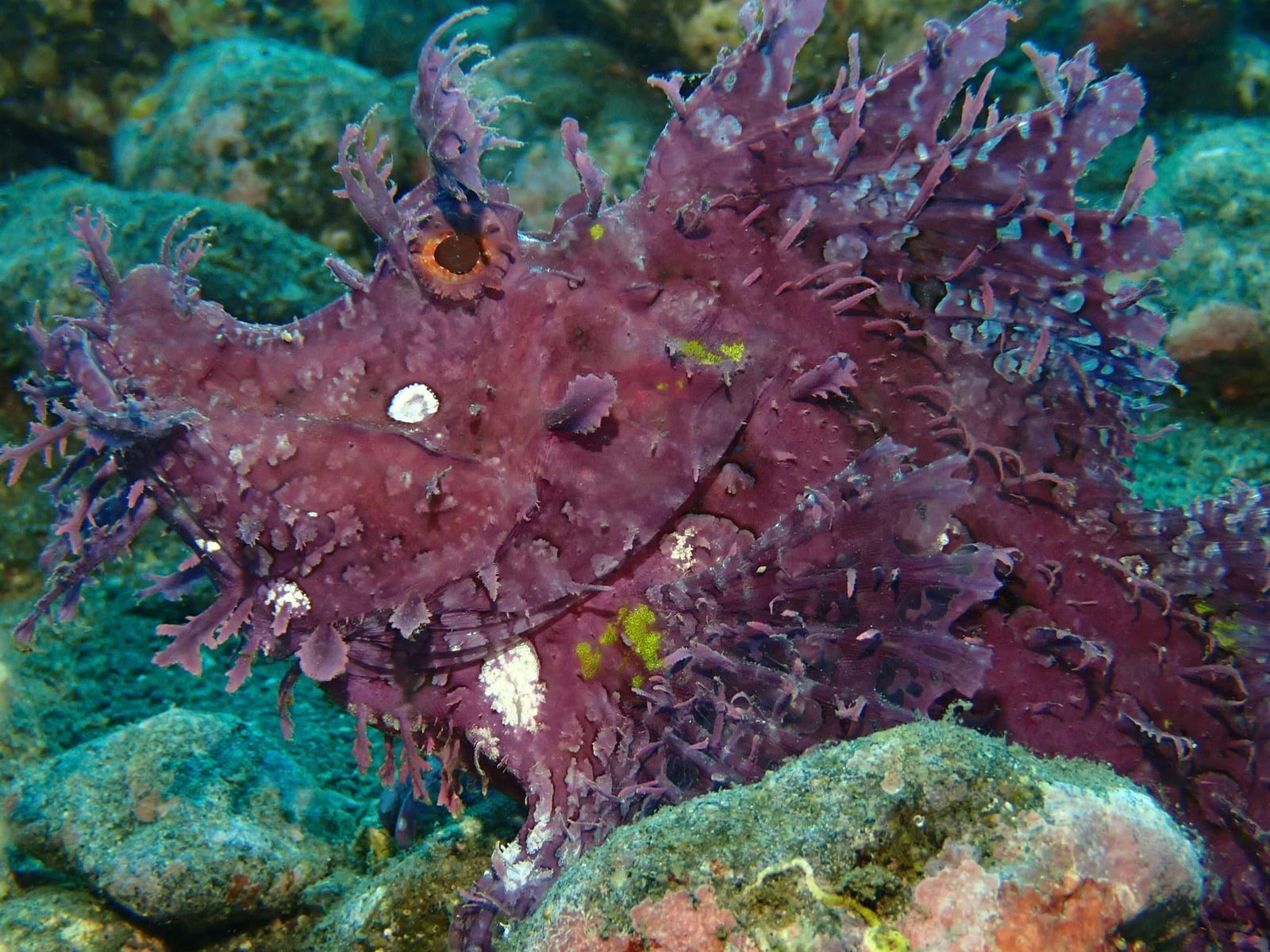
Purple rhinopias frondosa rare scorpionfish Alor Indonesia macro diving liveaboard underwater photography holy grail species - Picture by Tina Bogdanova
Cenderawasih Bay
Reisen laufen: hauptsächlich Juli–August Walhaie: ganzjährig vorhanden Wassertemperatur: 28–30°C
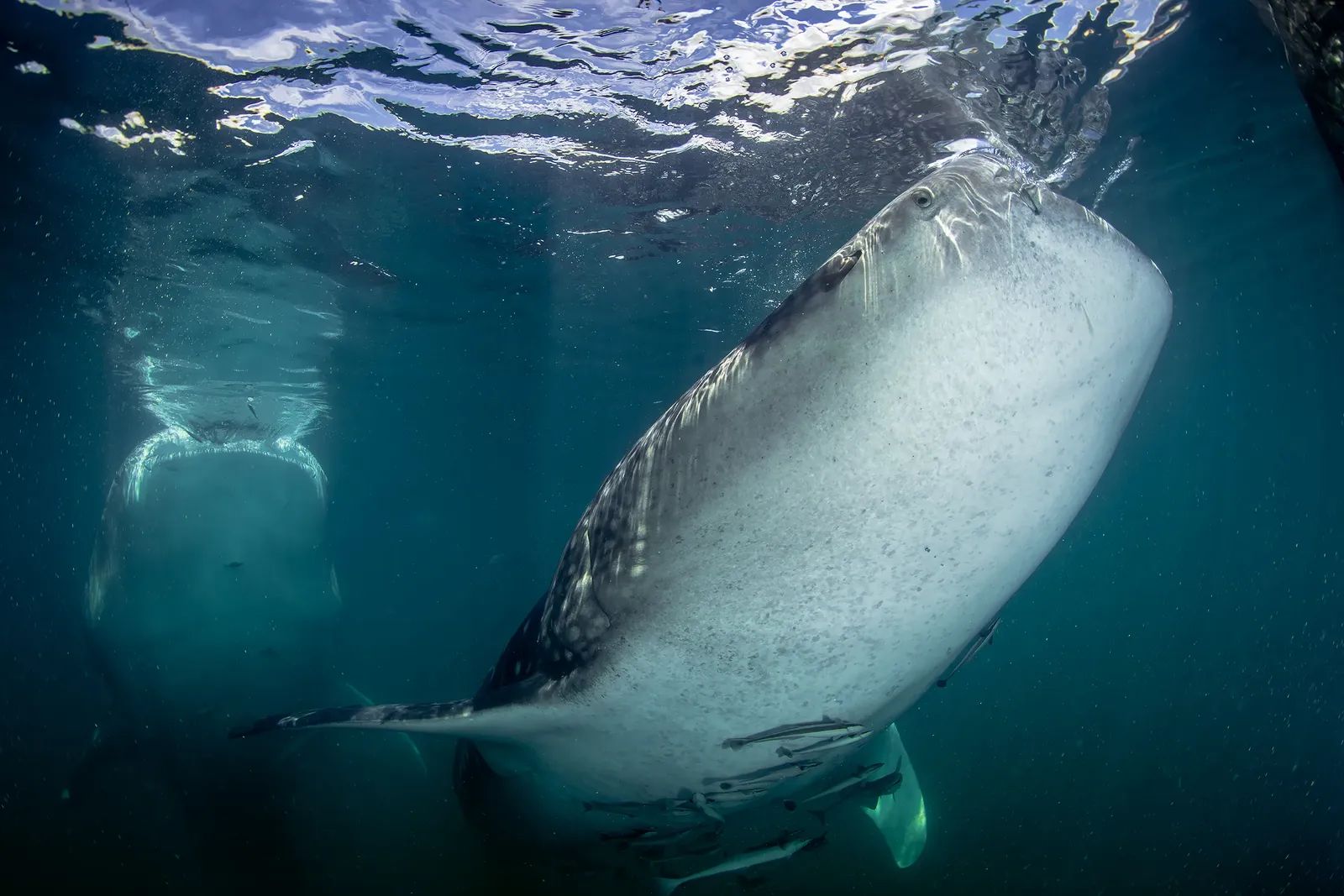
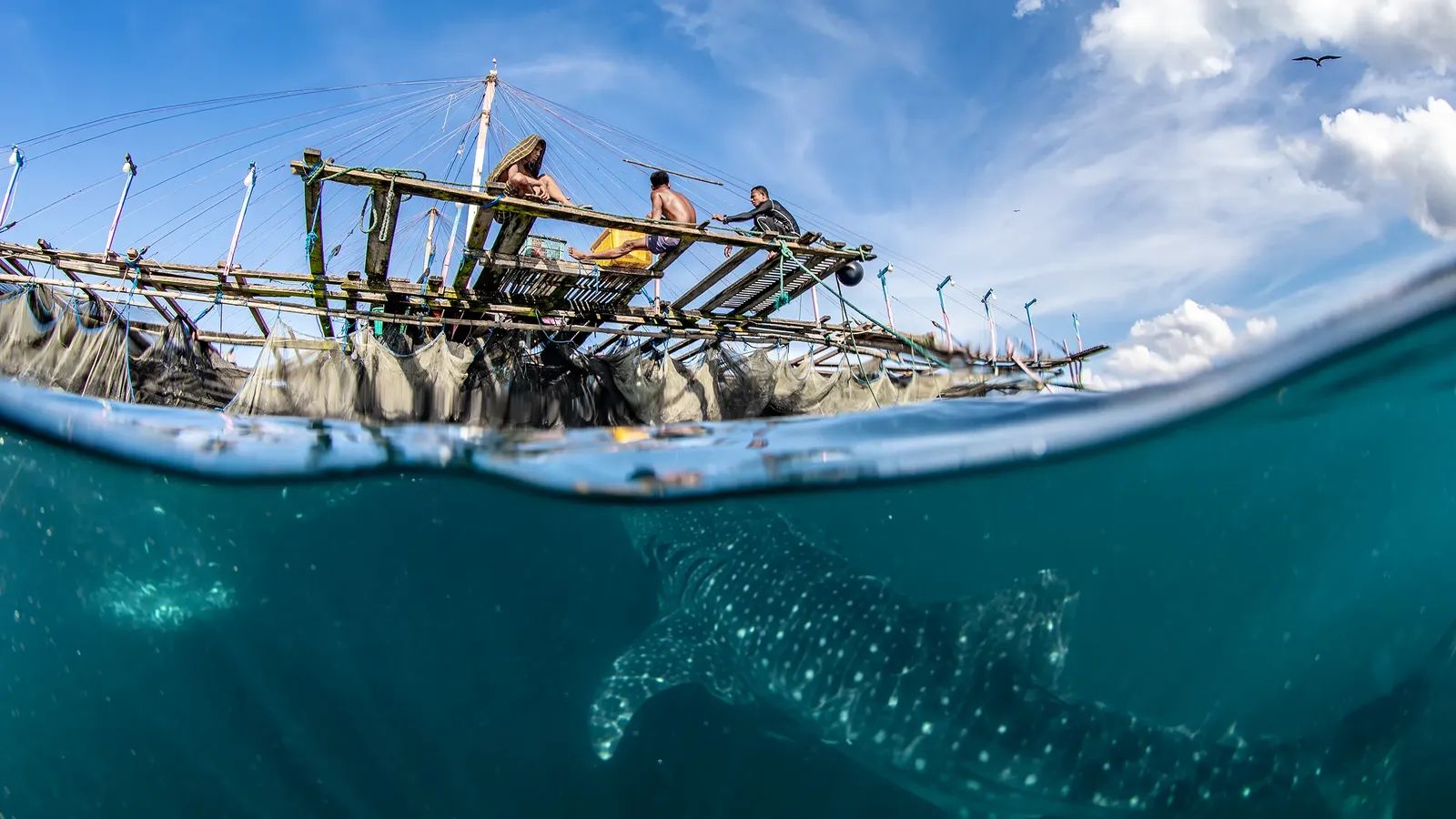
Die Cenderawasih Bay beherbergt rund 160 einzelne Walhaie – meist juvenile Männchen –, die ganzjährig mit Bagan-Fischereiplattformen assoziiert sind¹. Die Haie sind immer da. Die praktische Einschränkung ist die Terminplanung der Betreiber: Die meisten Tauchsafari-Abfahrten zur Cenderawasih Bay finden im Juli und August statt, was trotz der ganzjährigen Anwesenheit der Walhaie ein ziemlich konzentriertes Buchungsfenster darstellt.
Die geschützte Geografie der Bucht bietet natürlichen Schutz vor saisonalen Dünungen. Wenn Sie speziell die Cenderawasih Bay ansteuern, buchen Sie frühzeitig – begrenzte Abfahrten sind schnell ausgebucht.
Siehe unseren Cenderawasih Bay Reiseführer für vollständige Details oder die Cenderawasih Bay Zielseite für einen schnellen Überblick.
Whale shark surface feeding in Cenderawasih Bay, guaranteed encounter on West Papua liveaboard diving expeditions Indonesia
Triton Bay
Saison: nur Oktober–April Wassertemperatur: 27–29°C Keine Abfahrten: Mai–September
Triton Bay folgt einem südlichen Wettermuster trotz seiner Lage in Westpapua – optimale Bedingungen herrschen von Oktober bis April. Mai bis September sind die Bedingungen so, dass keine Tauchsafari-Operationen möglich sind; dies ist kein Reiseziel mit Nebensaison, es schließt einfach.
Die Route verläuft typischerweise von Sorong → Misool → Pisang-Inseln → Bomberai-Halbinsel → Triton Bay, was bedeutet, dass sie sich natürlich mit der Zeitplanung von Raja Ampat kombinieren lässt. Die Sichtweite in der Bucht selbst beträgt 10–15 m; äußere Riffe und die Stätten der Bomberai-Halbinsel erreichen 25 m+.
Siehe unseren Triton Bay Reiseführer für vollständige Details oder die Triton Bay Zielseite für eine schnelle Übersicht.
Whale shark feeding under traditional fishing platform bagan, unique encounter on Triton Bay liveaboard trips West Papua Indonesia
Halmahera
Hauptsaison: Oktober–April Einige Betreiber: Mai–Oktober (reduzierter Fahrplan) Wassertemperatur: 27–29°C
Halmaheras Hauptsaison überschneidet sich mit Raja Ampat – der Nordostmonsun bringt von Oktober bis April ruhigere Bedingungen. Einige Betreiber fahren auch in den Übergangsmonaten, insbesondere auf Routen nach Nord-Halmahera und Morotai, obwohl die Abfahrten außerhalb des Hauptfensters seltener sind.
Die Routen verlaufen von Sorong über Ternate, von Nord-Sulawesi (Bitung) nach Halmahera oder als spezielle Routen für Nord-Halmahera/Morotai. Viele Routen beinhalten einen Stopp in Tifore – auf halbem Weg zwischen Halmahera und Nord-Sulawesi – für Barrakudaschwärme und Falterfische in der Dämmerung.
Siehe unseren Halmahera Reiseführer für vollständige Details.
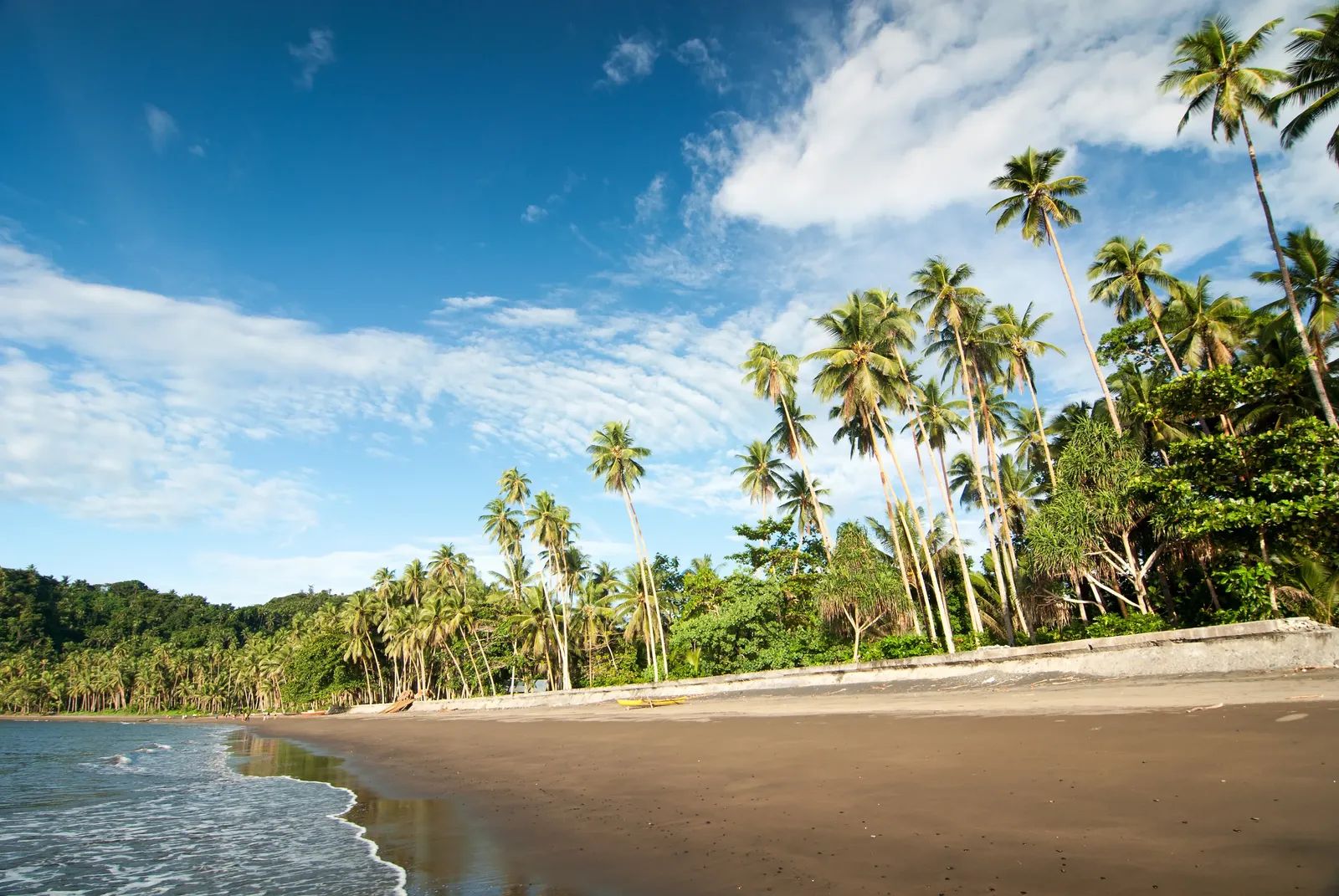
Untouched tropical beach with coconut palms along Halmahera coastline, representing the secluded paradise destinations accessible through Indonesian liveaboard expeditions - Picture by Jakare Liveaboard
Derawan-Inseln
Hauptsaison: April–Oktober Wassertemperatur: 27–29°C
Die Derawan-Inseln in Ost-Kalimantan (Borneo) folgen dem Klimamuster Ost-Borneos – April bis Oktober bietet die stabilsten Bedingungen und die beste Sicht. Walhai-Sichtungen in der Taliyasan Bay Bagans finden während dieser Zeit auf Liveaboard-Routen statt. Die Nistsaison von grünen Meeresschildkröten auf Sangalaki erreicht während der wärmeren Monate ihren Höhepunkt.
Derawan liegt nicht auf der Haupt-Liveaboard-Route; nur eine Handvoll Anbieter führen spezielle Touren durch, und diese sind schnell ausgebucht. Anbieter aus Nord-Sulawesi kreuzen gelegentlich nach Borneo als eigene spezielle Route.
Siehe unseren Derawan-Inseln Reiseführer für vollständige Details.
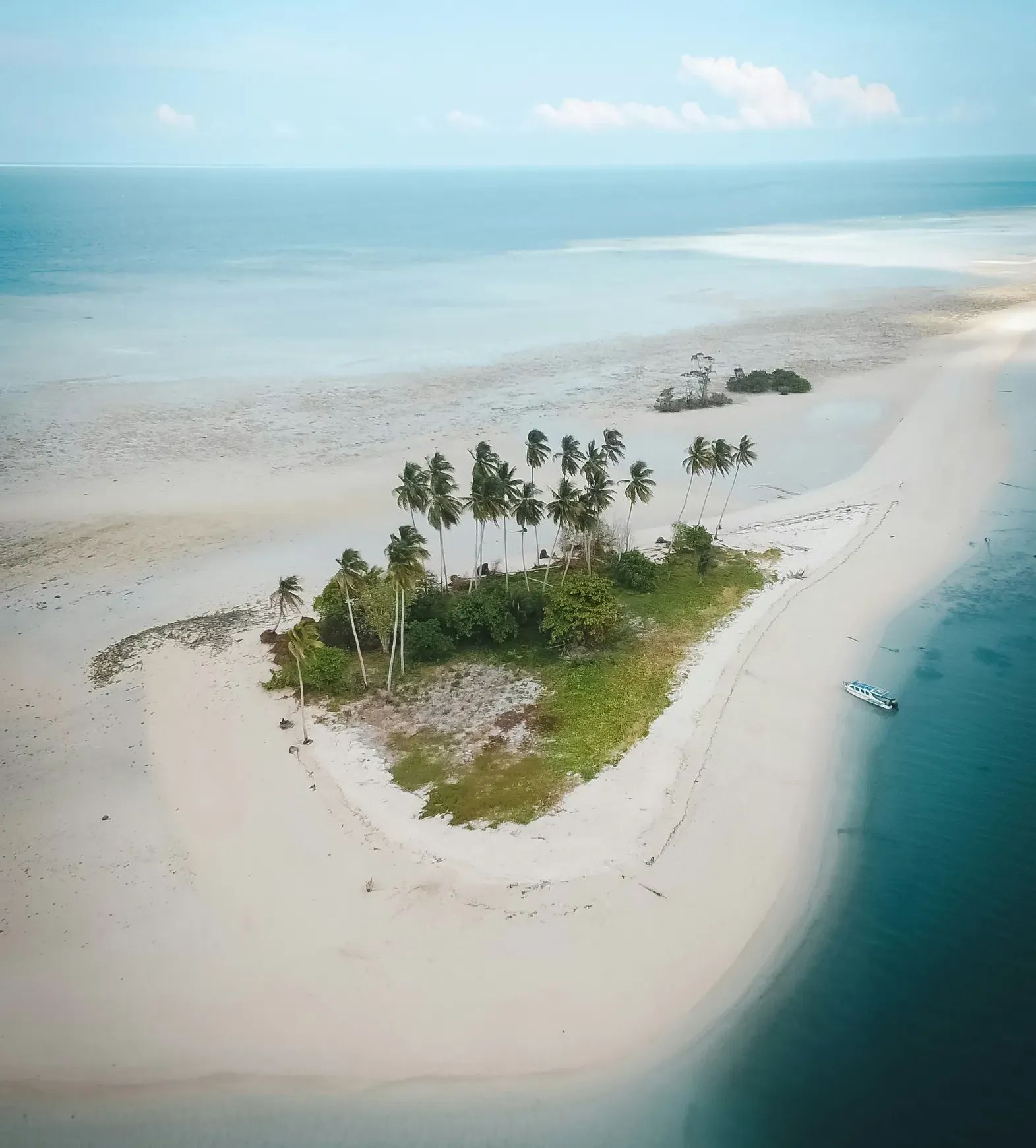
Aerial view of pristine Derawan Islands East Kalimantan Indonesia showing white sand beach tropical paradise with coconut palms and turquoise waters perfect for liveaboard diving trips
Bali
Haupttauchsaison: April–Oktober Mola-Mola-Saison: Juli–Oktober (Nusa Penida) Wassertemperatur: 20–28°C je nach Standort und Saison
Bali ist hauptsächlich ein Landtauchziel und ein Ausgangspunkt für Liveaboards, die nach Süden nach Komodo oder nach Osten in die Banda-See fahren. April bis Oktober bringt stabile Bedingungen, gute Sicht an den meisten Tauchplätzen und die kalten Auftriebsströmungen des Indischen Ozeans bei Nusa Penida, die Mola Molas zu den Putzerstationen bringen² – die Hauptsaison ist August und September.
Das Wrack der USAT Liberty in Tulamben⁹ ist das ganze Jahr über zugänglich, ebenso wie die meisten Tauchplätze an der Nord- und Ostküste Balis. Manta Point bei Nusa Penida kann während des südlichen Winters rau und kalt sein. Bali-Liveaboards starten vom Hafen Serangan oder Benoa und erreichen Sumbawa am Abend und Komodo nach ein paar Tagen.
Siehe unseren Bali Reiseführer für vollständige Details.
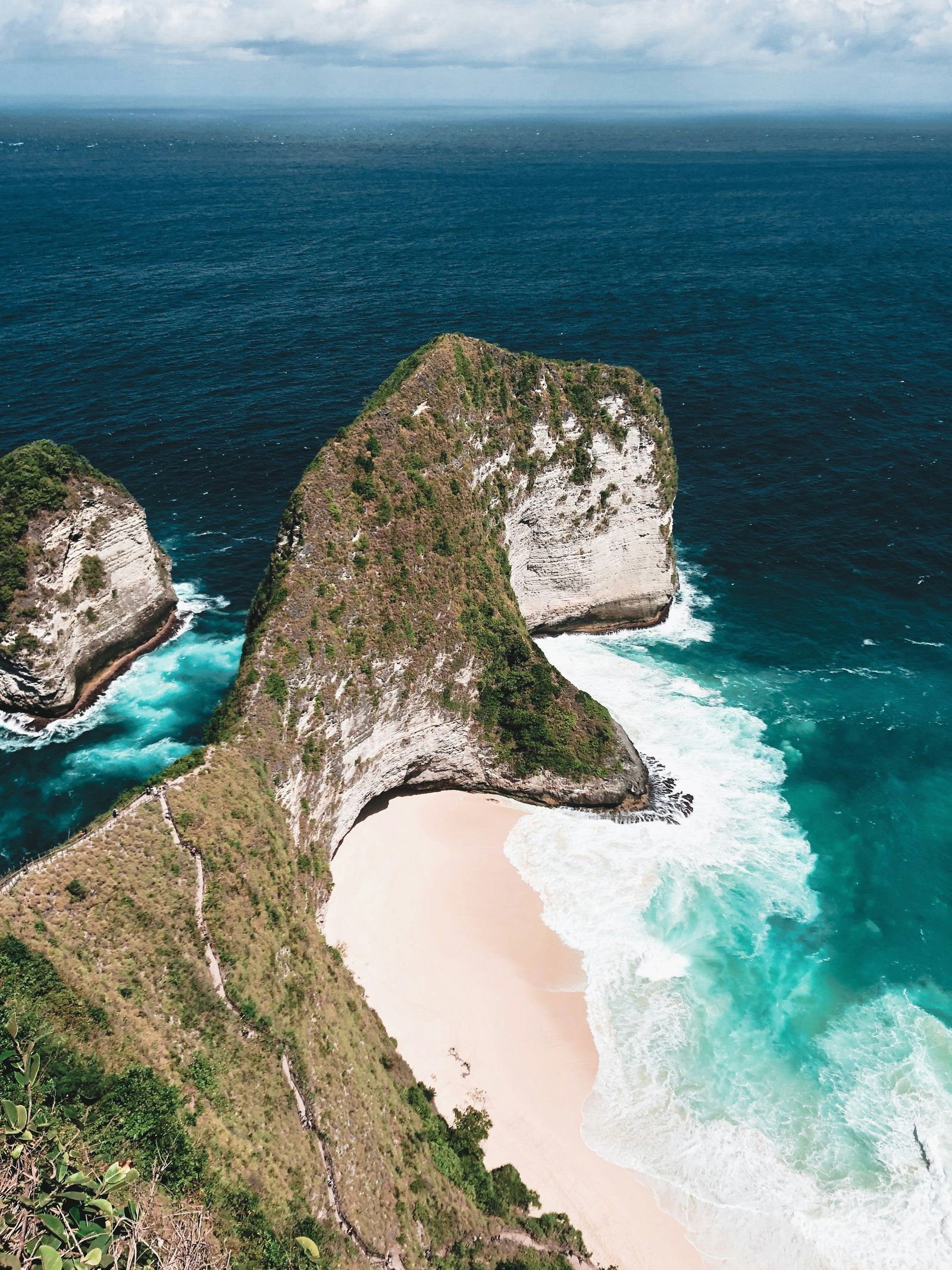
Kelingking Beach Nusa Penida Indonesia aerial view turquoise waters white sand cliffs T-Rex rock formation diving snorkeling manta rays ocean sunfish
Walhaie in der Saleh-Bucht
Saison: Mai–September Ort: Sumbawa, unterwegs zwischen Bali und Komodo
Die Saleh-Bucht an der Nordküste Sumbawas beherbergt saisonal Walhai-Ansammlungen rund um Bagan-Fischereiplattformen von Mai bis September. Dies fällt mit der Hochsaison für Komodo zusammen und macht sie zu einer natürlichen Ergänzung der Liveaboard-Routen von Bali nach Komodo. Begegnungen sind Bagan-assoziiert – dasselbe Muster wie in der Cenderawasih-Bucht – und am zuverlässigsten von Juni bis August.
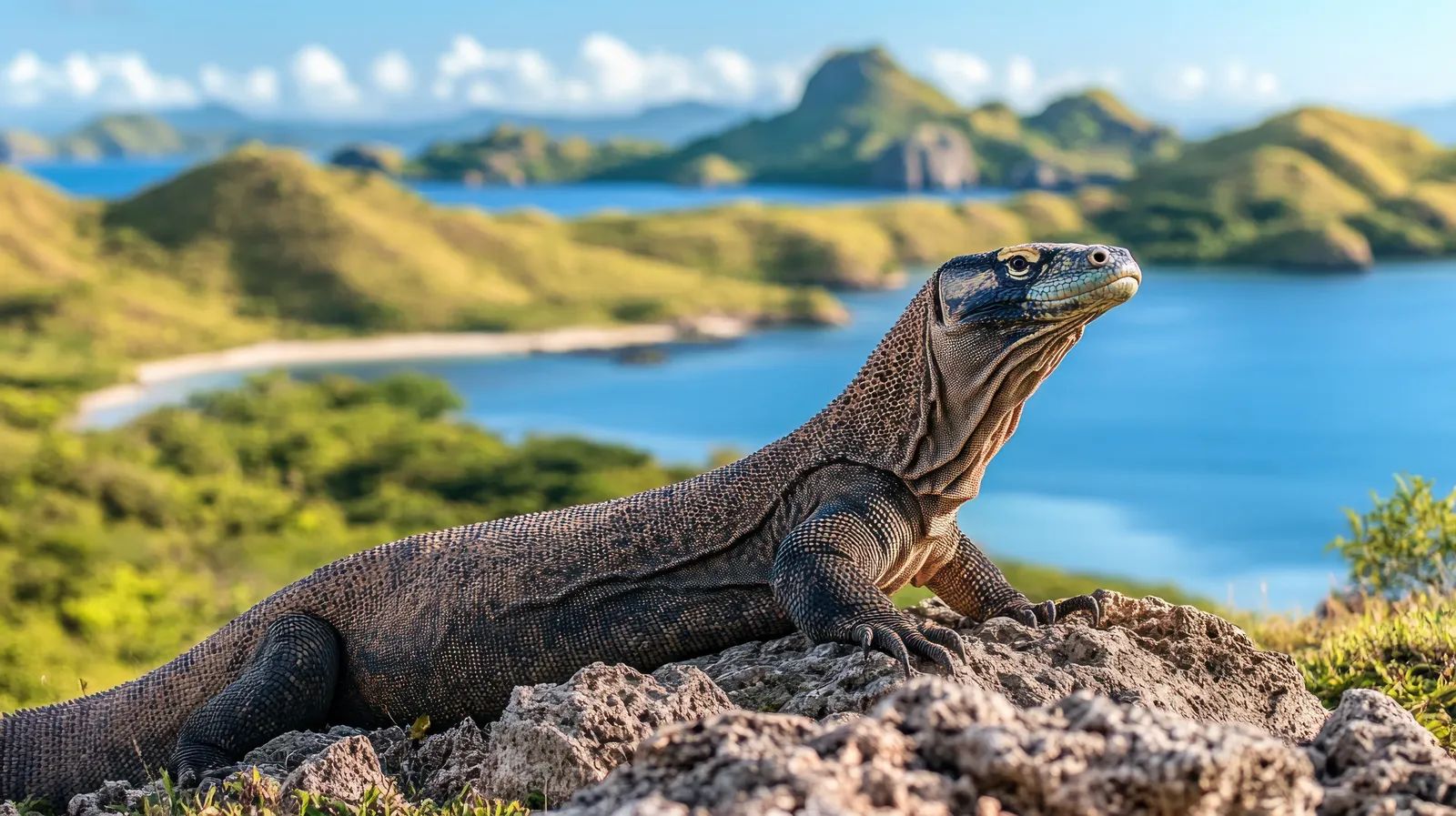
Komodo dragon in natural habitat at Komodo National Park, land excursion during liveaboard diving trip Indonesia
Planung Ihrer Reisezeit
Ein paar praktische Prinzipien für die Planung eines indonesischen Liveaboards:
Beginnen Sie mit Ihrem bevorzugten Reiseziel. Wenn Raja Ampat das Hauptziel ist, reisen Sie von Oktober bis April. Wenn Komodo im Fokus steht, von April bis November. Machen Sie keine Kompromisse bei dem Reiseziel, das Ihnen am wichtigsten ist, um ein anderes saisonales Fenster zu nutzen.
Die Übergangsmonate werden oft unterschätzt. April und Oktober – die Übergangsmonate – bieten häufig exzellente Tauchbedingungen mit weniger Booten und niedrigeren Preisen. Der Nachteil sind etwas unvorhersehbarere tägliche Bedingungen, mit denen erfahrene Betreiber gut umgehen können.
Kombinieren Sie Reiseziele mit kompatiblen Saisons. Raja Ampat und Triton Bay haben beide ihre Hochsaison von Oktober bis April und passen gut zusammen. Komodo und Alor sind von März bis Oktober geöffnet. Hammerhaie im Banda-Meer von Oktober bis November lassen sich gut mit Raja Ampat auf beiden Seiten kombinieren.
Buchen Sie frühzeitig für die Hauptsaison. Sechs bis zwölf Monate im Voraus für Raja Ampat und Komodo während der Hauptmonate. Abgelegene Ziele wie die Cenderawasih-Bucht, Halmahera und die Derawan-Inseln haben begrenzte Abfahrten und sind schneller ausgebucht, als ihr Profil vermuten lässt.
Wenn Ihre Daten feststehen, arbeiten Sie rückwärts. Sagen Sie uns, wann Sie reisen können, und wir identifizieren, was gut taucht und bringen Sie mit verfügbaren Booten zusammen. Sehen Sie sich unseren Leitfaden für Liveaboard-Kategorien in Indonesien für eine vollständige Aufschlüsselung der Schiffstypen und Preispunkte an.
Couple relaxing on pristine white sand beach surrounded by leaning coconut palms and crystal-clear turquoise waters in Raja Ampat - Picture by Calico Jack Cruises
Erwartungen managen
Saisonale Muster sind zuverlässige Wegweiser, keine Garantien. Selbst während der Hauptsaison treten gelegentlich raue Tage, Regenschauer und Sichtschwankungen auf. Die Betreiber gehen damit gut um – der Unterschied ist selten so dramatisch, wie es klingt.
Strömungen in Indonesien werden ebenso von Gezeitenmustern und ozeanografischen Bedingungen wie von der Jahreszeit bestimmt. Ein Tauchplatz, der an einem Tag einfach ist, kann am nächsten anspruchsvoll sein, unabhängig vom Monat. Vertrauen Sie der Standortwahl Ihres Betreibers.
Wettervorhersagen in Indonesien sind 5–7 Tage im Voraus zuverlässig. Langfristige saisonale Muster sind gut etabliert. Buchen Sie basierend auf saisonalen Mustern und lassen Sie die Betreiber die kurzfristigen Schwankungen steuern – sie tun das seit Jahren.
Schließlich: Einige der besten Tauchbedingungen Indonesiens für bestimmte Arten treten außerhalb der offensichtlichen Hauptsaison auf. Manta-Fressversammlungen in Raja Ampat werden durch Planktonblüten angetrieben, die nicht immer sauber mit dem Kalender der Trockenzeit übereinstimmen. Walhaie in der Cenderawasih-Bucht sind das ganze Jahr über anzutreffen. Tauchen außerhalb der Saison in Indonesien ist selten so schlecht, wie es der Name vermuten lässt.
Woman on paddleboard surrounded by towering limestone karst islands in calm turquoise waters of Raja Ampat archipelago - Picture by Calico Jack Cruises
Häufig gestellte Fragen
Gibt es einen Monat, in dem ich niemals in Indonesien tauchen sollte?
Nicht wirklich. Die Banda-See von Dezember bis März ist das, was einer echten Schonzeit am nächsten kommt, und selbst dann ist es eher ein logistisches Problem als ein pauschales Verbot. Jedes andere Reiseziel hat das ganze Jahr über einige tauchbare Zeitfenster. Die Frage ist immer, welches Reiseziel, nicht ob Indonesien tauchbar ist.
Beeinflusst Regen die Sicht unter Wasser?
Weniger als die meisten Leute erwarten. Die Sicht wird hauptsächlich durch Strömungen, Planktonzyklen und Flussabflüsse bestimmt. Ein regnerischer Tag an der Oberfläche wirkt sich selten auf die Bedingungen in der Tiefe aus. Standorte in der Nähe von Flussmündungen oder in flachen Buchten können nach starkem Regen eine reduzierte Sicht aufweisen, aber Freiwasser- und Riffstandorte sind im Allgemeinen unbeeinflusst.
Wann ist die beste Zeit für Begegnungen mit großen Tieren?
Das hängt von der Art ab. Walhaie in der Cenderawasih-Bucht: das ganze Jahr über. Mola mola bei Nusa Penida: Juli-Oktober. Hammerhaie in der Banda-See: Oktober-November Spitzenzeit. Mantas in Komodo: das ganze Jahr über. Raja Ampat Mantas: Oktober-April am zuverlässigsten. Sehen Sie sich unsere einzelnen Tierführer für artspezifische Zeitangaben an.
Wie wirkt sich El Niño auf die Tauchbedingungen in Indonesien aus?
El-Niño-Jahre können in ganz Indonesien zu wärmeren Wassertemperaturen, reduzierter Auftriebsströmung und veränderten Planktonmustern führen. Dies kann die Begegnungsraten für Arten wie Mola mola beeinflussen, die von kalten Auftriebsströmungen abhängig sind. Die allgemeine Tauchqualität bleibt hoch, aber spezifische Begegnungen können während starker El-Niño-Ereignisse weniger vorhersehbar sein.
Sollte ich eine wetterbedingte Reiseversicherung abschließen?
Ja. Eine umfassende Reiseversicherung, die Reiseverzögerungen, -stornierungen und -unterbrechungen abdeckt, wird für jede Indonesienreise unabhängig von der Jahreszeit empfohlen. Unterbrechungen von Inlandsflügen sind das häufigere praktische Risiko – siehe unseren Leitfaden für Verlängerungen von Liveaboard-Touren in Indonesien für die Abwicklung von Fluglogistik über VIFA Holiday.
Welche Wassertemperaturbereiche sollte ich einplanen?
Die meisten Gebiete Indonesiens haben Temperaturen von 27–30°C. Komodo und Nusa Penida sind Ausnahmen – Kaltwasserauftrieb kann die Temperaturen an bestimmten Tauchplätzen zu bestimmten Jahreszeiten auf 20–24°C senken, weshalb ein 5-mm-Neoprenanzug die richtige Wahl ist. Sehen Sie sich unseren Packführer für die vollständige regionale Aufschlüsselung der Neoprenanzüge an.
Kann ich verschiedene saisonale Reiseziele in einer Reise kombinieren?
Ja, und das ist eine der Stärken Indonesiens. Oktober–November ermöglicht es Ihnen, Raja Ampat (frühe Trockenzeit) mit Hammerhaien im Banda-Meer zu kombinieren, bevor die Bedingungen schließen. April kombiniert Komodo (Beginn der Hochsaison) mit Raja Ampat (späte Saison). Sprechen Sie mit uns darüber, was Sie sehen möchten, und wir können eine Reiseroute mit mehreren Zielen rund um kompatible saisonale Fenster strukturieren.
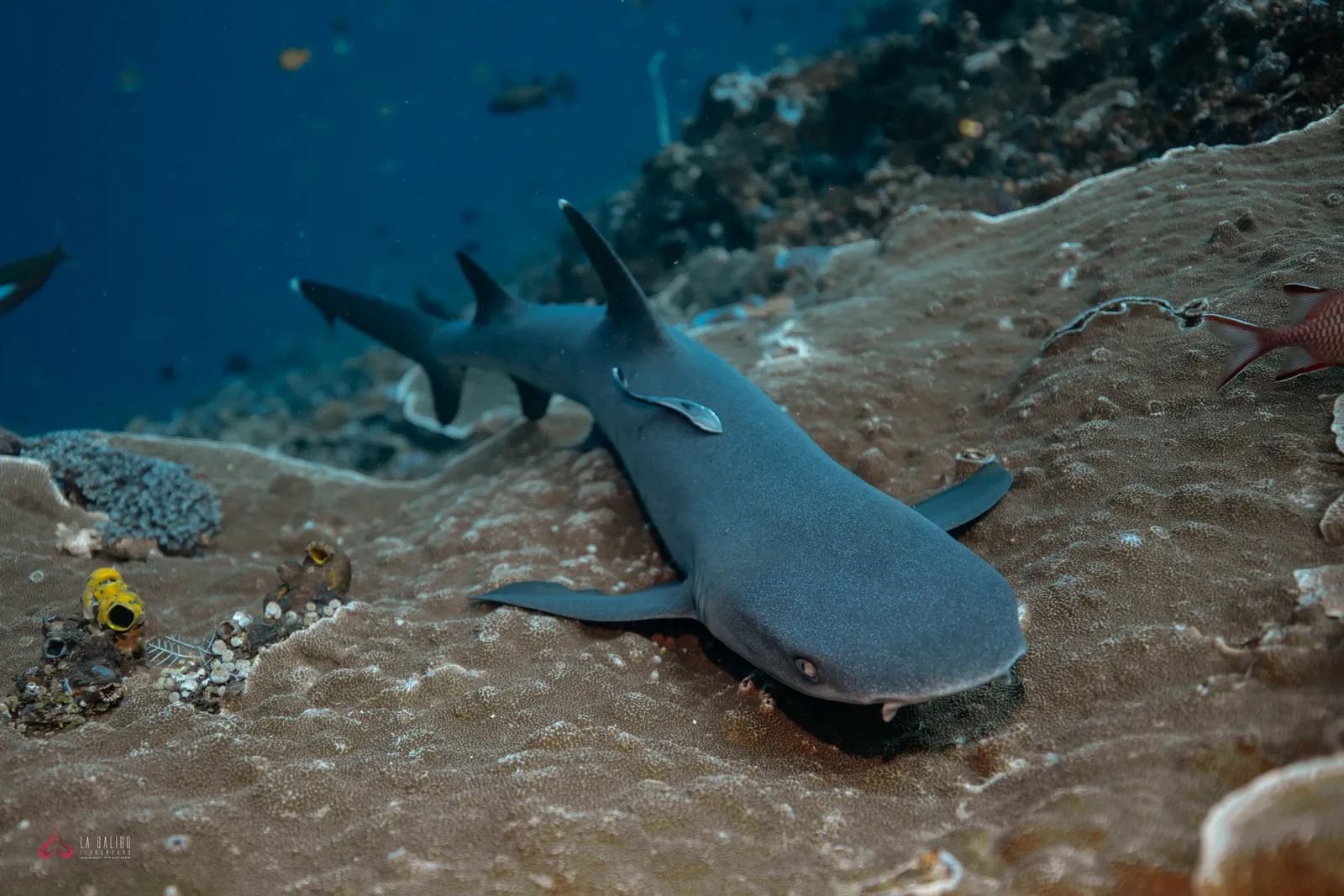
White tip reef shark resting on coral reef during Indonesia liveaboard diving expedition - Picture by La Galigo Liveaboard
Planen Sie Ihre Reisezeit
Wir sind in Indonesien ansässig und kennen die saisonalen Muster gut. Wenn Sie versuchen, die beste Reisezeit für Ihre Reise herauszufinden, ist WhatsApp der schnellste Weg, eine direkte Antwort zu erhalten. Jede Buchung beinhaltet die Option einer kostenlosen Hotelnacht. Sie können uns auch über unser Kontaktformular erreichen oder mehr darüber erfahren, wie wir arbeiten.