Sie haben sich bereits für den Langstreckenflug entschieden. Hier erfahren Sie, wie Sie das Beste daraus machen.
Indonesien belohnt Zeit. Eine Liveaboard-Reise deckt das Tauchen ab, aber der Archipel hat noch viel mehr zu bieten – und die Logistik der Anreise spricht dafür, länger zu bleiben. Dieser Leitfaden behandelt die nützlichsten Erweiterungen vor und nach der Reise: Was ist möglich, was passt gut zu welchen Zielen und wie können wir bei der Koordination helfen. Für das vollständige Bild zur Planung Ihres Liveaboards beginnen Sie mit unserem vollständigen Leitfaden für Liveaboards in Indonesien.
Erweiterungen bedeuten nicht nur zusätzliche Tage. Ein paar Nächte auf Bali vor einer Raja-Ampat-Überfahrt geben Ihnen Pufferzeit, falls Flüge Verspätung haben, und lassen Sie sich an die Zeitzone gewöhnen, bevor Sie an Bord gehen. Eine Woche auf Flores nach Komodo macht aus einer Tauchreise etwas Größeres. Der Wert des Langstreckenflugs verteilt sich auf mehr Tage, und die Reise wird zu mehr als nur einer Sache.
Schnelle Fakten
- Beste Jahreszeit: ganzjährig – die Wahl der Reisezeit für Erweiterungen hängt von Ihrem Liveaboard-Ziel ab
- Erfahrungsstufe: Erweiterungen stehen jedem offen; Taucherweiterungen folgen den Zertifizierungsanforderungen des Liveaboards
- Reiselänge: 3–7 Tage typisch für die meisten Erweiterungen; kulturelle oder mehrtägige Reisen können länger dauern
- Wer kann teilnehmen: Erweiterungen eignen sich für Taucher und Nicht-Taucher gleichermaßen; gute Option für gemischte Gruppen
- Kostenbereich: variiert je nach Art und Standard der Erweiterung – gehobene Unterkünfte und geführte Erlebnisse durchgehend
- Ankunftsflughäfen: Bali (DPS) als Hauptdrehkreuz; Labuan Bajo (LBJ), Sorong (SOQ), Ambon (AMQ) für regionale Erweiterungen
- Buchungsfrist: buchen Sie zusammen mit Ihrem Liveaboard für die beste Verfügbarkeit – 6–12 Monate im Voraus für die Hauptsaison
Schnelle Antworten
Lohnt es sich, meine Liveaboard-Reise in Indonesien zu verlängern?
Ja, obwohl es davon abhängt, wie viel Zeit Sie haben und was Sie von der Reise erwarten. Indonesien ist von den meisten Herkunftsländern weit entfernt – eine Verlängerung um nur drei bis fünf Tage verbessert die Rendite Ihrer Flüge erheblich. Wenn Sie mit einem Nicht-Taucher reisen, gleichen Erweiterungen die Reise aus: mehr Abwechslung, mehr Zeit an Land und ein insgesamt weniger tauchintensiver Zeitplan.
Welche Erweiterungen passen am besten zu Raja Ampat?
Die meisten Raja-Ampat-Liveaboards starten und enden in Sorong, das als eigenständiges Reiseziel nicht viel zu bieten hat. Die natürliche Erweiterung ist Bali – entweder als Puffer vor der Überfahrt oder als Ausklang nach der Reise. Flüge zwischen Bali und Sorong gehen oft über Jakarta oder Makassar; die Route über Makassar macht Toraja in Süd-Sulawesi zu einer natürlichen Ergänzung. Eine Nacht in Sorong ist aufgrund der Flugzeiten normalerweise ohnehin notwendig – wir bieten eine kostenlose Nacht im Swiss-Belhotel Sorong als Buchungsgeschenk für Coralbound-Kunden an.
Welche Erweiterungen funktionieren am besten mit Komodo?
Komodo Liveaboards enden in Labuan Bajo oder Bali, was beides natürliche Ausgangspunkte für Erweiterungen sind. Labuan Bajo ist eine gute Basis für die Erkundung von Flores – die farbigen Seen von Kelimutu, traditionelle Ngada-Dörfer, Überlandreisen durch das Hochland. Bali ist die einfachere Option für die meisten Reisenden: gute Verbindungen, etablierte Infrastruktur und eine Reihe von Tauch-, Kultur- und Entspannungsoptionen.
Kann Coralbound Erweiterungen über das Tauchen hinaus organisieren?
Ja. Wir koordinieren Unterkunft vor und nach der Reise, Inlandsflüge, Kulturtouren und andere Aktivitäten über unsere lokalen Partner. Speziell für Bali arbeiten wir mit inVINCible Tours für die individuelle Reiseplanung – Flughafentransfers, Hotels und Villen, Fahrer und Aktivitäten. Für Inlandsflüge und Logistik über alle Ziele hinweg arbeiten wir mit VIFA Holiday, dem führenden DMC für Indonesiens Tauchindustrie.
Benötige ich eine Visumverlängerung für eine längere Reise?
Indonesiens Visum bei Ankunft deckt 30 Tage ab und kann bei den Einwanderungsbehörden einmalig um weitere 30 Tage verlängert werden. Die meisten Kombinationen aus Liveaboard und Verlängerung passen in das ursprüngliche 30-Tage-Fenster. Wenn Ihre Gesamtreise länger dauert, planen Sie die Verlängerung im Voraus – wir können dies während des Buchungsvorgangs vermerken. Die aktuellsten Visabestimmungen finden Sie im offiziellen indonesischen E-Visa-Portal.
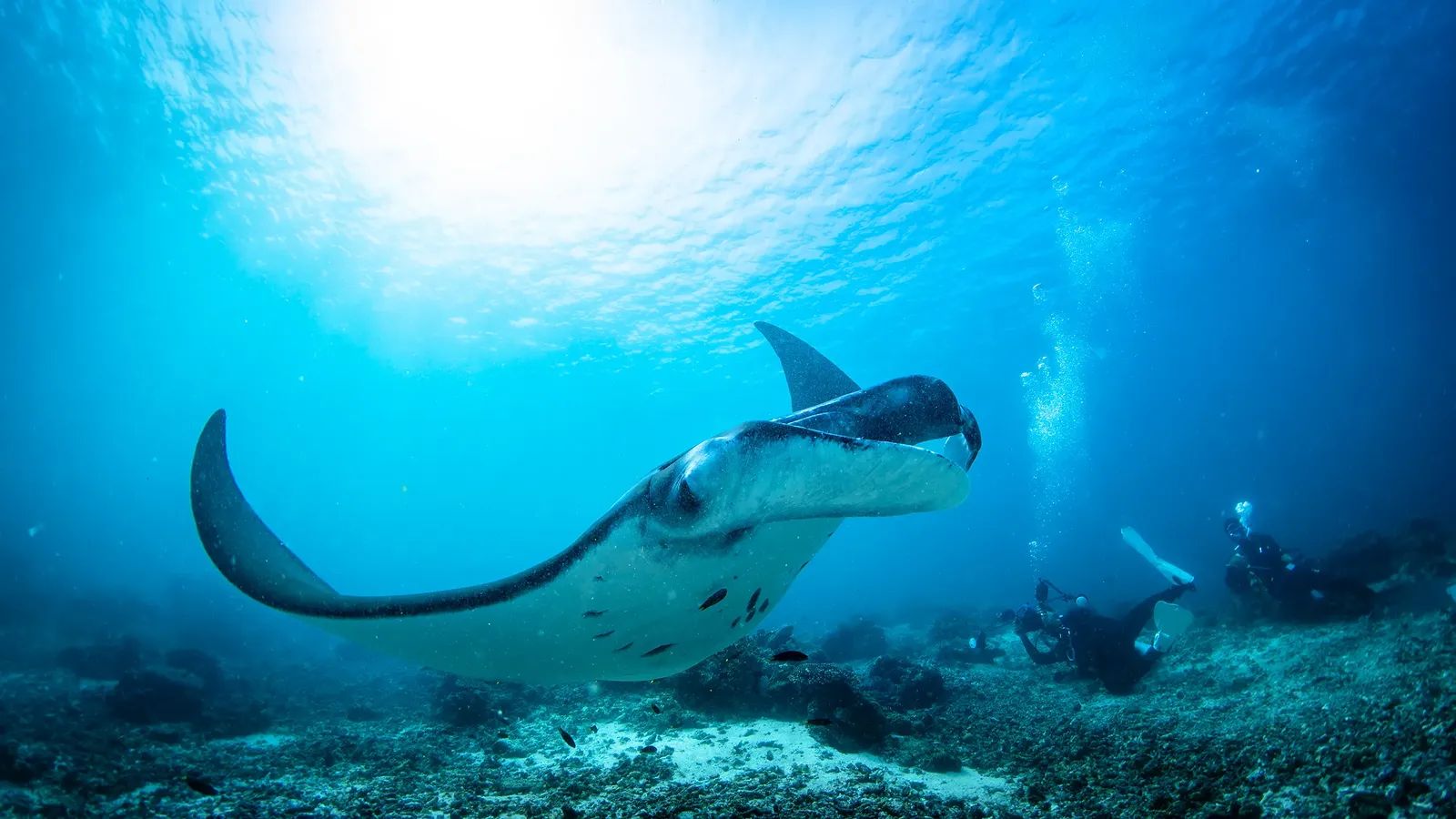
Manta ray diving Komodo National Park Indonesia liveaboard expedition underwater photography - Picture by Neptune Liveaboards
Erweiterungen vor der Reise
Ein paar Tage vor Ihrem Liveaboard dienen zwei Zwecken: Sie puffern gegen Flugverspätungen, die dazu führen könnten, dass Sie die Einschiffung verpassen, und sie erleichtern Ihnen den Einstieg in die Reise. Indonesiens Inlandsverbindungen können unzuverlässig sein – VIFA Holiday überwacht Flüge und kann bei Störungen umbuchen, aber ein oder zwei Nächte vor dem Einsteigen nehmen den Stress vollständig weg.
Bali vor der Reise
Bali ist der häufigste Zwischenstopp für Taucher, die nach Komodo, Raja Ampat oder die Banda-See reisen. Es ist Indonesiens wichtigster internationaler Knotenpunkt, bietet gute Unterkünfte auf jeder Ebene und ermöglicht eigene Tauchgänge für diejenigen, die vor dem Liveaboard ins Wasser wollen. Nusa Penida ist eine kurze Bootsfahrt von Sanur entfernt und bietet saisonal (Juli-Oktober) Begegnungen mit Mola Mola und ganzjährig Tauchgänge mit Mantas. Tulamben hat das Wrack der USAT Liberty, eines der am leichtesten zugänglichen und fotogensten Tauchplätze Indonesiens.
Für Taucher, die eine Weile nicht im Wasser waren, ist Bali ein guter Ort für einen Auffrischungstauchgang, bevor sie sich auf ein zehntägiges Liveaboard einlassen – siehe unseren Anfängerleitfaden für weitere Informationen zur Vorbereitung.
Wir empfehlen, Südbali für Aufenthalte vor der Reise zu meiden – der Verkehr ist dicht, die Straßen sind eng und die Energie passt nicht zum Beginn einer langen Tauchreise. Ostbali passt besser: ruhiger, langsameres Tempo, viel weniger Touristen und gute Tauchmöglichkeiten vor der Haustür. Sidemen statt Zentral-Ubud als kulturelle Basis – weniger entwickelt, authentischer und deutlich entspannter. Wenn Sie außerhalb des Hauptstreifens von Ubud übernachten, ist es eine ganz andere Erfahrung.
inVINCible Tours kümmert sich um die Logistik auf Bali: Flughafentransfers, Hotel- und Villenbuchungen, Fahrer und Tagesaktivitäten. Wir können eine Bali-Vorbereitungsreise für Ihre Gruppe zusammenstellen.
Sorong Vorbereitung
Für Raja Ampat Liveaboards starten die meisten Routen in Sorong. Flüge von Bali gehen über Jakarta oder Makassar – eine Anreise einen Tag früher ist sinnvoll. Wir bieten eine kostenlose Nacht im Swiss-Belhotel Sorong als Buchungsgeschenk für Coralbound-Kunden an.
Labuan Bajo Vorbereitung
Labuan Bajo hat gute Restaurants und Unterkünfte, und die umliegende Küste und das Hochland von Flores bieten mehr, als die meisten Besucher realisieren – mehrtägige Überlandtouren ins Landesinnere, Aufenthalte in traditionellen Dörfern und langsamere Erkundungen West-Flores', die weit über den Tagesausflug-Kreislauf des Komodo-Nationalparks hinausgehen.
Erweiterungen nach der Reise
Die meisten Taucher möchten nach dem Ende ihrer Liveaboard-Reise mehr Zeit in Indonesien verbringen, nicht weniger. Die Verlängerung nach der Reise ist, wo die Reise neuen Schwung bekommt.
Bali Post-Trip
Bali eignet sich gut als Zwischenstopp nach fast jedem Reiseziel. Nach einem intensiven Liveaboard passen ein paar Tage mit gutem Essen, Spa-Zeit und entspannteren Tauchgängen den meisten Reisenden. Sehen Sie unseren Bali-Reiseführer für ein vollständiges Bild von Tauch- und Kulturmöglichkeiten.
Ost-Bali empfehlen wir gegenüber dem Süden: ruhigere Straßen, besseres Tauchen und ein Tempo, das zum Übergang zurück an Land passt. Amed und Tulamben für Taucher; Sidemen oder die ruhigeren Randgebiete von Ubud für kulturelle Interessen – die Subak-Reisterrassenlandschaft hier ist Teil der UNESCO-Welterbestätte von 2012¹, und die Gegend hat einen Bruchteil des Verkehrs, dem Sie im Zentrum von Ubud begegnen würden. Bleiben Sie außerhalb des Hauptstreifens von Ubud und es ist eine ganz andere Erfahrung.
Die Straßen Balis sind ein wichtiger Faktor. Süd-Bali und das Zentrum von Ubud sind belebt und Entfernungen, die auf einer Karte überschaubar aussehen, sind es oft nicht. Planen Sie die Unterkunft um das, was Sie tun möchten, herum, anstatt zu versuchen, die ganze Insel zu bereisen.
inVINCible Tours kann ein Bali-Programm nach Ihrer Reise zusammenstellen, das auf Ihre Interessen und Ihr Tempo zugeschnitten ist.
Flores und Ost-Indonesien
Flores wird im Verhältnis zu seinem Angebot wenig besucht. Nach einem Komodo-Liveaboard macht es Sinn, die Insel weiter zu erkunden. Kelimutus drei Vulkanseen – jeder in einer anderen Farbe – sind eine der ungewöhnlichsten Naturattraktionen Indonesiens. Traditionelle Ngada-Dörfer im Hochland bewahren Zeremonialarchitektur und Webtraditionen, die weitgehend unbeeinflusst von äußeren Einflüssen geblieben sind. Das Tempo der Insel ist langsam, die Straßen sind landschaftlich reizvoll und es liegt weit abseits der Haupttouristenpfade.
Sulawesi
Sulawesi passt gut zu Routen durch die Banda-See – viele Routen führen durch oder in die Nähe von Makassar, was es zu einem natürlichen Erweiterungspunkt macht. Toraja im Hochland ist eines der markantesten kulturellen Reiseziele Indonesiens: aufwendige Beerdigungszeremonien, unverwechselbare bootförmige Häuser und eine Landschaft aus Reisterrassen und Kalksteingipfeln. Die Togian-Inseln in Zentral-Sulawesi bieten einen völlig anderen Charakter – abgelegen, unaufgeregt, mit gutem Tauchen an gesunden Riffen und dem ungewöhnlichen Banggai-Kardinalfisch, der nur in diesen Gewässern vorkommt⁸.
Für Taucher, die mehr Zeit unter Wasser verbringen möchten, ist Nordsulawesi ausgezeichnet. Der Bunaken-Nationalpark – 1991 als einer der ersten Meeresnationalparks Indonesiens gegründet² – bietet Steilwandtauchen mit außergewöhnlicher mariner Biodiversität, konstant guter Sicht und einer gut etablierten Tauchinfrastruktur rund um Manado. Die nahegelegene Straße von Lembeh ist ein weltweiter Maßstab für Muck Diving und Begegnungen mit Crittern.
Yogyakarta und Java
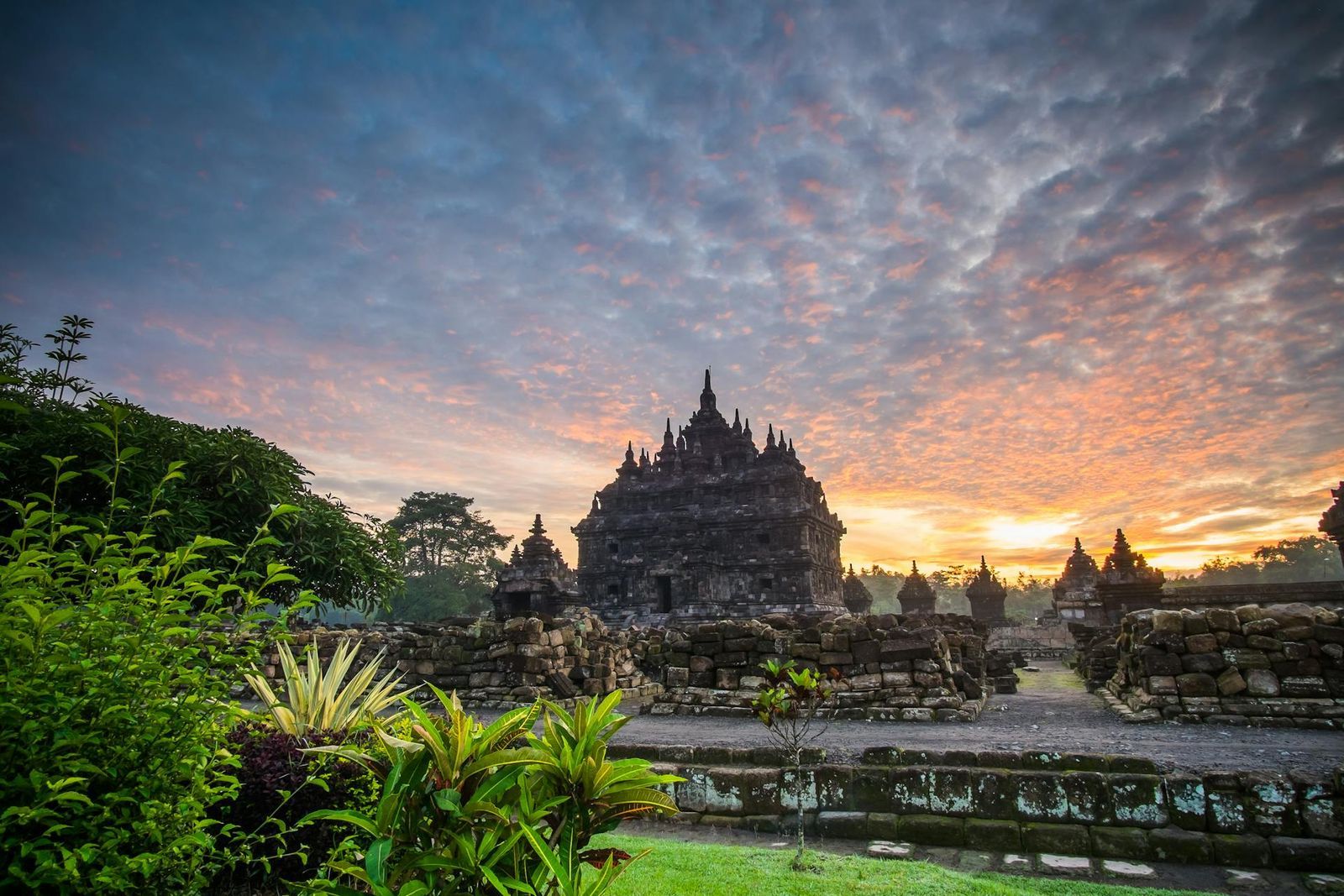
Yogyakarta ist eine gute Ergänzung für fast jede Reiseroute – es ist leicht mit Bali und Jakarta verbunden, und die Konzentration kultureller Bedeutung auf kleinem Raum ist anderswo in Indonesien kaum zu übertreffen. Borobudur, der buddhistische Tempelkomplex aus dem 9. Jahrhundert, ist UNESCO-Weltkulturerbe³ und eines der größten buddhistischen Monumente der Welt. Prambanan, das hinduistische Gegenstück etwas außerhalb der Stadt, fügt weitere Tiefe hinzu⁹. Die Stadt selbst hat aktive Handwerks- und Batiktraditionen, gutes Essen und einen ausgeprägten Charakter im Vergleich zur touristisch gesättigteren Kultur Balis.
Der Vulkan Bromo und Ijen in Ostjava eignen sich für Reisende mit mehr Zeit und Abenteuerlust – die vulkanische Kraterlandschaft des Bromo bei Sonnenaufgang ist einer der ikonischen Ausblicke Indonesiens; das blaue Schwefelfeuer-Phänomen des Ijen ist den frühen Start wert.
Borneo Wildlife
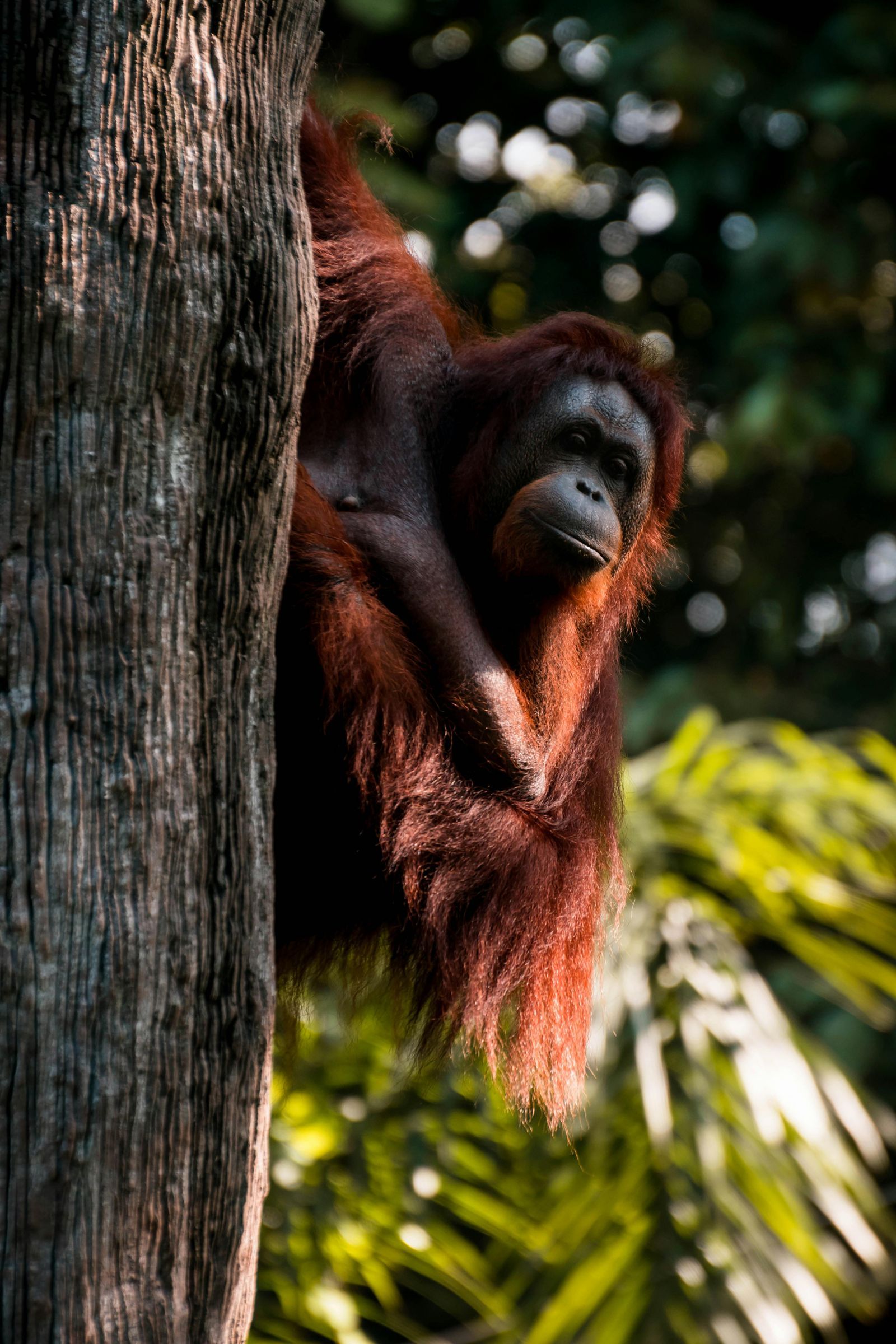
Die Derawan-Inseln liegen vor Ost-Kalimantan (Borneo) und machen Borneo Wildlife zu einer natürlichen Ergänzung für Derawan-Gäste. Orang-Utan-Rehabilitationszentren, Flussfahrten durch intakten Regenwald und traditionelle Dayak-Kulturerlebnisse sind alle innerhalb von ein bis zwei Reisetagen erreichbar. Eine der ungewöhnlicheren Kombinationsmöglichkeiten – und eine der lohnendsten für Reisende mit der nötigen Zeit.
Lombok und Komodo Kombination
Lombok liegt direkt östlich von Bali und ergänzt Komodo-Reisen gut. Der Mount Rinjani ist eine anspruchsvolle Mehrtageswanderung mit einem Kratersee-Gipfel und gut etablierter Führerinfrastruktur. Desert Point in Bangko Bangko ist einer der angesehensten Left-Hand-Breaks Südostasiens für Surfer. Die Gili-Inseln, nur vor der Nordwestküste Lomboks gelegen, bieten entspanntes Schnorcheln und ein langsameres Tempo als Bali.
Borobudur Temple Java cultural extension Indonesia liveaboard diving trips - UNESCO heritage site custom tour add-on
Zusätzliche Taucherweiterungen
Wenn ein Liveaboard nicht ausreicht – eine vernünftige Position in Indonesien – gibt es ein paar natürliche Zielkombinationen.
Komodo + Banda-See: starke Strömungen und Mantas im Süden, dann Hammerhaie und unberührte Seamounts in den zentralen Meeren. Ganz anderer Charakter.
Raja Ampat + Halmahera: das Bird's Head Seascape plus ein Grenzgebiet, das noch sehr wenige Boote sieht.
Komodo + Bali Tauchen: Komodo für die Pelagik, dann Nusa Penida für Mantas und Mola Mola in der Saison – ein kurzes Liveaboard kombiniert mit Landtauchgängen. Sehen Sie unseren Bali-Guide für das Angebot.
Sulawesi Tauchen: Bunaken Nationalpark für Wandtauchgänge, Lembeh Strait für erstklassige Muck-Tauchplätze oder die Togian Islands für etwas abgelegeneres. Nord-Sulawesi passt gut zu Banda-See oder Halmahera Routen.
Alor + Banda-See: beide erreichen ihren Höhepunkt im selben saisonalen Fenster und haben einen ähnlichen Charakter – abgelegen, strömungsgetrieben, weniger besucht.
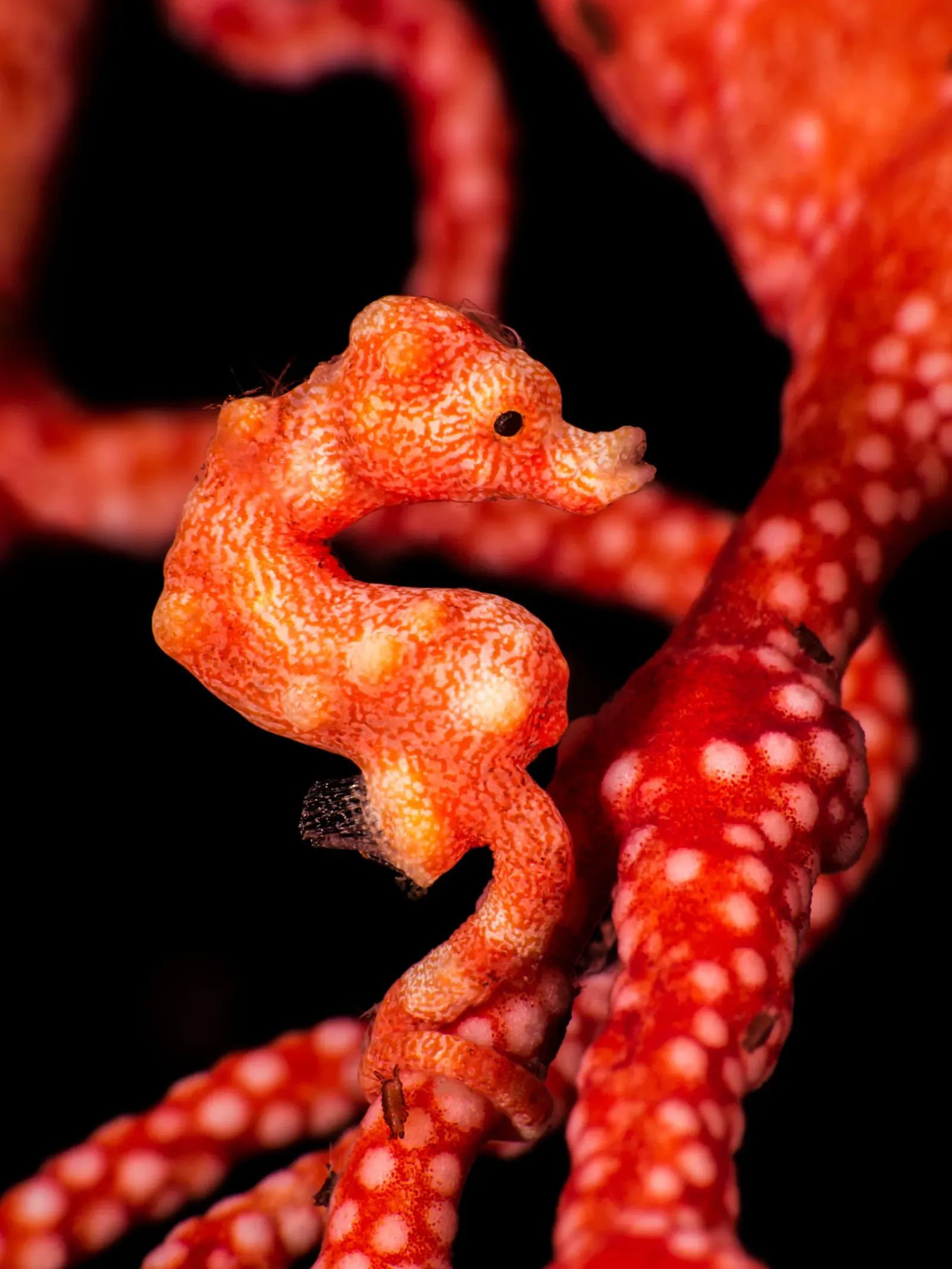
Denise's pygmy seahorse Hippocampus denise camouflaged on sea fan Indonesia macro diving liveaboard photography - Picture by Majik Liveaboard
Surferweiterungen
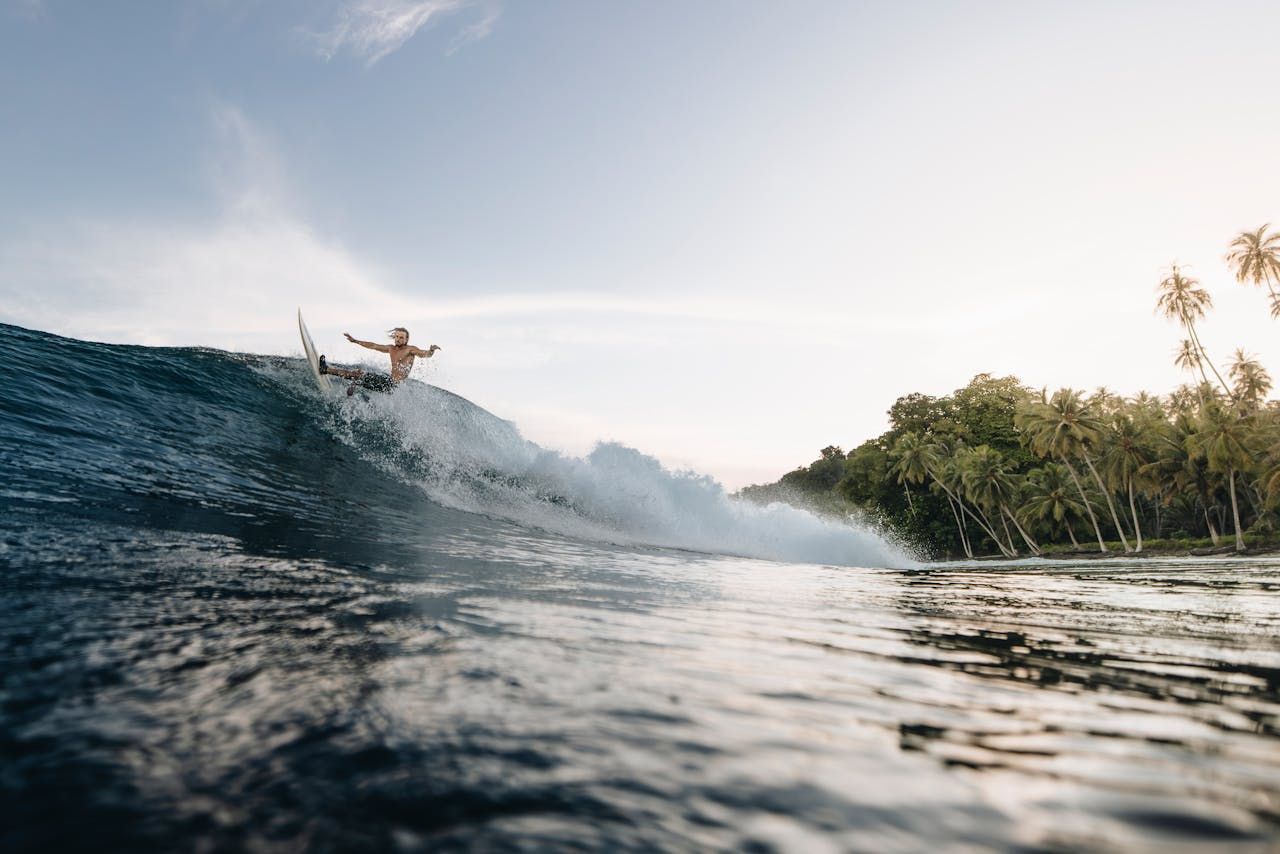
Indonesiens Surfspots passen aufgrund der geografischen Überschneidung natürlich zu Tauchzielen. Die Mentawai-Inseln vor der Westküste Sumatras erhalten konstante Dünungen des Indischen Ozeans und gelten als eines der wellenreichsten Ziele der Welt – Breaks wie Macaronis, HT's und Rifles ziehen während der Hauptsaison von April bis Oktober⁴ Surfer weltweit an. Lomboks Desert Point und Sumbawas Scar Reef sind erstklassige Breaks, die von Komodo aus erreichbar sind. Bali hat Uluwatu und Padang Padang für diejenigen, die Surfen in der Nähe eines internationalen Hubs wünschen.
Wir können Surferweiterungen über lokale Partner koordinieren. Dies sind seltenere Anfragen als kulturelle oder Resort-Erweiterungen, aber es gibt keinen logistischen Grund, warum sie nicht arrangiert werden können.
Surfing waves Mentawai Islands Indonesia liveaboard surf charter tropical destination
Trekking und Vulkan-Erweiterungen
Vulkan-Trekking ist ideal für Reisende, die zwischen Tauchgängen etwas Aktiveres suchen. Der Mount Rinjani auf Lombok ist eine richtige mehrtägige Expedition mit einem Kratersee-Gipfel – gut geführt und mit angemessener Fitness erreichbar. Der Mount Batur auf Bali ist eine sanftere Halbtageswanderung zum Sonnenaufgang. Für ernsthafte Wanderer erfordert der Mount Agung – der Sitz der balinesischen Hindu-Kosmologie und Balis höchster Gipfel – mehr Vorbereitung und die richtigen Bedingungen, belohnt aber mit außergewöhnlichen Ausblicken und kultureller Bedeutung. Auf Java sind die Kraterlandschaft des Mount Bromo und das blaue Feuer des Ijen mit Unterstützung eines Führers zugänglich. Packen Sie geeignetes Schuhwerk und Kleidung – siehe unseren Packleitfaden für Indonesien-Liveaboards für das, was Sie mitbringen sollten, wenn Sie Trekking mit einer Liveaboard-Reise kombinieren.
Spectacular volcanic sunrise Indonesia - dramatic red orange sky view from volcano summit custom travel tour
Tier- und Dschungel-Erweiterungen
Borneos Orang-Utan-Schutzgebiete, Sumatras Regenwald und Sulawesis Wildreservate sind alle vom nationalen Flugnetz Indonesiens aus erreichbar. In der Praxis eignen sich diese Erweiterungen für Reisende mit mehr Zeit – eine Woche oder länger über das Liveaboard hinaus – und lassen sich am besten mit Zielen kombinieren, die praktische Routenverbindungen haben. Wenn Sie daran interessiert sind, sprechen Sie mit uns – wir kennen die Routen und können eine realistische Reiseroute zusammenstellen.
Indonesian orangutan in tropical rainforest canopy - wildlife spotting opportunities on Indonesia liveaboard adventures
Erwartungen managen
Das nationale Flugnetz Indonesiens verbindet den Archipel, ist aber nicht immer zuverlässig. Verspätungen und Annullierungen kommen vor, insbesondere auf Strecken mit geringer Frequenz. VIFA Holiday überwacht die Flüge und kann bei Umbuchungen helfen, aber das Einplanen von Puffertagen in komplexe Reisepläne ist der zuverlässigere Ansatz. Planen Sie keine knappe Inlandsverbindung für den Morgen ein, an dem Sie ein Liveaboard besteigen müssen. Saisonale Zeitpläne nach Destination finden Sie in unserem Leitfaden zu indonesischen Wetterlagen.
Die Kosten für Erweiterungen variieren. Wir arbeiten im gehobenen Segment – gute Hotels, erfahrene Reiseleiter, zuverlässige Logistik. Wenn Sie Qualität und Komfort wünschen, spiegeln sich die Kosten darin wider.
Nicht jede Verlängerung passt zu jeder Gruppe. Lange Überlandfahrten in Flores sind lohnend, aber anstrengend. Rinjani ist eine ernsthafte mehrtägige Wanderung, die ein gutes Fitnessniveau erfordert. Balis Süden und das zentrale Ubud können überwältigend sein, wenn Sie nicht auf den Verkehr und die Dichte vorbereitet sind. Die richtige Verlängerung hängt davon ab, was Sie tatsächlich von den zusätzlichen Tagen erwarten – wir sprechen das lieber durch, als etwas zu buchen, das nicht passt.
Indonesian orangutan in tropical rainforest canopy - wildlife spotting opportunities on Indonesia liveaboard adventures
Häufig gestellte Fragen
Wie weit im Voraus sollte ich Verlängerungen buchen?
Buchen Sie zusammen mit Ihrem Tauchsafari – sechs bis zwölf Monate im Voraus für Reisen in der Hauptsaison. Unterkünfte und Inlandsflüge für beliebte Zeiträume sind schnell ausgebucht, und die kurzfristige Koordination von Verlängerungen fügt einer bereits komplexen Reise unnötigen Stress hinzu.
Können Verlängerungen nach der Buchung geändert werden?
Grundsätzlich ja, aber Änderungen können die Neubuchung von Flügen und Unterkünften beinhalten, was Gebühren oder Verfügbarkeitsänderungen mit sich bringen kann. Der sauberere Ansatz ist, die Verlängerungspläne zu finalisieren, bevor die vollständige Buchung bestätigt wird. Wir weisen während der Planung darauf hin.
Welche Reiseversicherung benötige ich?
Tauchversicherung mit Deckung für medizinische Evakuierung ist unerlässlich für jede Tauchsafari – DAN (Divers Alert Network) ist der am häufigsten genutzte Anbieter. Für Verlängerungen wird eine umfassende Reiseversicherung, die Reiserücktritt, Verspätungen und nicht-tauchbezogene medizinische Notfälle abdeckt, dringend empfohlen. Die Abgelegenheit Indonesiens macht eine Evakuierungsdeckung besonders wichtig.
Benötige ich ein Visum für eine längere Reise?
Indonesiens Visum bei Ankunft ist 30 Tage gültig und kann einmal um weitere 30 Tage verlängert werden. Die meisten Liveaboard-Touren plus Verlängerungen passen in diesen Zeitraum. Prüfen Sie das offizielle Indonesien E-Visa-Portal für die aktuellen Anforderungen — es gibt viele inoffizielle Websites, die unnötige Gebühren für einen unkomplizierten Prozess verlangen.
Können Nicht-Taucher an Verlängerungen teilnehmen?
Ja — die meisten Verlängerungen eignen sich gut für die gesamte Gruppe. Verlängerungen auf Bali, Flores, Sulawesi, Yogyakarta und Borneo sind für gemischte Gruppen gut geeignet.
Was ist das Buchungsgeschenk und wie funktioniert es?
Jede Coralbound-Buchung beinhaltet die Option einer kostenlosen Hotelnacht. Für Liveaboard-Touren in Raja Ampat bedeutet dies in der Regel eine Nacht im Swiss-Belhotel Sorong vor der Einschiffung — ein praktisches Geschenk, das die Logistik vor der Einschiffung reibungslos abwickelt. Für andere Reiseziele besprechen wir die beste Option während des Buchungsgesprächs.
Wie berechnet Coralbound die Preise für Verlängerungen?
Wir berechnen Verlängerungen zu Standardmarktpreisen für das von uns angebotene Serviceniveau — gute Hotels, erfahrene Reiseleiter, zuverlässige Logistik. Wir arbeiten nach einem Servicemodell, das das lokale Wissen und die Koordination widerspiegelt. Wir sind während des Planungsgesprächs transparent bezüglich der Preise.
Kann ich über Coralbound Surf- oder Trekking-Verlängerungen buchen?
Ja. Dies sind nicht unsere häufigsten Anfragen, aber wir können sie über lokale Partner koordinieren. Sprechen Sie mit uns darüber, was Sie interessiert, und wir werden die Route und die Logistik klären.
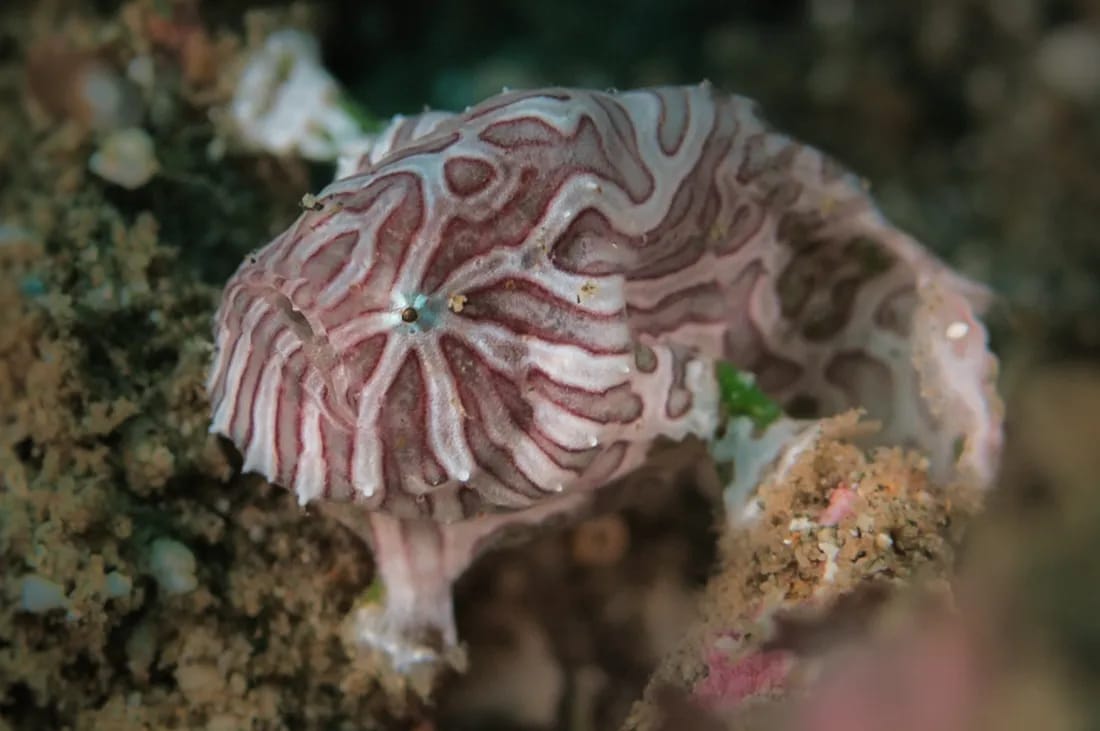
Psychedelic frogfish Histiophryne psychedelica rare species Indonesia macro diving liveaboard Ambon underwater photography - Picture by Dewi Nusantara
Plan Your Extension
We're an Indonesia-based team and we want our clients to have a good experience beyond the liveaboard as well. Talk to us about what you're thinking — we can usually put together a realistic plan quickly. Every booking includes the option of a complimentary hotel night. Reach us on WhatsApp, via our contact form, or read more about how we work.