Kein anderes Liveaboard-Reiseziel vereint Indonesiens Artenvielfalt, Bootsqualität und schiere Vielfalt an Erlebnissen.
Indonesien liegt im Herzen des Korallendreiecks – der artenreichsten Meeresregion der Welt. Dieser Leitfaden behandelt, was Indonesien von anderen Liveaboard-Reisezielen unterscheidet, was realistischerweise zu erwarten ist und wie Sie entscheiden können, ob es das Richtige für Sie ist. Wenn Sie noch die Grundlagen des indonesischen Liveaboard-Tauchens abwägen, beginnen Sie mit unserem vollständigen Leitfaden für indonesische Liveaboards.
Indonesien ist ein Premium-Reiseziel. Die Reisen sind teurer als in südostasiatischen Alternativen, die Überfahrten sind länger und die Logistik ist komplex. Für Taucher, die die beste marine Artenvielfalt der Welt suchen – und für Gruppen, die ein echtes Erlebnis über das reine Tauchen hinaus wünschen –, liefert es auf einem Niveau, das kein anderes einzelnes Reiseziel erreicht.
Schnelle Fakten
- Beste Jahreszeit: variiert je nach Region – ganzjähriges Tauchen im gesamten Archipel
- Korallenarten: über 600 Arten – 76 % aller bekannten Korallenarten im Korallendreieck¹
- Fischarten: über 2.200 Arten – 37 % der weltweiten Korallenriff-Fischarten²
- Erfahrungsstufe: Open Water für die meisten Routen; aktuelle Erfahrung empfohlen für Komodo, Alor und die Tiefseebänke des Banda-Meeres
- Reiselänge: typischerweise 7–14 Tage; kürzere Optionen auf den Routen Komodo und Bali verfügbar
- Kostenbereich: 150–1.400 $/Tag je nach Schiffskategorie
- Bootskapazität: Die meisten Liveaboards befördern 8–18 Gäste
- Wichtige Meereslebewesen: Mantarochen, Walhaie, Hammerhaie, Zwergseepferdchen, Geisterhaie, Mondfische, sechs der sieben Meeresschildkrötenarten
- Zielflughäfen: Bali (DPS), Sorong (SOQ), Labuan Bajo (LBJ), Ambon (AMQ) je nach Zielort
Schnelle Antworten
Warum Indonesien den Malediven oder dem Roten Meer vorziehen?
Die kurze Antwort ist Artenvielfalt. Das Korallendreieck beherbergt 76 % aller bekannten Korallenarten und 37 % der weltweiten Riff-Fische¹ ² – kein anderes Tauchziel kommt dem nahe. Die Malediven bieten exzellentes pelagisches Tauchen, aber begrenzte Riff-Vielfalt. Das Rote Meer bietet hervorragende Sicht und Wracktauchen. Indonesien bietet mehr von allem: mehr Arten, mehr Reiseziele, mehr Vielfalt in einer einzigen Reise. Der Kompromiss sind Kosten und Logistik – Indonesien ist kein leicht zu erreichendes oder zu navigierendes Reiseziel.
Ist Indonesien für Anfänger geeignet?
Ja, obwohl die Routenauswahl wichtig ist. Reiseziele wie die zentrale Region von Raja Ampat, die Cenderawasih-Bucht und Teile des Banda-Meeres umfassen geschützte Stellen, die für Open-Water-Taucher zugänglich sind. Strömungsreiche Reiseziele wie Komodo, Alor und die Tiefseebänke des Banda-Meeres erfordern Erfahrung und Komfort beim Drift-Tauchen. Betreiber passen die Standortauswahl an die Gruppe an Bord an – sprechen Sie mit uns, bevor Sie buchen, wenn Sie Anfänger sind.
Wie weit im Voraus muss ich buchen?
Für Abfahrten in der Hochsaison auf beliebten Routen – Raja Ampat Oktober bis April, Komodo April bis August – buchen Sie sechs bis zwölf Monate im Voraus. Abgelegene Ziele wie die Cenderawasih Bay, die Derawan Islands und Halmahera werden mit weniger Booten angefahren und sind schneller ausgebucht. Kurzfristig sind auf einigen Routen noch Plätze frei, die Verfügbarkeit ist jedoch unvorhersehbar.
Können Nicht-Taucher an einem Liveaboard in Indonesien teilnehmen?
Ja, obwohl das Angebot je nach Boot variiert. Die meisten indonesischen Liveaboards begrüßen Schnorchler und nicht-tauchende Partner – Strandstopps, Inselausflüge und Dorfbesuche sind fast jede Reiseroute Bestandteil. Günstige Boote konzentrieren sich hauptsächlich auf das Tauchen; das Erlebnis für einen Nicht-Taucher ist eingeschränkter. Im Luxussegment sind die Betreuer-zu-Gast-Verhältnisse höher und die Boote sind so konzipiert, dass sie gemischte Gruppen gut unterbringen. Sehen Sie sich unseren Leitfaden für indonesische Liveaboard-Kategorien an, um die verschiedenen Preisklassen zu vergleichen.
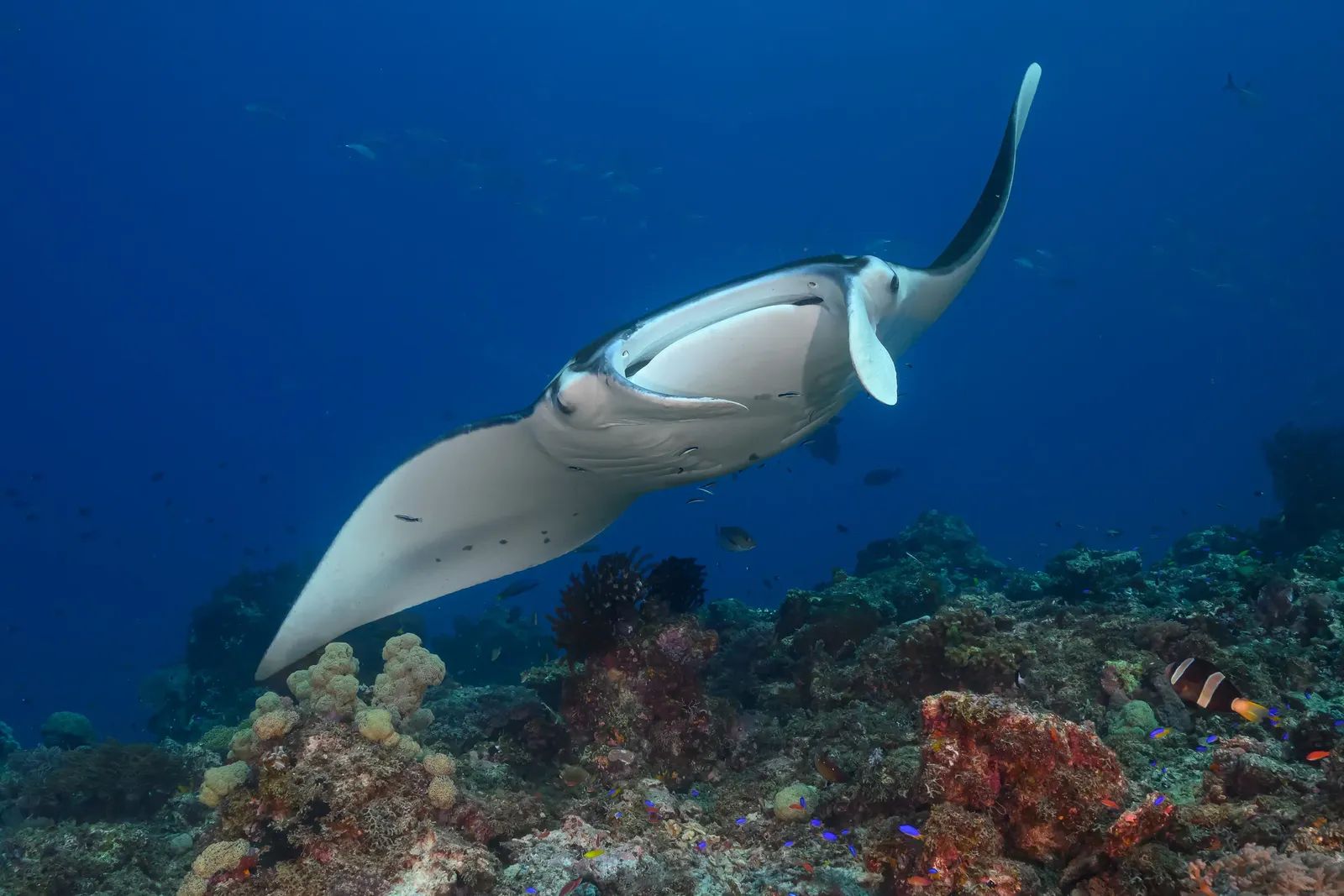
Reef manta ray on a cleaing station in Indonesia - Picture by Neptune Liveaboards
Der Fall der Meereslebewesen
Indonesiens Biodiversitätszahlen sind kein Marketing – sie sind der Grund, warum Meeresbiologen und Unterwasserfotografen immer wiederkommen.
Das Korallendreieck beherbergt 76 % aller bekannten Korallenarten weltweit¹. Die höchste Konzentration dieser Vielfalt befindet sich im Bird's Head Seascape von Raja Ampat, wo 574 Korallenarten registriert wurden – 72 % der weltweiten Gesamtzahl aus einer einzigen Region³ ⁵. Halmahera liegt mit 544 Arten an dritter Stelle von 141 marinen Ökoregionen weltweit⁴. Dies sind keine Schätzungen – es sind begutachtete Zahlen.
Bei den Fischen erzählen die Zahlen die gleiche Geschichte. Das Korallendreieck beherbergt 37 % der weltweiten Korallenriff-Fischarten² – insgesamt über 2.200 Arten. Sechs der sieben Meeresschildkrötenarten der Welt kommen in indonesischen Gewässern vor.
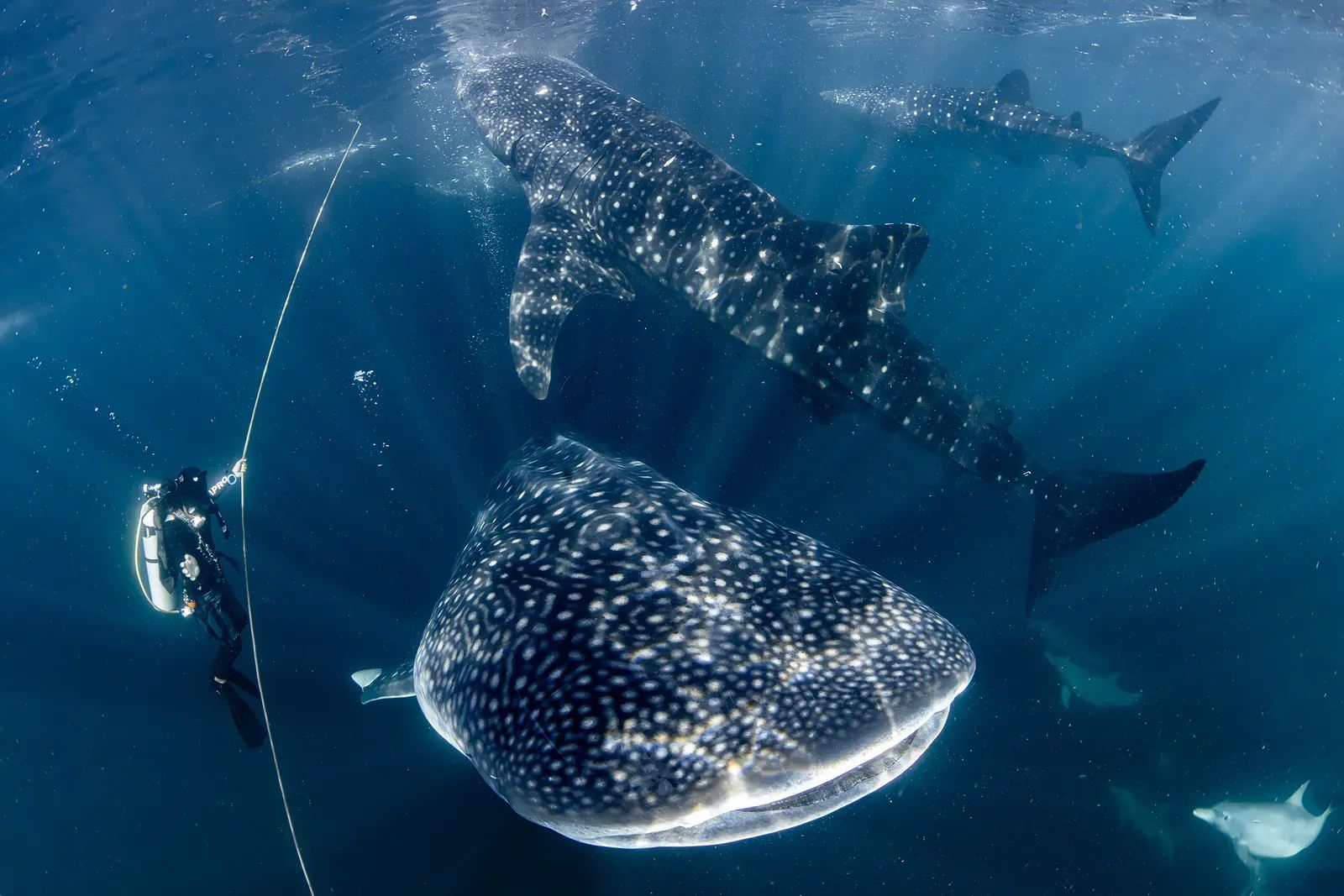
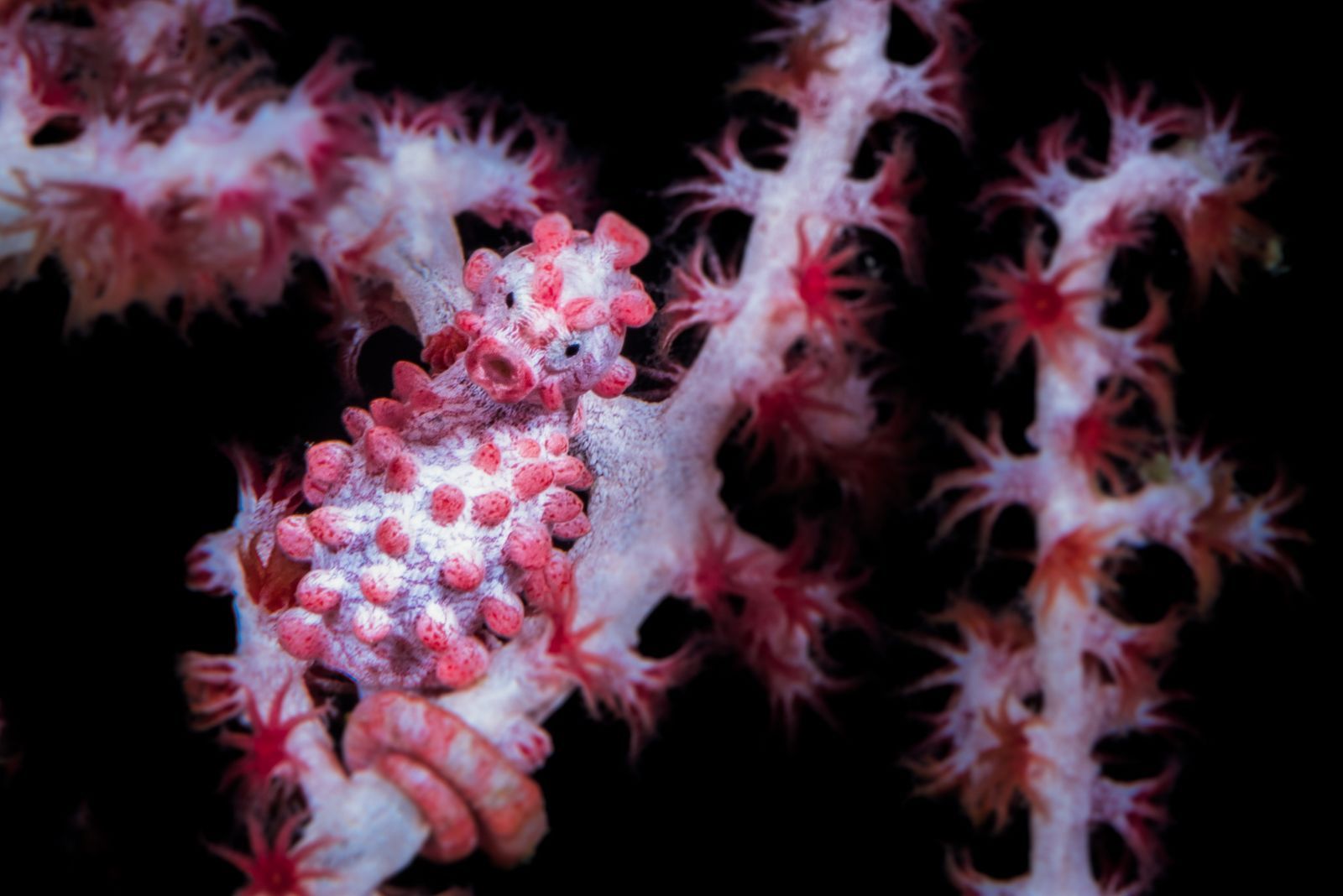
Die charakteristischen Begegnungen variieren je nach Reiseziel. Komodo hat 1.085 dokumentierte Mantarochen an seinen Reinigungsstationen⁶. Die Cenderawasih Bay beherbergt rund 160 einzelne Walhaie, meist junge Männchen, die das ganze Jahr über an traditionellen Fischplattformen fressen⁷. Raja Ampat ist einer der wenigen Orte der Welt, an denen man sowohl ozeanische als auch Riff-Mantas bei demselben Tauchgang antreffen kann. Die Banda-See liefert im Oktober und November Hammerhai-Ansammlungen an Unterwasserbergen. Für Makro-Aufnahmen setzt Indonesien einen Standard, den nur wenige Reiseziele erreichen – Zwergseepferdchen, Mimik-Oktopusse, Geisterpfeifenfische und Laufhaie sind endemisch in indonesischen Gewässern.
Naturschutz ist ebenfalls Teil der Geschichte. Misool in Raja Ampat war ein Haifischflossen-Camp, bevor es zu einem 300.000 Hektar großen Schutzgebiet ohne Fischerei wurde – die Fischbiomasse hat seit Beginn des Schutzes um 248 % zugenommen. In ganz Indonesien arbeiten Liveaboard-Betreiber zunehmend mit lokalen Gemeinschaften und Meeresstiftungen zusammen, um die Riffe zu schützen, die diese Reisen lohnenswert machen.
Keine einzige Liveaboard-Reise deckt alles ab – das ist teilweise der Sinn der Sache. Indonesiens Reiseziele sind so unterschiedlich, dass Raja Ampat und die Banda-See wie verschiedene Ozeane wirken. Die meisten Taucher kommen wieder. Eine vollständige Aufschlüsselung, wo und wann Sie bestimmte Arten finden können, finden Sie in unseren Leitfäden zum Tauchen mit Mantarochen in Indonesien und Tauchen mit Walhaien in Indonesien, oder dem umfassenderen Leitfaden zum Tauchen mit Großtieren.
Multiple whale sharks gathered around diving platform with underwater photographers capturing the gentle giants in Indonesia - Picture by Neptune Liveaboards
Die Boote
Das indonesische Liveaboard-Erlebnis unterscheidet sich von fast überall sonst – und das beginnt mit der Größe.
Die meisten Boote befördern zwischen 8 und 18 Gäste. Vergleichen Sie das mit den Malediven, wo 20–24 Passagiere Standard sind, oder mit den Galápagos, wo 16-Personen-Schiffe als klein gelten. In Indonesien sind Sie auf einem Boot, auf dem sich am zweiten Tag jeder am Esstisch mit Vornamen kennt.
Indonesische Boote – ob traditionelle Phinisi oder moderne Stahlrümpfe – sind auf das Leben im Freien ausgelegt. Große offene Deckflächen, mehrere Sonnendecks, schattige Lounges und offene Essbereiche sind über das gesamte Angebot hinweg Standard. Das Erlebnis unterscheidet sich vom eher geschlossenen, utilitaristischen Design, das in Ägypten oder auf den Malediven üblich ist. Indonesiens tropisches Klima passt gut zu diesem Ansatz.
Budget-Boote in Indonesien sind im Vergleich zu Äquivalenten anderswo von guter Qualität. Sie erhalten zuverlässige Tauchbetriebe, erfahrene lokale Crews mit echtem Ortskenntnis und einfache, aber angemessene Unterkünfte. Mittelklasseboote bieten spürbar mehr Komfort in den Kabinen, bessere Essensqualität und ein insgesamt besseres Bordgefühl – viele konkurrieren mit dem, wofür Sie anderswo Spitzenpreise zahlen würden. Im Luxussegment sind Ausstattung, Essen, Service und Führung erstklassig.
Sowohl traditionelle Phinisi-Holzkonstruktionen als auch moderne Stahlrumpfboote sind in Indonesien gut vertreten. Wichtiger als das Rumpfmaterial sind der Betreiber, die Crew und die Reiseroute.
Was die Kosten angeht, gehört Indonesien zu den Premium-Destinationen für Liveaboards weltweit. Budget-Boote beginnen bei etwa 150 $/Tag; Mittelklasseboote kosten 300–600 $/Tag; Luxusboote ab 600 $ aufwärts. Das ist vergleichbar mit den Malediven und teurer als eine typische Abfahrt im Roten Meer. Was Sie bezahlen, sind kleine Gruppengrößen, hohe Crew-zu-Gast-Verhältnisse, außergewöhnliche Meeresvielfalt und – im mittleren und oberen Segment – ein Boots- und Servicestandard, der mit jedem anderen Ort der Welt mithalten kann. Eine vollständige Aufschlüsselung, was jeder Preispunkt beinhaltet, finden Sie in unserem Leitfaden zu den Liveaboard-Kategorien.
Ganzjähriges Tauchen in verschiedenen Regionen
Indonesiens geografische Ausdehnung – vergleichbar mit der Entfernung von London nach Teheran – bedeutet, dass es immer eine Region gibt, in der man gut tauchen kann.
Raja Ampat hat seine Hochsaison von Oktober bis April. Komodo ist am besten von April bis November. Die Banda-See ist von April bis November geöffnet, wobei die Hammerhai-Saison im Oktober und November konzentriert ist. Die Cenderawasih-Bucht ist ganzjährig zugänglich. Die Hauptsaison in Halmahera dauert von Oktober bis April, wobei einige Betreiber auch in den Übergangsmonaten weiterfahren.
Diese gegenläufige saisonale Struktur ist ein praktischer Vorteil. Sie sind nicht an ein einziges Buchungsfenster gebunden und müssen kein Reiseziel kompromittieren, weil der Zeitpunkt nicht perfekt ist. Sehen Sie sich unsere vollständige saisonale Aufschlüsselung nach Destination für Details zu jeder Region an.
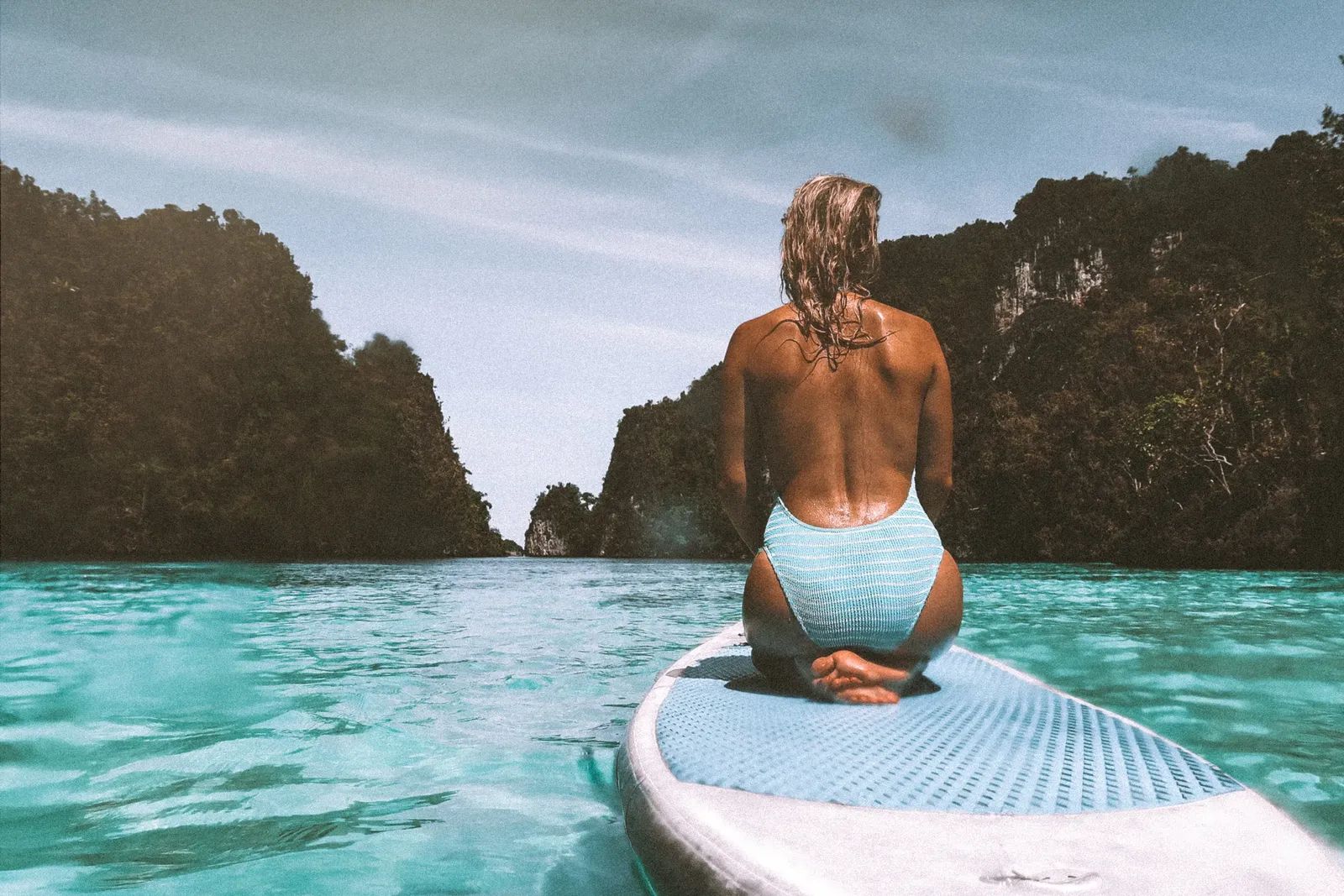
Woman on paddleboard surrounded by towering limestone karst islands in calm turquoise waters of Raja Ampat archipelago - Picture by Calico Jack Cruises
Abseits des Tauchens
Die meisten Liveaboard-Routen in Indonesien beinhalten Elemente, die nichts mit dem Unterwassererlebnis zu tun haben – und das ist erwähnenswert für alle, die mit einem nicht tauchenden Partner reisen oder für Taucher, die mehr als nur Tauchgänge wünschen.
Strandstopps auf unbewohnten Inseln sind auf fast jeder Route Standard. Dorfbesuche variieren je nach Destination: Routen in der Banda-See beinhalten oft die historische Gewürzinselstadt Banda Neira; Routen in Raja Ampat halten in Papuadorfern und beinhalten Ausflüge zum Kali Biru (Blauer Fluss) und zur Aljui Bay Perlenfarm; Routen nach Alor und Halmahera führen durch traditionelle Gemeinschaften mit minimalem externen Kontakt.
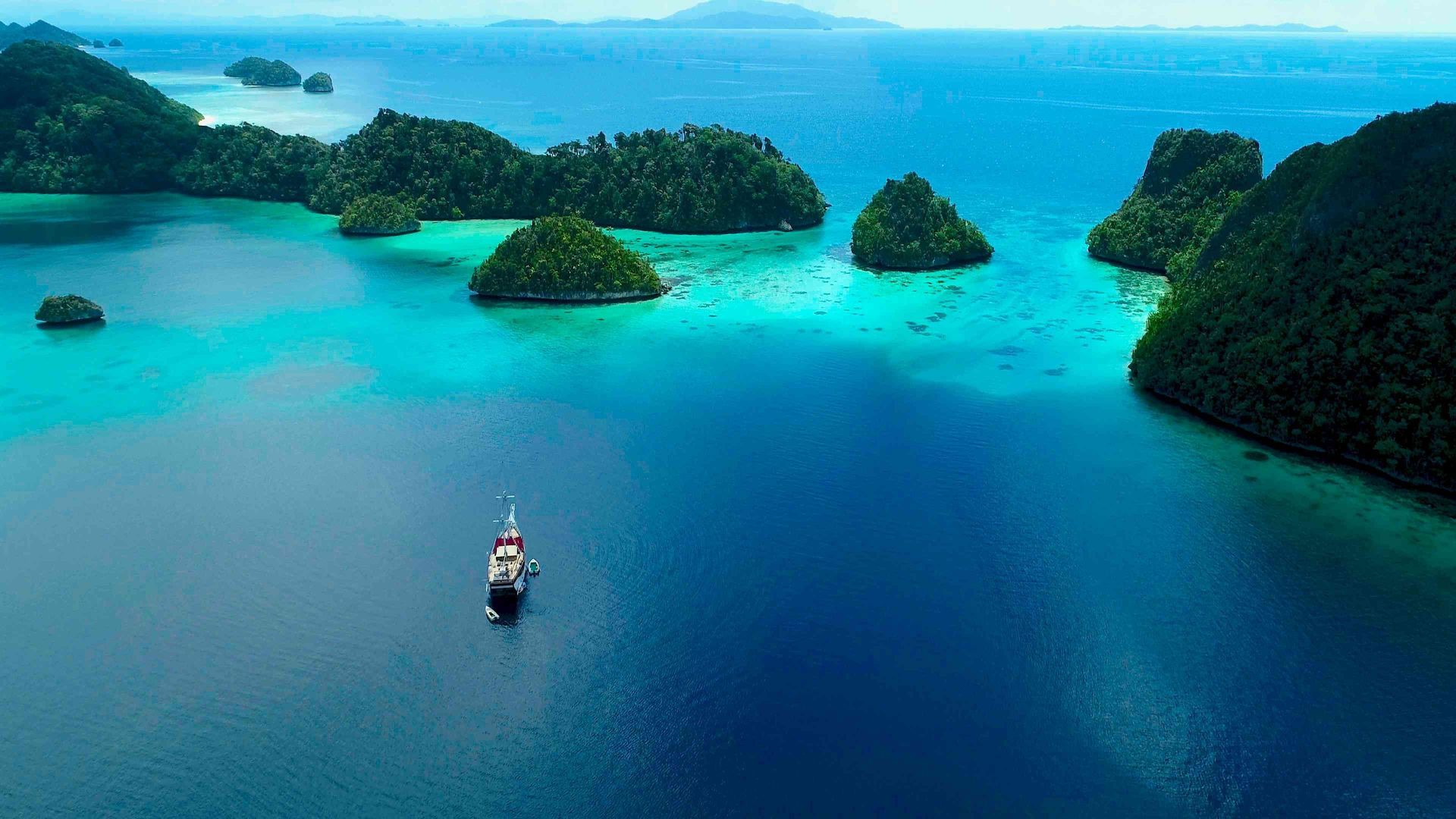
Die Landschaft über Wasser ist Teil des Reizes. Karstkalksteinformationen, die in Raja Ampat aus flachem Wasser aufsteigen, vulkanische Kegel, die den Horizont in der Banda-See durchbrechen, die dichte Waldküste der Cenderawasih-Bucht – Indonesien sieht so aus, wie Tauchziele aussehen sollen.
Wenn Sie eine längere Reise planen, die ein Liveaboard mit Zeit vor oder nach der Reise in Bali oder anderswo in Indonesien kombiniert, lesen Sie unseren Leitfaden für Liveaboard-Erweiterungen in Indonesien für weitere Informationen.
Crew and girl sitting on beach with guitars, sharing musical moment on white sand with rocky cliffs behind - Picture by Aliikai Voyages
Indonesien im Vergleich zu anderen Liveaboard-Destinationen
In Bezug auf die Meeresbiodiversität ist Indonesien weltweit die stärkste Option. Keine Destination ist objektiv für jeden Taucher besser – aber Indonesien führt bei den Metriken, die für Menschen, die eine Liveaboard-Reise wählen, am wichtigsten sind.
Bei der Biodiversität ist die Lücke zwischen Indonesien und seinen nächsten Konkurrenten beträchtlich. Die 76 % Korallenarten und 37 % Riffischarten des Korallendreiecks sind nirgendwo sonst vergleichbar⁸. Das Rote Meer bietet eine außergewöhnliche Sicht, zuverlässige Wracktauchgänge und starke Riffhai-Populationen, aber nur einen Bruchteil der Artenvielfalt. Die Malediven bieten konsistente Begegnungen mit Pelagik – Walhaie, Mantas, Tiger in der Saison – an Riffen, die sich gut von Bleichereignissen erholen, aber die Riffvielfalt ist im Vergleich begrenzt. Die Galápagos-Inseln sind Weltklasse für Arten im offenen Wasser und endemische Arten, aber der Zugang ist streng reglementiert, saisonal, teuer und die Riffe selbst sind nicht der Anziehungspunkt.
Indonesien ist keine der günstigsten Optionen – planen Sie Ihr Budget gut. Die Kosten sind vergleichbar mit den Malediven und höher als im Roten Meer, aber die Kombination aus Destinationen, Artenvielfalt, kleinen Gruppengrößen und Qualität an Bord macht es zum stärksten Gesamtargument für eine dedizierte Liveaboard-Reise.
Für Taucher, die die Malediven oder das Rote Meer bereits bereist haben und verstehen möchten, worum es geht – Indonesien ist normalerweise die Antwort.
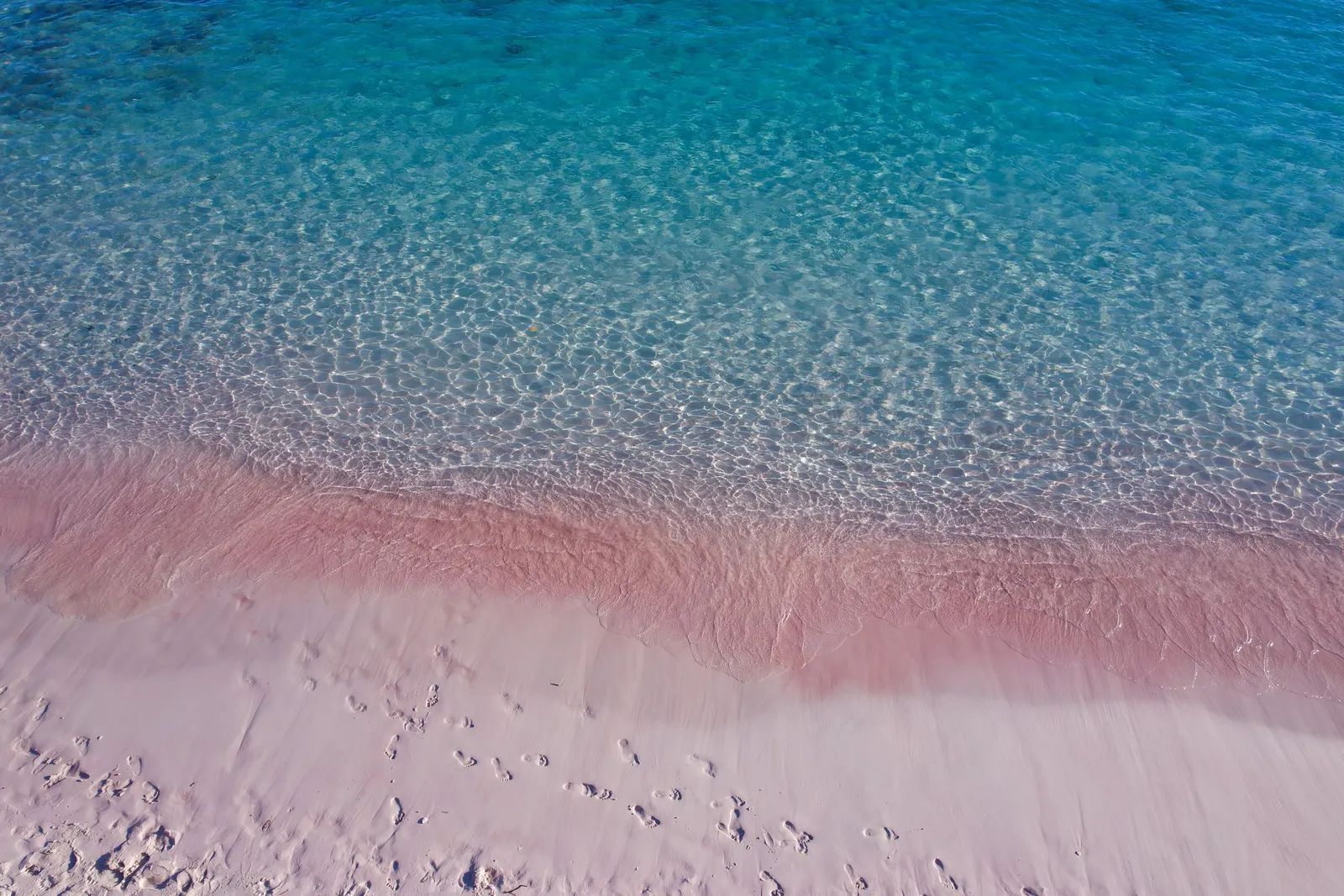
Aerial view of Pink Beach with turquoise waters, unique beach stop during Komodo liveaboard diving trips Indonesia
Erwartungen managen
Tierbegegnungen sind niemals garantiert. Saisonale Muster sind gut etabliert und die Betreiber kennen ihre Tauchplätze, aber die Meeresbedingungen variieren. Eine Hammerhai-Ansammlung kann an einem bestimmten Tag fehlen; Manta-Reinigungsstationen werden von Strömung, Sicht und Planktongehalt beeinflusst. Planen Sie für die Destination, nicht nur für die Art, die Sie sehen möchten.
Indonesien ist ein abgelegenes Reiseziel. Flüge sind lang, Inlandsverbindungen können unzuverlässig sein und einige Häfen sind schwer zu erreichen. Planen Sie Pufferzeiten vor und nach Ihrer Reise ein. Eine verpasste Verbindung am ersten Tag eines zehntägigen Liveaboards ist ohne diese ein echtes Risiko.
Starke Strömungen an Zielen wie Komodo, Alor und den seamounts der Banda-See erfordern Erfahrung und Komfort in Driftbedingungen. Die Betreiber managen dies gut, aber es lohnt sich, ehrlich zu sich selbst – und zu uns – über Ihr Komfortniveau zu sein, wenn Sie eine Route auswählen.
Wetterfenster variieren von Jahr zu Jahr. Die saisonale Anleitung in diesem Beitrag und im Leitfaden zu Wettermustern spiegelt wider, was die Betreiber typischerweise berichten – keine Garantie für die Bedingungen an einem bestimmten Datum.
Nicht jedes Boot passt zu jedem Taucher. Ein auf Fotografie spezialisierter Taucher auf einer kurzen Reise mit nicht-tauchenden Partnern benötigt ein anderes Boot als ein erfahrener Taucher, der eine 12-tägige Banda-See-Überquerung macht. Die richtige Abstimmung ist wichtig – hier bietet die Buchungsberatung einen echten Mehrwert.
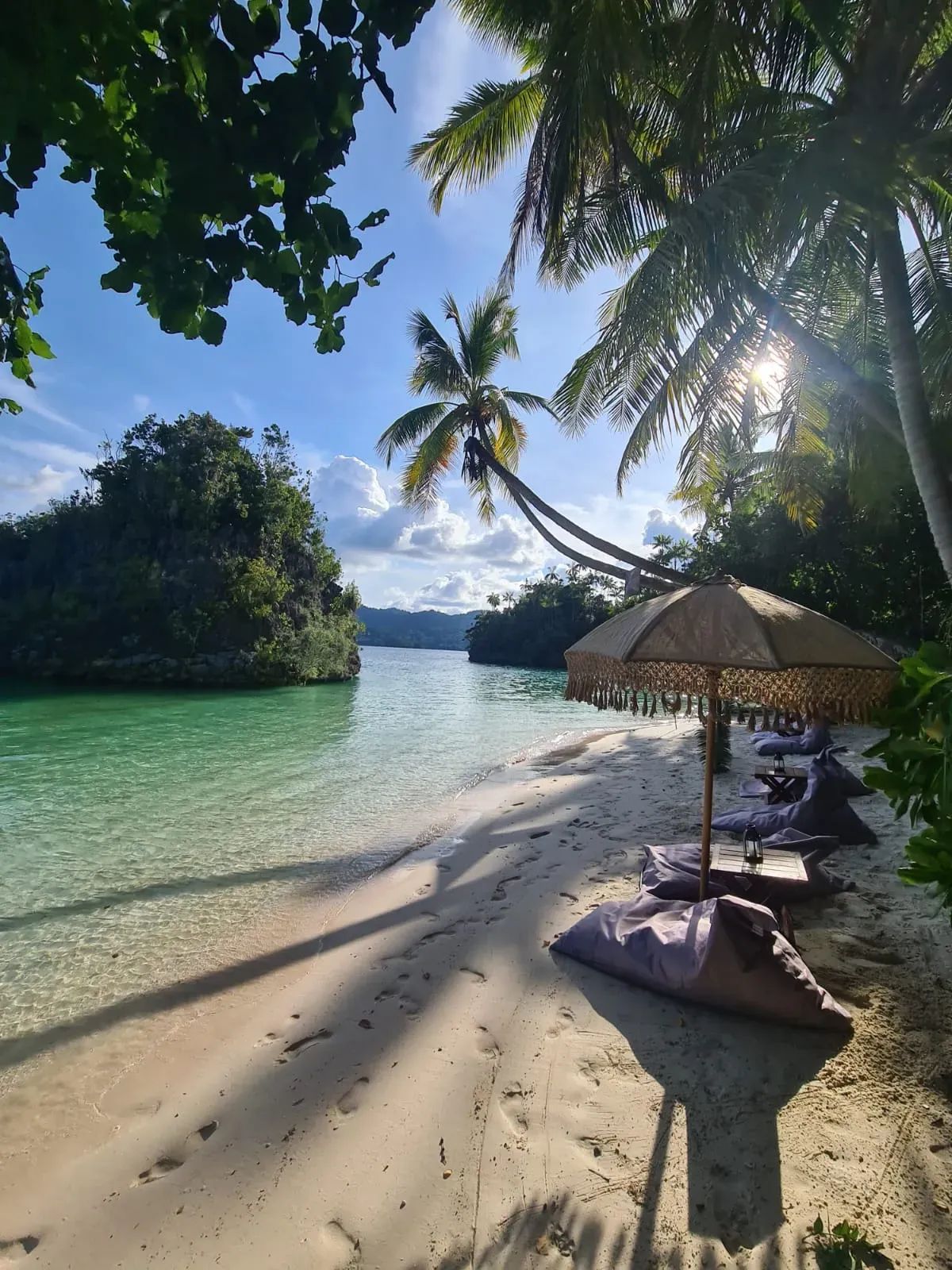
Tropical beach paradise with white sand, turquoise lagoon, coconut palms and traditional umbrella setup in secluded Raja Ampat bay - Picture by Calico Jack Cruises
Häufig gestellte Fragen
Welche Zertifizierung benötige ich für Indonesien?
Die Open Water-Zertifizierung ist für die meisten Tauchplätze auf den meisten Routen ausreichend. Advanced Open Water eröffnet den Zugang zu tieferen Tauchplätzen und gibt Ihnen mehr Sicherheit in strömungsreichen Bedingungen. Viele Betreiber bieten am ersten Tag Auffrischungskurse oder Fähigkeitstrainings im Wasser an, wenn Sie schon länger nicht mehr getaucht sind.
Ist Nitrox auf Liveaboards in Indonesien verfügbar?
Ja, obwohl Verfügbarkeit und Preise je nach Betreiber variieren. Die meisten Mittelklasse- und Luxusboote bieten Nitrox als Standard oder gegen einen täglichen Aufpreis an. Prüfen Sie vor der Buchung, ob dies für Ihr Tauchen wichtig ist.
Wie viele Tauchgänge pro Tag kann ich erwarten?
Normalerweise drei bis vier Tauchgänge pro Tag, einschließlich eines Nachttauchgangs an den meisten Abenden. Auf Routen mit längeren Übernachtungsüberfahrten kann die Anzahl der Tauchgänge an den Überfahrtstagen geringer sein – die Betreiber nutzen die Transitzeit, um zwischen den Regionen zu wechseln, anstatt die Tauchzeit an den Tauchplätzen selbst zu verkürzen.
Wie ist der Standard von Essen und Unterkunft an Bord?
Besser als die meisten Erstgäste auf Liveaboards erwarten. Mittelklasseboote servieren gute indonesische und internationale Küche mit diätetischen Optionen auf Anfrage. Luxusboote bieten vom Chefkoch zubereitete Menüs, die sich auch in einem guten Restaurant sehen lassen könnten. Die Kabinen sind durchweg klimatisiert und komfortabel – kompakt nach Hotelstandards, aber das ist die Natur des Liveaboard-Reisens.
Ist Alleinreisen auf indonesischen Liveaboards üblich?
Ja. Die meisten Abfahrten beinhalten Alleinreisende. Die Dynamik an Bord ist tendenziell sozial – gemeinsame Mahlzeiten, gemeinsame Tauchgänge, gemeinsame Zeit an Deck am Abend. Wenn Sie die Kabine für sich allein wünschen, fallen Einzelzimmerzuschläge an; wenn die zweite Koje unverkauft bleibt, kann der Zuschlag vom Betreiber nach eigenem Ermessen erlassen werden.
Gibt es Vorteile, über Coralbound statt direkt zu buchen?
Die Buchung über Coralbound kostet genauso viel wie die Direktbuchung – die Betreiber legen die Preise fest. Der Unterschied liegt in der Beratung und logistischen Unterstützung: Wir können darauf hinweisen, wenn eine bestimmte Route oder ein bestimmter Betreiber für Ihre Gruppe ungeeignet ist, und wir kümmern uns um Inlandsflüge, Hotels vor der Reise und Verlängerungen nach der Reise an einem Ort. Lesen Sie mehr in unserem Leitfaden, warum Sie mit Coralbound buchen sollten.
Wie ist die Trinkgeld-Etikette auf indonesischen Liveaboards?
Trinkgeld wird geschätzt, ist aber nicht obligatorisch. Fragen Sie an Bord zu Beginn Ihrer Reise, wie es gehandhabt wird – einige Betreiber sammeln Trinkgelder für die Tauch- und Bootsbesatzung, andere halten sie getrennt.
Pygmy seahorse camouflaged on soft coral in Indonesia - macro diving photography from liveaboard diving trip - Picture by Dewi Nusantara
Bereit, Ihre Indonesien-Reise zu planen?
Wir sind ein Team mit Sitz in Indonesien und möchten, dass unsere Kunden eine gute Erfahrung haben – nicht nur eine abgeschlossene Buchung. Die Preise sind die gleichen wie bei einer Direktbuchung, und jede Buchung beinhaltet die Option einer kostenlosen Hotelnacht. Erreichen Sie uns auf WhatsApp, über unser Kontaktformular, oder erfahren Sie mehr darüber, wie wir arbeiten.